
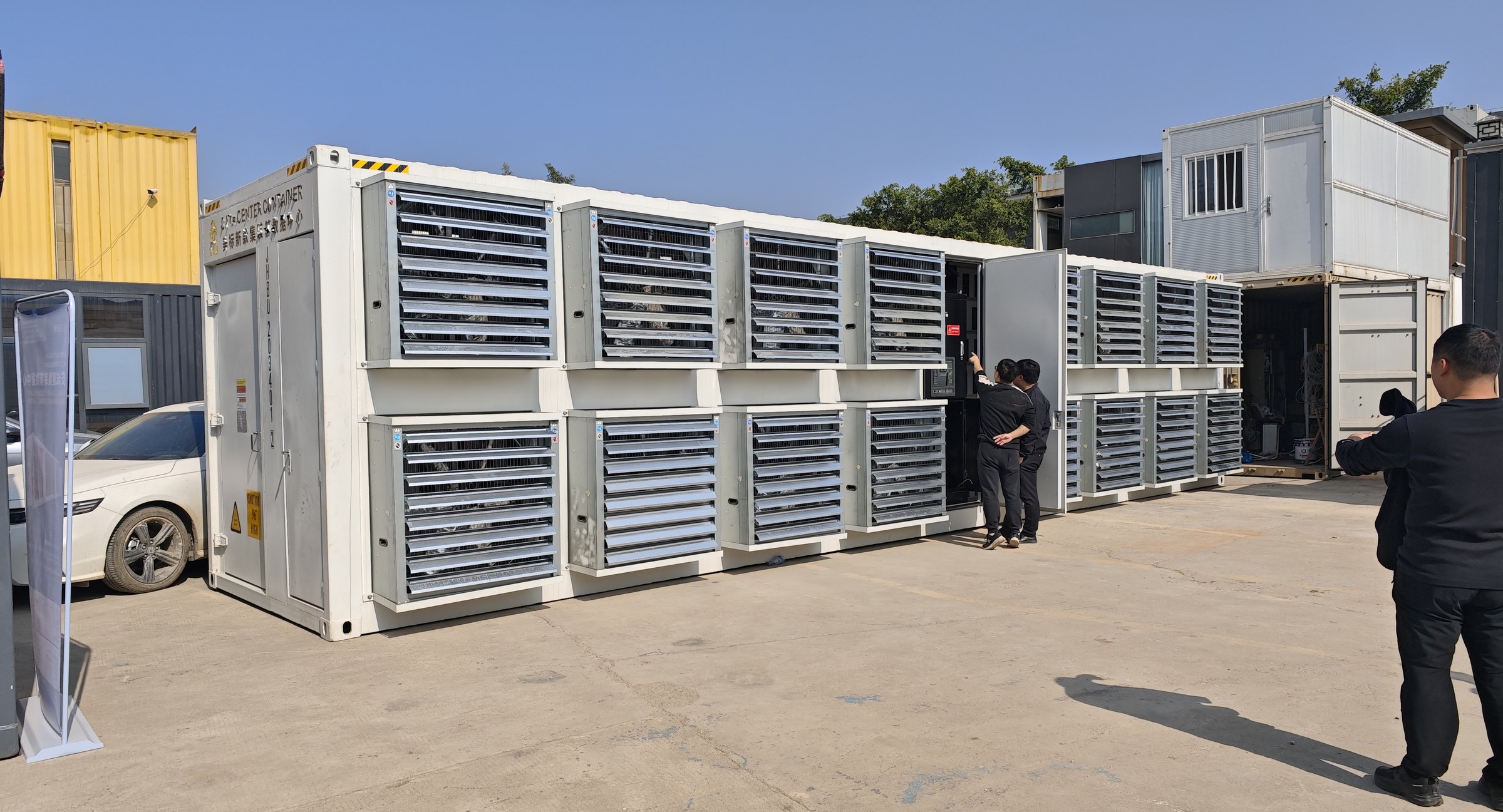
Air cooling stops paying at about 180 kW in a 40-foot box. Water takes the same shell to 1.2 MW, immersion takes it to 1.4 MW. Which one you should buy is decided by your electricity price, your ambient temperature and whether you have water on site — not by which one sounds more advanced.
Start at the top if you are planning a site, at the bottom if you are adding to one. Tier 01 is a whole farm quoted as one system, Tier 02 is a single container built around a machine count, Tier 03 is the substation, heat rejection, distribution and suppression that the containers plug into.
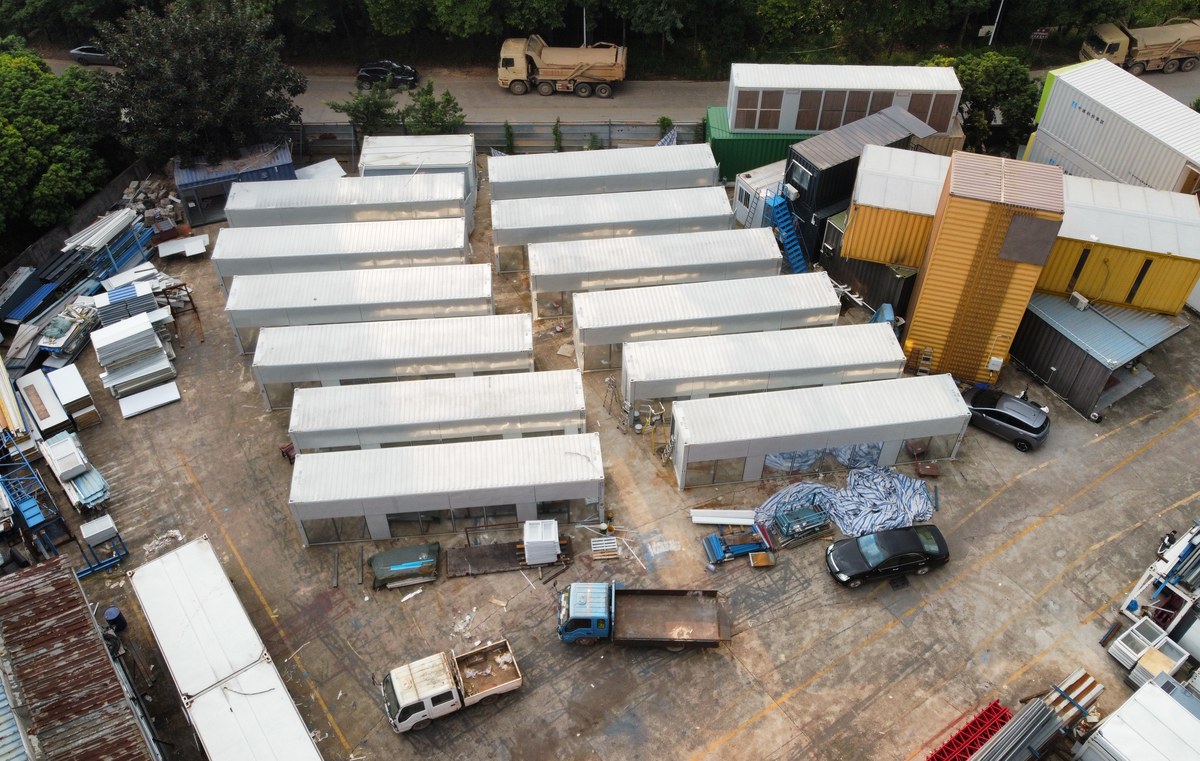 ProductAir-Cooled Mining Farm6–40 air-cooled 40HC boxes at 180 kW each, 2–10 MW, for dry sites where water is not available.MINING-FARM-AIRView product →
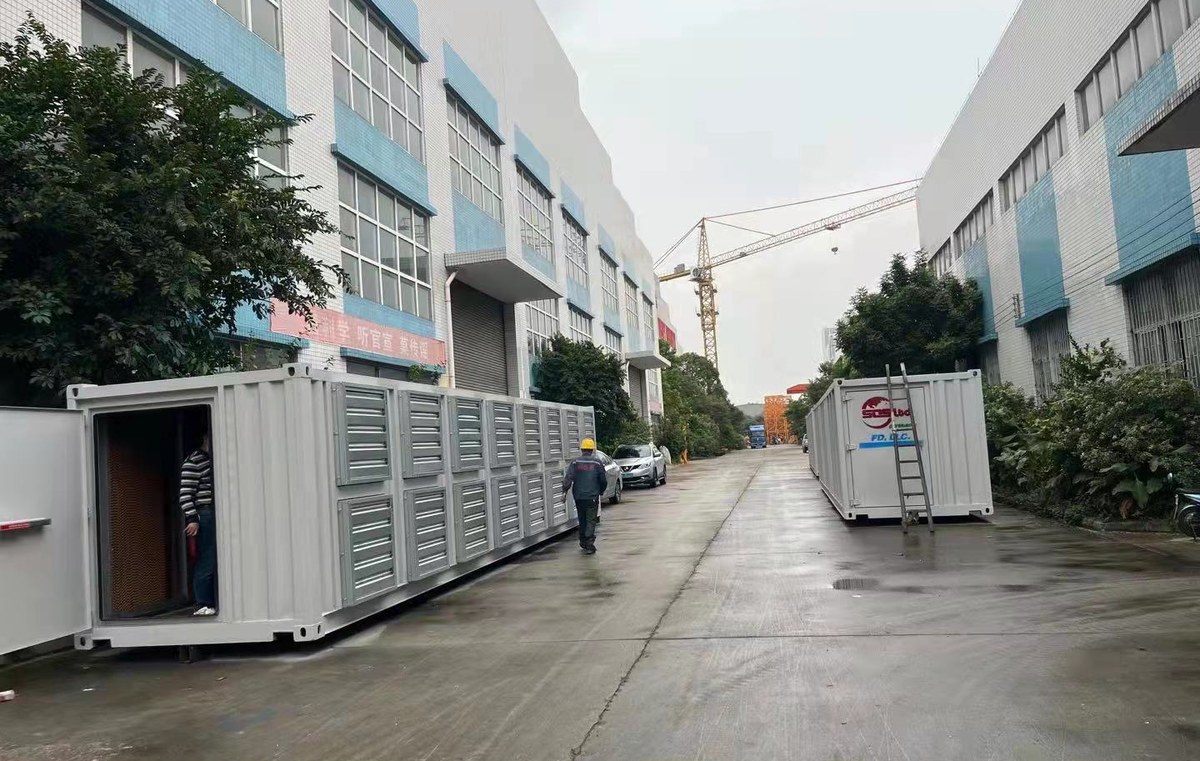 ProductWater-Cooled Mining FarmWater-cooled boxes with a shared heat rejection loop, 2–10 MW in about a third of the footprint.MINING-FARM-HYDROView product →
 Product40HC Air-Cooled Container336 machines at 180 kW, sixteen negative-pressure fans, one breaker per position.MINING-40AView product →
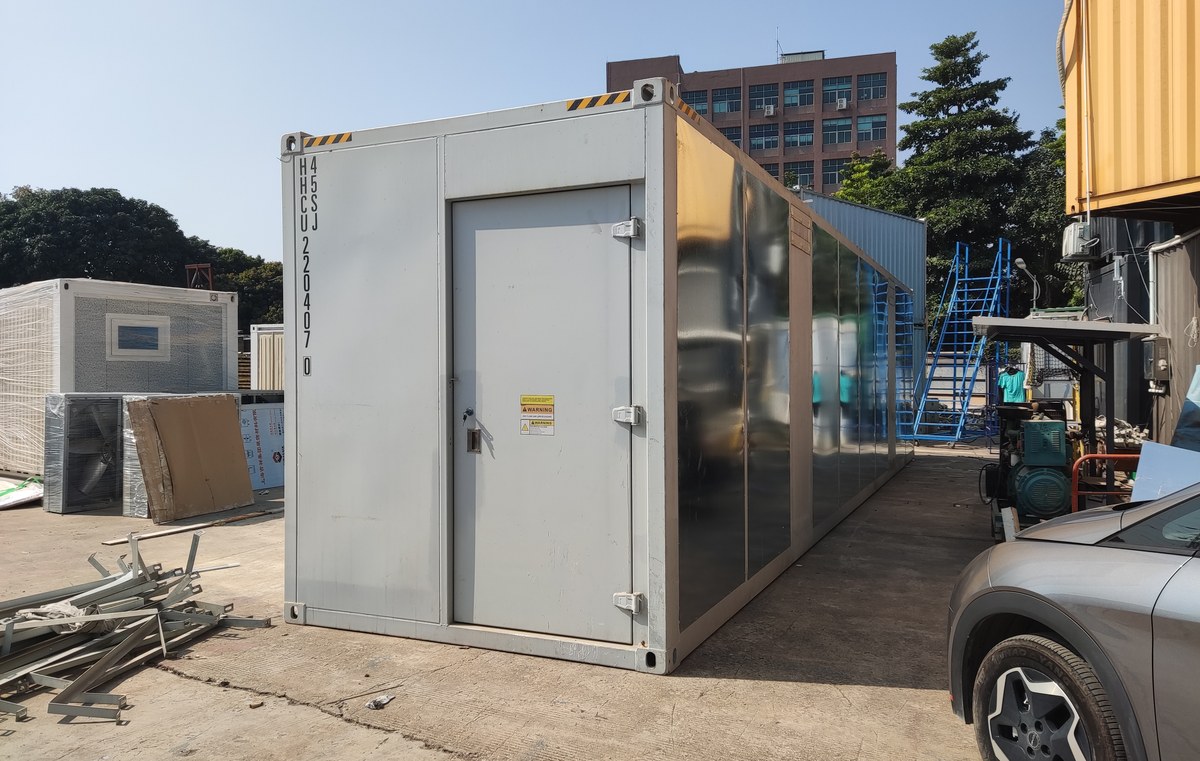 Product20GP Air-Cooled Container144 machines at 66 kW — the box you buy when the feed is 380 V and the shipping budget matters.MINING-20AView product →
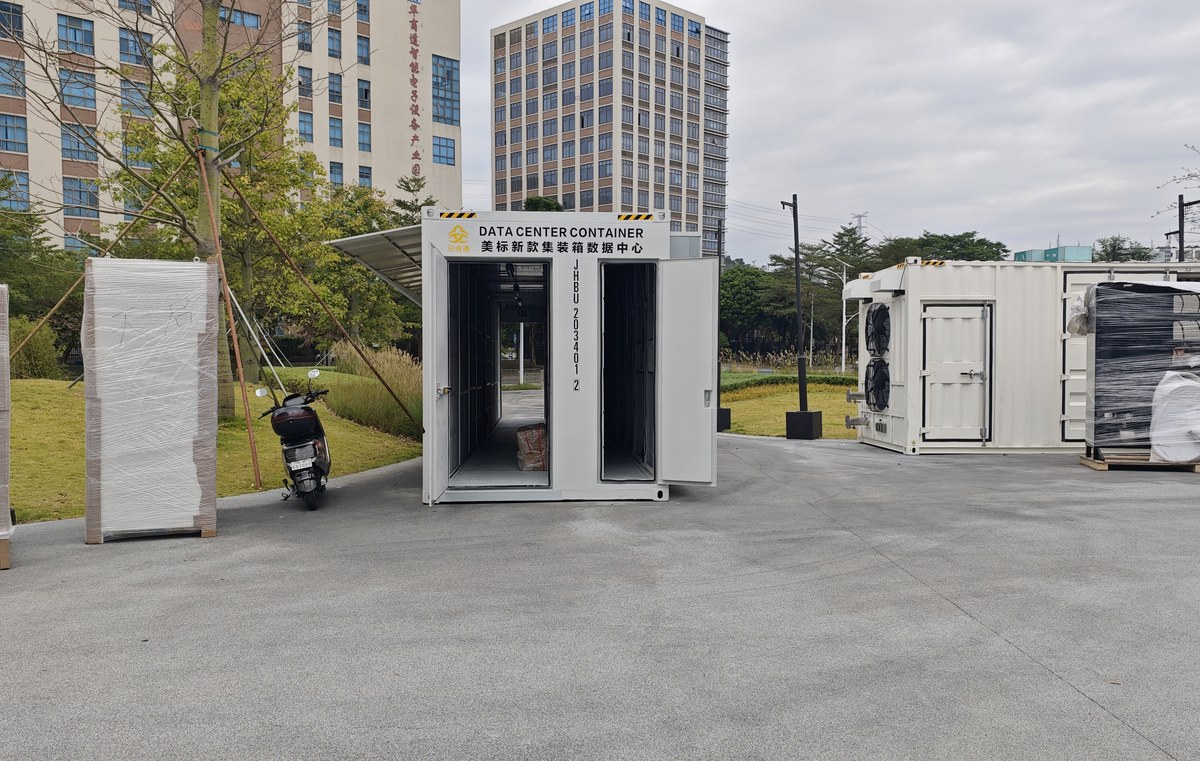 Product20GP Water-Cooled Container96 hydro units at 0.55 MW in a 20-foot shell, two units per 40HQ for small sites.MINING-20WView product →
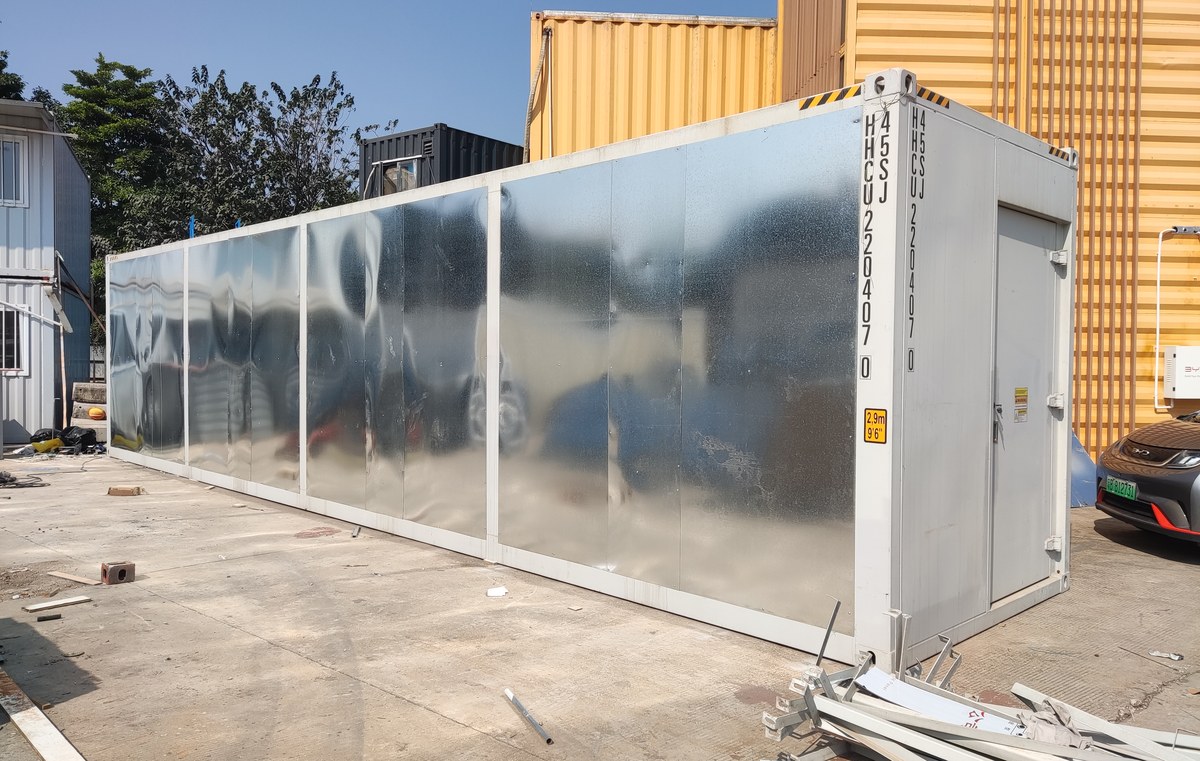 Product40HC Water-Cooled Container210 S21 hydro units at 1.2 MW — heat leaves through a pipe instead of a fan.MINING-40WView product →
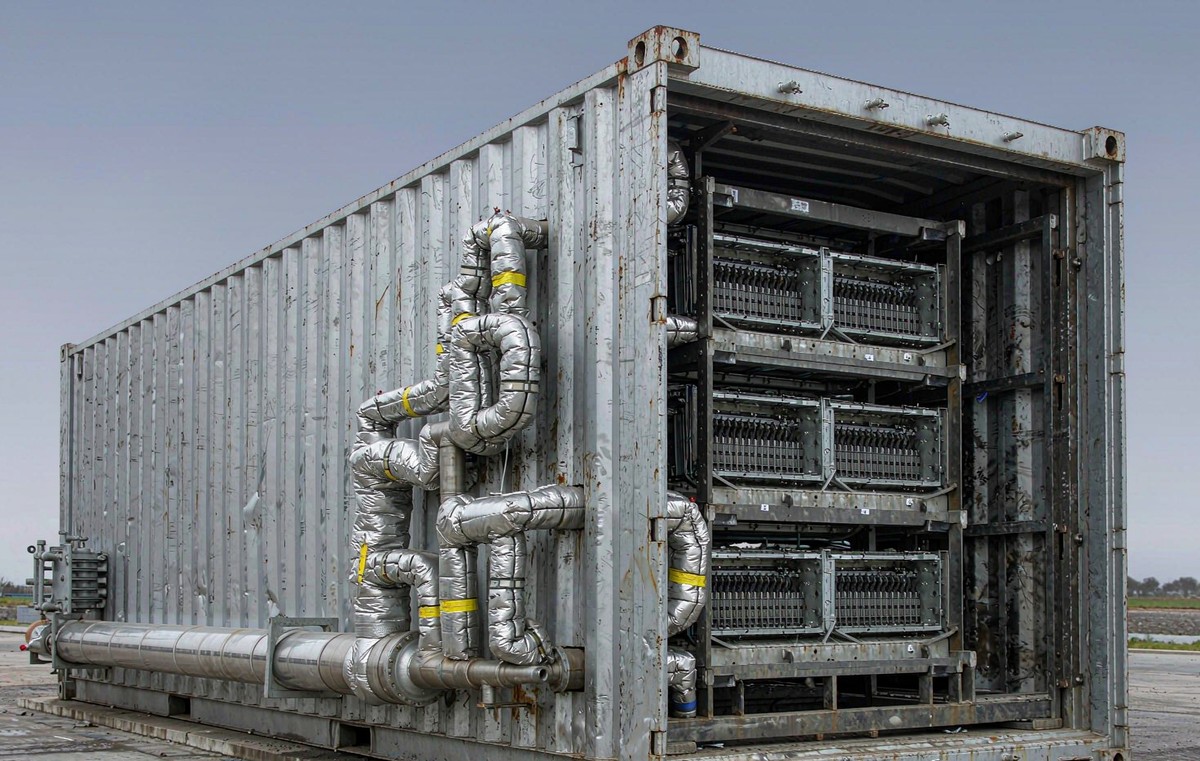 Product40HC Immersion ContainerTwo tanks of dielectric fluid, up to 1.4 MW, immune to dust and to the ambient.MINING-40IView product →
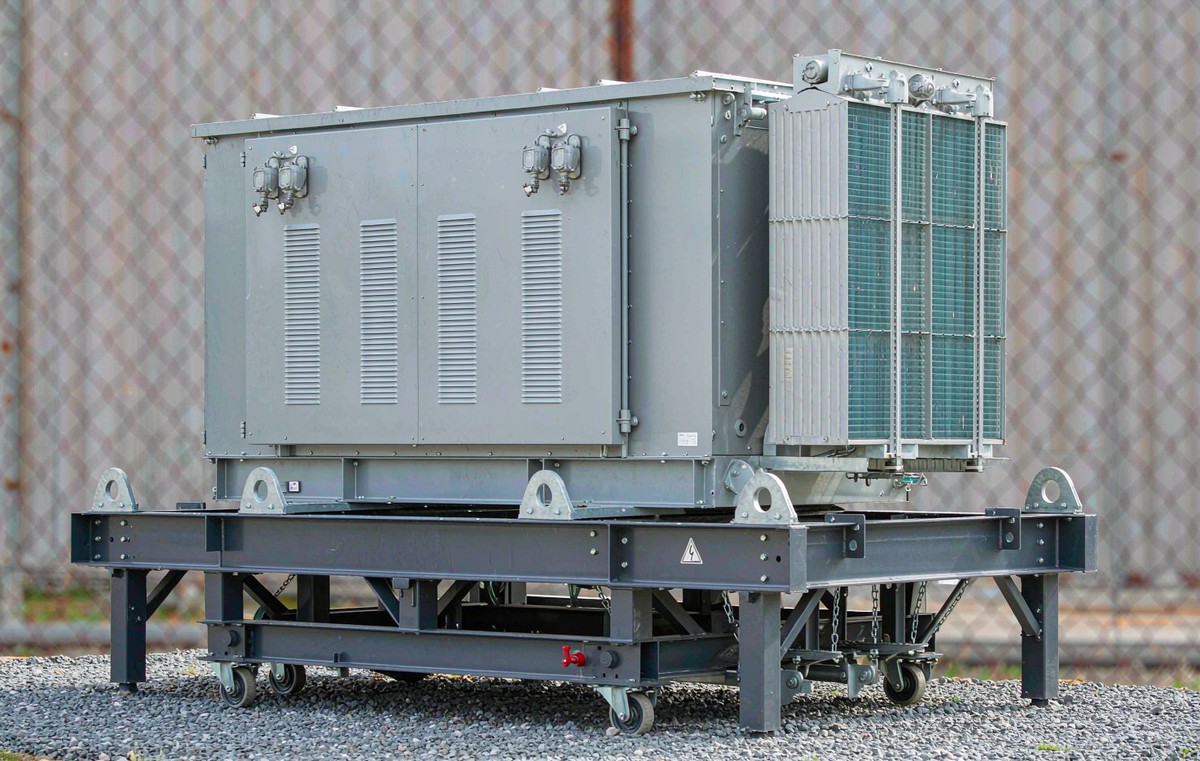 ProductSubstation & Paralleling Skid1.25–2.5 MVA transformer, MV switchgear and paralleling for six to forty containers.MINING-SUBView product →
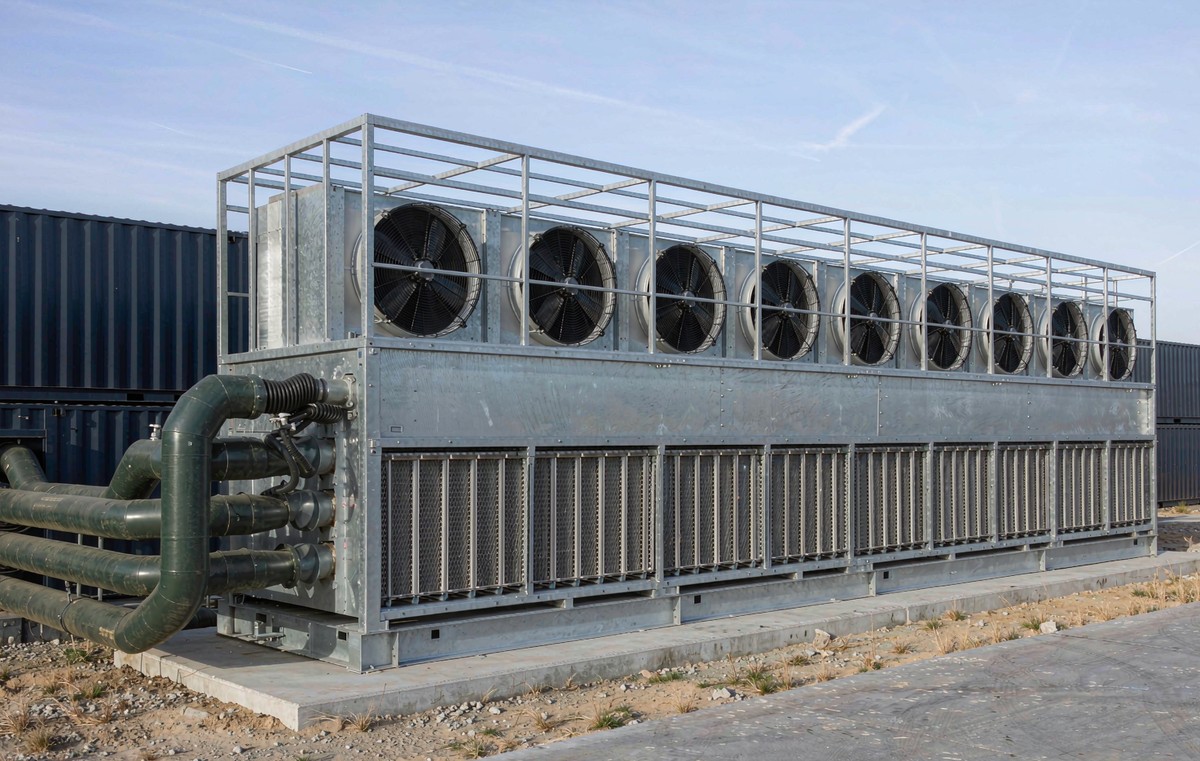 ProductHeat Rejection Skid300–1,500 kW of dry cooling with glycol loop, sized on your wet-bulb and altitude.MINING-HXView product →
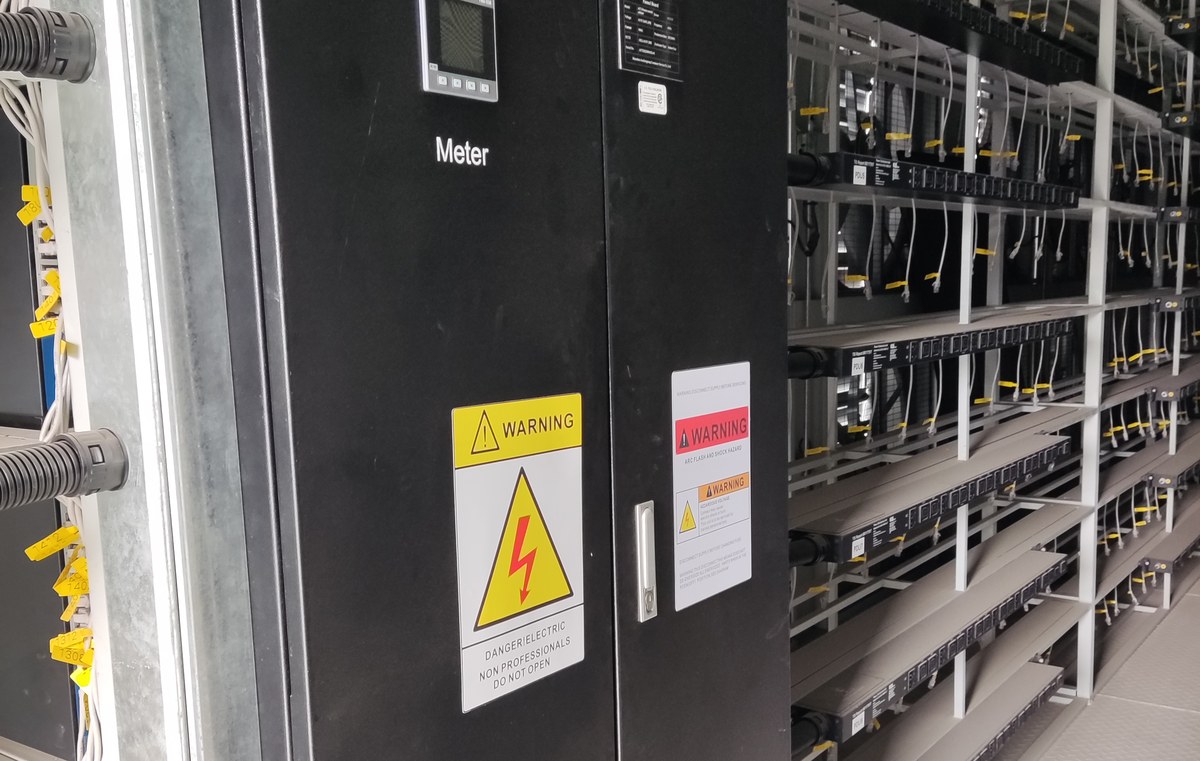 ProductMining PDU & MonitoringPer-position metering, remote power cycling and temperature alarms on one dashboard.MINING-PDUView product →
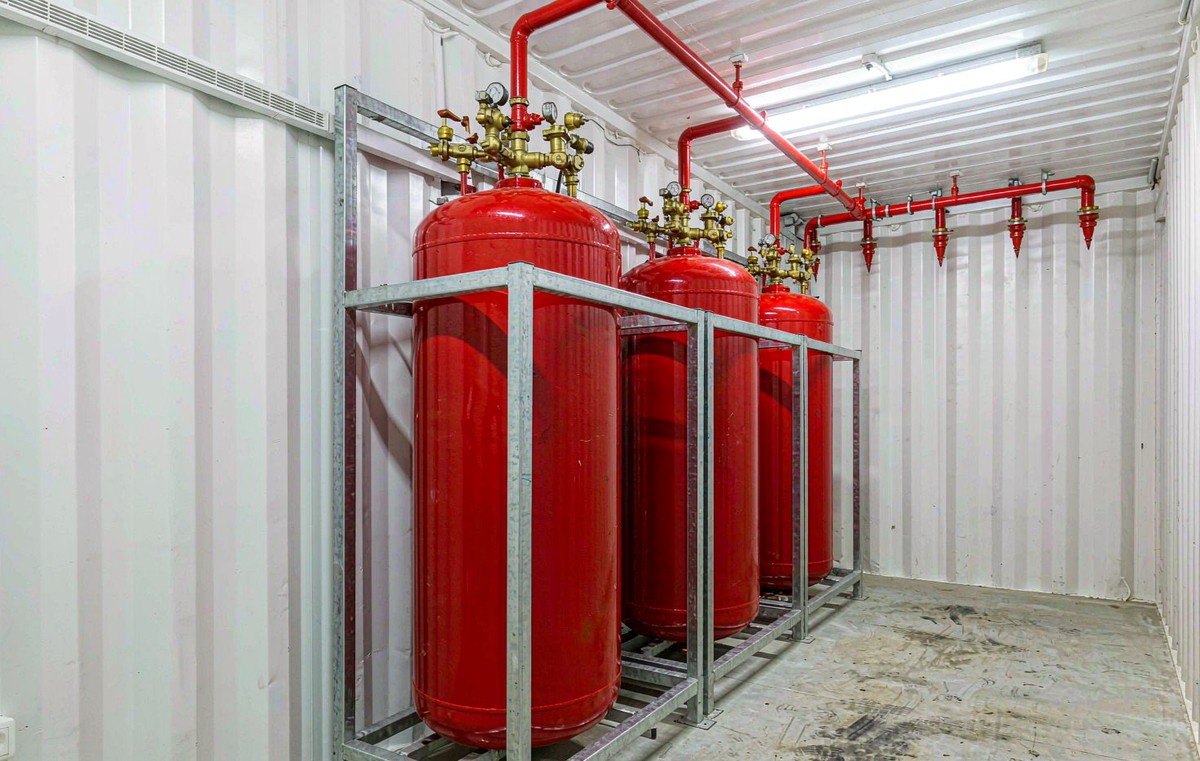 ProductDetection & SuppressionEarly smoke detection, clean-agent cylinders and a relay that cuts power before it discharges.MINING-FIREView product →
Any fabricator can cut holes in a container and fill it with racks. What makes the difference is unglamorous: one breaker per machine so a single failed PSU does not take down a row; negative pressure so dust goes where you filter it instead of settling on hash boards; and a cold aisle wide enough to walk when you have 336 machines to service.
We build five shells around that logic — air-cooled 40HC at 336 machines and 20GP at 144, water-cooled 40HC at 1.2 MW and 20GP at 0.55 MW, and an immersion 40HC that goes to 1.4 MW — plus the substation, heat rejection, distribution and suppression skids that make them a site rather than a row of boxes. The bills of materials are standard, so the price moves with copper and steel rather than with a sales conversation.
Nothing here is designed for a showroom. Every box is built around a machine count, a wattage per position and a design ambient that we ask you for before we quote — because a container quoted at 25 °C and installed in a 45 °C shed is a warranty claim waiting to happen.
The 40HC runs two electrical cabinets with a 1,200 A main moulded-case breaker and branch protection per position — 14 × 80 A plus one 63 A on the standard arrangement. Twenty-eight PDU strips, each one with twelve C19 sockets and one C13, switchable per socket.
That granularity is the whole value. When one machine starts drawing 300 W more than its neighbours, you want to isolate it from a browser, not from a busbar. The same logic applies to the cable schedule: UL-listed 4 AWG copper, terminated at the PDU, not twisted together on site.
The 20GP version carries 144 machines at 3,520 W per position and 66 kW total, on a 1,250 A main with 12 × 100 A and one 80 A branch. It is the box you buy when the site is small, the feed is 380 V and the shipping budget matters more than density.
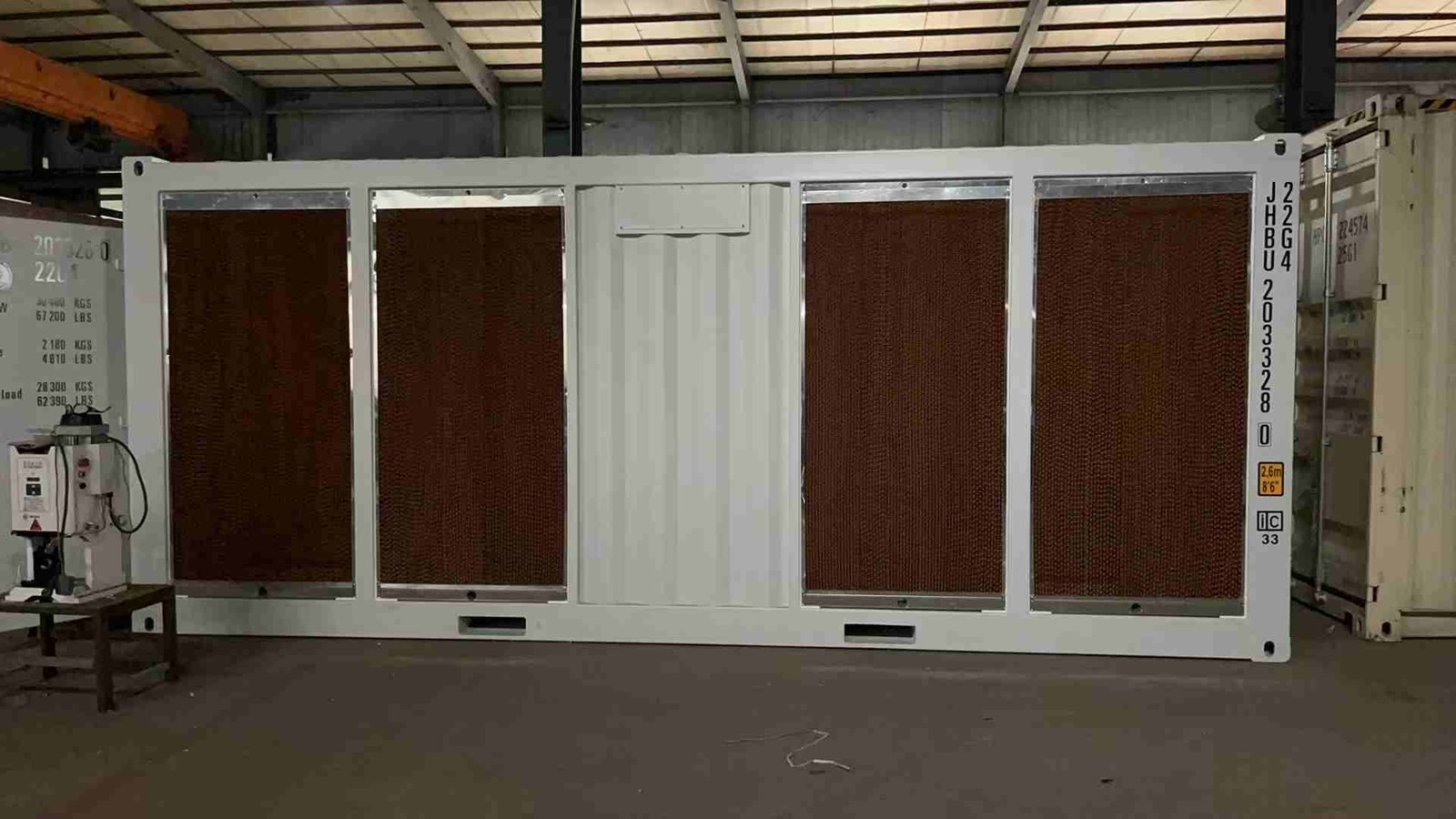
The 40HC uses sixteen 1,220 × 1,220 mm heavy-hammer negative-pressure fans with UL/CSA-certified 0.75 kW motors. Negative pressure means the box pulls air through the inlet rather than pushing it out of every gap: dust arrives at the filter, not at the boards.
The inlet is a 100 mm aluminium water curtain plus 21 mm 40-mesh filtration. On a humid site the curtain is also an evaporative cooler and buys you a few degrees; on a dusty site the mesh does the work and the curtain is a maintenance item. Both need washing on a schedule, and the schedule is the difference between 180 kW and a derated mess.
In a cold climate the water curtain is the wrong answer — it freezes. We fit a snow baffle instead, and if you want the inlet restricted further there is an air hood option, which deletes the curtain and changes the airflow calculation.
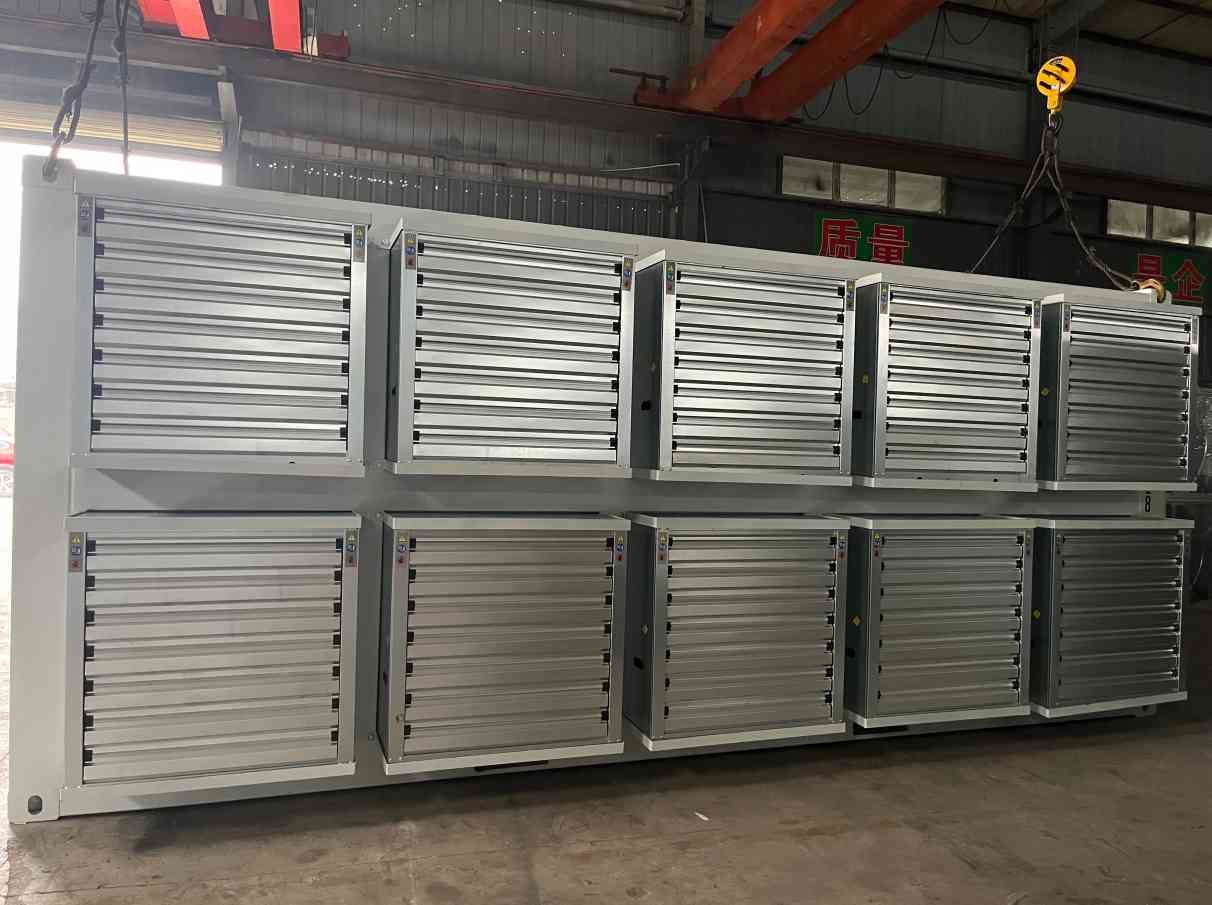
The water-cooled 40HC carries 210 Antminer S21 hydro units on two racks of seven layers, fifteen per layer. Heat goes into a closed loop of 40% ethylene glycol, driven by a single-pump CDU at 150 m³/h through 304 stainless DN57 pipe and a 28-way manifold with fifteen outlets each.
Rejection happens outside the box: a dry cooler rated 1,306.8 kW against a 1,200 kW design load — 8.9% margin, 1,741 m² of coil, eight 910 mm fans moving 240,000 m³/h for 33.2 kW, at 57 dB(A) at ten metres. That margin is not generosity; it is what stops the loop from derating on the hottest week of the year.
The trade is footprint and complexity. You need room for the dry cooler, glycol top-up on site, and a PLC that interlinks the CDU with the fans. What you get back is roughly seven times the compute per box and a noise level you can put near a fence line.
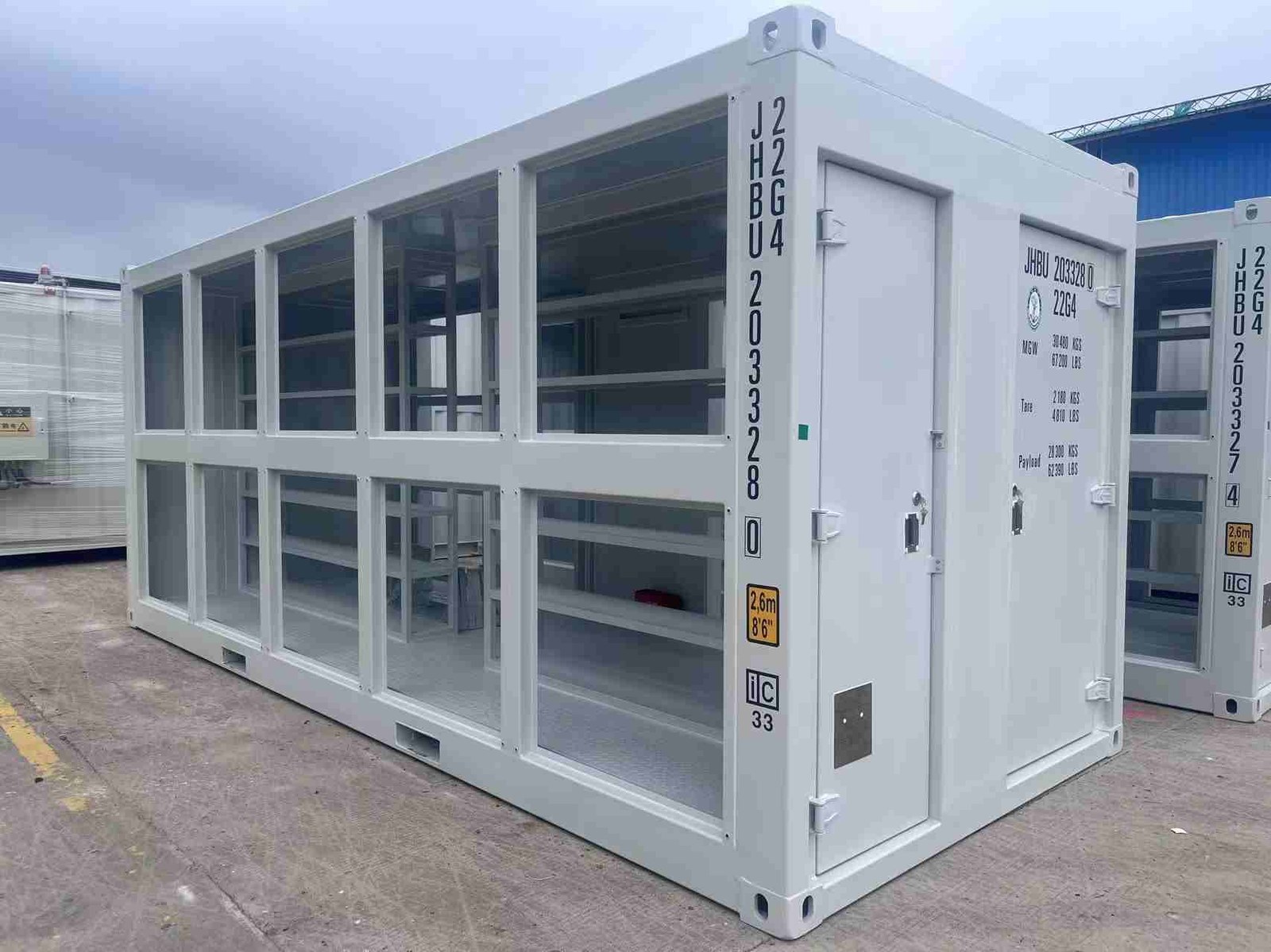
Cold air at the front, hot air behind, and isolation panels between the two so the air goes through the machines rather than around them. Without the panels the fans short-cycle and the rear row runs ten degrees hotter than the front — which is exactly where the failures start.
Racks are laid out so a machine can be pulled without dismantling its neighbour: service space at the rear, cable slack where the tray meets the rack, and network cabling one-to-one with the ports, labelled and tested before the box ships.
Sixteen 24-port switches plus one aggregation switch, all with UL-listed power supplies, are fitted as standard. We test every link and hand over the label schedule — because the first thing an operator does on arrival is trace a cable, and nobody wants to do that in the dark.
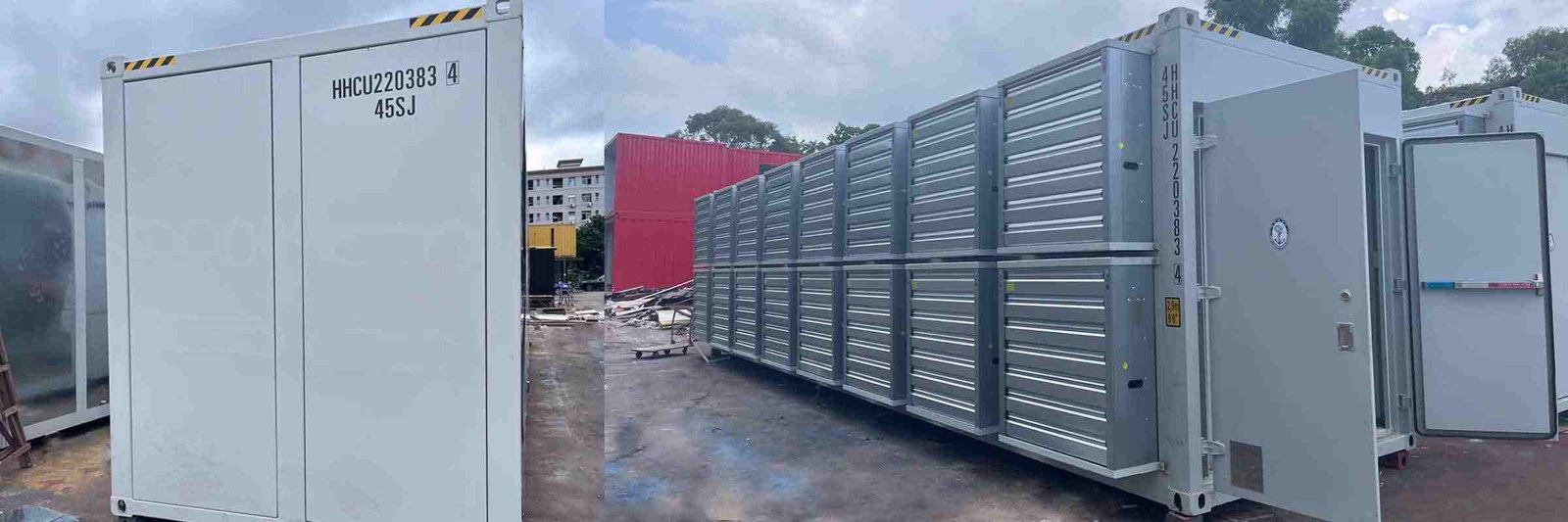
These are the templates we quote most often, not a second product list — the eleven cards above are the products. A build changes the moment your machine count, ambient or voltage changes, which is why the price is per project.
| Code | Build | Shell | Capacity | Electrical | Heat rejection |
|---|---|---|---|---|---|
| MC-AIR-40 | Air-cooled 40HC | 12,192 × 2,438 × 2,896 | 336 machines · 180 kW · 28 PDU strips · 1 breaker per position | 415 V 60 Hz or 400 V 50 Hz · 2 cabinets · 1,200 A main | 16 × 1,220 mm fans · water curtain · 40-mesh filter |
| MC-AIR-20 | Air-cooled 20GP | 6,058 × 2,438 × 2,591 | 144 machines · 66 kW · 12 PDU strips · 1 breaker per position | 380 V 50 Hz · 1,250 A main · 12 × 100 A + 1 × 80 A | 10 × 1,000 mm fans · water curtain · 40-mesh filter |
| MC-WAT-40 | Water-cooled 40HC | 12,192 × 2,438 × 2,896 | 210 × S21 hydro · 2 racks × 7 layers × 15 · 1.2 MW | 400 V 50 Hz · 2 × 1,250 A · 105 × 20 A per cabinet | CDU 150 m³/h · dry cooler 1,306.8 kW · 57 dB(A) @ 10 m |
| MC-WAT-20 | Water-cooled 20GP | 6,058 × 2,438 × 2,591 | 96 × S21 hydro · 2 racks × 4 layers × 12 · 0.55 MW | 400 V 50 Hz · 1 × 800 A · 48 × 20 A per cabinet | CDU 60 m³/h · dry cooler 600 kW · two units per 40HQ |
| MC-IMS-40 | Immersion 40HC | 12,192 × 2,438 × 2,896 | 2 tanks · 120–144 units depending on model · up to 1.4 MW | 415 V 60 Hz · 1,600 A main · DC busbars per tank | Plate heat exchanger 1,500 kW · no fans on the boards |
Options priced separately: snow baffle, air hood (replaces the water curtain), fan speed controller, fan VFD, smart PDU, door logo, cameras, PVC floor. Fan motors and PDU carry a 12-month warranty, with a spares kit in every box.
Tell us those three and the quote is arithmetic. Leave them out and we are guessing, which is how containers end up derated in their first summer.
Quotation terms: quoted per project. Freight, duties, foundation, site power connection, glycol fill and commissioning are excluded unless listed. Prices move with copper and steel at the time of order.
Machine model and wattage, site ambient and altitude, voltage and frequency, and how many boxes you need this year. That is enough to size the box, the fans and the PDU mix.