

What it is for
A farm is not a container order. It is a power study, a heat study and a yard layout that have to agree with each other before the first box is welded. Most projects that go wrong went wrong here: containers bought one at a time, then a substation sized for half of them, then a summer that the fans could not get through.
We quote the whole site — containers, substation skid, distribution and the dry site layout — against one design ambient and one electricity price. If the numbers say air cooling will derate in July, we say so before you sign rather than after the first bill.
What you still own is the civil work: the pad, the fence, the utility connection and the fuel or PV if you are off-grid. We draw what those have to look like, and we do not pretend they are included.
Where it is typically used
Key specifications
| Site capacity | 2–10 MW, in stages of 180 kW |
| Containers | 6–40 × 40 ft air-cooled, 336 machines each |
| Electrical | MV ring at 10 or 35 kV, 1.25–2.5 MVA per substation skid |
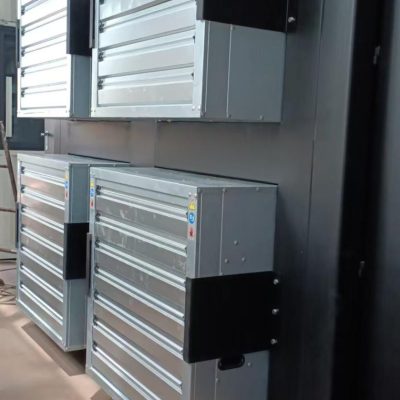
| Heat rejection | On-box fans, water curtain, no central plant |
| Design ambient | −25 °C to +45 °C, stated in the contract |
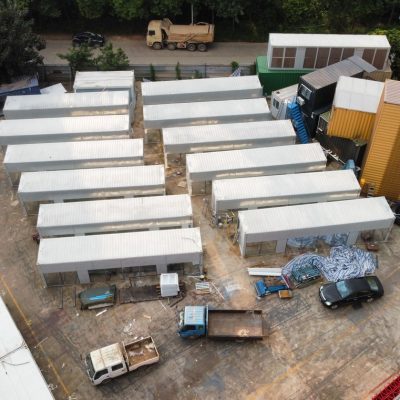
| Footprint | About 1,150 m² for 10 MW with 4 m aisles |
| Noise | 68–72 dB(A) at 10 m, fence line to be planned |
| Control | One dashboard, per-container and per-position |
| Build time | 30–45 days per box, 8–12 weeks to energise a site |
| Shipping | 1 × 40HC per box, flat rack not required |
| Foundation | Compacted gravel or concrete strip, 150 mm tolerance |
| Standard | CSC shell, IEC or UL electrical to destination |
Figures are for the standard configuration and change with the project. Values are design values; acceptance follows the contract technical agreement.
What goes in the box
Installed, wired and tested before dispatch. On site the work is placement and external connections.
The boxes themselves, built to your machine count and ambient, tested with resistive load before dispatch.
Transformer, MV switchgear and paralleling for the whole farm, sized on the final stage rather than the first.
LV feeders from the substation to each container, plus per-position breakers inside.
Pad, fence, aisle, cable trench and exhaust separation, issued as a site plan.
One engineer for ten days on site, or remote support if you have your own electricians.
Fan motors, belts, PDU strips and breakers, one set per ten containers.
Which model to take
| Stage | Containers | Load | Substation | Footprint |
|---|---|---|---|---|
| Stage 1 | 6 | 1.1 MW | 1 × 1.25 MVA | ≈ 320 m² |
| Stage 2 | 12 | 2.2 MW | 1 × 2.5 MVA | ≈ 620 m² |
| Stage 3 | 24 | 4.3 MW | 2 × 2.5 MVA | ≈ 1,150 m² |
| Stage 4 | 40 | 7.2 MW | 3 × 2.5 MVA | ≈ 1,800 m² |
Standard models are listed. Other capacities are built to order, with two to three weeks added to the standard lead time.
Why a farm is sized on the substation, not on the containers
The container is the flexible part
A 40 ft air-cooled box can be added in a month. A 2.5 MVA transformer cannot — lead times on MV equipment ran to 30–50 weeks through 2023 and 2024 and have not fully recovered. Farms that ordered containers first and transformers second spent a winter with boxes on the ground.
So we usually size the substation for the stage you intend to reach, and buy the containers stage by stage. It costs more upfront and it is the only way the site actually energises on schedule.
Aisle width is a money decision
Four metres between rows lets a telehandler pass and lets hot air clear. Three metres saves about 12% of the pad and costs you service access for the next five years. We draw four unless the site is genuinely tight.
When to use it, when not to
These come from projects rather than general advice. Match your case against them; it is more useful than reading the specification table.
A farm quoted as one system is cheaper per megawatt than boxes bought separately, and it is the only way the substation arrives on time.
We size the MV side for the final stage so stage 2 does not mean a second transformer.
One 20 ft container and a wall-mounted panel is the honest answer; a farm design would be padding.
Air cooling will derate exactly when power is most expensive. Take the water-cooled farm instead.
Containers move; a substation, a pad and a fence do not.
From contract to energisation
Ambient, altitude, voltage, water availability, lease term. One call, usually.
Layout, single-line diagram and stage plan in 5–7 working days.
Drawing release, deposit, and the transformer order goes out first.
30–45 days per container, staged so boxes arrive as the pad is finished.
Commissioning, load test per box, handover of the label and cable schedule.
On site and in detail
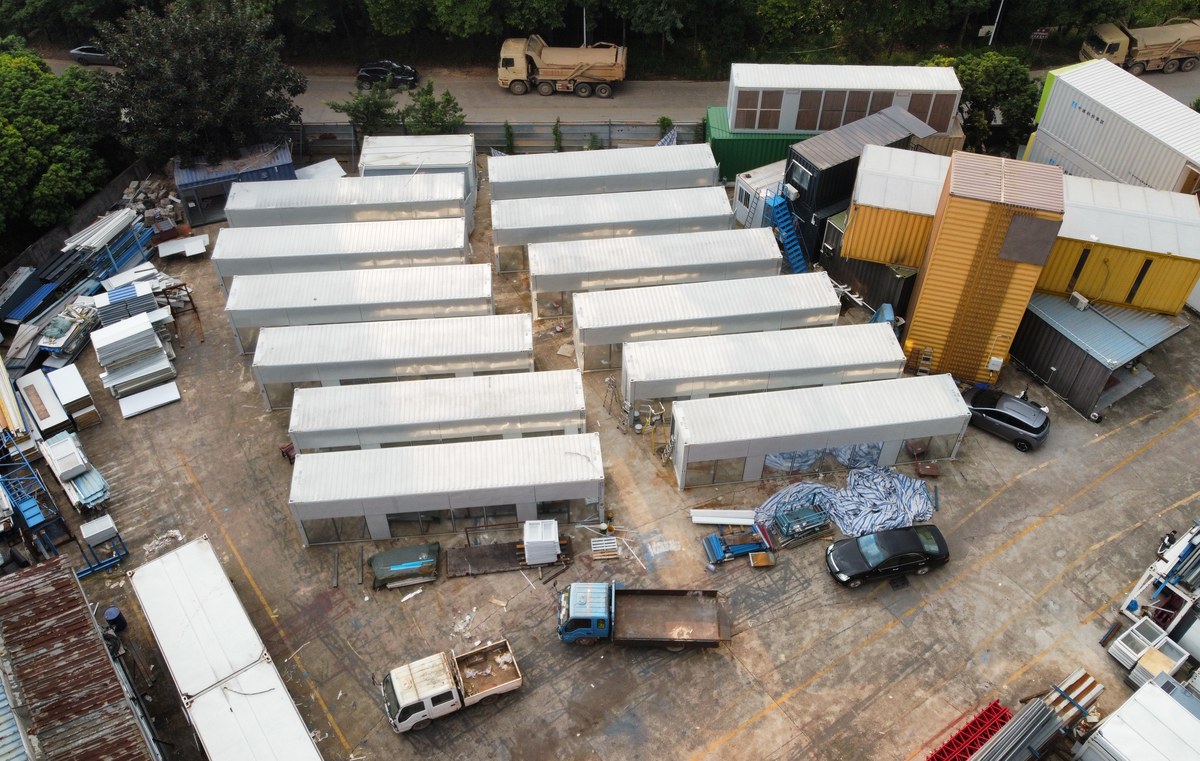
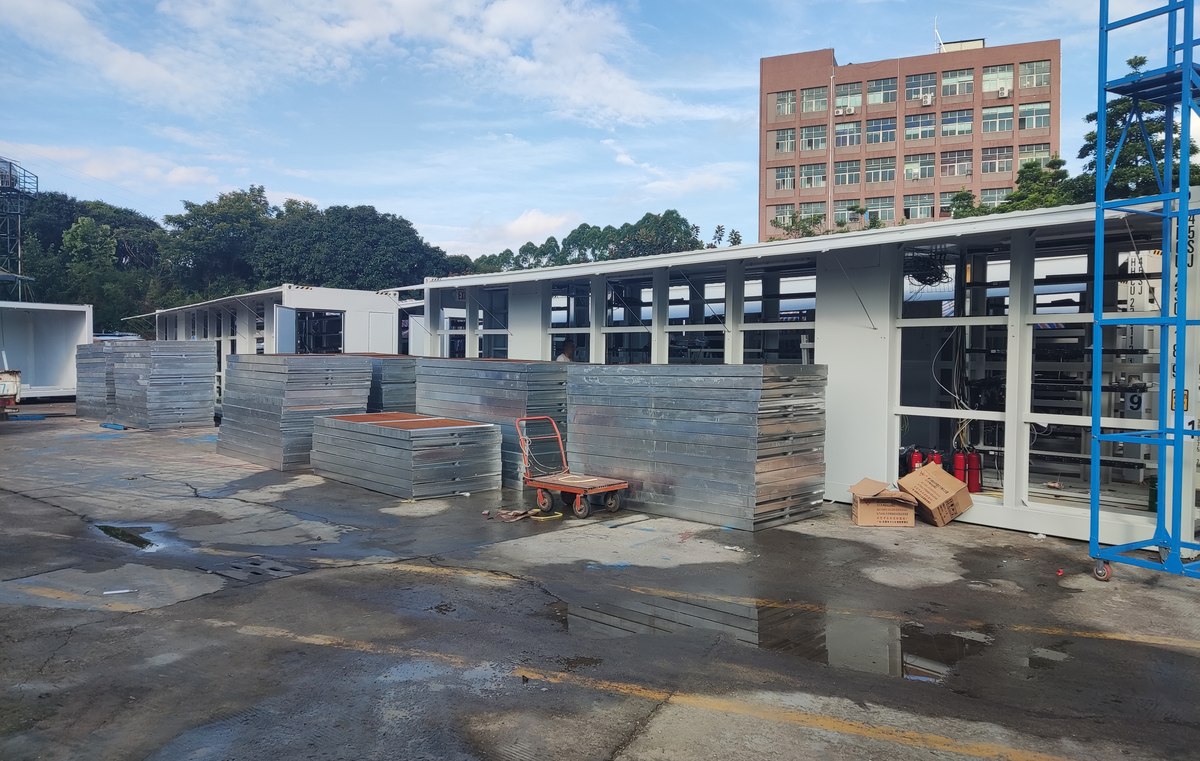
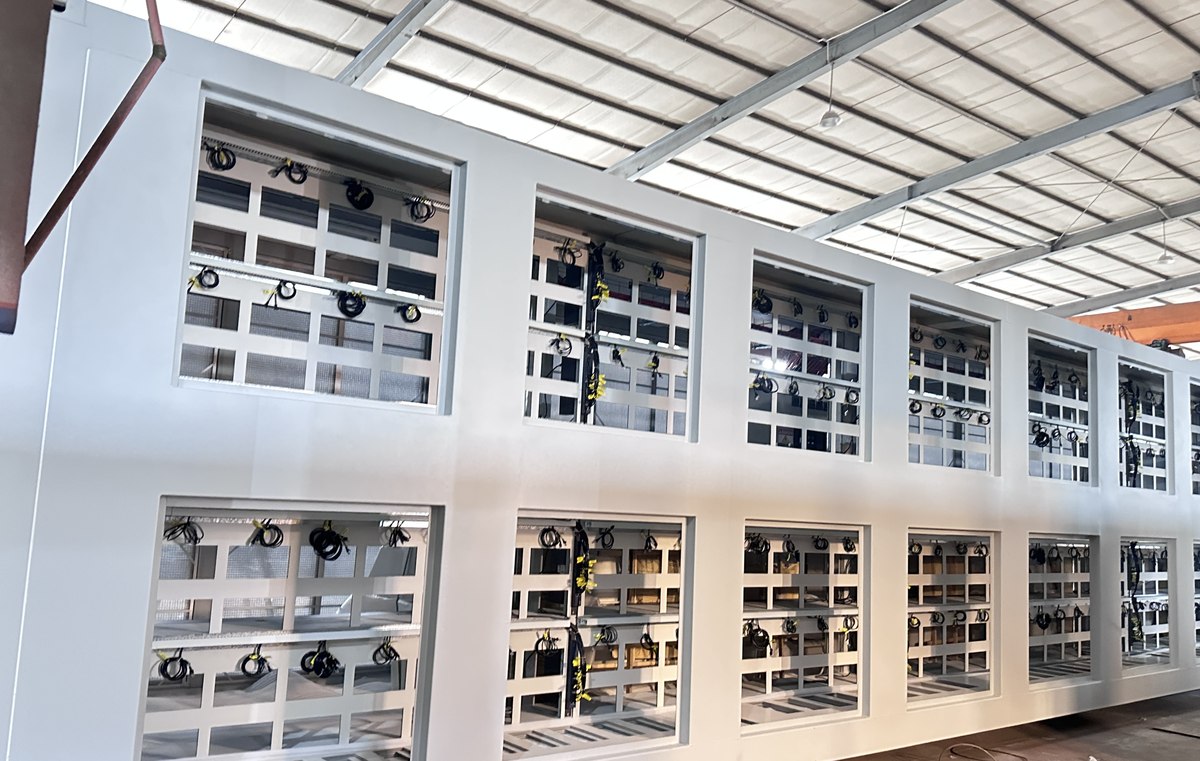
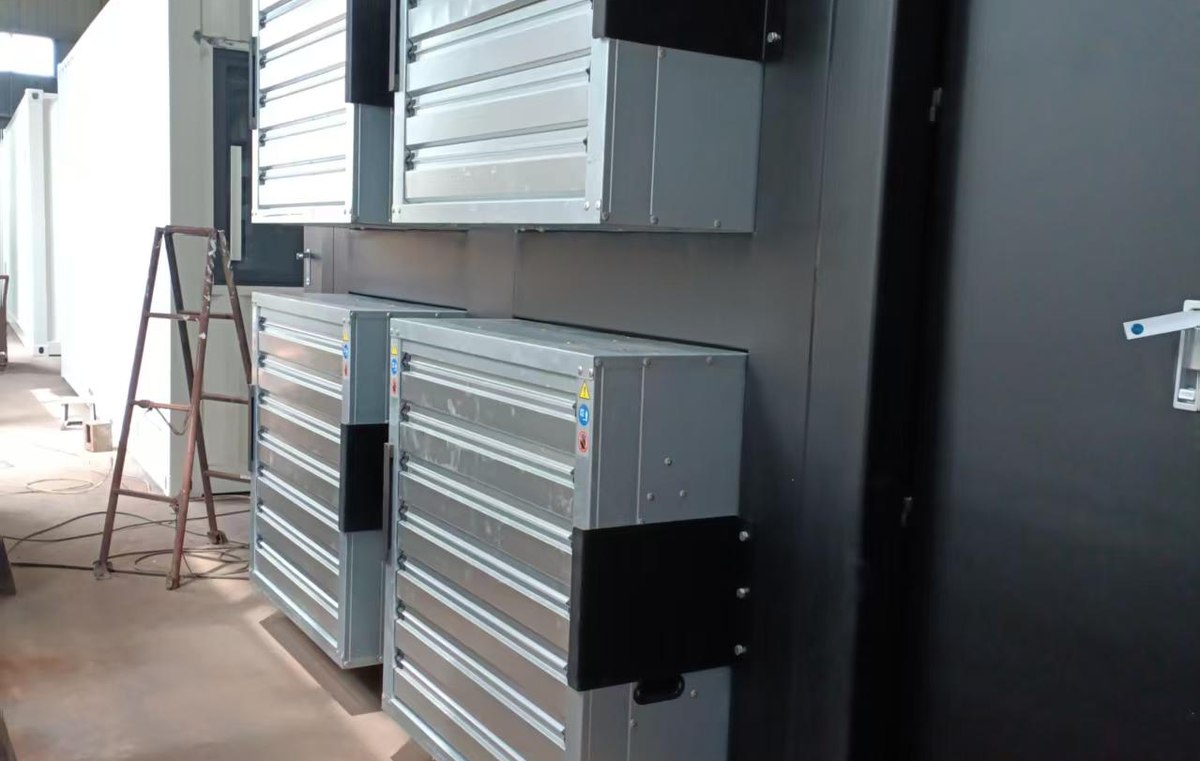
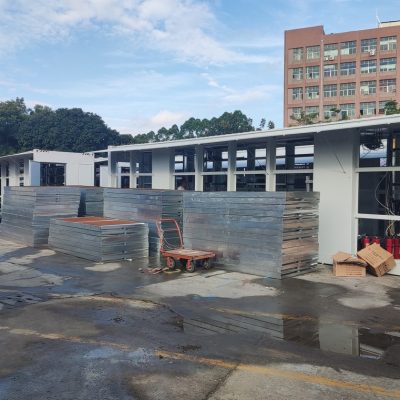
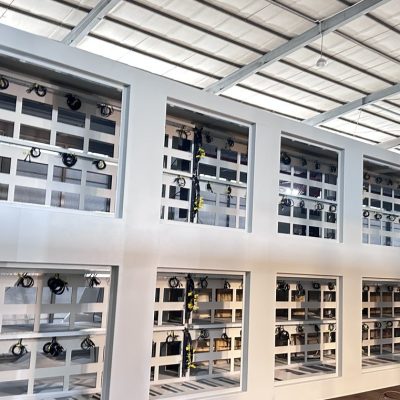
Some images are scheme illustrations and renders showing structure and layout. Final delivery follows the contract drawings.
What customers ask most
Can you supply containers only and we do the rest?
Yes, and a good number of customers do. You get the same box, the layout drawing and the cable schedule, and you buy the transformer locally. We will still ask what you are buying, because a 1,000 kVA unit for six boxes will not carry them.
What happens if we add machines later?
The electrical design has spare ways and the pad has spare bays. Adding a box is a month; adding a transformer is a year, which is why the MV side is sized first.
Is 10 MW realistic on one site?
Yes, at 40 containers, but the grid connection becomes the project. At that size the utility study usually sets the schedule, not us.
Do you handle the civil work?
We issue the pad, trench and fence drawings and we can supervise. We do not pour concrete outside China.
How do you prove 180 kW per box?
Resistive load bank at full rating for four hours, per box, with the ambient recorded. You get the test sheet with the unit.
Ask for a scheme for your site
Send the capacity, rack count, site conditions and local climate. You get a layout, a single-line diagram and a price, at no charge, revised until it works.