
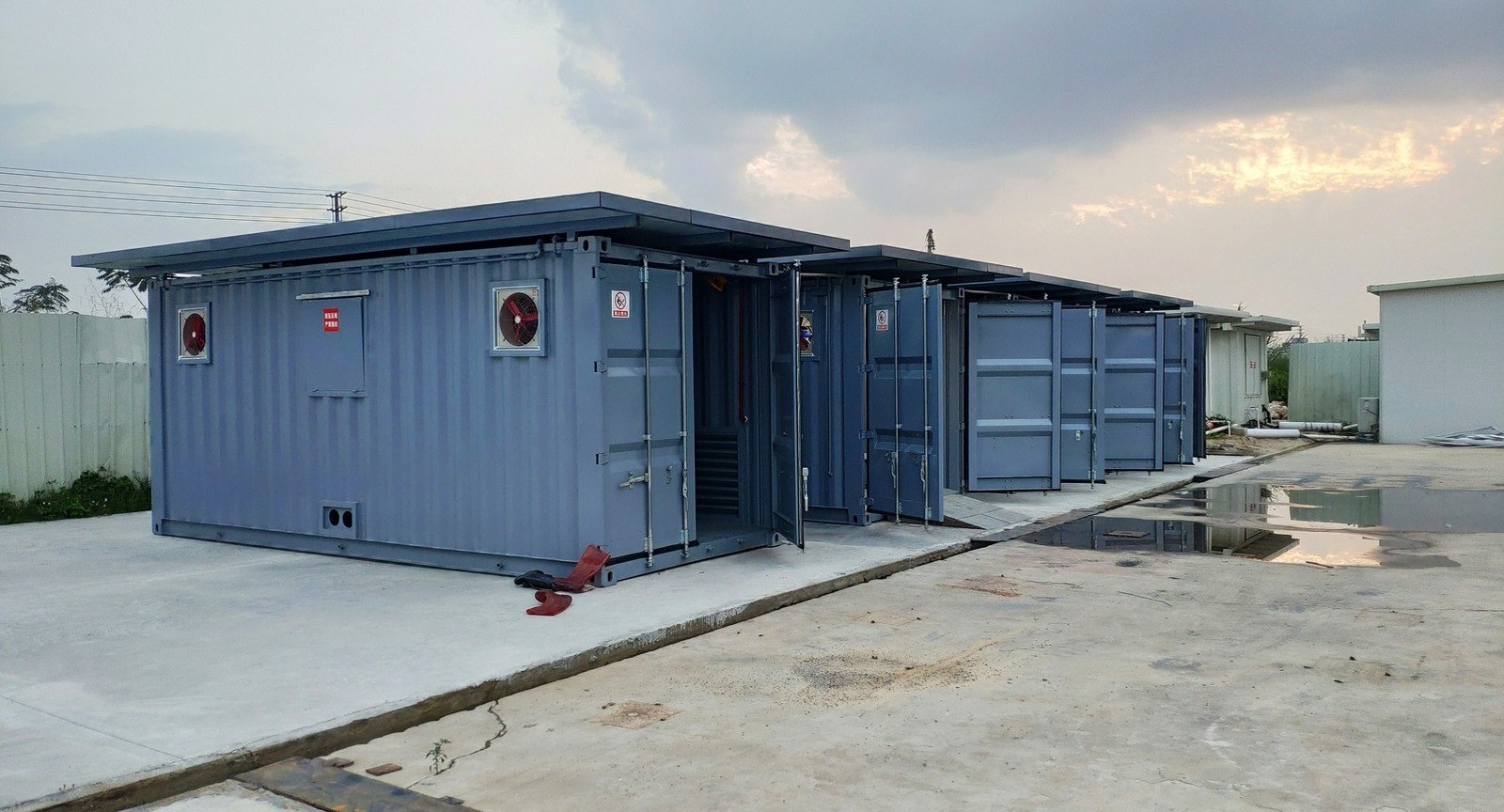
Every box on this page exists for one reason: something expensive has to sit outside, in the weather, and stay inside its temperature, its fire rating and its ingress class. We do not make the battery, the switchgear or the genset. We make the room that keeps them in spec — and we build it to the drawing your equipment supplier already gave you.
Every card below is a product with its own page: the specification, the delivery boundary, the options and the price logic. Tier 01 is a complete equipment room with the thermal and fire systems designed in, tier 02 is a room for one specific job, tier 03 is the envelope, the base and the air side that you can buy on their own.
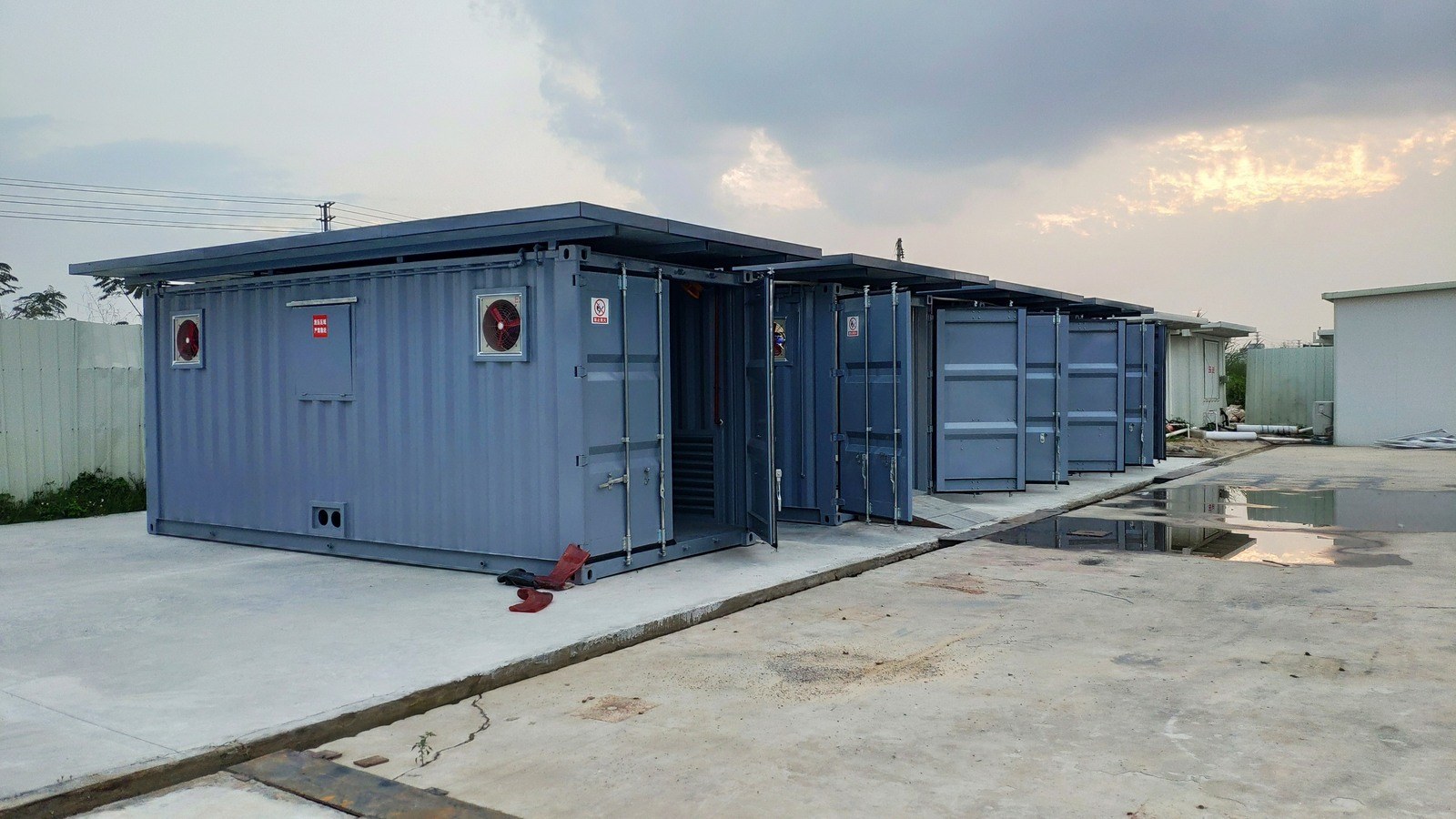 ProductBattery Energy Storage10, 20 and 40 ft shells with 5–25 kW of cooling, C4 coating and a clean-agent fire kit.EQP-BESSView product →
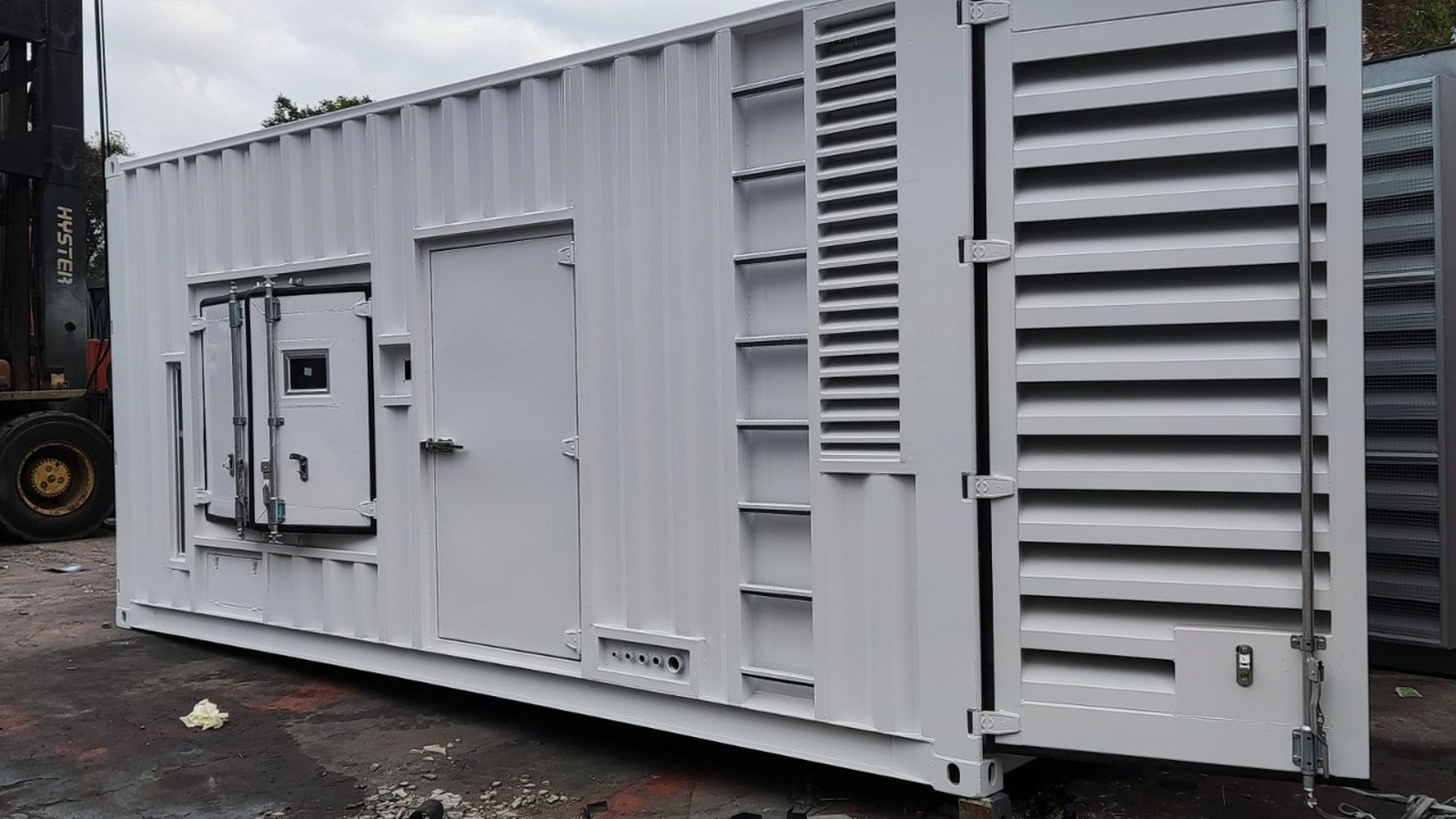 ProductGenerator & SwitchgearSound-attenuated diesel and gas sets at 65–75 dB(A), radiator air path calculated, switchgear in the same box.EQP-GENView product →
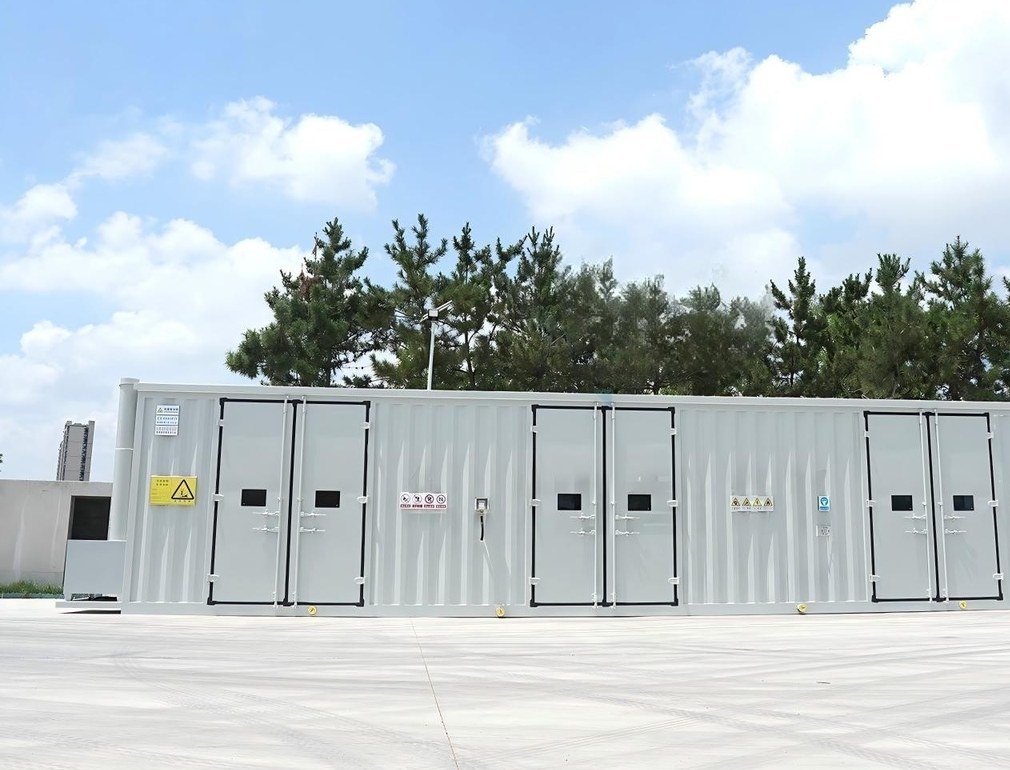 ProductWater TreatmentFiltration, dosing and pump sets piped and wet-tested in the yard, on a floor that slopes to a drain.EQP-WATERView product →
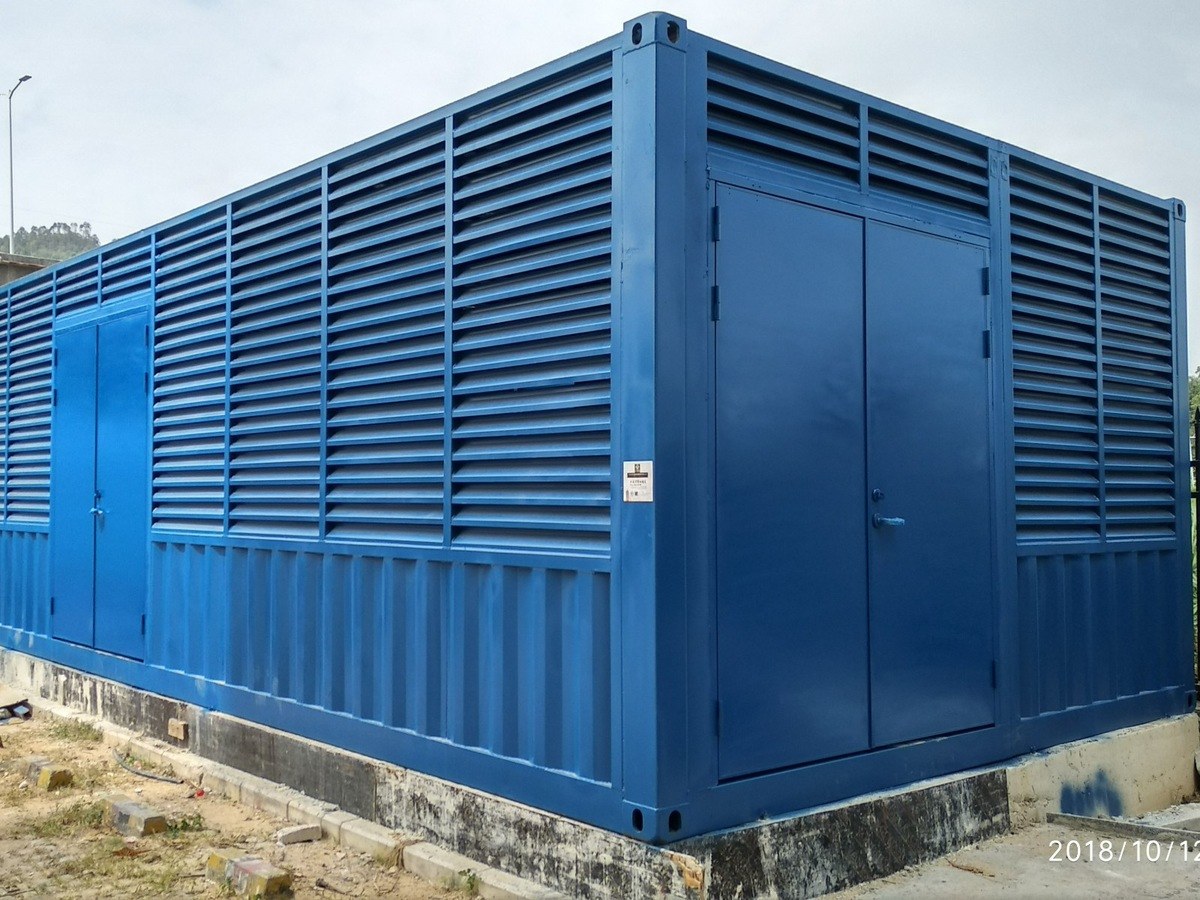 ProductTelecom & Edge ShelterWalk-in shelter, IP55, 48 V DC plant and alarms wired for your NOC — built for six months between visits.EQP-TELECOMView product →
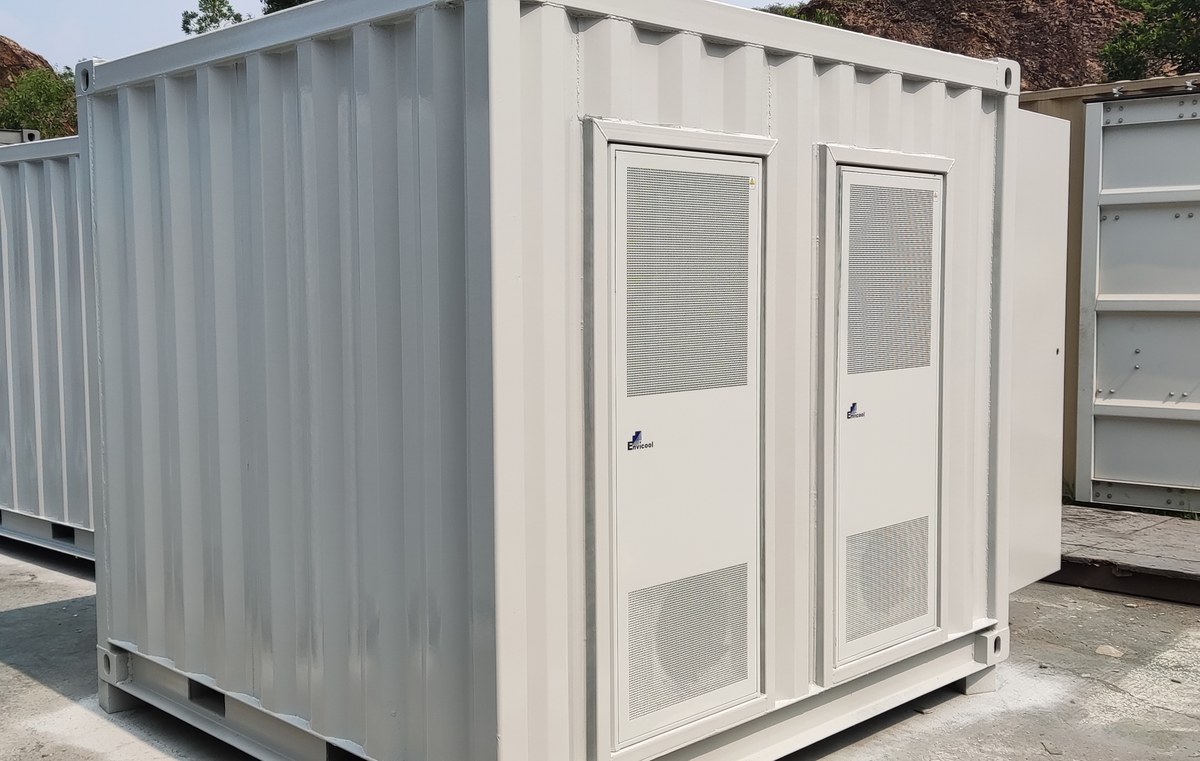 ProductConnection & Control RoomTwo rooms: gland plates and a cable void on one side of a sealed wall, a desk and comfort cooling on the other.EQP-CTRLView product →
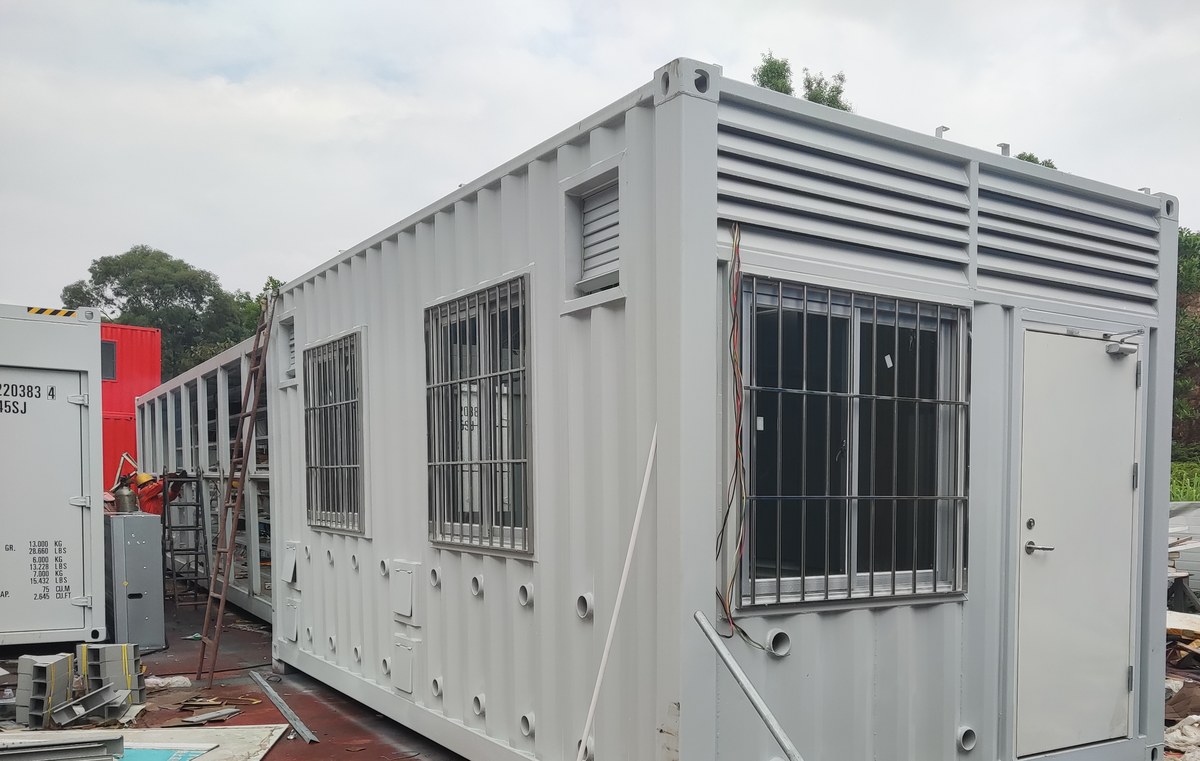 ProductMobile LaboratoryOne extract per fume hood, negative pressure held at −5 to −10 Pa, a bench that resists the chemistry and a sink that drains.EQP-LABView product →
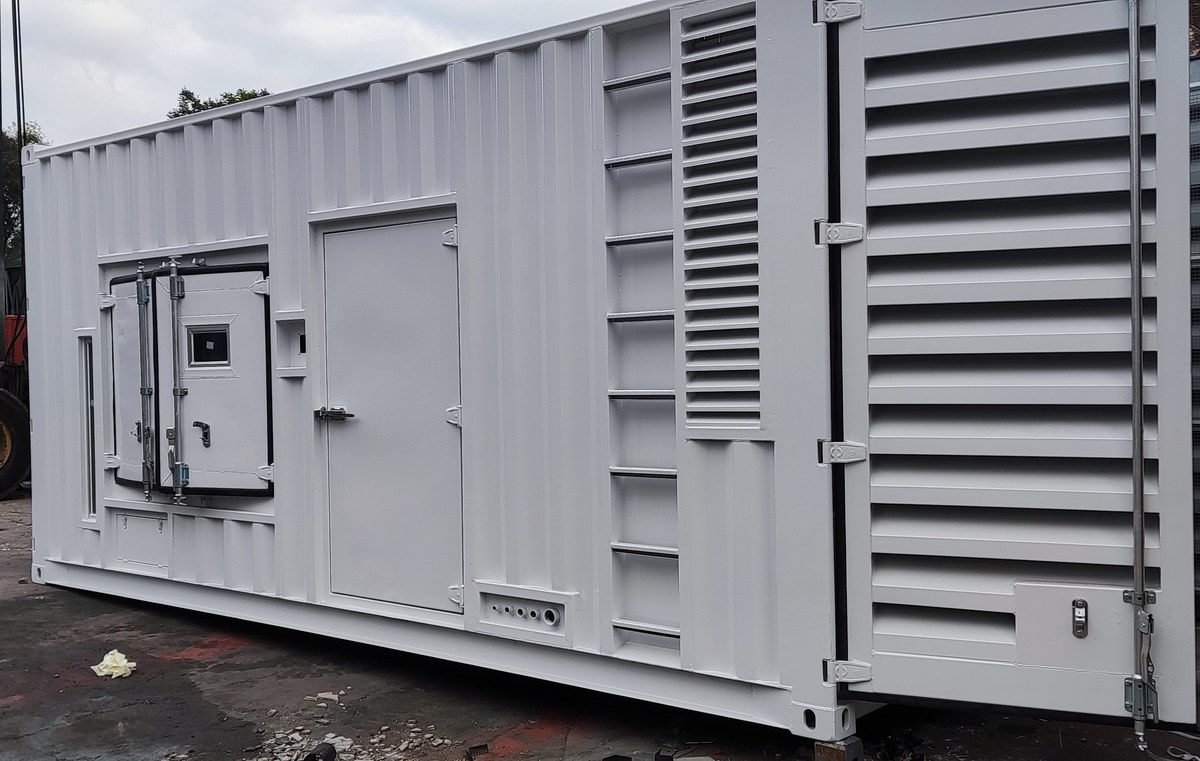 ProductPump & Compressor HouseIsolated equipment frame, floor rated for the point load, ventilation calculated from motor losses.EQP-PUMPView product →
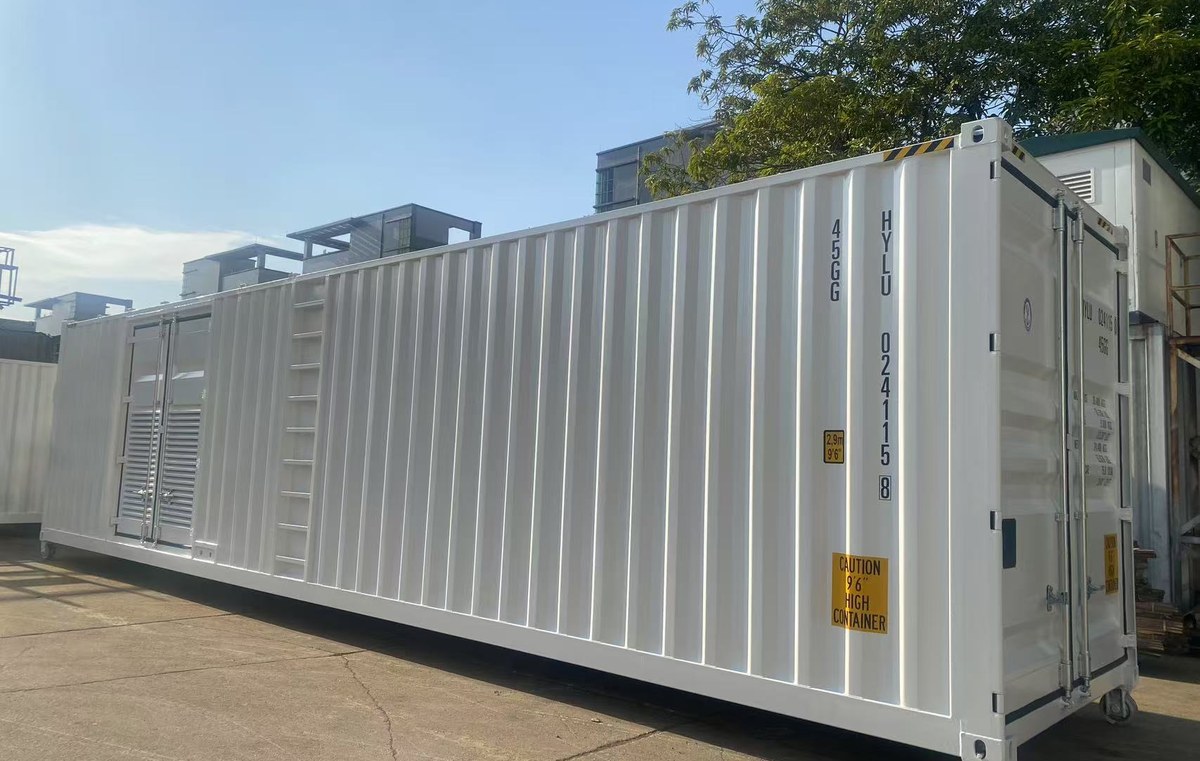 ProductCustom Equipment ShellEvery cut, door and louvre made before coating. C4 or C5-M finish, 15–25 days, minimum order one.EQP-SHELLView product →
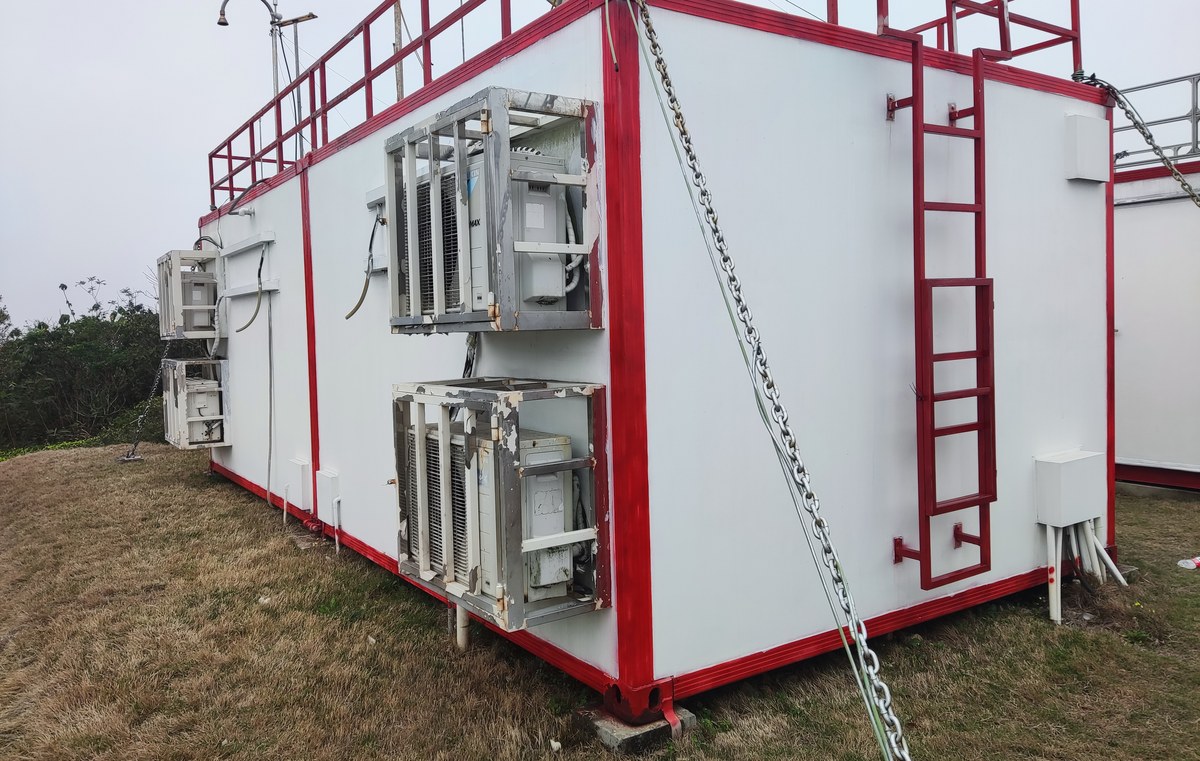 ProductISO Skid Base4–40 t rated, ISO corner castings, certified lugs and the sea-fastening load case on the drawing.EQP-SKIDView product →
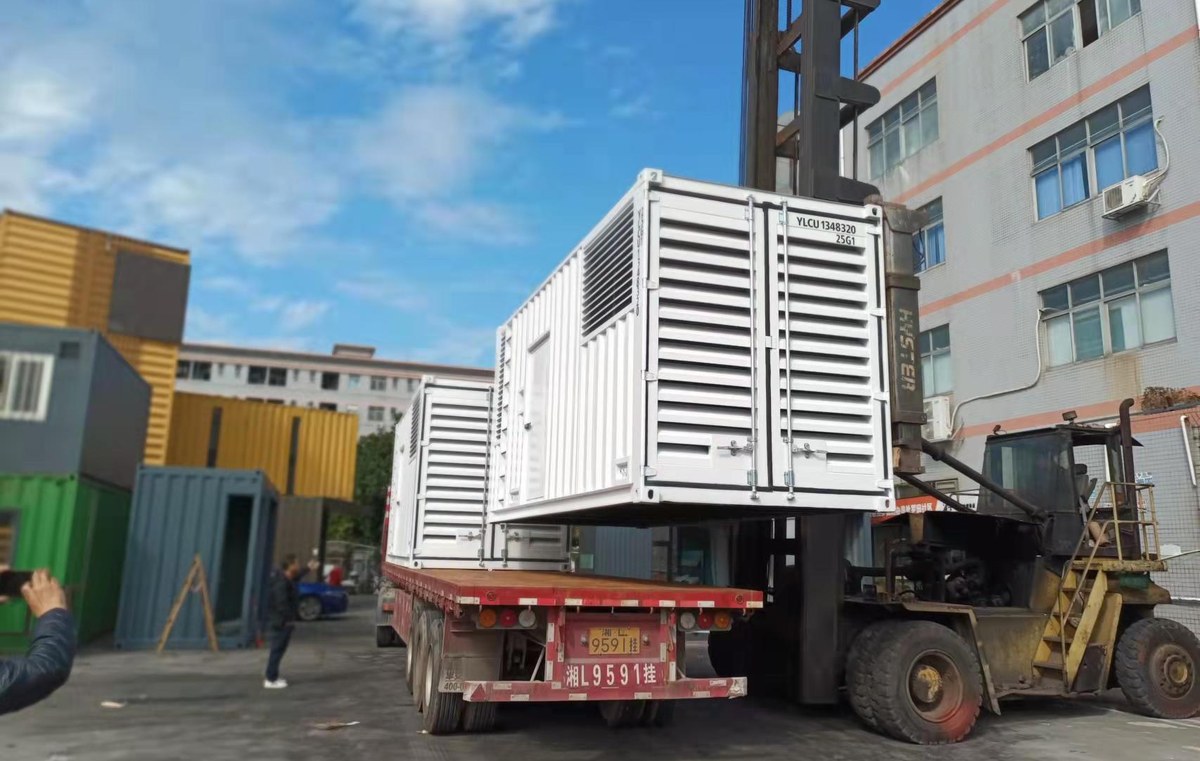 ProductEnclosure HVAC3–25 kW of cooling, louvre free area calculated rather than guessed, ATEX fans where the area is classified.EQP-HVACView product →
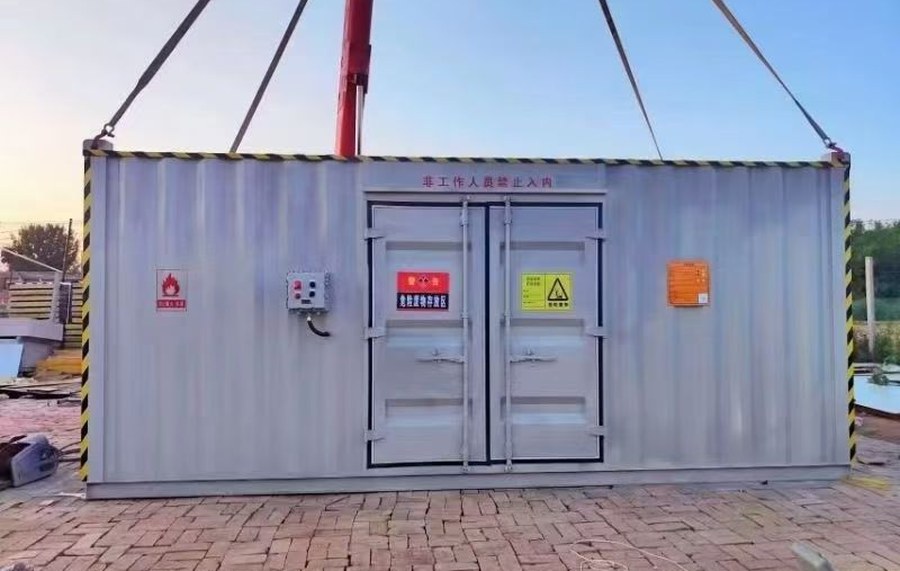 ProductHazardous Waste Store110% integral bund, 6–12 air changes, drum ramp and a signage set that passes inspection.EQP-HAZView product →
An equipment enclosure is a contract about boundaries. Your supplier warrants the battery, the inverter or the switchgear; we warrant the room. The failures happen at the boundary — the cable entry that was not on anybody’s drawing, the heat load that came from a nameplate instead of a datasheet, the fire suppression nobody sized because the box was “just a container”.
So we start from the interfaces: thermal (how many kW have to leave, at what ambient), fire (what the equipment and the insurer require), corrosion (what the site air does to steel in ten years), access (how a technician reaches the part that fails), lifting and transport (whether it travels as freight), and penetrations (cable, pipe, duct, and how many spare ways you want).
Each of those is a line on a drawing with a number beside it. When we quote, you get that drawing. If a number is missing, we ask rather than assume — because the assumption will be wrong in the direction that costs you a refit.
Our standard 10 ft BESS enclosure carries a 5 kW unit, four fixed louvres in the door and six dual fans. That is enough for the battery racks it was designed around, and not enough if you change the racks.
The trap is quoting cooling from the equipment nameplate. A battery rack dissipates a fraction of its rated power as heat, but the fraction depends on C-rate, chemistry and the inverter’s efficiency curve. We size from your actual loss figure, and we write the design ambient on the drawing next to it.
Insulation matters as much as the A/C. Polyurethane fill in the walls and roof, a thermal break at the frame, and a roof coating that stops the box becoming a solar collector. In a 10 ft box there is no volume to buffer a bad decision.
Fire protection is where equipment containers get cheap and then get expensive. A lithium battery fire is not a diesel fire and it is not a paper fire; the agent, the detection logic and the ventilation strategy all change with the chemistry.
We build to the standard your insurer or your market requires — European-standard kits for BESS going into the EU, NFPA-style arrangements for North America, and clean-agent systems for electronics rooms. Cylinders go where they can be weighed and replaced without dismantling the room, and the detection loop is testable from outside.
For a hazardous waste store the requirement is different again: bunded floor, forced ventilation, explosion-relief panels where the classification demands it, and signage that survives a site inspection. That is an environmental approval item, not a nice-to-have.
Our standard finish is RAL 9006 in a three-coat epoxy system to C4 — suitable for industrial and coastal sites with moderate salt exposure. For a quayside or an offshore yard we go to C5-M and change the fixings to stainless.
The details decide it: galvanised frame, drainage that does not run down a door seal, no bare steel where a hinge was welded, and a floor that will not rust through under a leaking battery rack. A container painted inside and out but left with raw edges at every cut-out will fail from the cut-outs.
We tell you which class we are building to, and we do not sell C5 at C4 prices. If your site is 200 m from the sea, say so — the cost difference is small next to replacing a box in year six.
A container leaves the factory with the penetrations it was drawn with. If the site contractor needs one more 4-inch gland, the options are to cut a hole in a finished, painted, insulated box on site — or to delay the project. We ask for the cable schedule before we cut.
Standard practice: split gland plates so cables can be added without disconnecting existing ones, spare ways capped and labelled, pipe penetrations with welded sleeves, an earthing boss at each corner, and lifting points marked with the centre of gravity.
For units that travel as freight, the CSC plate stays valid and the transport configuration is listed — with or without the fire cylinders, with or without batteries. Dangerous goods paperwork is a separate conversation and it is better had before the booking.
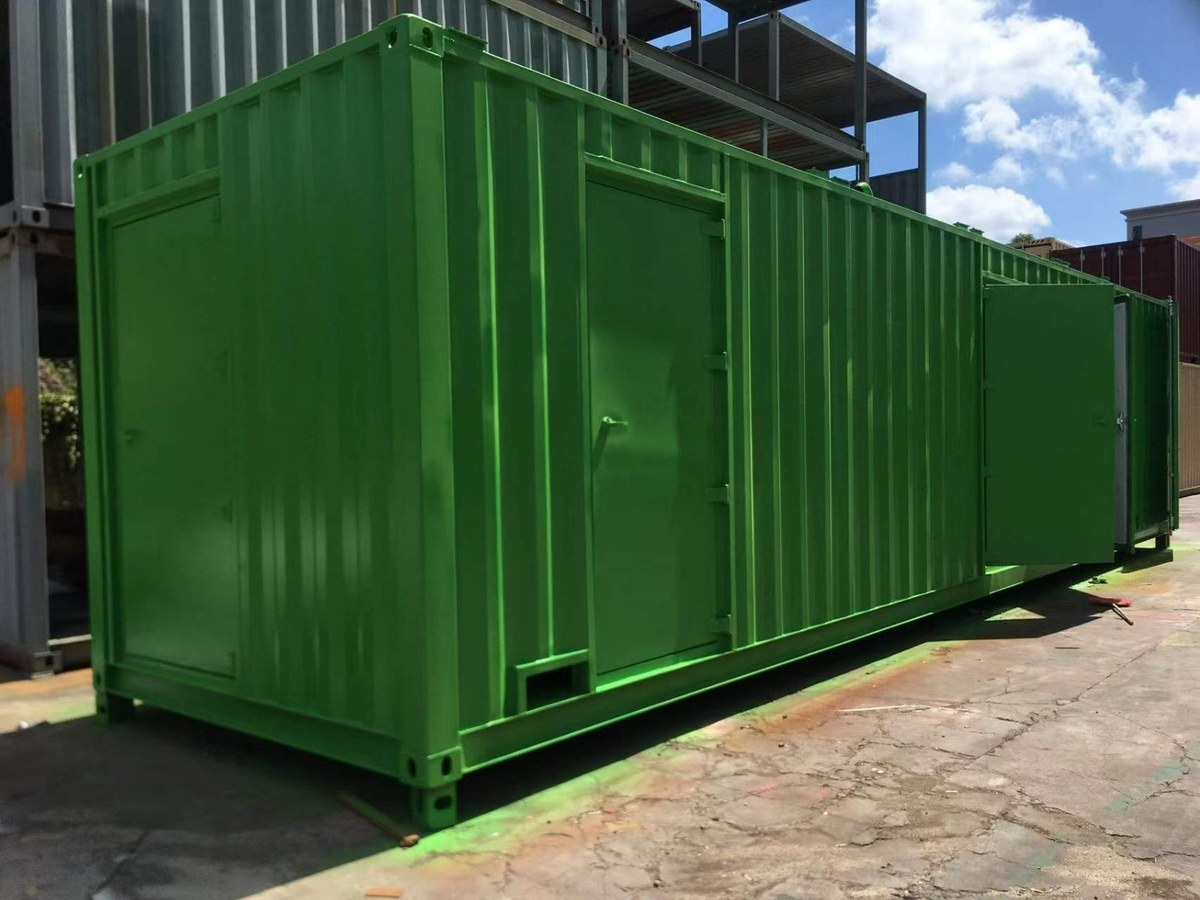
These are the builds we quote most often, not a second product list — the eleven cards above are the products. A build changes the moment your equipment, ambient or classification changes, which is why the price is per project.
| Code | Product | Shell | Thermal / duty | Notes |
|---|---|---|---|---|
| EQP-BESS | Battery storage | 10 / 20 / 40 ft | 5–25 kW cooling · clean agent | C4 standard · 35-day typical build |
| EQP-GEN | Generator & switchgear | 20 / 40 ft | 65–75 dB(A) @ 1 m · 500–2,000 L day tank | Radiator air path calculated on the drawing |
| EQP-WATER | Water treatment | 10 / 20 / 40 ft | 5–50 m³/h · dosing and pumps | Floor sloped 1:100 · wet-tested in the yard |
| EQP-TELECOM | Telecom & edge | 10 / 20 ft | 3–8 kW · 48 V DC plant | IP55 · alarms to your NOC |
| EQP-CTRL | Connection & control | 20 / 40 ft | 3–10 kW split between rooms | Two rooms, sealed wall, cable void |
| EQP-LAB | Laboratory | 20 / 40 ft | 1–4 hoods · 8–15 ACH | Negative pressure −5 to −10 Pa |
| EQP-PUMP | Pump & compressor | 20 / 40 ft | Ventilation only · 1,500 kg/m² floor | Isolated frame · removable roof panel |
| EQP-SHELL | Equipment shell | 10 / 20 / 40 ft | None or 50/100 mm PU | Cut before coating · C4 or C5-M |
| EQP-SKID | ISO skid base | 10 / 20 / 40 ft ISO | 4–40 t static | Sea fastening at 2 g · certified lugs |
| EQP-HVAC | Enclosure HVAC | Fitted system | 3–25 kW · 500–20,000 m³/h | Free area stated · ATEX on request |
| EQP-HAZ | Hazardous store | 10 / 20 ft | 110% integral bund · 6–12 ACH | Signage set and drum ramp included |
Every product is quoted against your equipment drawing. We list what we need from the equipment supplier before we can price it, so the first quote is not a placeholder. Options priced separately: acoustic lining, ATEX fans, fire-rated walls, C5-M coating, UPS, cameras.
Photographed in our yard and on customer sites. Not a render in the set — if you want to see a box like yours, ask and we will send the closest one we have built.
Battery storage — customer siteContainers on a pad, cabled and commissioned.EQP-BESSGenerator & switchgearLouvred air path, acoustic shell, switchgear inside.EQP-GENLaboratory containerGlazed front, extract ducted to atmosphere.EQP-LABHazardous waste storeBunded, ventilated, signage set fitted.EQP-HAZTelecom shelterDedicated A/C, DC power, environmental alarm.EQP-TELECOMPump houseLouvred front, removable roof, isolated frame.EQP-PUMPWe are not the OEM of the battery, the switchgear or the genset — and that is an advantage: you keep your supplier’s warranty and we quote only the room around it.
Quotation terms: quoted per project against the equipment drawing. The equipment itself (battery, switchgear, genset, process unit) is supplied by your OEM or sourced as a named make and quoted separately.
Equipment make and model, heat loss in kW, ingress and fire classification, corrosion class, voltage and cable schedule. If you only have a datasheet, send that and we will work from it.