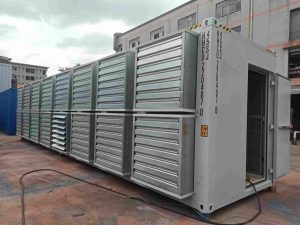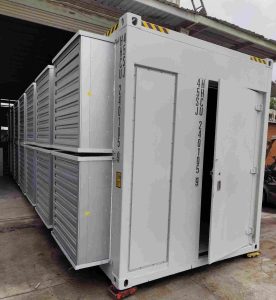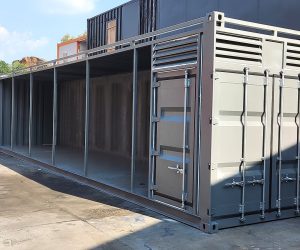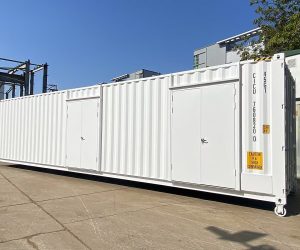
The message says several miners are running hot. Attached is a photograph of the container and a screenshot of the miner dashboard. Where would you look next?
There isn’t enough information to blame recirculation yet. The screenshot concerns the machines; it says little about the air reaching them. Even the photograph may leave out the wall behind the discharge or the stack of materials beside the intake. Before asking for a fan adjustment, the buyer needs to connect those separate views of the problem.
The following is a hypothetical troubleshooting example, not an account of an ACTBOXES installation. It follows a wind-related symptom through the observations that would support, weaken or change an initial explanation. Numerical limits and any physical work still belong to the delivered unit’s approved drawings and operating procedures.
Suppose the complaint is intermittent: several miners appear warmer during one part of the day. An operator also notices a wind change. A tempting entry in the log would be “wind caused overheating,” but that sentence skips the question the team has to answer.
What changed at the intake? If nobody measured there, the wind observation and the equipment alert remain two events with an unknown relationship. Return to the installed layout and choose accessible observation points outside the intake, near the discharge and at representative equipment positions. Give each point a label that another person can find. A reading described only as “inside” won’t be useful when someone tries to repeat it on the next shift.
For this example, call the outside intake point A and one equipment position B. These are labels, not recommended sensor locations. The approved site procedure determines where a person can safely measure. Keep the instrument and position consistent on later rounds, and keep air measurements separate from miner telemetry in the record.
Now suppose A becomes warmer during the wind change and B follows while the load and displayed fan state appear similar. That’s a reason to examine the outside route from discharge to intake. Before leaving the log, though, check what ‘similar’ means here. Was the load observed throughout, or only when somebody took the screenshot? Was an ambient reading available for both periods? If those details are missing, leave them missing in the record and collect them on the next visit. An assumption entered as a measurement would make the comparison look stronger than it is.
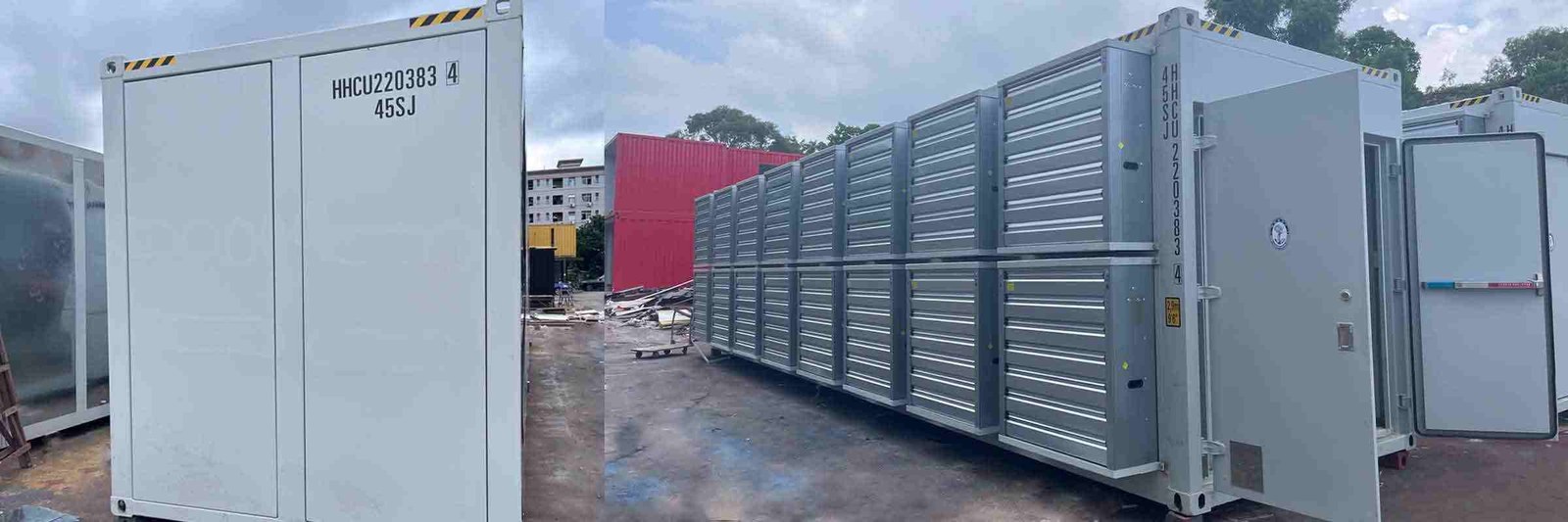
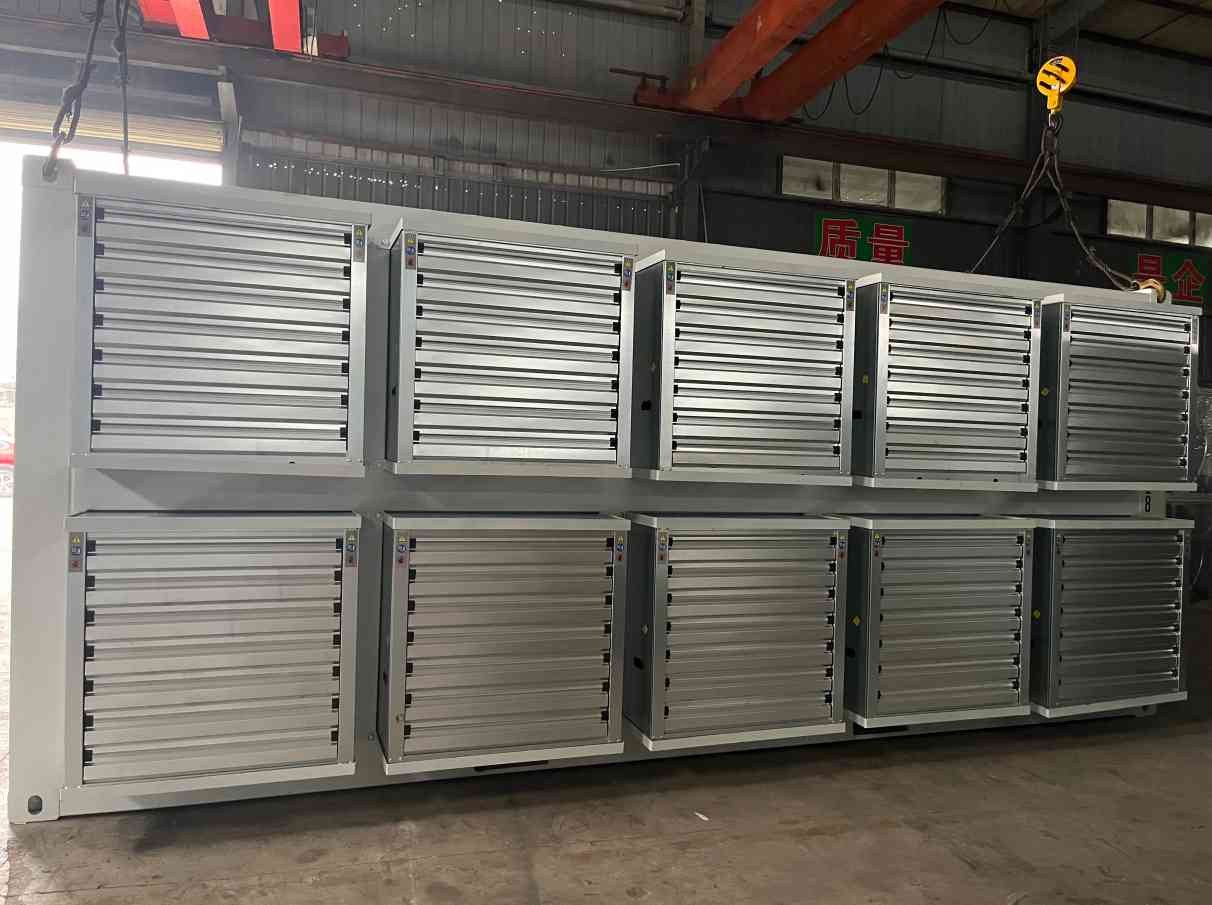
A grille close-up leaves the supplier guessing what lies outside the frame. Step back to a safe viewpoint for a photograph that locates the openings relative to nearby structures, then mark its direction on the layout. Number the views so the reviewer can match each one to the drawing. Add any temporary objects the drawing omits.
The stack mentioned at the beginning would belong on that annotated layout. For this example, suppose nobody knows when it arrived; its location can be reviewed, but the timing cannot explain when the complaint began.
A later visit could send the investigation in another direction: A stays steady as the wind shifts, yet B remains warmer than the other sampled positions. Compare that visit with the earlier log before returning to the fence. What differs at B is now the question worth following.
At B, the drawing gives you a way to describe differences. Is a panel, screen or nearby object arranged differently from the comparable positions? Is there visible dust loading, moisture, damage or blockage? A filter can look present and still need service. Inspection and maintenance should follow its manufacturer’s instructions; removing it for a trial would change the configuration being investigated.
ACTBOXES product material describes evaporative cooling pads with dust filtration for some hot-site applications, and an air hood with a dust filter for wetter or snowy conditions. Check which arrangement was actually supplied. Those descriptions explain why configurations differ; they don’t authorize a field conversion when the weather changes.
B is a place on the layout, whereas the miner has its own identity. This distinction becomes useful if an exchange happens during normal, authorized maintenance. Label the machine and its original location in that record before following the symptom afterward. A different miner running warm at B raises a different question from the original miner running warm in its new position. Without the identities, the note ‘we swapped it’ cannot tell the reviewer which occurred. No exchange is needed solely to complete this example if site procedures don’t permit one.
The controls deserve the same care. A displayed fan command records what the control system is asking for, not a measured quantity of air at an opening. Keep the command, alarms and transitions together when referring a possible control issue to the supplier. Raising the setting before capturing that history may make the original symptom harder to investigate.
Return to the stack of materials. Suppose the responsible site team approves clearing it in accordance with the layout. The log now needs the time of that action and another set of readings at the original points. If filter service is due as well, the team has a choice to document. Doing both jobs may be necessary, but the subsequent comparison will concern both changes together. It won’t isolate the effect of clearing the stack.
A cooler reading at A after the work may arrive on a day when the wind has reversed. Save it, but schedule another safe observation in comparable conditions: the wind associated with the complaint hasn’t been checked again.
An alert that persists on one miner still needs its own follow-up, even after an improvement at the intake. Refer back to the machine identity and maintenance history.
The open question in this example is quite narrow: will the original intake pattern return under the same wind condition after the approved clearing work? Refer the supplier to the visits that bear on that question, including the follow-up made in different weather.
Put the model, serial identification and drawing revision at the front of the request. Then group photographs, alarms and control records under their respective visits. The log should also reveal any intervening maintenance, rather than leaving the reviewer to discover it in a separate service file.
For an ACTBOXES 20GP air-cooled mining container or 40HC air-cooled mining container, ask for the drawings and operating documents that match your unit. Other configurations appear in the mining-container range. Avoid borrowing a clearance or setting from a different model just because the openings look similar.
Does a high miner temperature confirm hot-air recirculation?
No. The dashboard concerns the miner at the sensor’s location. In the example, the missing information was initially the intake reading. Collecting it made it possible to compare the outside change with the machine’s behavior; a high miner reading alone couldn’t make that comparison.
Which changes require supplier or site-team guidance?
Refer fan adjustments and layout changes to the approved operating procedure and responsible team. This example authorizes no work on energized equipment, bypassed guards or overridden controls.