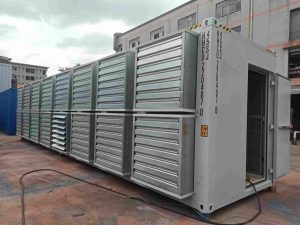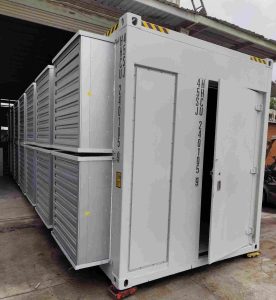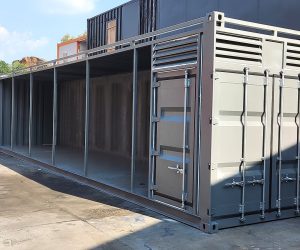
A handover folder can hold many reports and still leave a buyer uncertain about one delivered unit: which checks happened, where did they stop, and what remains open? A short evidence index makes those boundaries visible. Each entry ties a check to the unit, the drawing or procedure that governed it, the result and the underlying record. This is especially useful when factory work is complete but a site connection is unavailable, or when a correction still needs a retest.
The contract, approved drawings, equipment documents and local requirements determine the checks and acceptance limits. ACTBOXES’ public page for its Texas Global Digital Currency Container Data Center System reports a deployment of 13 data center container houses and describes cooling systems, redundant power supplies and security measures. The page does not provide a commissioning protocol or test results that apply to another project.
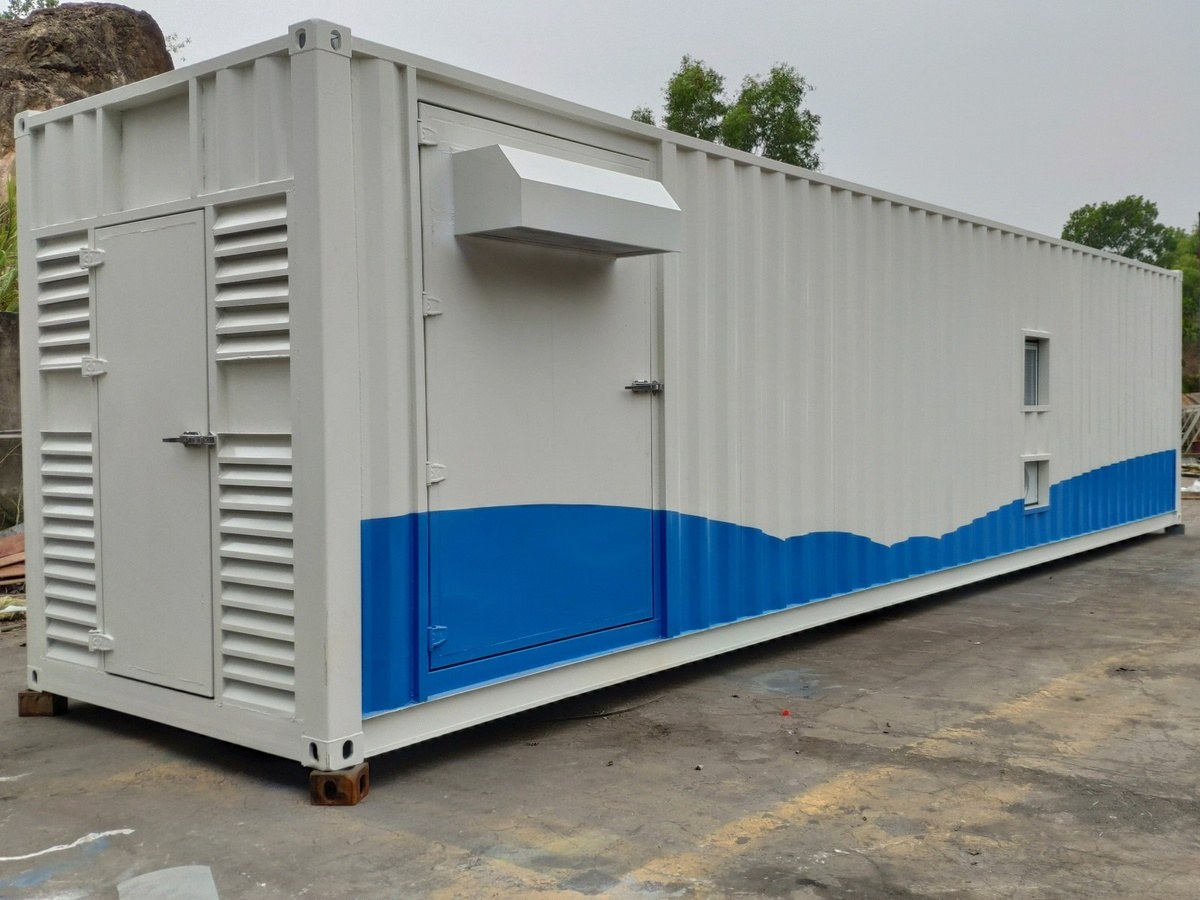
Consider a hypothetical project in which a container arrives with a factory electrical record marked complete, but the customer network is not ready at site. Later, the network connection becomes available and a functional check identifies an item that must be corrected and retested. A single “commissioned” label would hide the difference between those events. An index can preserve the sequence without claiming that any event occurred on a real ACTBOXES deployment.
Open the factory report first. Can you match it to the unit that arrived? A container tag on the equipment schedule might be enough to make the connection, provided the report uses that same tag. If it uses a serial number instead, the handover records need to show the relationship. Otherwise the reader is being asked to assume that a sound test result belongs to this particular container.
The drawing revision matters just as much. A test can be genuine and still describe an earlier arrangement. If the delivered unit changed after the check, the reviewer needs the change record and its disposition before deciding what the original result supports. Replacing the old drawing in the folder doesn’t answer that question.
In this example, the factory electrical record belongs to the factory stage. It should state what was checked, which method and revision were used, when the check took place, who participated, the observed result and any deviation. “Factory continuity check witnessed” describes the activity and its stage more clearly than a bare “electrical pass.” If a customer witness was required but did not attend, the record should say so; it should not imply customer approval.
At site, picture the buyer opening the network entry and finding a blank result. Was the test forgotten, postponed or performed without a report? In this example it couldn’t proceed because the customer’s connection was unavailable. Write that reason into the entry, with ‘blocked’ or ‘not tested’ as the status. Naming who will arrange the connection also tells the commissioning team whom to contact before scheduling another visit.
A local supplier-side function check may have been possible in the meantime. Keep it. Just describe its endpoints and conditions so the reader can see where it stopped. The buyer should not have to discover from an attachment that a result described as “network complete” never included the customer’s network.
Try opening the evidence reference without help from the person who assembled the folder. If it leads to several versions of the network form, which one supports the entry? Put that file and revision in the index. Keep the detailed readings in the form itself; copying them into a second document creates another place to update whenever the record changes.
The same reasoning applies to an unavailable power source, cooling service or other customer-provided connection. Compare the entry with the agreed interface matrix. A visual installation review may have taken place while a functional test waits for the necessary service and qualified personnel. Preserve both facts instead of choosing whichever status looks closer to completion.
Now return to the hypothetical network check after the site connection becomes available. Suppose the check identifies an issue. Give that finding an open-item reference and retain the result under it. The correction record should point back to the same item, so the buyer can follow the reason for the work.
There is still a gap between “corrected” and “verified.” The former says someone performed the work. The latter needs the agreed retest evidence. Until that evidence and the required disposition are available, changing the index to closed would hide the outstanding step.
A retest can also create a document question. Suppose the method has been revised since the first check. Include both revision references and explain which was used for each event, with the approval required by the project. Don’t relabel the first report with the newer revision. The reviewer needs to judge the actual sequence, including any changed condition, to decide whether the later evidence closes the original finding.
The failed form still has a job after closure. Months later, an operator investigating a similar complaint might search for what was repaired previously. Link the old finding to the correction and final retest instead of replacing the file at the original reference. This preserves the explanation for the work without asking a later reader to contact everyone who attended the first check.
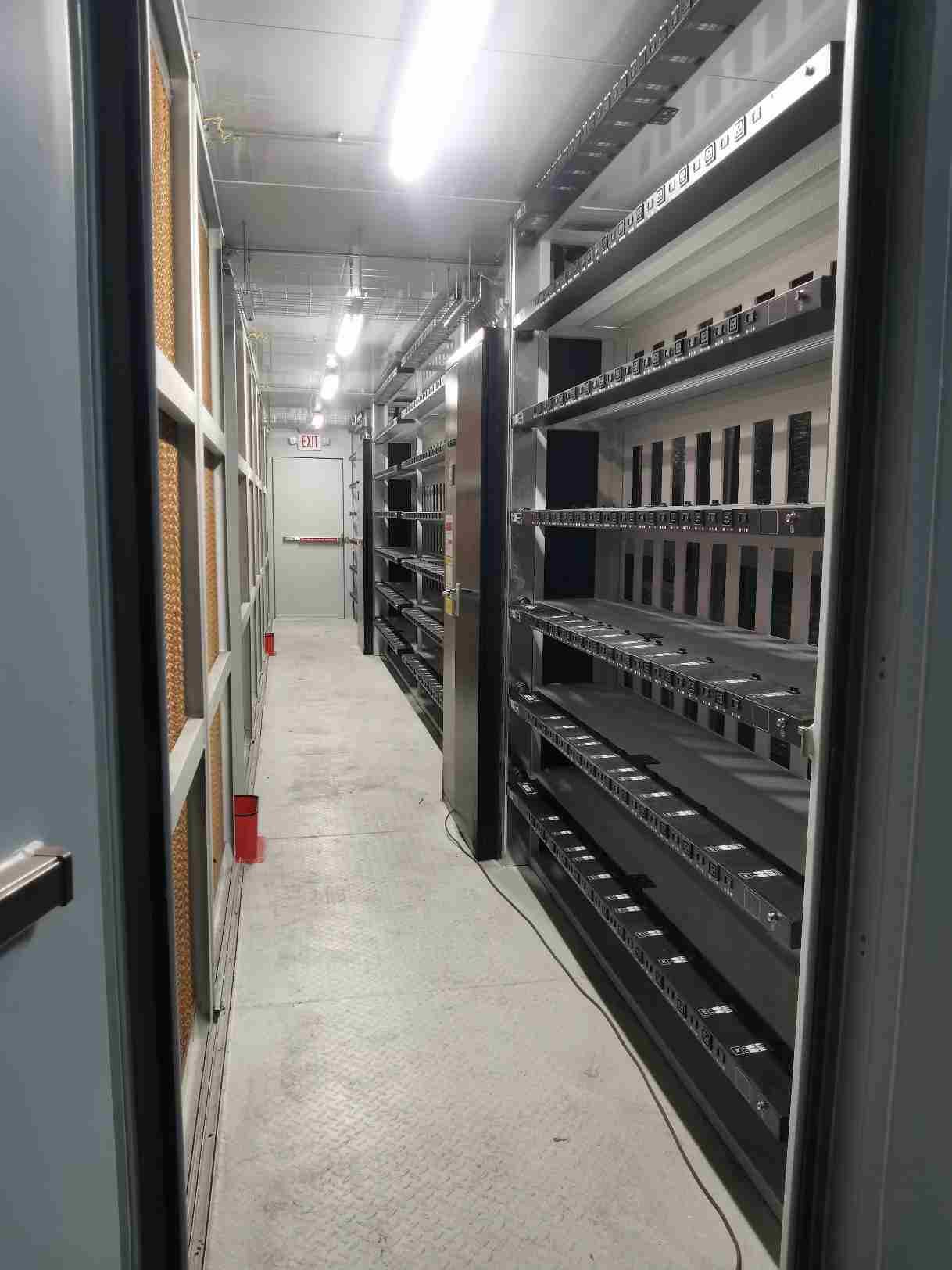
Try reading the example backward from its final retest. The retest reference should take you to the open item, which explains the correction; the earlier site entry explains why that test had first been postponed. The factory report sits alongside these records under the same container identity. Dates, stages, test names and governing revisions prevent the reader from mistaking one event for another. This is a practical check on the index before handing it to someone who wasn’t present.
Use explicit statuses. ‘Pass’ means the defined check met its agreed criterion. ‘Fail’ records a result that did not. Attendance is a separate question. A pass recorded by the test team doesn’t tell you whether the required customer witness attended. Read the attendance record as well, and refer an absence to whoever is responsible for the contractual disposition. A technical result cannot supply a missing person’s approval.
The owner field needs to be specific enough to act on. ‘Customer’ may identify a contractual party but still leave a scheduling question unanswered. Where the project has agreed a responsible contact or role, use it. Alongside that entry, say what must happen next, such as making the missing network connection available before the dependent check.
A certificate belongs in the package when it supports the contracted scope. It does not fill a missing site test merely because it looks more formal than the test sheet. Ask what a claim of compliance actually refers to: a component, the delivered assembly or a project requirement? Retain the named requirement, jurisdiction and supporting evidence with the claim, rather than extending the certificate’s meaning to work it doesn’t describe.
Before the acceptance meeting, open the network item once more. Is the correction there? Is the linked retest there? Has the required disposition been recorded? Those are separate checks on the file, even when one person reports them all as ‘done.’ Any conditional handover must follow the contract, with the condition and follow-up date recorded. Where the missing result is required for acceptance, leave the affected item pending.
An operator has a different reason for opening the folder. They may want the maintenance instruction for the installed model, an alarm reference or the warranty contact. Check that those files and the approved as-built drawings are easy to identify. Include training records and spare-parts information where contracted. Leaving the operator two apparently current manuals creates another unresolved choice, even if the commissioning forms are complete.
Buyers discussing the ACTBOXES container data center product or broader AIDC product line can use this evidence structure during scope review. The Texas project page remains context about that specific company-reported deployment; it does not establish tests, results or performance for a new installation. Ask for the check plan and handover records that apply to the selected configuration and contract.
Does a factory certificate prove site acceptance?
No. It documents only the factory scope and conditions. Site connections or customer systems may need separate checks under the contract.
How should an unavailable interface be recorded?
State which connection is missing and which check it prevents. Mark that check as blocked or not tested, with an owner and prerequisite for restarting. Keep any narrower local test under its own description.
What closes a failed check?
Keep the initial finding, document the correction and add a linked retest using the agreed method and limit. Close it only after the required evidence and disposition are recorded.
Can a project case establish results for another site?
No. A case page describes a particular company-reported project. A new site needs its own approved drawings, test plan, acceptance limits and handover records.