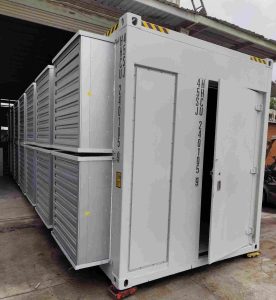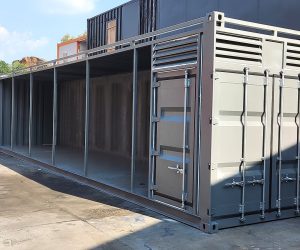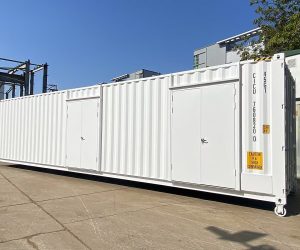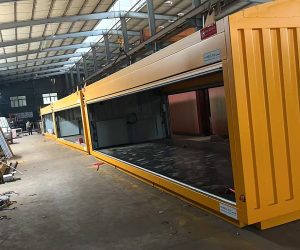
A containerized data center can look finished long before the project is ready to move it. A quotation may show a shell, racks, power equipment and cooling, while the difficult questions sit at the boundary: which drawing is frozen, which tests are complete, how will the module be lifted, and what remains with the site team? A useful pre-shipment review makes those boundaries visible before the unit leaves the factory.
The current ACTBOXES AIDC page describes a three-tier product range that includes complete halls, edge nodes, clusters, campuses and function modules. It also describes a 40-foot high-cube shell with load-tested lifting points and a marked centre of gravity, plus yard testing with the box energised. Those are useful starting points for a shipping review, but they do not replace the project drawing, the route study or the live quotation. The buyer should confirm the selected configuration and the evidence for that specific module.
Freeze the configuration before checking the shipment
The first document to review is the released layout, not the packing list. The AIDC page says the first-pass price is prepared against a layout and that the configuration is frozen before the price is held. That sequence matters because a late rack, UPS, battery or cooling change can alter weight, heat rejection, cable routes and lifting conditions.
Compare the released layout with the latest equipment schedule. Check the rack count, IT load, GPU or other high-density share, power path, cooling path, suppression arrangement and monitoring handoff. If the project uses a complete 40-foot template, the page gives seven racks, fourteen servers, a 400 kVA online UPS, fifteen minutes of full-load battery, ATS dual feed, seven in-row units and NH-200 clean-agent suppression as current template details. Treat them as configuration references. The shipping set should show the values that apply to the ordered module.
Keep approved changes and open decisions in separate lists. A site team may still be deciding the chiller connection or network handoff while the factory is preparing the module. Marking that item open is safer than allowing a draft assumption to appear as a completed factory feature.
Match the module identity to every record
A pre-shipment file is only useful when the buyer can tell which unit it describes. Use one module identity across the released drawing, equipment schedule, test records, packing list, photographs and shipping documents. The identity can be a container number, project tag or another agreed reference, but it should be consistent.
Check that the document revision is visible. A test report tied to an earlier layout may still be genuine, but it cannot silently prove the final configuration. Record the drawing revision, test date, witness status and any open item. If a supplier has issued a replacement component or changed the cable route, ask which record was superseded and where the revised result is filed.
This discipline also helps with modular clusters. When several modules share a power, cooling, fire or monitoring function, label the shared boundary and the module that carries the equipment. Repeating an edge unit does not prove that the campus-level connection is ready for shipment.
Review shell, lifting and transport assumptions
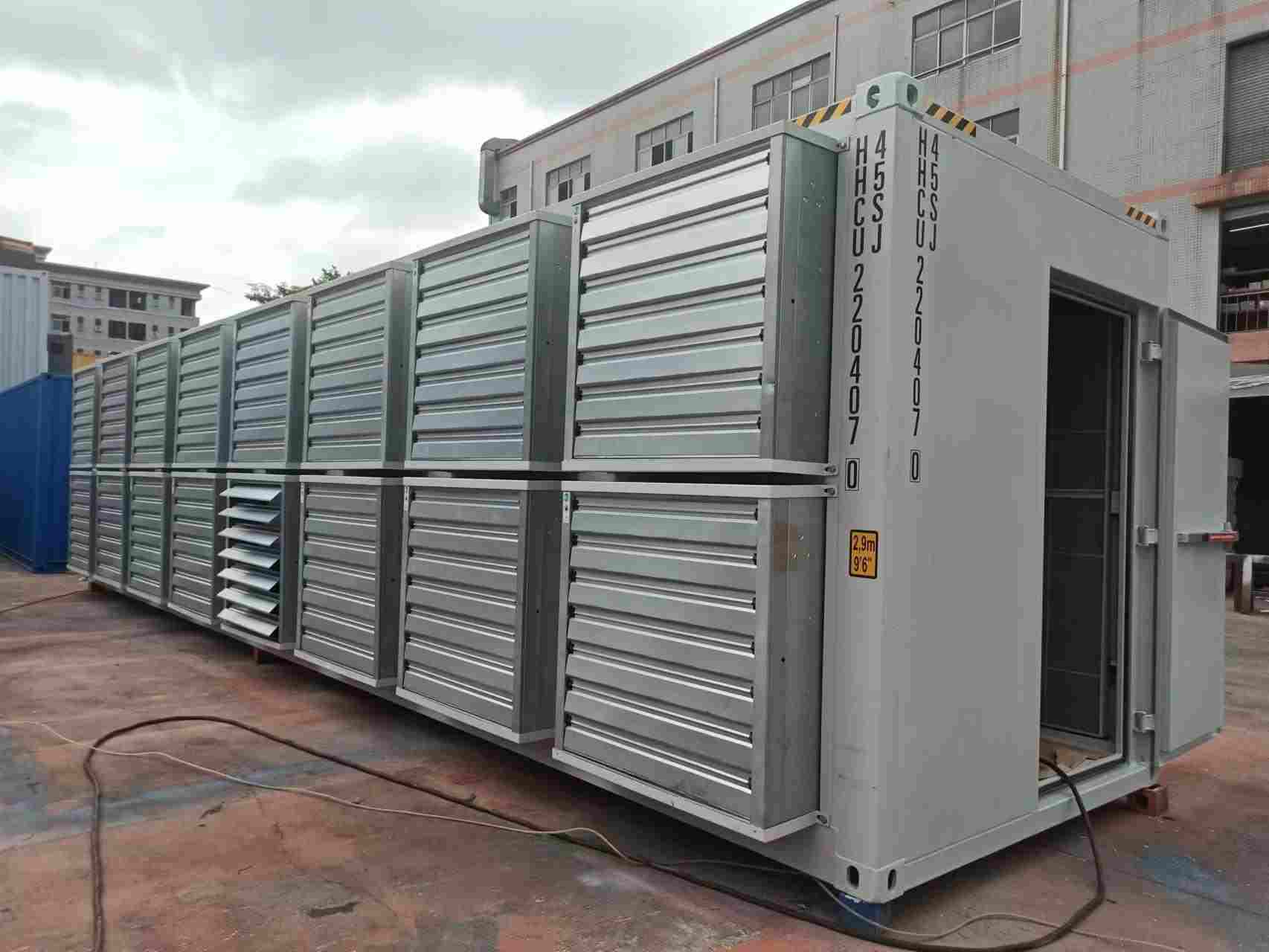
The shell is part of the transport plan. ACTBOXES describes a CSC-certified 40-foot high-cube shell, thermal lining, sealed floor, destination-specific paint, load-tested lifting points and a marked centre of gravity. Confirm which of these items apply to the selected module and transport state. A battery or outdoor chiller that travels separately can change the lifting and delivery picture.
Ask for the module dimensions, shipping weight, lifting points, centre-of-gravity mark and any restrictions on lifting or stacking. Confirm whether doors, louvers, external pipework or temporary covers change the transport envelope. The route should be checked against the actual height and width, turning space, bridge limits, delivery hours and crane access. A generic container length is not a route study.
The buyer should also state who supplies the crane, spreader, rigging, traffic control and temporary protection. If these items are outside the supplier’s price, they belong in the project responsibility matrix. The AIDC page separates freight, duties, foundation, utility connection and on-site commissioning unless they are listed. Use the live quotation to confirm which party owns each cost and activity.
Use factory tests to close the right boundary
A factory test answers a factory question. It does not automatically answer a site question. The AIDC page describes yard testing with the box energised, local display, dry contacts or Modbus and NH-200 clean-agent suppression. Ask the supplier to identify which tests were performed on the ordered configuration, which were witnessed, and which depend on a customer interface that does not exist at the factory.
For the power path, review the utility input, changeover, UPS, battery, branch protection and control signals that are included in the test. For cooling, identify whether the test covers the in-row equipment, liquid connection, outdoor chiller or only the internal controls. For fire and monitoring, record the alarm points, dry contacts, Modbus mapping and any discharge or integration boundary that remains for site.
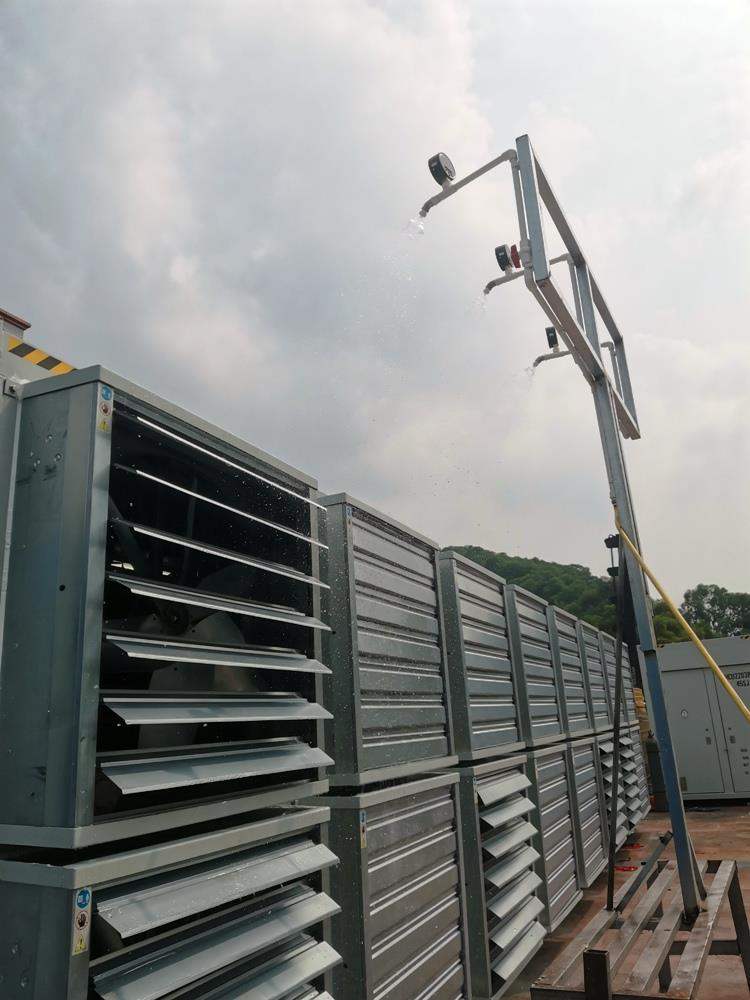
A rain test can show how the enclosure behaves under the test method used by the supplier. It does not certify every joint that the site team will create later. Keep the method, date, result, observed deviation and retest reference together with the module identity.
Separate factory completion from site readiness
Before shipment, make two checklists. The first covers work the supplier can complete and record at the factory. The second covers dependencies that only the site can provide.
Factory-side items may include the released layout, equipment schedule, labels, internal cabling, configured controls, enclosure inspection, lifting marks, packing list and applicable test records. Site-side items may include the foundation, utility connection, external chiller or generator, network handoff, crane access, local approvals and final commissioning.
The split protects both sides of the project. A module can be ready to ship while the foundation is still being built. A factory report can be complete while the customer BMS is not connected. The handover language should preserve those facts instead of collapsing them into “ready” or “commissioned.”
Turn the review into a shipping release note
A practical release note can be short. Ask it to identify:
The module tag, project name, drawing revision and ordered configuration.
Shipping dimensions, weight, lifting points, centre of gravity and route assumptions.
The equipment and interfaces included in the factory scope.
Factory tests completed, witness status, deviations and retests.
Open site dependencies for foundation, freight, duties, utility, cooling, network and commissioning.
The documents that travel with the module and the documents to be completed after arrival.
The AIDC page states that the indicative timing is 50 days after drawing release and deposit. Treat that as a point to confirm in the live quotation, together with the selected configuration, exclusions and delivery boundary. A release note should never turn an indicative page statement into a guaranteed project date.
Buyers can review the ACTBOXES AIDC containerized data center range and the container data center product page before freezing the shipping set. Send unresolved scope and interface questions through the ACTBOXES contact page so the release boundary is visible in the quotation.
Conclusion
The right pre-shipment review connects one module identity to one released configuration, one transport plan and one set of factory records. Shell and lifting assumptions must match the actual transport state. Factory tests must be separated from site dependencies. Freight, foundation, utilities, cooling, network and commissioning responsibilities should be named before the unit moves. That record gives the buyer a clear release decision without treating a finished-looking container as a finished project.
FAQs
Does a factory test prove that the site is ready?
No. It records the factory scope and conditions. Foundations, utility connections, external cooling, network interfaces and local approvals may still require separate site checks.
What should be matched to the shipping module identity?
Match the released drawing, equipment schedule, test records, packing list, photographs and shipping documents to the same project or module reference and revision.
Are freight and on-site commissioning included automatically?
No. The current AIDC page separates freight, duties, foundation, utility connection and on-site commissioning unless they are listed. Confirm the live quotation and responsibility matrix.
Can a battery or chiller be shipped separately?
The transport state should be confirmed in the selected configuration. If a battery or chiller travels separately, recheck lifting, route, interfaces, protection and the responsibility for site connection.