


What it is for
A skid is the difference between equipment that ships as freight and equipment that ships as a problem. It has to carry the load, be liftable by a reach stacker, survive a sea crossing, and be something a surveyor will sign off.
We build skid bases and lifting frames with ISO corner castings, certified lifting lugs and a stated load rating, designed for the transport configuration that will actually be used — including the tie-down points for sea fastening.
The common failure is a frame designed only for static load. A container in a seaway sees accelerations a static calculation never considers, and a skid that was “strong enough” arrives with a bent frame and an insurance claim.
Where it is typically used
Key specifications
| Rating | 4–40 t static, stated with the calculation |
| Frame | Welded steel, blasted and coated; galvanised on request |
| Corners | ISO 1161 corner castings, four or eight depending on the frame |
| Lifting | Certified lugs or corner-casting lift, with the centre of gravity marked |
| Sea fastening | Tie-down points at a stated pattern, designed for 2 g longitudinal |
| Deck | Open frame, chequer plate or timber deck |
| Bunding | Optional drip tray or full bund, sealed and drained |
| Envelope | 10, 20 or 40 ft ISO, or a custom footprint |
| Coating | C4 standard, C5-M on request |
| Documentation | Load calculation, lifting certificate and coating report |
| Build time | 10–20 days depending on the frame |
Figures are for the standard configuration and change with the project. Values are design values; acceptance follows the contract technical agreement.
What goes in the box
Installed, wired and tested before dispatch. On site the work is placement and external connections.
Welded steel designed for the load case and the transport case, not just the static one.
Cast or fabricated corner castings to ISO 1161, so any handler can lift it.
Lugs or corner lift, certified, with the sling angles stated.
A stated pattern of points for sea fastening, with the design acceleration on the drawing.
Chequer plate, timber or open, with an optional sealed drip tray.
Load calculation and lifting certificate issued with the unit.
Which model to take
| Model | Envelope | Rating | Deck | Use |
|---|---|---|---|---|
| EQ-SKID-10 | 10 ft ISO | 8 t | Open or plate | Small skid or pump set |
| EQ-SKID-20 | 20 ft ISO | 20 t | Plate | Transformer, genset |
| EQ-SKID-40 | 40 ft ISO | 40 t | Plate | Process skid, tank |
| EQ-SKID-C | Custom footprint | To calculation | To spec | Oversize or odd shapes |
Standard models are listed. Other capacities are built to order, with two to three weeks added to the standard lead time.
Design for the sea crossing, not for the yard
Static load is half the calculation
A container in a seaway is designed for accelerations in the order of 2 g longitudinally and 1 g vertically, depending on the stow position and the route. A frame designed only for its own weight will deform under that, and the deformation does not come out.
So the tie-down pattern and the accelerations go on the drawing, and the frame is checked against them rather than against a stack of assumptions.
The lift is where people get hurt
Lifting lugs are only as good as their certification and the sling angle assumed in the design. We state the angle, mark the centre of gravity and issue the certificate, because the lift happens once and there is no second chance.
Corner castings are the other route: any handler in the world can lift an ISO frame, and no rigger has to guess.
When to use it, when not to
These come from projects rather than general advice. Match your case against them; it is more useful than reading the specification table.
That is what an ISO skid is for.
No foundation to break out.
We issue the load case and the tie-down pattern.
A skid adds cost without adding value.
That is the trailer-mounted product, not a static skid.
From contract to energisation
Equipment weight and centre of gravity, envelope, lifting method, transport route.
Frame calculation and drawing in 5–7 days.
Drawing release and deposit; steel ordered.
10–20 days: cut, weld, blast, coat, certify.
Load calculation, lifting certificate, coating report and markings.
On site and in detail
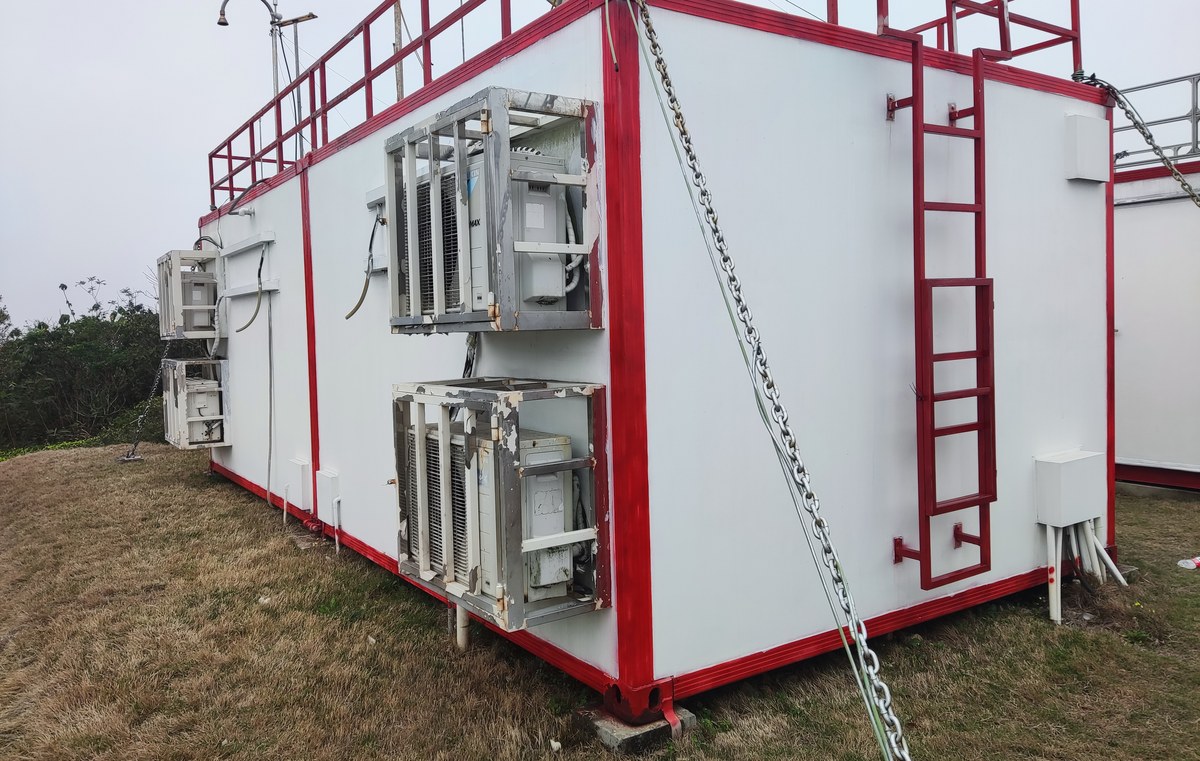
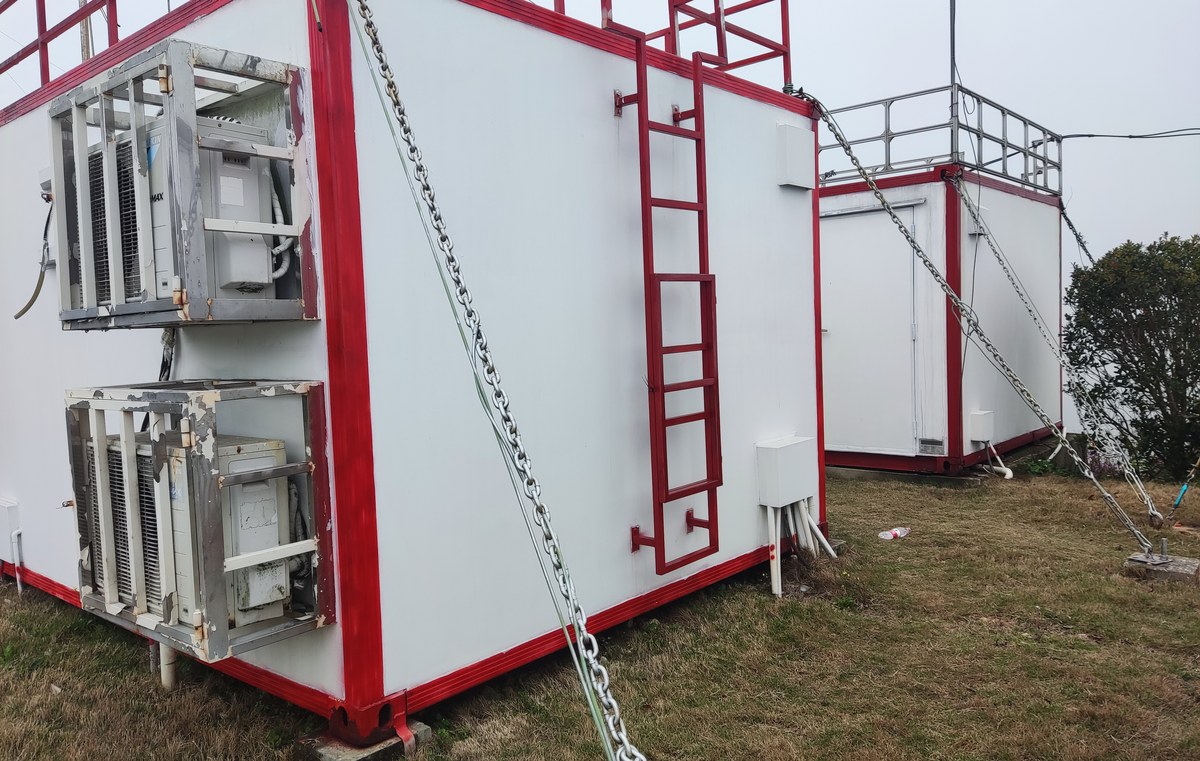
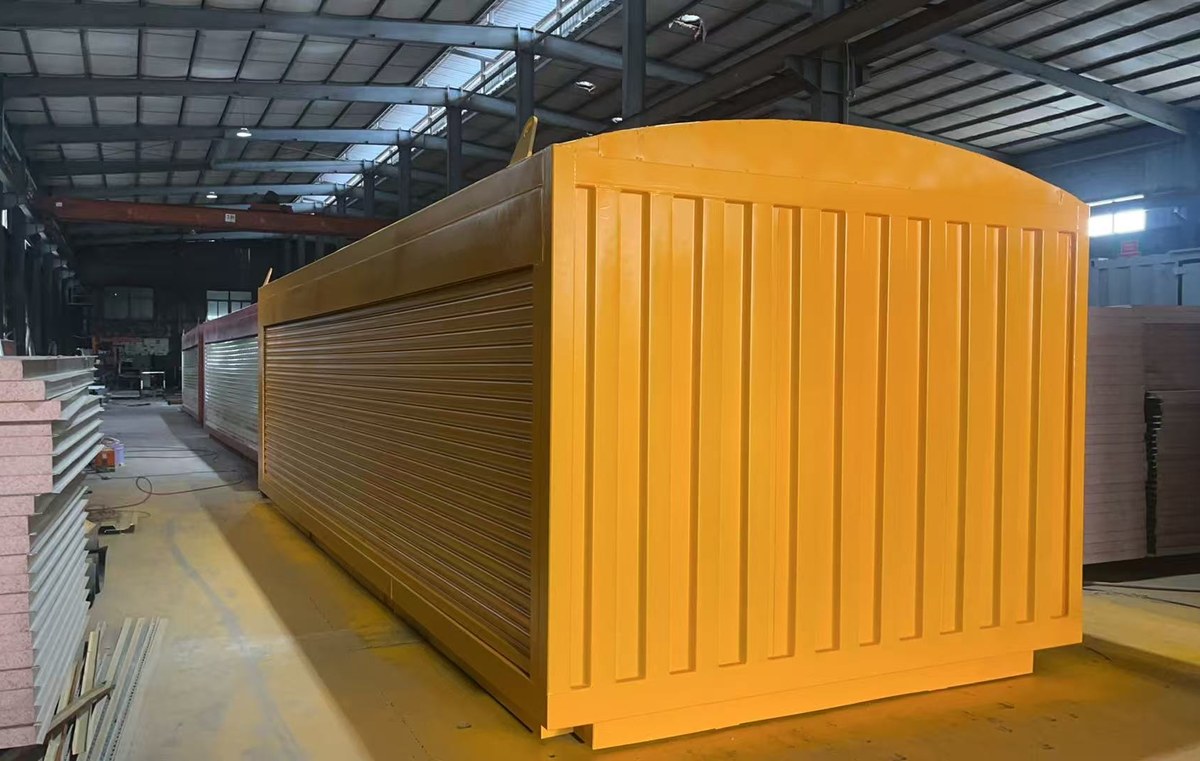
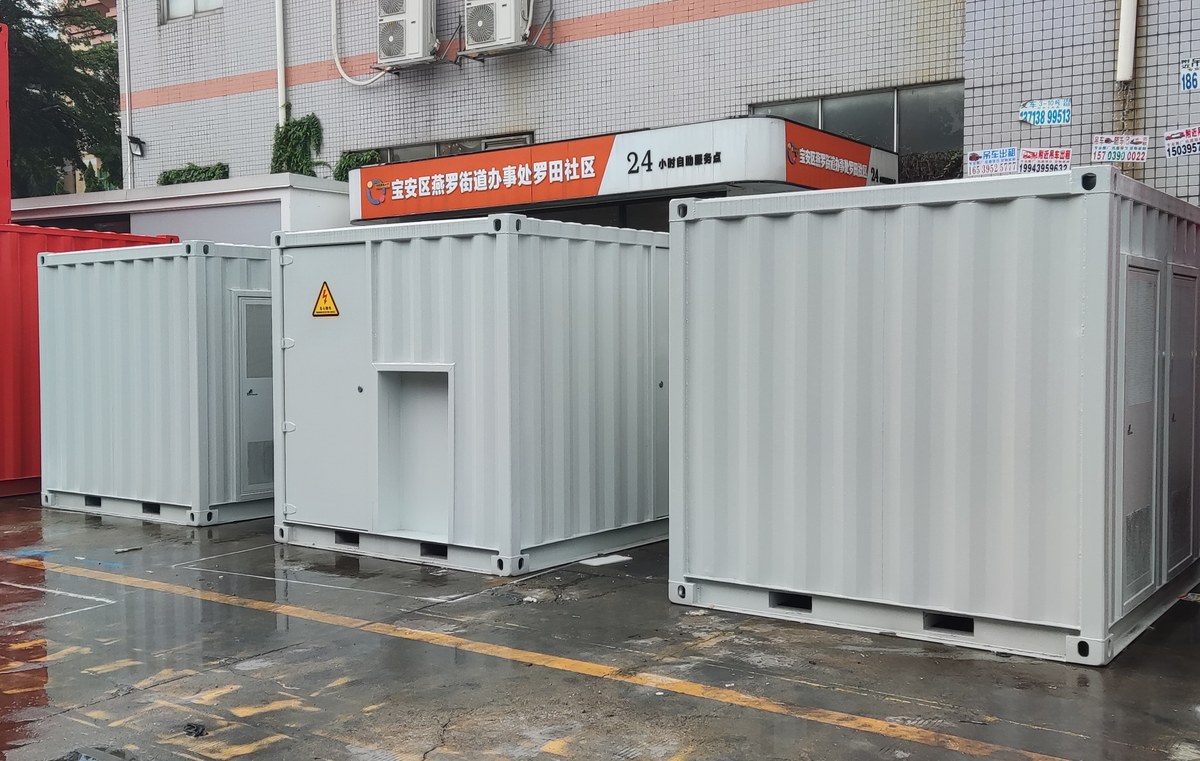
Some images are scheme illustrations and renders showing structure and layout. Final delivery follows the contract drawings.
What customers ask most
Do you provide a lifting certificate?
Yes, with the load case and the sling angles stated. It is issued with the frame, not afterwards.
Can the skid be galvanised?
Yes, hot-dip galvanised after fabrication. It is the right choice for coastal and offshore sites.
What if our equipment changes weight?
Tell us before the frame is welded. After welding the calculation is a rework, and we will quote it as one.
Is a bund available?
Yes, a sealed drip tray or a full bund with a drain valve. For oil-filled equipment it is usually a requirement, not an option.
Can it stack?
Only if designed for it, and stacking is a different load case. Say so at enquiry, not after delivery.
Ask for a scheme for your site
Send the capacity, rack count, site conditions and local climate. You get a layout, a single-line diagram and a price, at no charge, revised until it works.