


What it is for
An enclosure is only as good as the air going through it. A sealed box cooks; a box with the wrong louvre area shorts its own cooling; and a box with an unsealed penetration fills with dust in a season.
We supply and fit the air side as a system: cooling sized to the loss figure, ventilation sized to the airflow, louvres sized for free area rather than for the hole in the wall, and the controls that keep them working together.
For hazardous areas the fan and the controls change: explosion-proof motors, interlocked ventilation and gas detection. We build to the classification the integrator specifies, and the certification for the equipment stays with its supplier.
Where it is typically used
Key specifications
| Cooling capacity | 3–25 kW per unit, with N+1 on request |
| Ambient range | −40 °C to +55 °C, derating stated above 45 °C |
| Ingress | IP55 for the unit, IP65 on request |
| Ventilation | Axial or centrifugal fans, 500–20,000 m³/h, thermostatic or VFD control |
| Louvres | Fixed, adjustable or motorised; free area stated as a percentage |
| Filtration | G3 to F7 depending on the dust load, with a differential pressure gauge |
| Hazardous area | ATEX / IECEx fans and controls to the classification you specify |
| Heating | 1–6 kW with thermostat and frost protection |
| Control | Thermostat, differential pressure alarm, fan failure alarm, dry contacts |
| Corrosion | Coated coil and stainless fasteners to the enclosure class |
| Power | 220 V single phase or 380–415 V three phase |
| Build time | 10–20 days as a fitted system |
Figures are for the standard configuration and change with the project. Values are design values; acceptance follows the contract technical agreement.
What goes in the box
Installed, wired and tested before dispatch. On site the work is placement and external connections.
Split, wall-mount or roof-mount, sized to the loss figure at the design ambient.
Fans and ducting sized from the required airflow, with a filter and a pressure gauge.
Free area calculated, not guessed; motorised where the room needs to close down.
Thermostatic heaters and frost protection for cold sites.
Thermostats, alarms and dry contacts to the site system, wired and tested.
Sealed frames and gaskets so the air goes where it was designed to go.
Which model to take
| Model | Cooling | Airflow | Use |
|---|---|---|---|
| EQ-HVAC-5 | 5 kW | 1,500 m³/h | 10 ft room, battery or telecom |
| EQ-HVAC-10 | 10 kW | 3,000 m³/h | 20 ft equipment room |
| EQ-HVAC-25 | 25 kW | 8,000 m³/h | 40 ft room or process area |
| EQ-HVAC-EX | 5–15 kW | 3,000–6,000 m³/h | Hazardous area, ATEX fan |
Standard models are listed. Other capacities are built to order, with two to three weeks added to the standard lead time.
Louvre free area is about half the hole, and that is where rooms go wrong
Free area, not opening size
A louvre with 50% free area passes half the air you would expect from its dimensions. Size a room on the opening and the fan runs against a pressure drop it cannot overcome, the airflow collapses and the room overheats with the fan running.
We state free area as a percentage on the schedule, and we size the fan from the system curve including the filter, which gets worse as it loads.
A sealed box cannot be cooled cheaply
If the enclosure must be IP65, the cooling has to reject through a coil with an external fan, not through a louvre. That is a different product and roughly twice the cost per kW — better to know at enquiry than at installation.
The same applies to hazardous areas: an ATEX fan and an interlocked control panel change the price more than the cooling unit does.
When to use it, when not to
These come from projects rather than general advice. Match your case against them; it is more useful than reading the specification table.
That is the whole calculation.
We will quote a coil-based unit rather than a louvre.
ATEX fans and interlocked controls, built to your classification.
Louvres and a fan will do; cooling would be wasted money.
A person needs fresh air, not just a cold room — a different design.
From contract to energisation
Loss figure in kW, design ambient, ingress requirement, classification, power available.
Unit selection and air-side schedule in 3–5 days.
Order placed; long-lead ATEX items confirmed first.
10–20 days as a fitted system, or supplied loose for your own fit-out.
Commissioning record, airflow measurement and alarm test.
On site and in detail
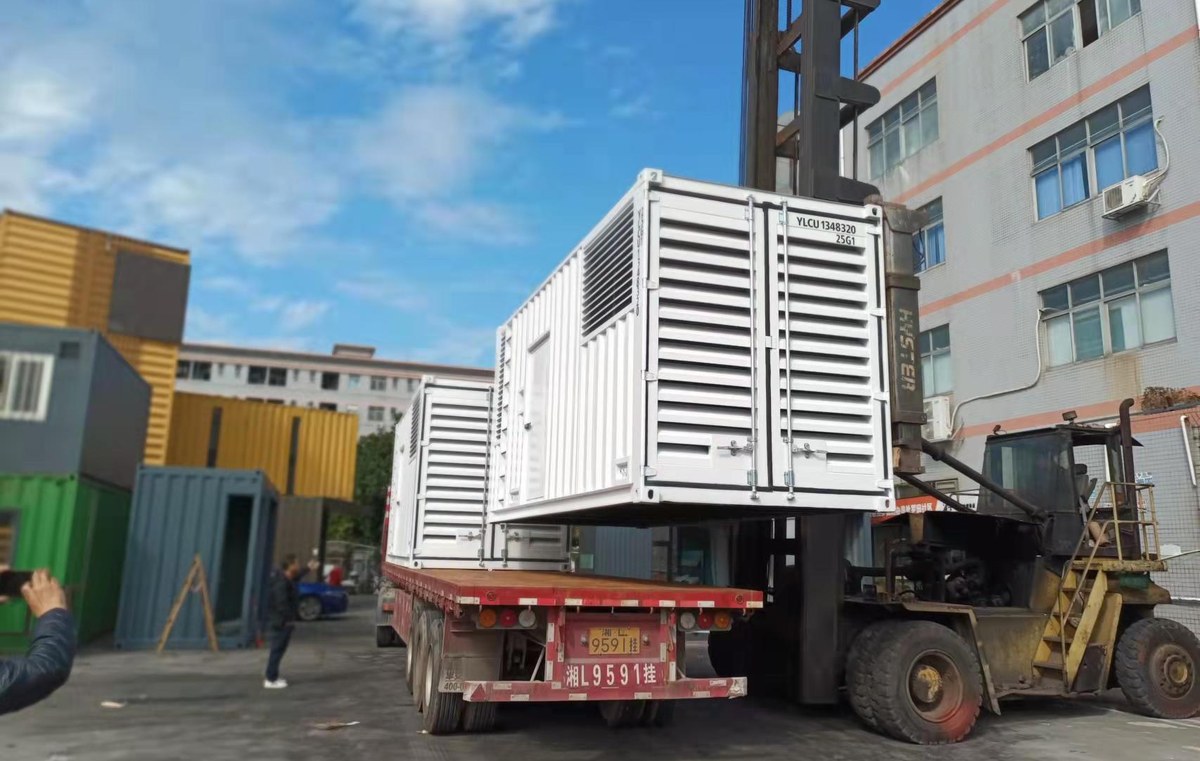
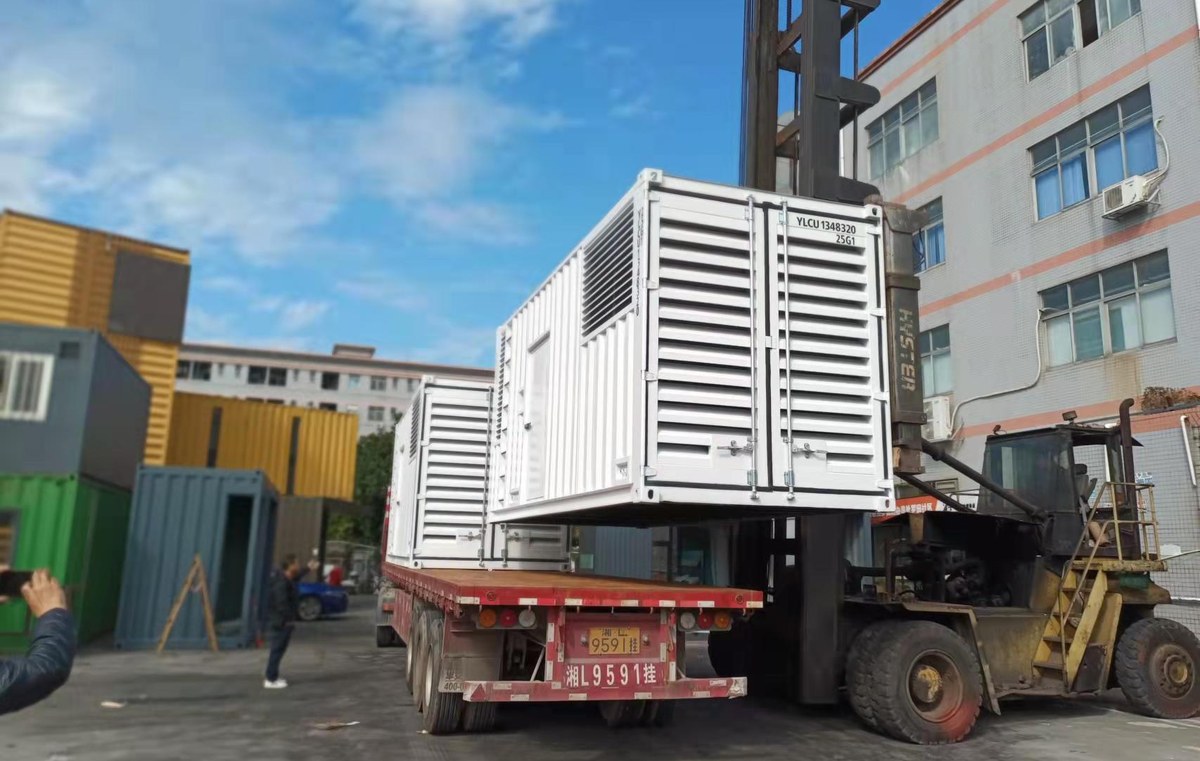
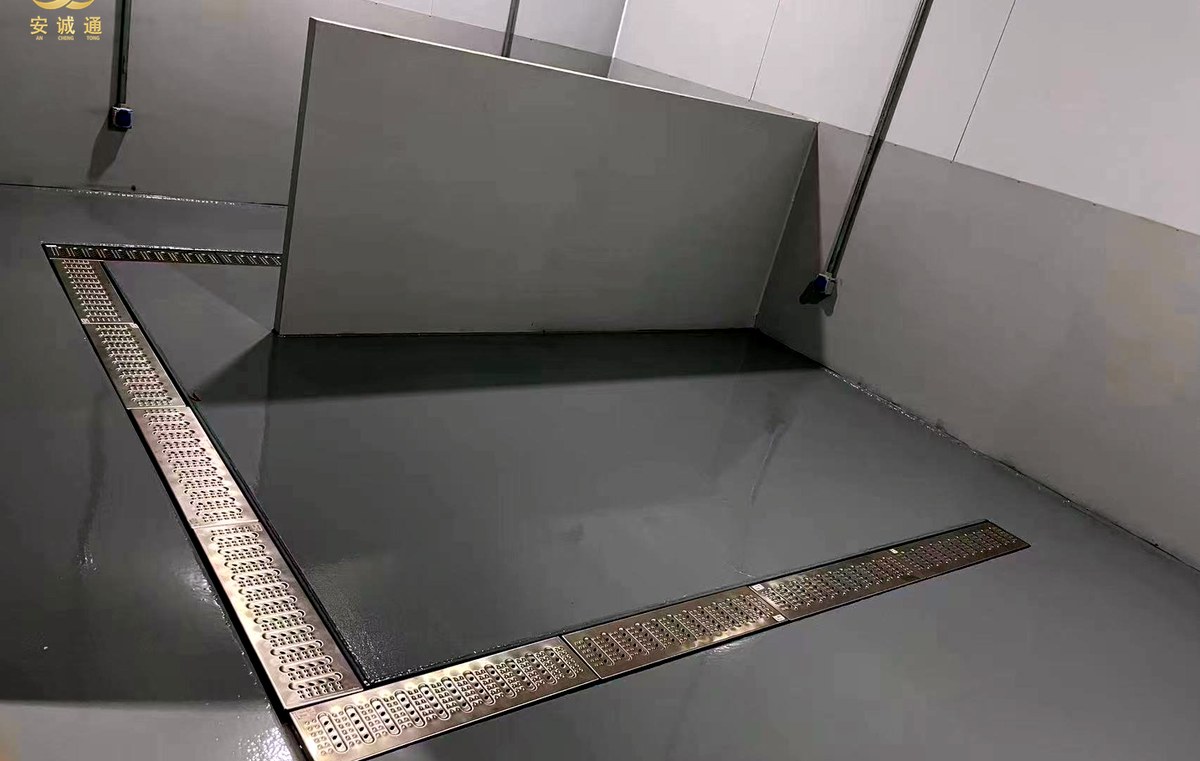
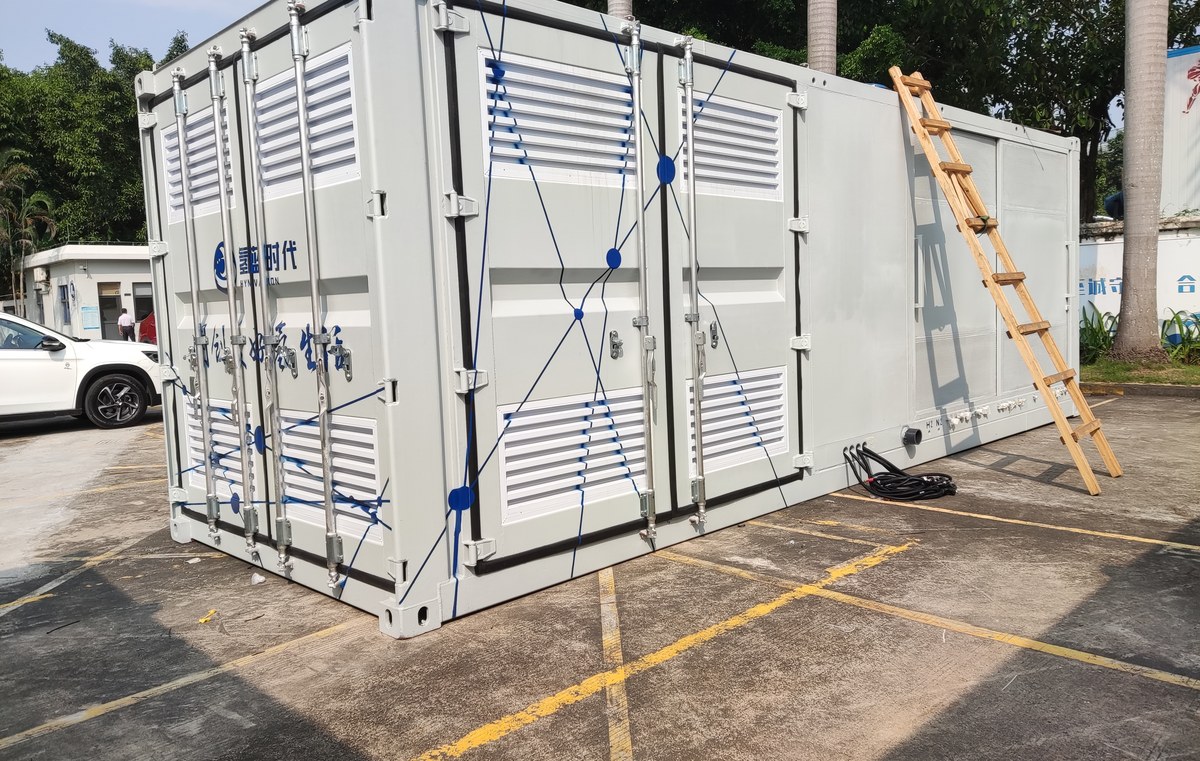
Some images are scheme illustrations and renders showing structure and layout. Final delivery follows the contract drawings.
What customers ask most
Can you supply loose units for our own fit-out?
Yes — unit, louvres, filters and controls shipped as a kit with the schedule. Many integrators prefer it that way.
What is the lead time on ATEX fans?
Four to eight weeks depending on the certification route. It sets the schedule for the whole room, so raise it early.
Do you do the ducting?
For a container we do, in galvanised or stainless. Site ductwork is by others and we will review the drawing.
How often do filters need changing?
On a dusty site, monthly. That is why we fit a differential pressure gauge — it tells you when, instead of a date on a wall.
Can cooling be N+1?
Yes, on rooms above about 10 kW. Two units at part load also last longer than one at full load.
Ask for a scheme for your site
Send the capacity, rack count, site conditions and local climate. You get a layout, a single-line diagram and a price, at no charge, revised until it works.