
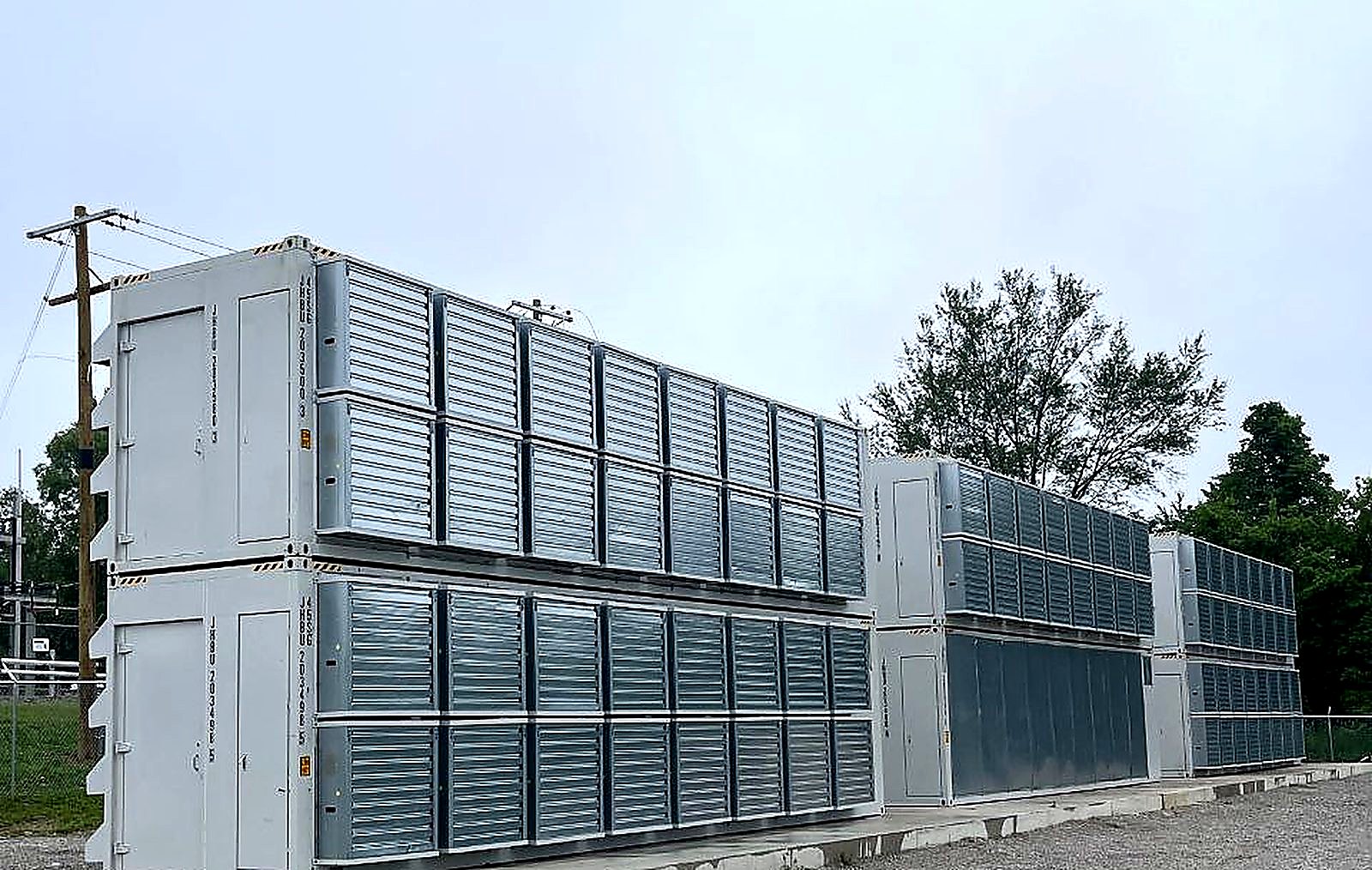
Ten 40 ft mining containers, stacked two high in Indiana
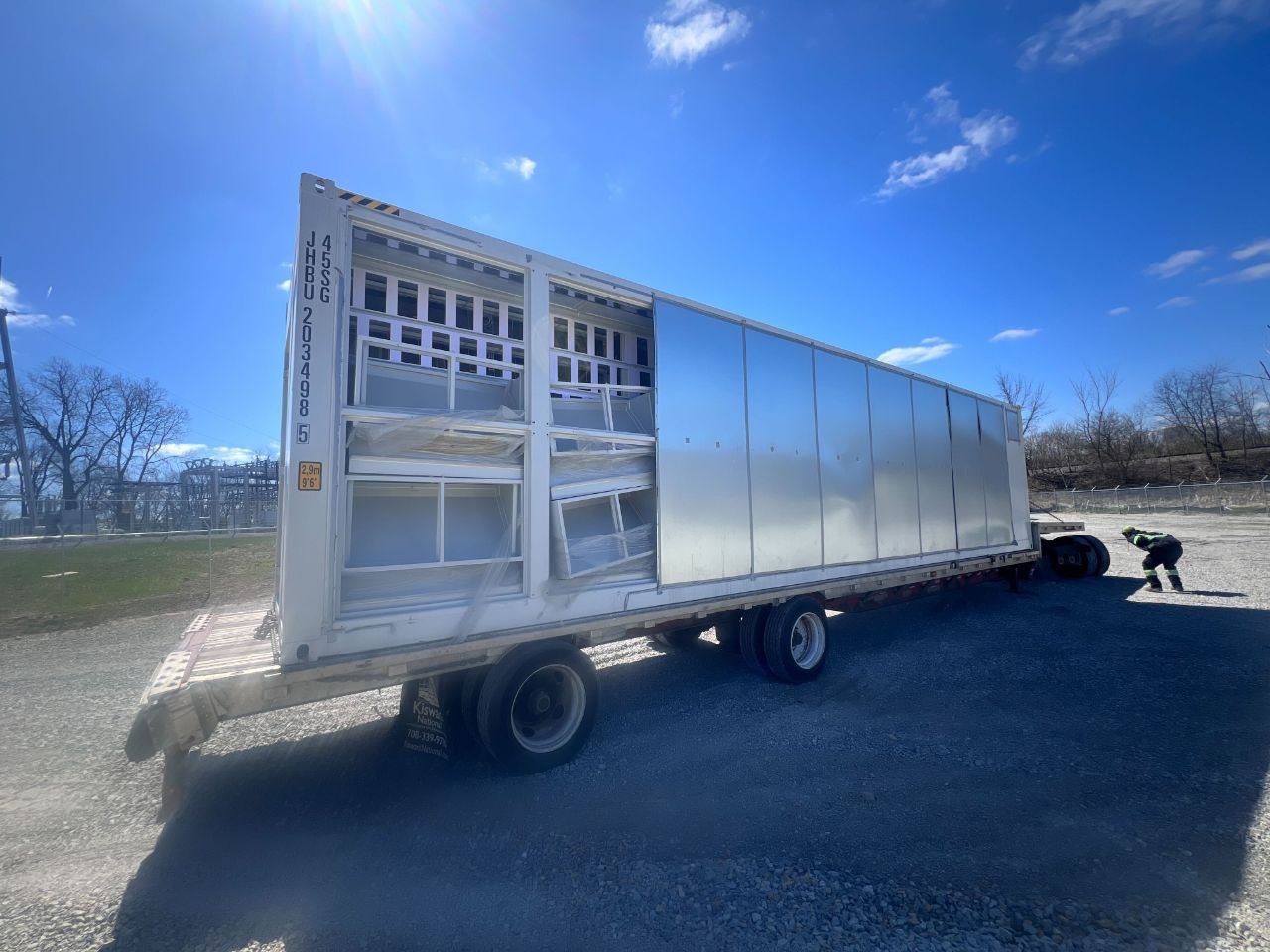
The first units came off a step-deck in mid-April with snow still in the ditches. By the first week of June the same yard had three stacks standing two high, louvres facing the access road, breakers behind a clear shield. Nothing here was built on site. It was set, bolted and connected.
A yard, a crane, seven weeks
The shell sets the budget
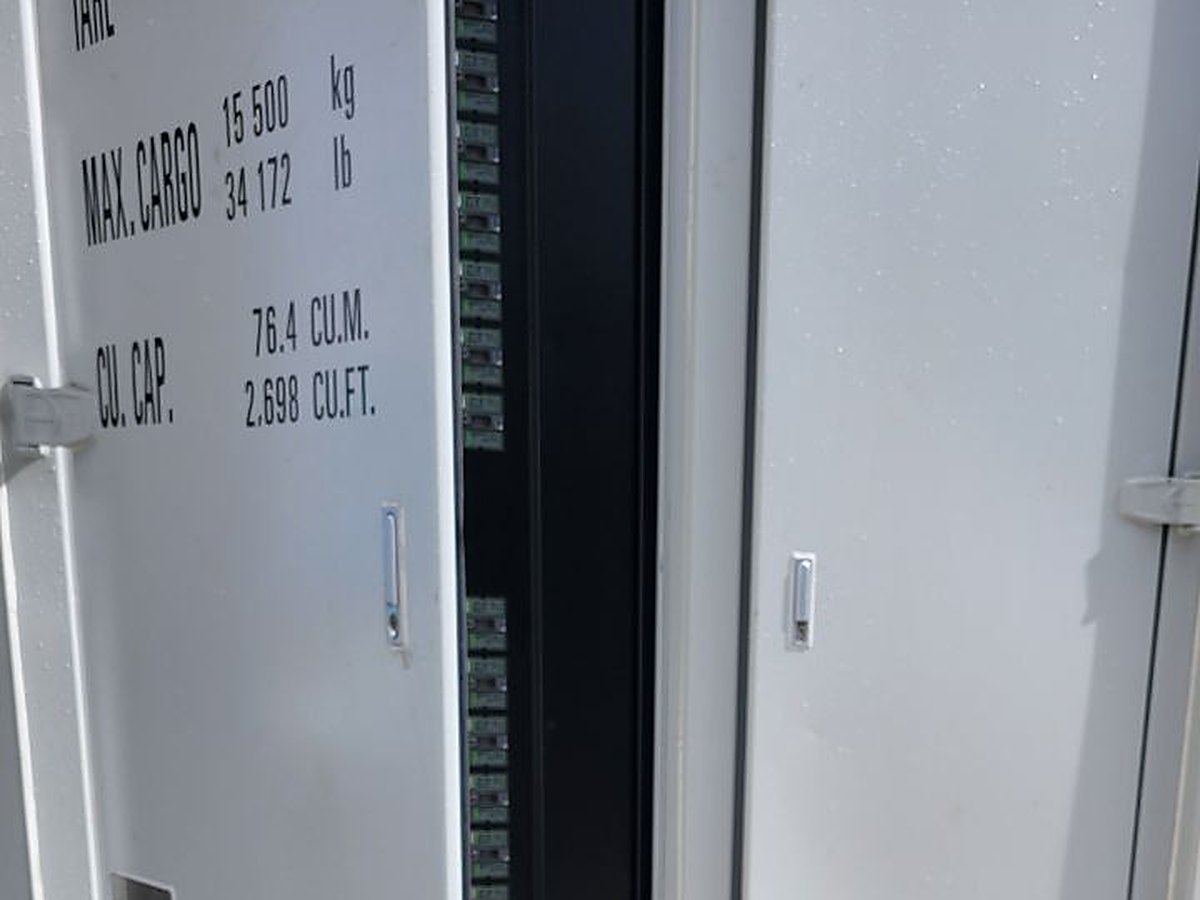
A 40 ft high cube carries 76.4 m³ inside and 15,500 kg of payload on its CSC plate. That is the budget the rest of the design works inside: racks, PSUs, cable trays, a panel board, and a walkway if you decide you want one. Every kilogram spent on the shell is a kilogram the machines do not get.
Which is why the intake is a louvred wall and not a filter bank. A louvre sheds rain and coarse debris, has no consumable, and does not care whether anyone services it. A filter fails all three, and on the top box of a stack nobody is climbing up in February to change it.
Pads first, then the second box
The yard is gravel. Four concrete pads under the corner castings do most of what a slab would do, at a fraction of the cost, and they keep the steel out of standing water. The upper container lands on the lower container rather than on a frame, so the stack is only ever as level as the first box. We set the bottom one, check the castings, torque them, and only then lift the second.
Stacking halves the pad. On a leased yard that is usually the difference between fitting the order on the plot and renting the next lot.
Three things that had to be right on site
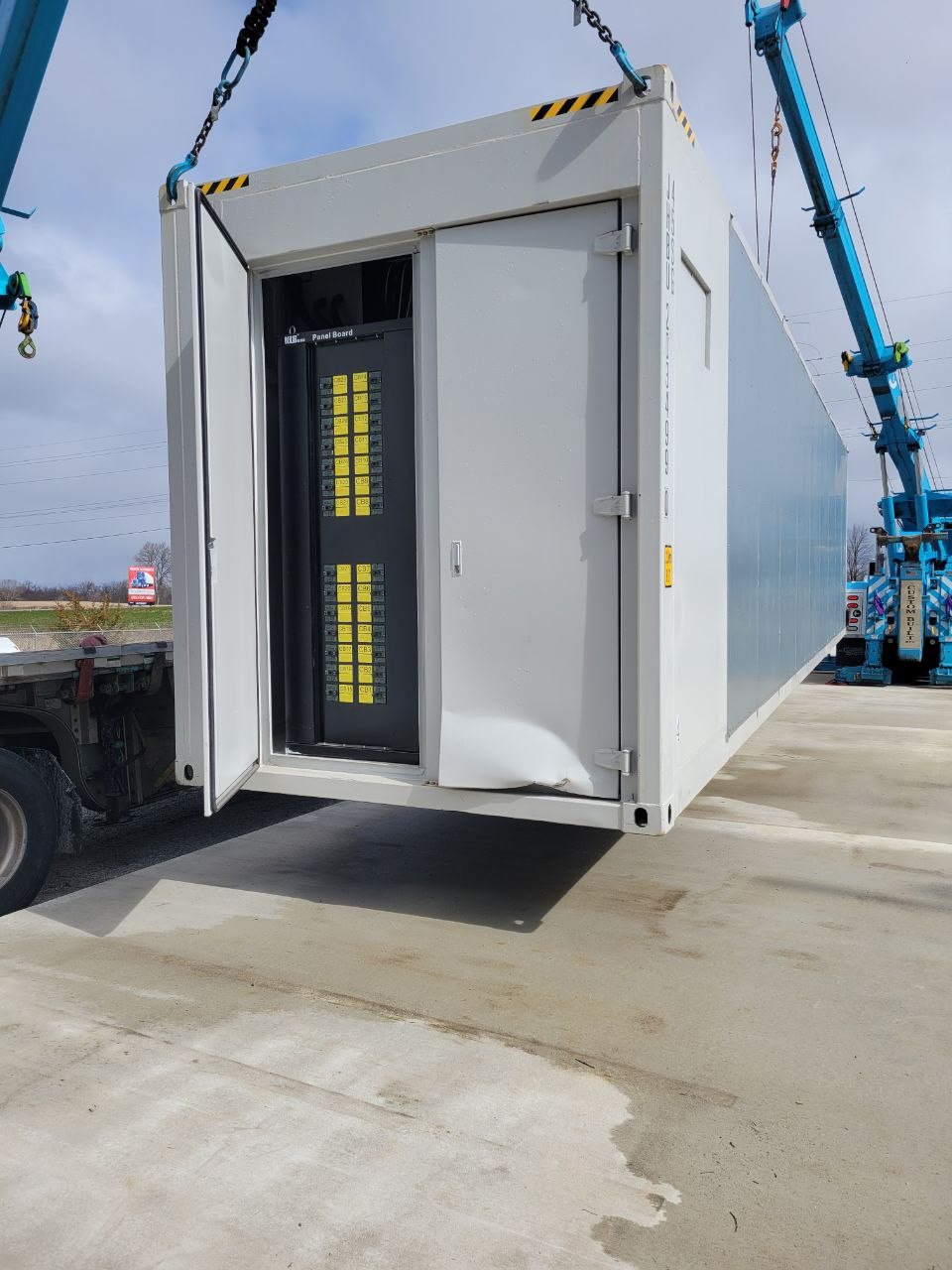
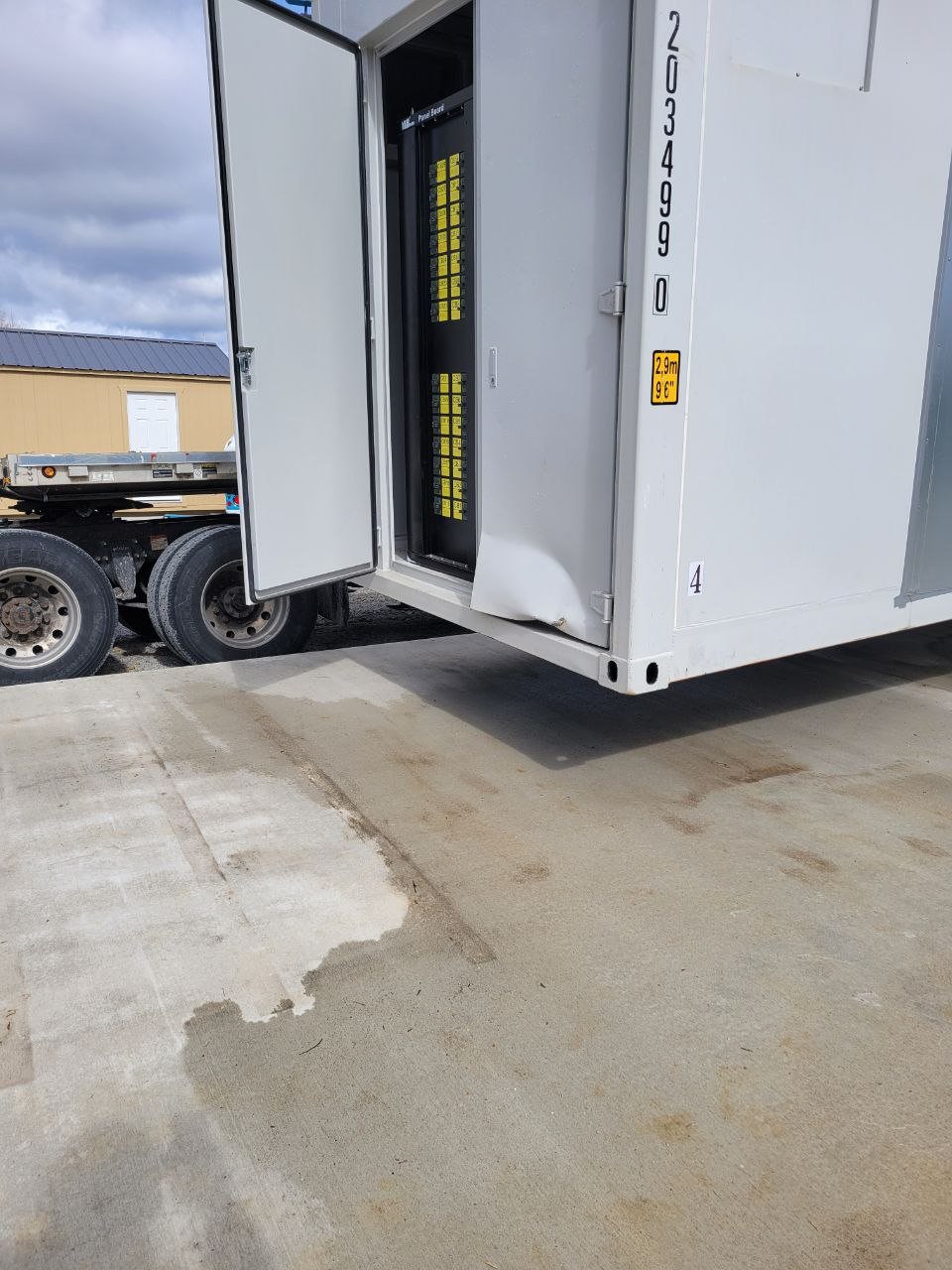
Slings through the corner castings, hazard stripes on the top corners so the rigger has a reference he can see from the ground. The panel board is already fitted and already labelled when the box lands.
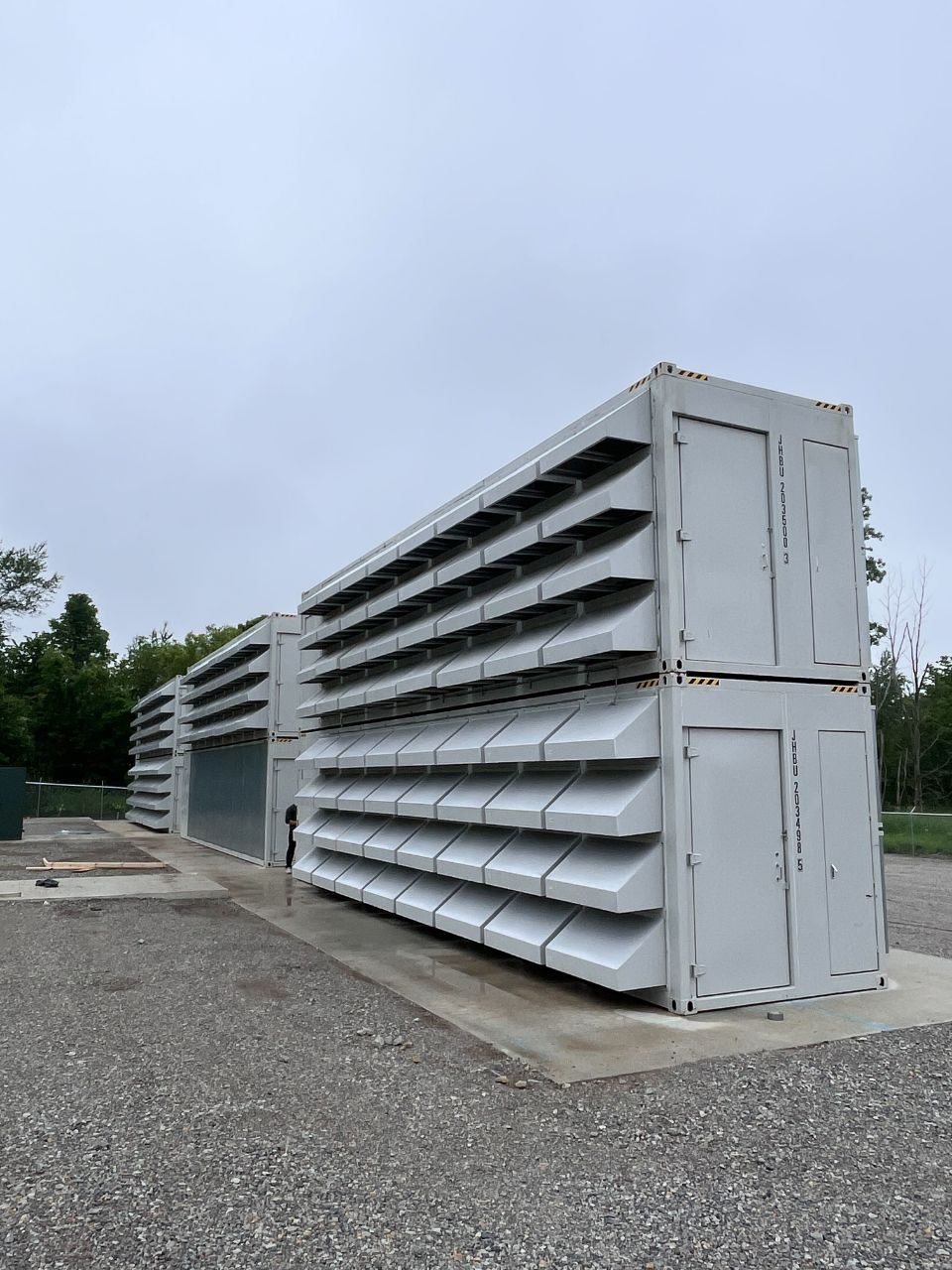
Two high, casting on casting, no spreader frame between them. The louvred walls line up because both shells came off the same jig. That is the only reason a stack reads as deliberate rather than stacked.
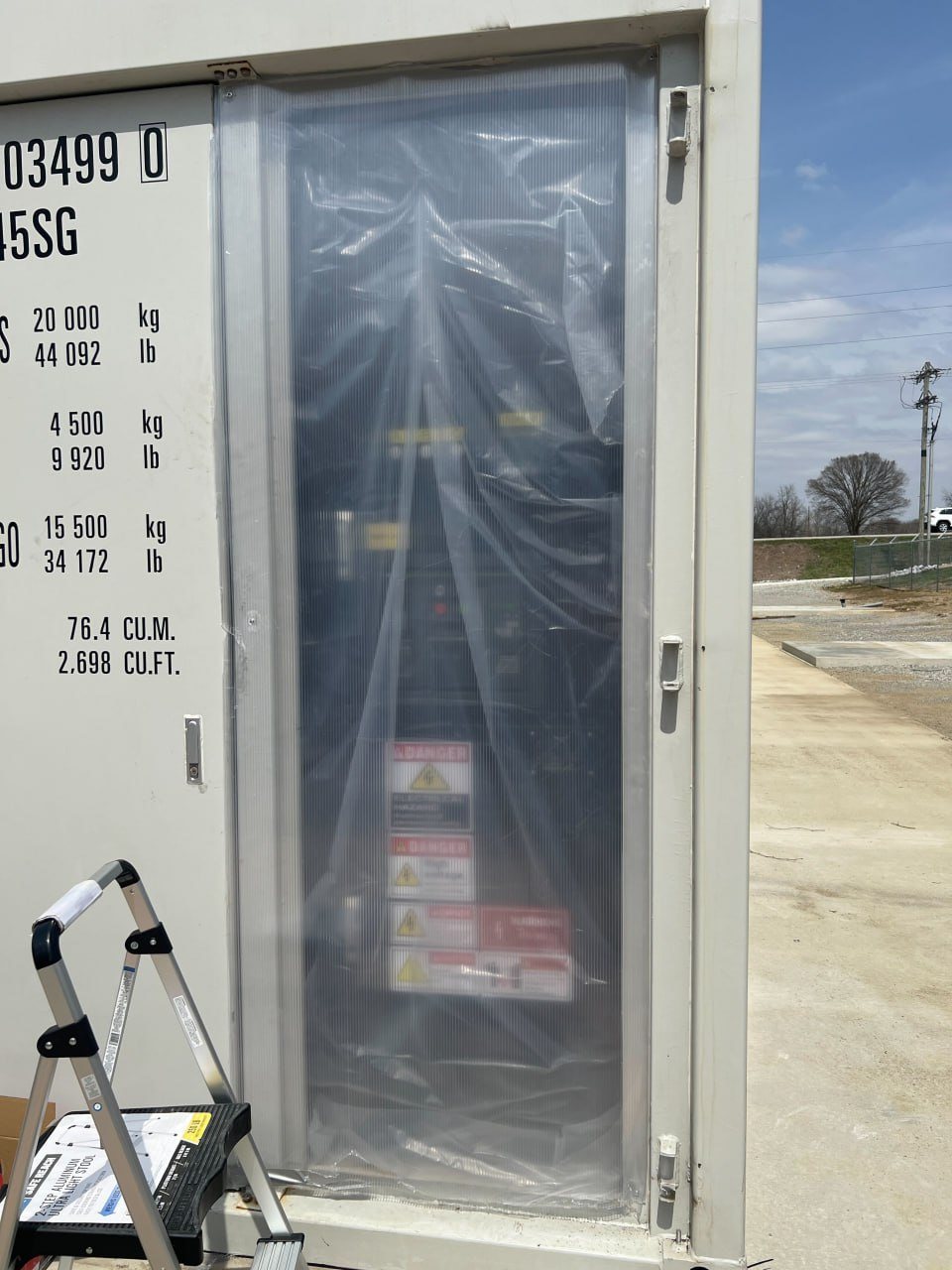
The gear sits behind clear corrugated sheeting. A technician can read the meters and see the indicator lamps in daylight without breaking the seal on the compartment.
Five steps, one yard
Ten units, read off the plates
Configuration as delivered, read from the CSC plates on the units. Commercial values are not disclosed.
The yard, in the order it happened
The products this specification maps to
Photographs are from the delivered project. The client is not named. Commercial values are withheld; the figures describe the configuration as shipped.
Tell us the yard, the crane and the ambient.
Stacked or single row, pads or slab, louvres or filtered intake. Those three answers decide the shell, the lifting plan, and how much of the unit is finished before it leaves the factory.