
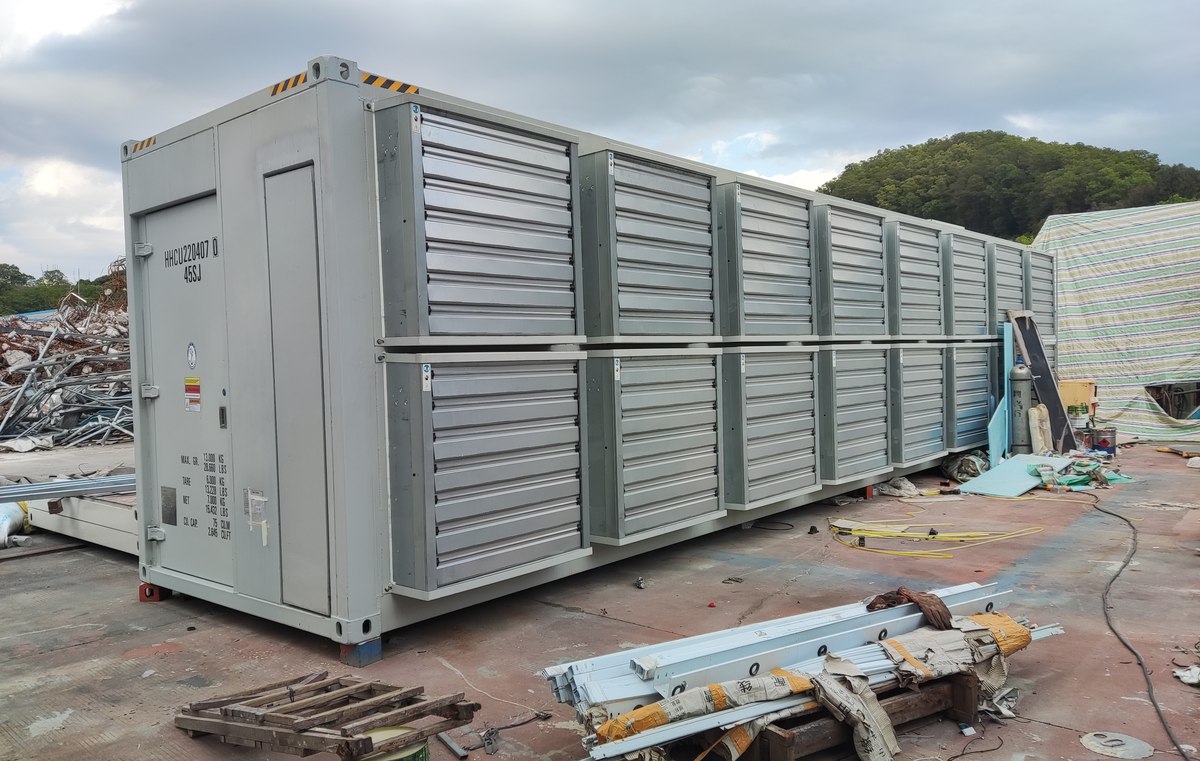
Two point four megawatts on a river that never freezes
A hydro operator in the Caucasus spilled three megawatts of spring meltwater every year because the grid could not take it. We put the machines where the water was.
Spilled water is lost revenue, and the grid will not take it
What the client was up against
The plant runs on snowmelt with a pronounced spring peak. Through May and June the turbines can produce more than the regional grid will accept, and there is no storage behind the intake. The excess goes over the spillway.
The site is at 1,900 m, four hours from the nearest town on a road that closes to heavy vehicles in winter. Building anything conventional there meant a construction season, a crane, and a crew living on site.
What we proposed
Put the load at the plant instead of moving the power: 40 ft water-cooled containers fed directly from the penstock, using the same water twice — once through the turbines, then through the container heat exchangers before it returns to the river.
Water cooling is what makes the site work. Air-cooled halls at 1,900 m lose capacity in summer and need fan power that eats the margin; a closed water loop holds setpoint at any ambient and adds no acoustic load to a valley that has a village in it.
Three systems, and the river does the heavy lifting
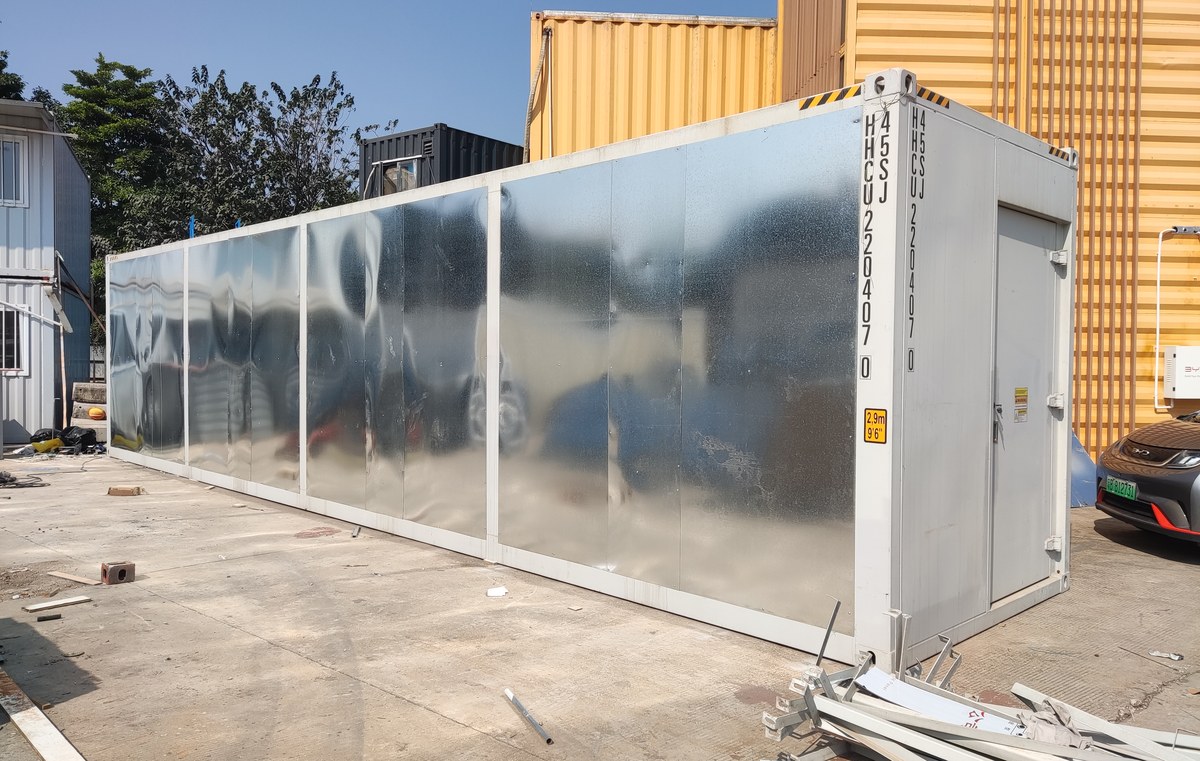
210 machines per hall on a closed loop, inlet held at 32 °C. Each hall has its own pump set, so one loop can be isolated without stopping the row.
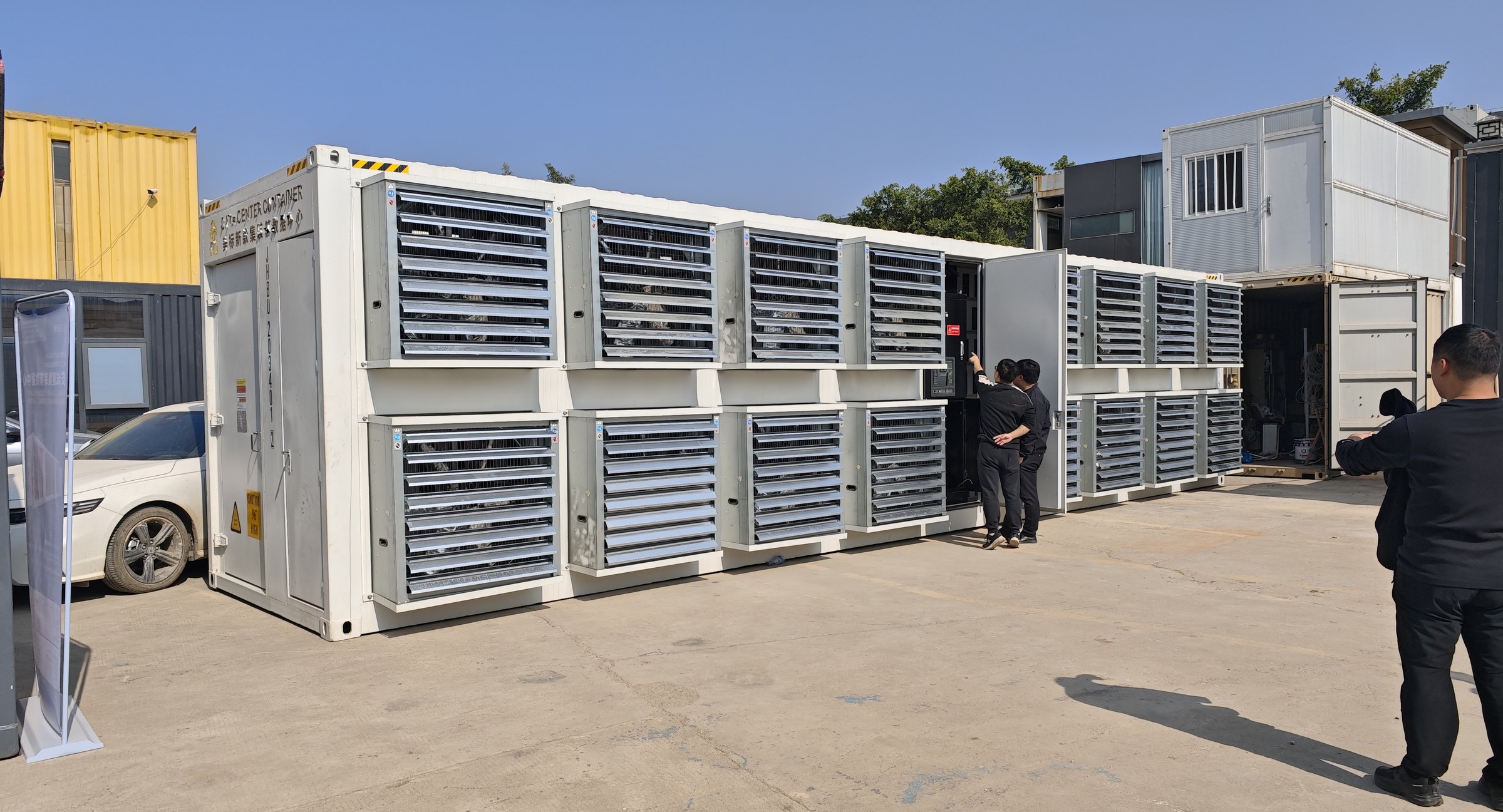
Plate exchangers against the penstock flow: no chillers, no dry coolers, no evaporative loss. Rejected heat leaves with the water that was going downstream anyway.
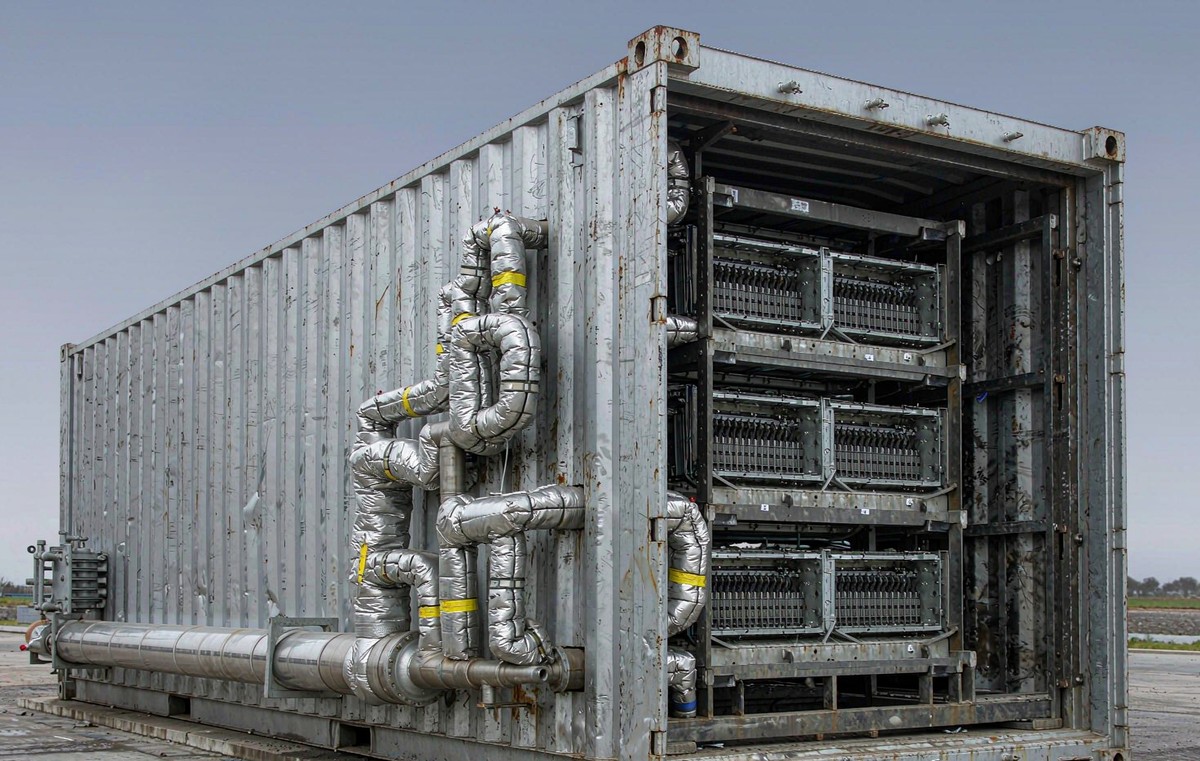
MV take-off from the plant switchyard, step-down and paralleling on a skid, with per-hall metering so hashrate can be matched to water flow hour by hour.
Forty-five days, and the road was the critical path
What the plant gained
Energy cost is the client’s internal generation cost, not a market tariff. Load, elevation and schedule are rounded. Client and river are not identified.
Site record — the valley, the penstock, the halls
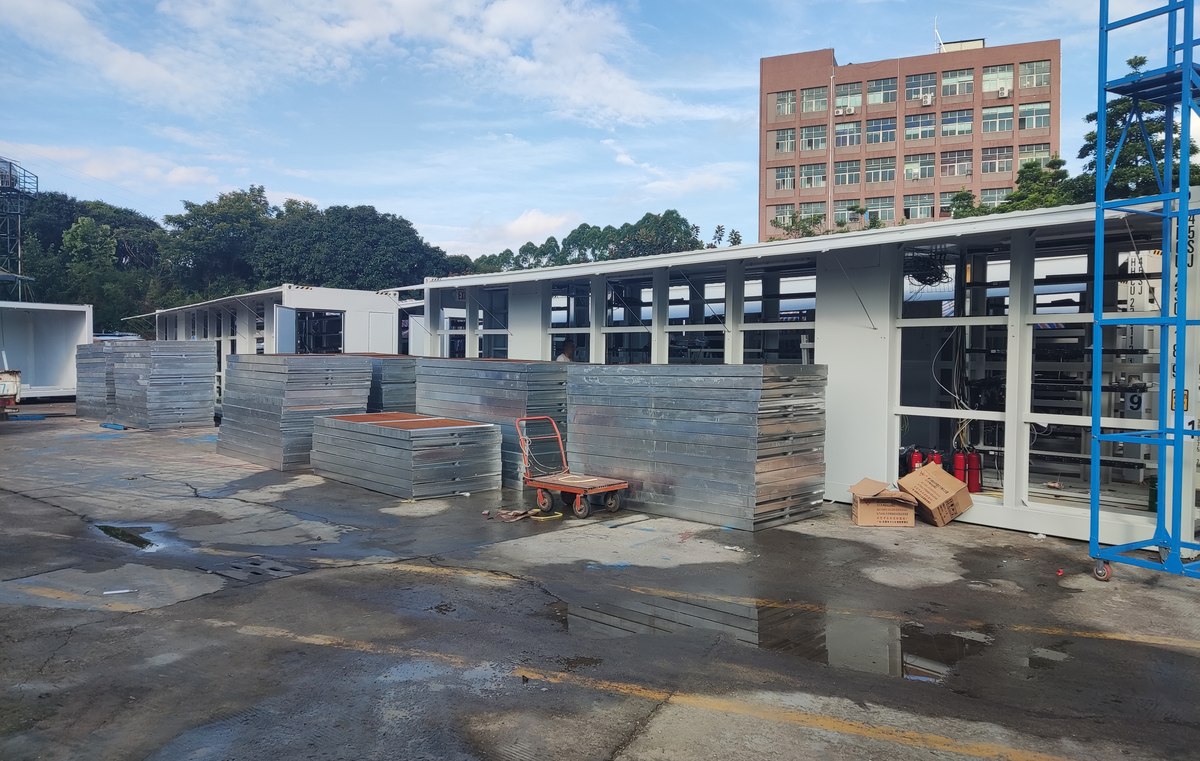
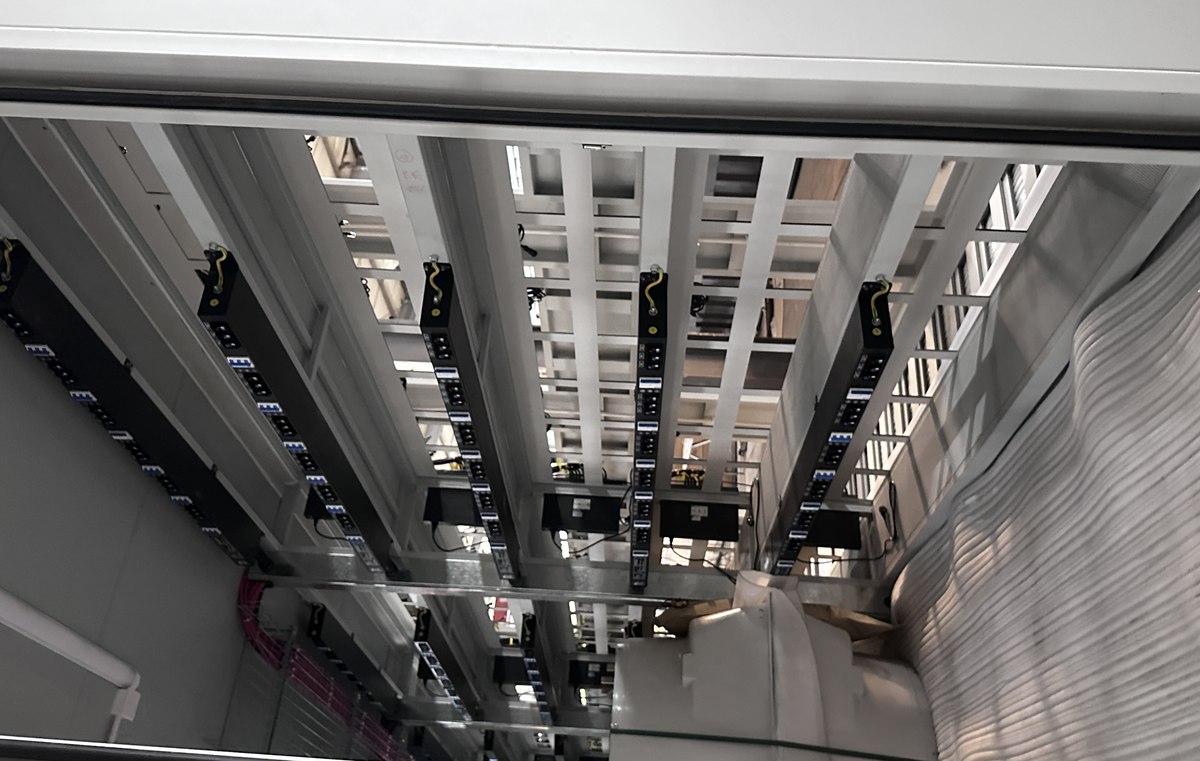
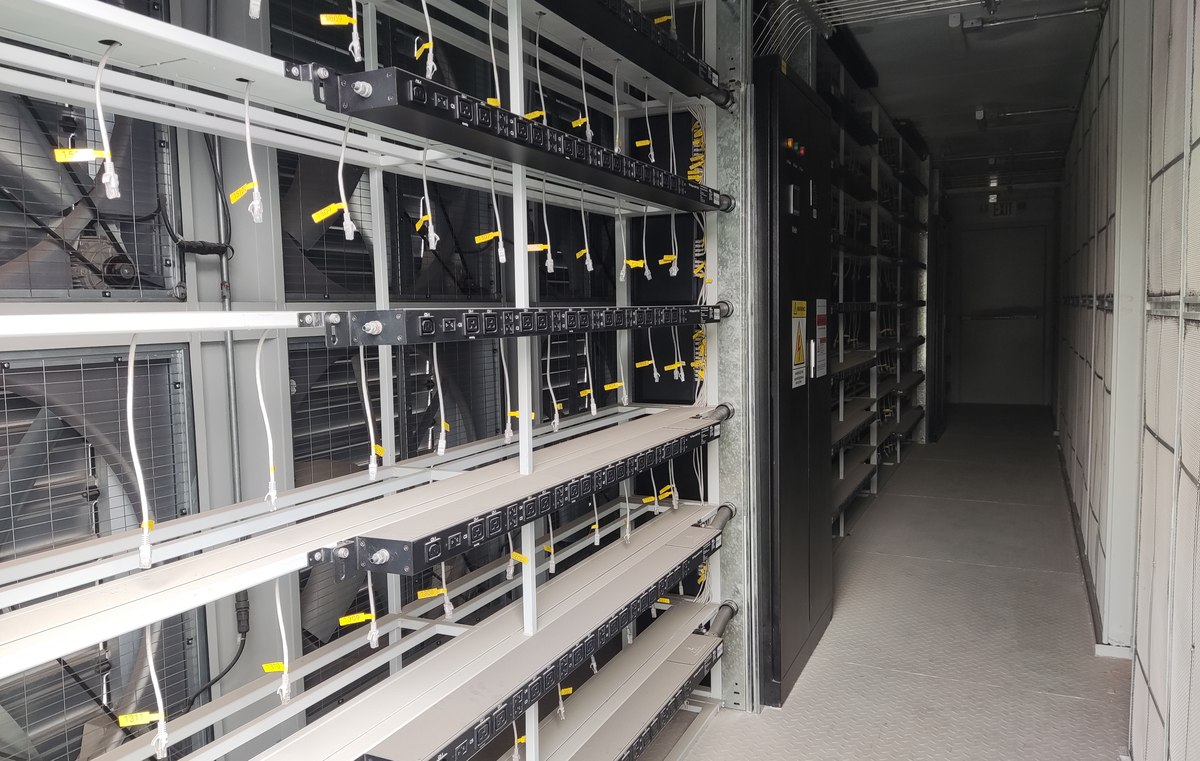
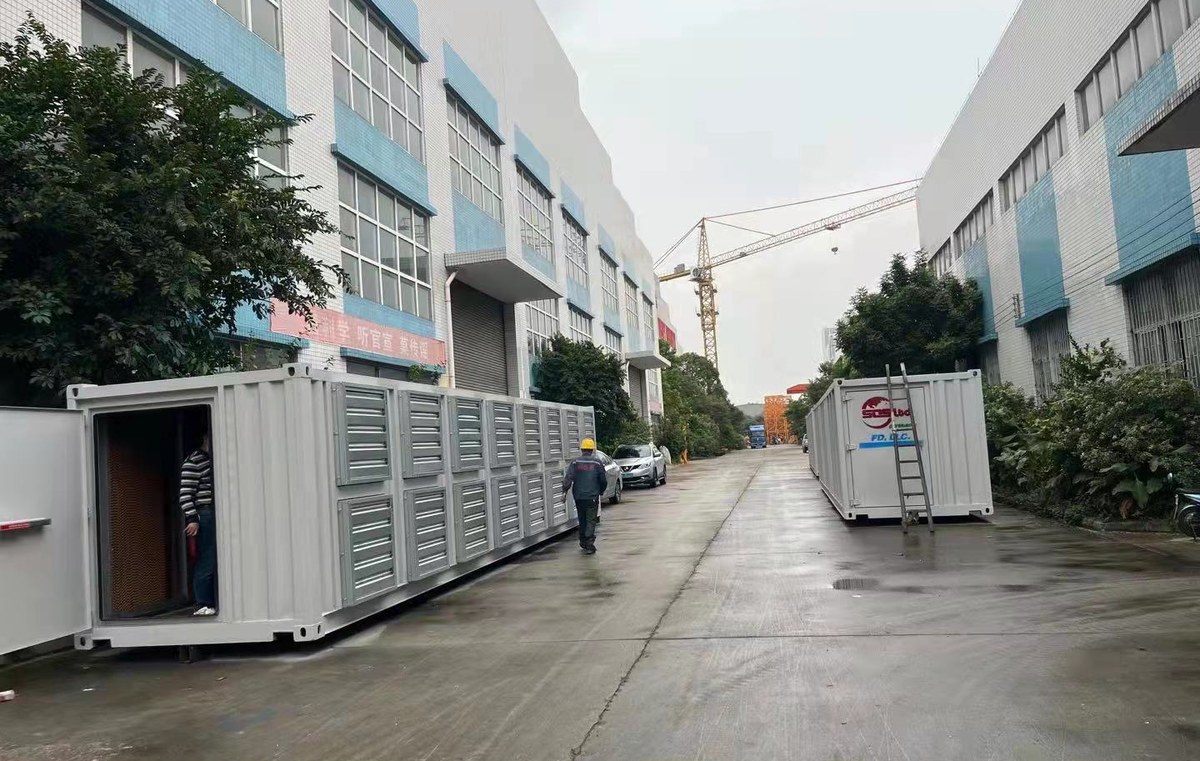
The three products this site is built from
Published as an anonymised reference. The client is not named and the site location is given only to region level. Commercial values (contract sum, unit price) are withheld; the technical figures describe the configuration as delivered. Where a number has been rounded or scaled for confidentiality it is stated in the note above.
What is your spill, and what does a kilowatt-hour cost you?
Send twelve months of generation and flow data. We will size the load to the water, not the other way round, and tell you what the loop has to be.