
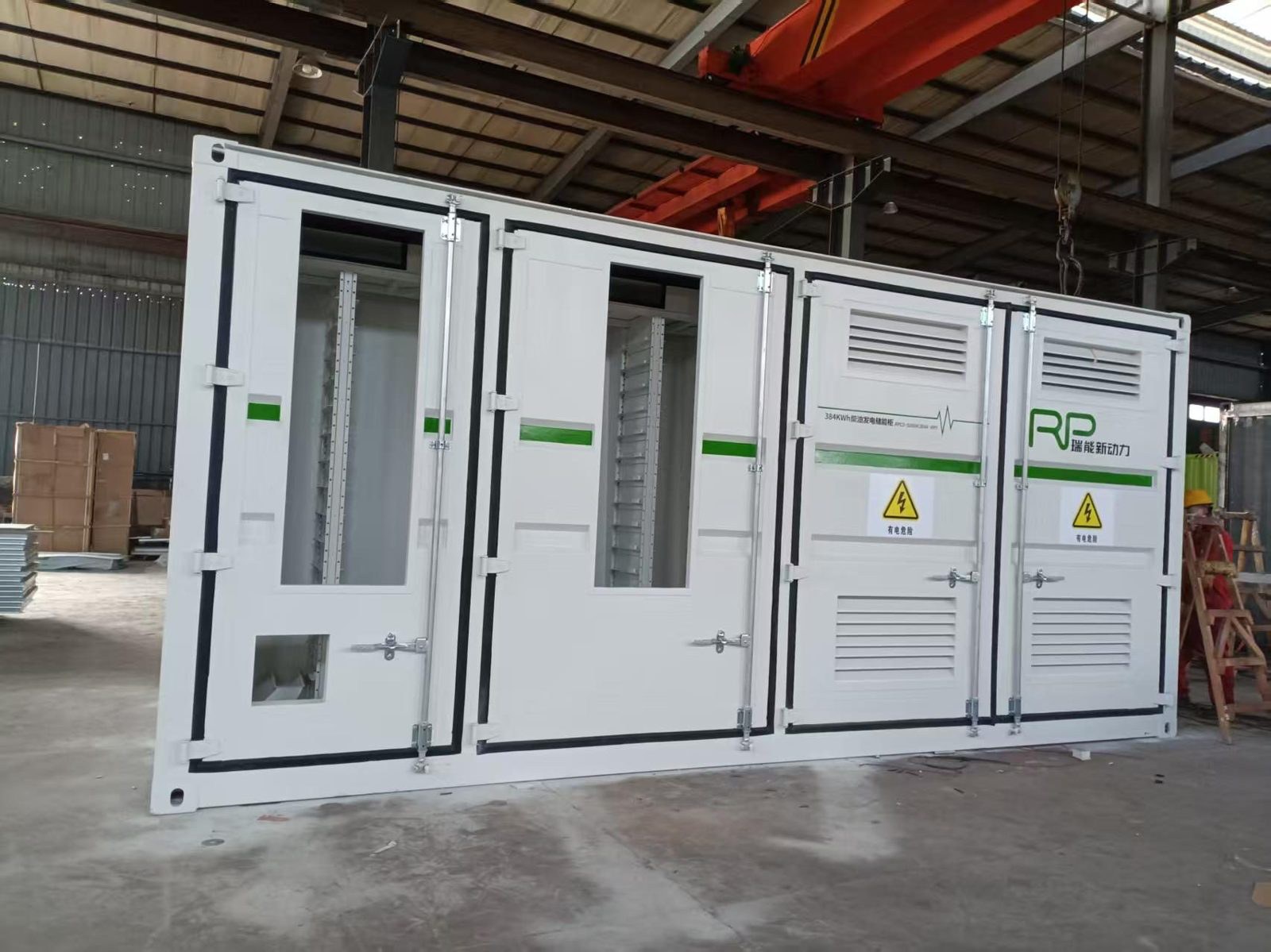
The battery cabin is finished and tested before it reaches the site
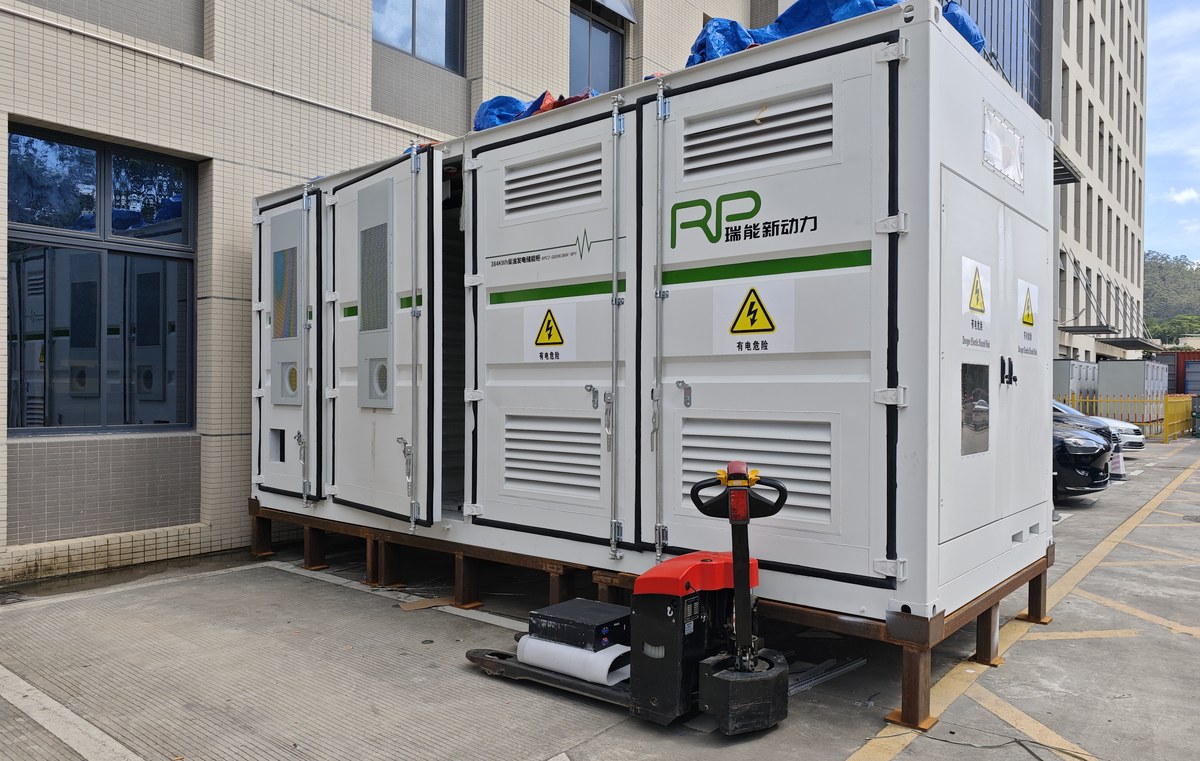
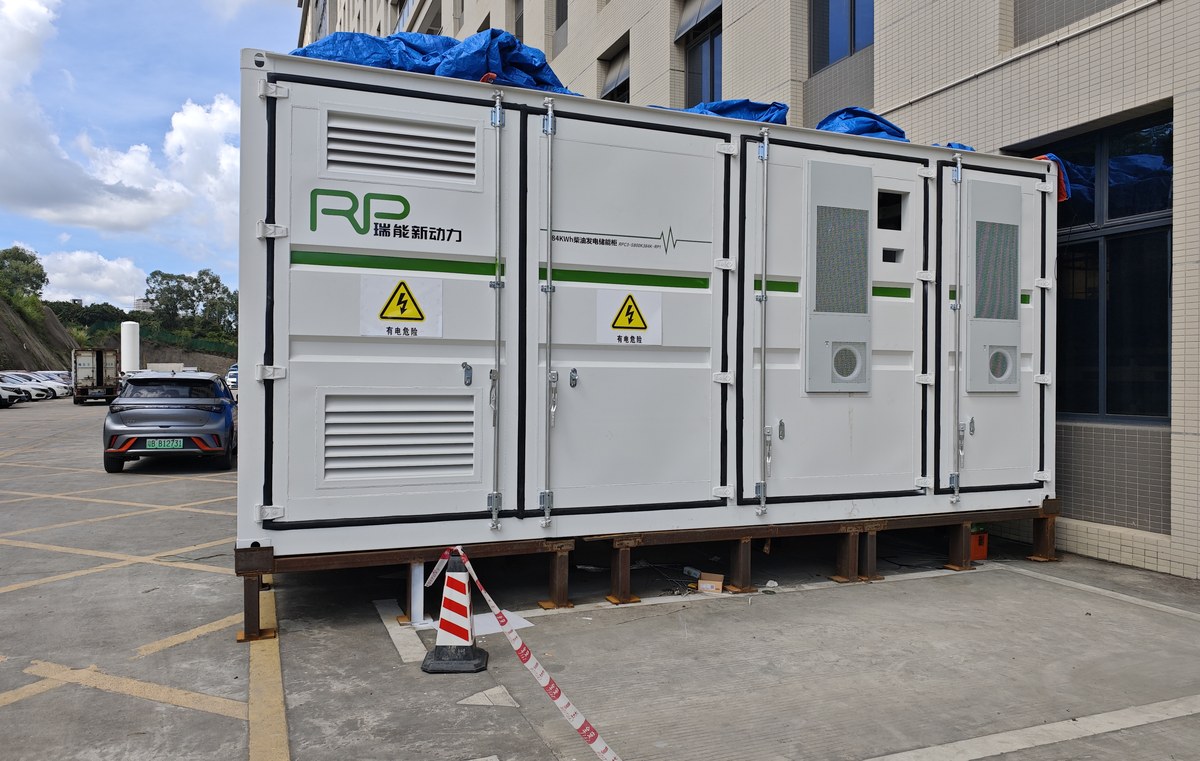
A storage integrator moved commissioning indoors: racks, BMS, distribution, thermal management and suppression installed and cycle-tested at the factory, so the site work is a foundation and a cable.
Commissioning is the part that ruins the schedule
The problem with site commissioning
A battery cabin contains racks, a battery management system, DC distribution, thermal equipment and suppression. Put all of that together on site and you have a commissioning task measured in weeks, in weather, with the racks already in place and no easy way to reach behind them.
It also splits responsibility. When something does not balance, the enclosure supplier, the rack supplier and the integrator each have a plausible explanation, and the project stops while they work out whose it is.
What we changed
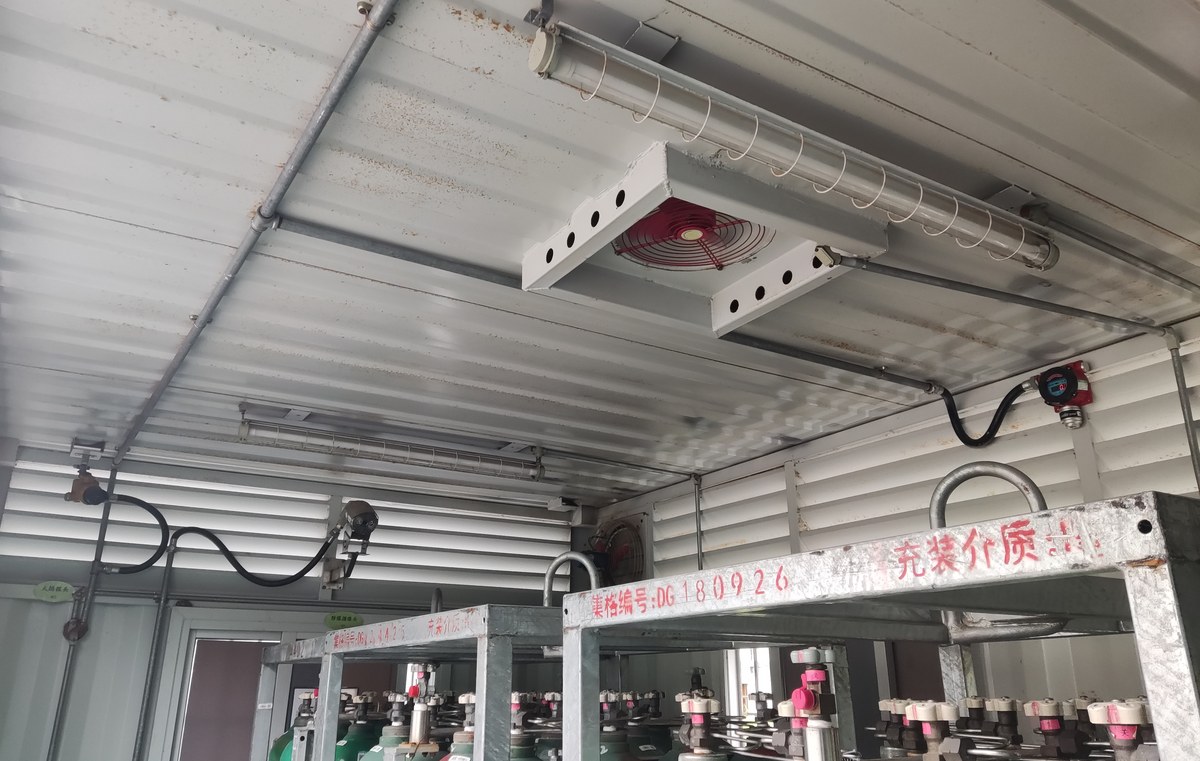
The cabin is integrated at the factory: racks set out, busbars run, BMS wired, thermal and suppression installed, then the whole string is cycled with the controls live and the results recorded against a test sheet.
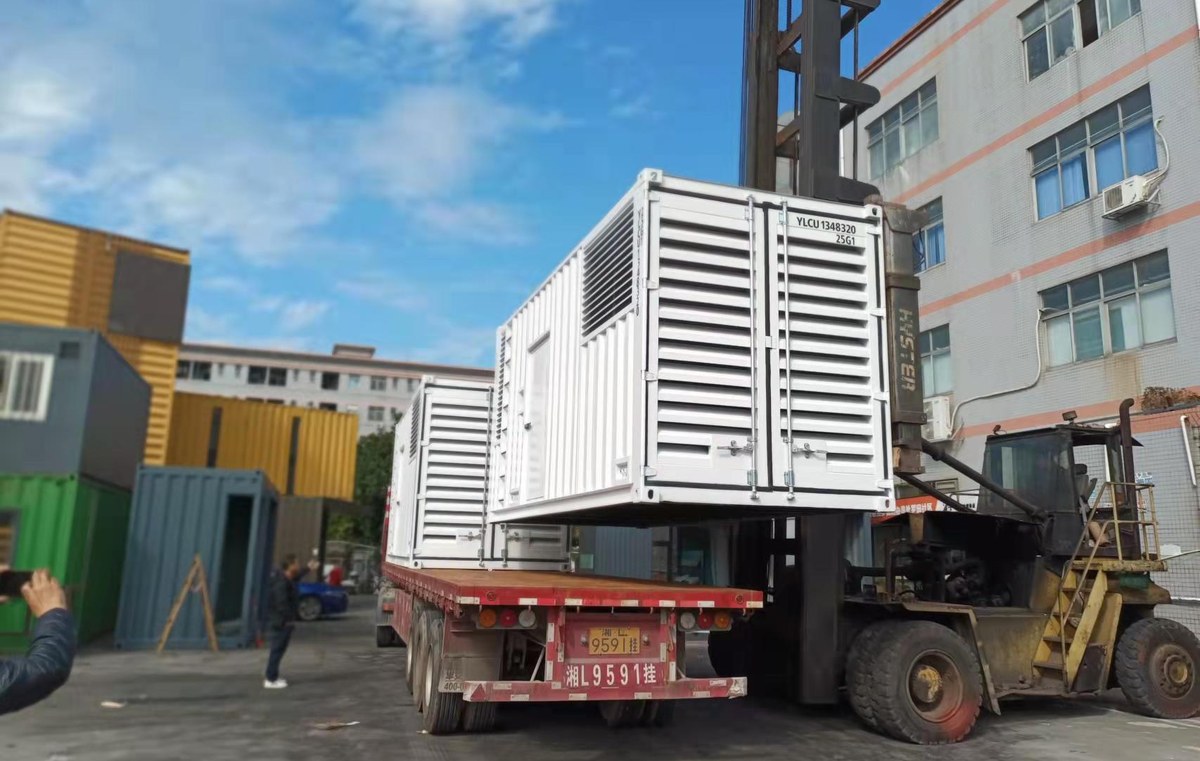
On site the unit arrives complete. The scope is a foundation, a lift, a cable termination and a repeat of the functional checks. Everything that could go wrong in a way that costs a week has already gone wrong in a shed where it costs a day.
What gets closed out before the doors shut
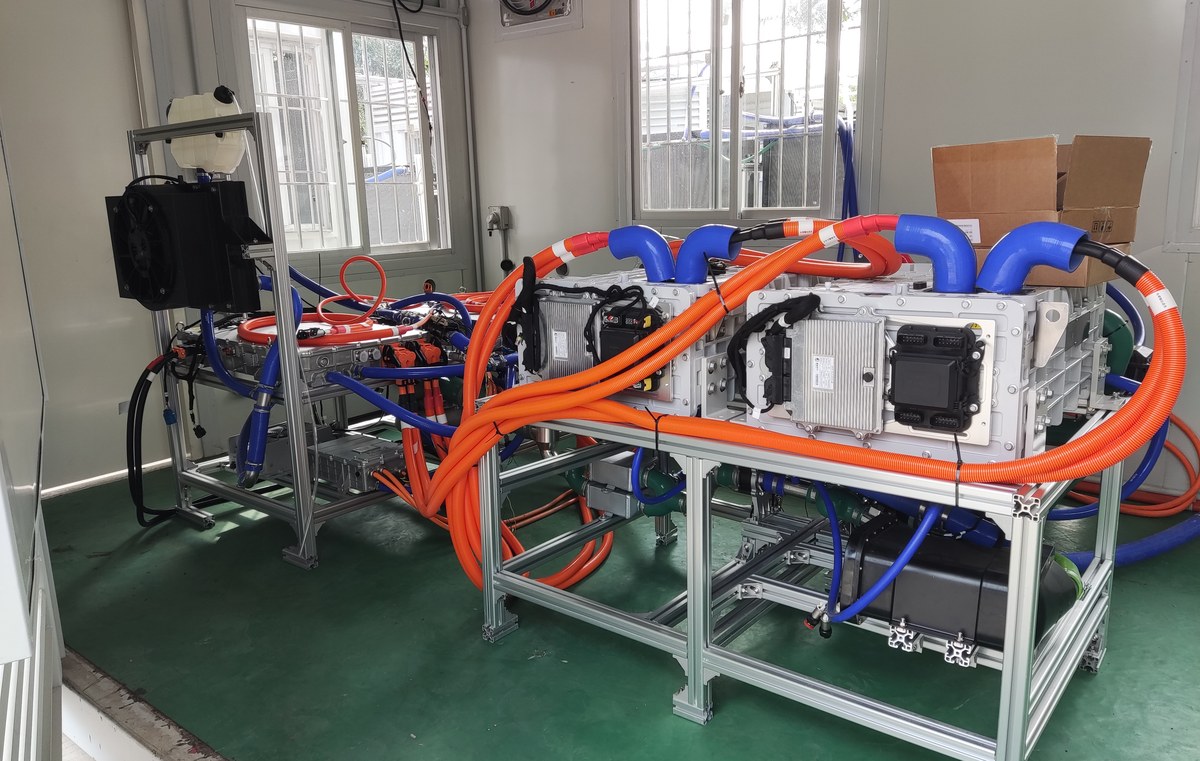
Rack positions, busbar torque and clearances checked against the layout, with the record filed per cabin rather than per project.
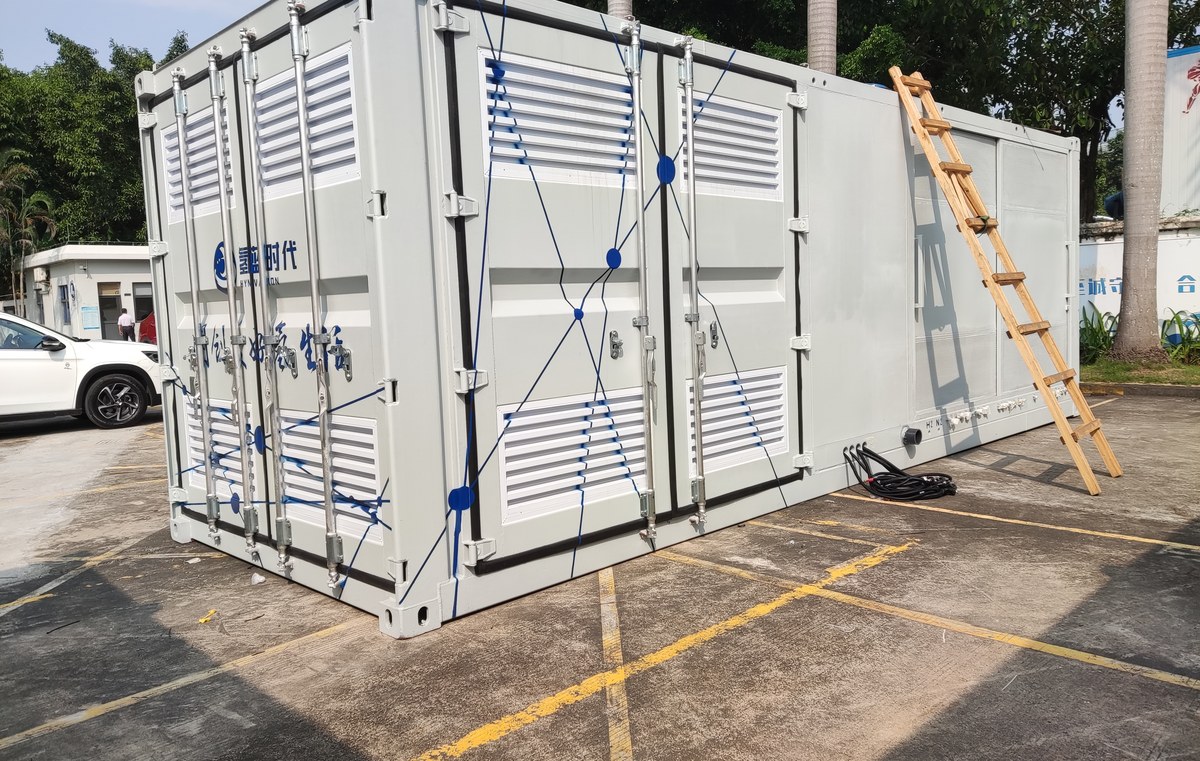
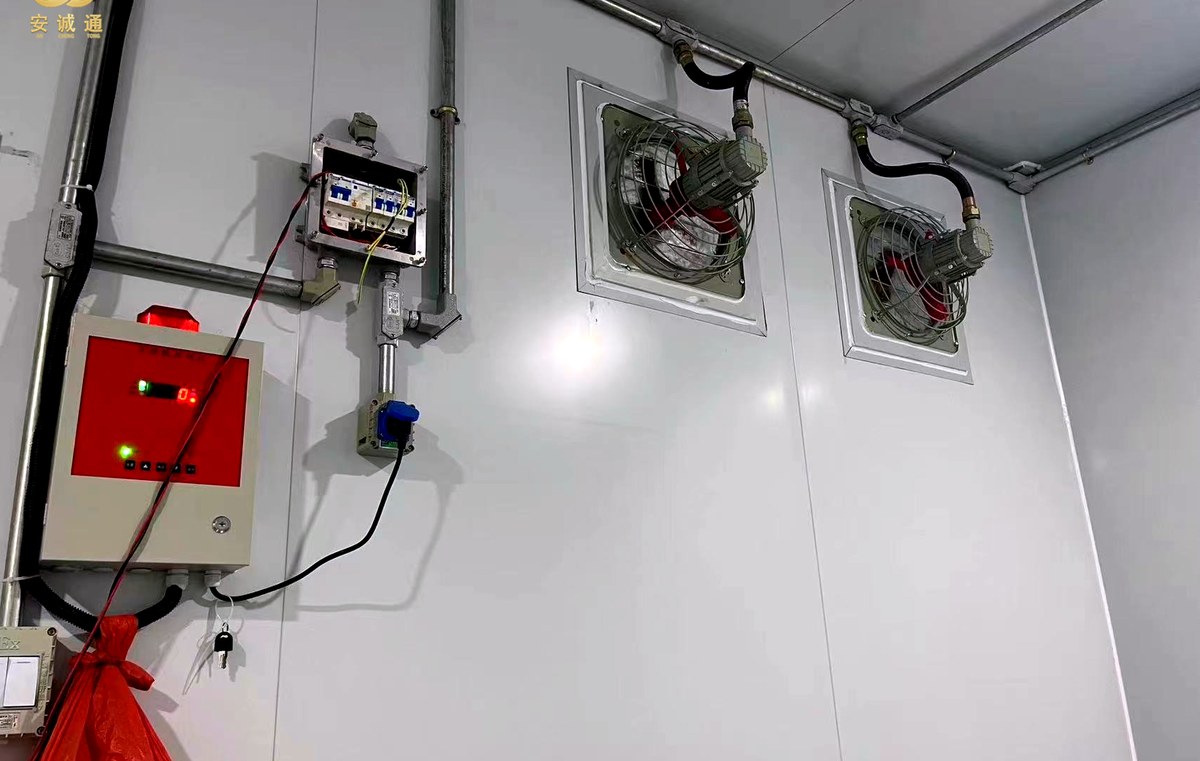
BMS, thermal controller and suppression panel integrated and addressed before the cycle test, so the test exercises the real control path.
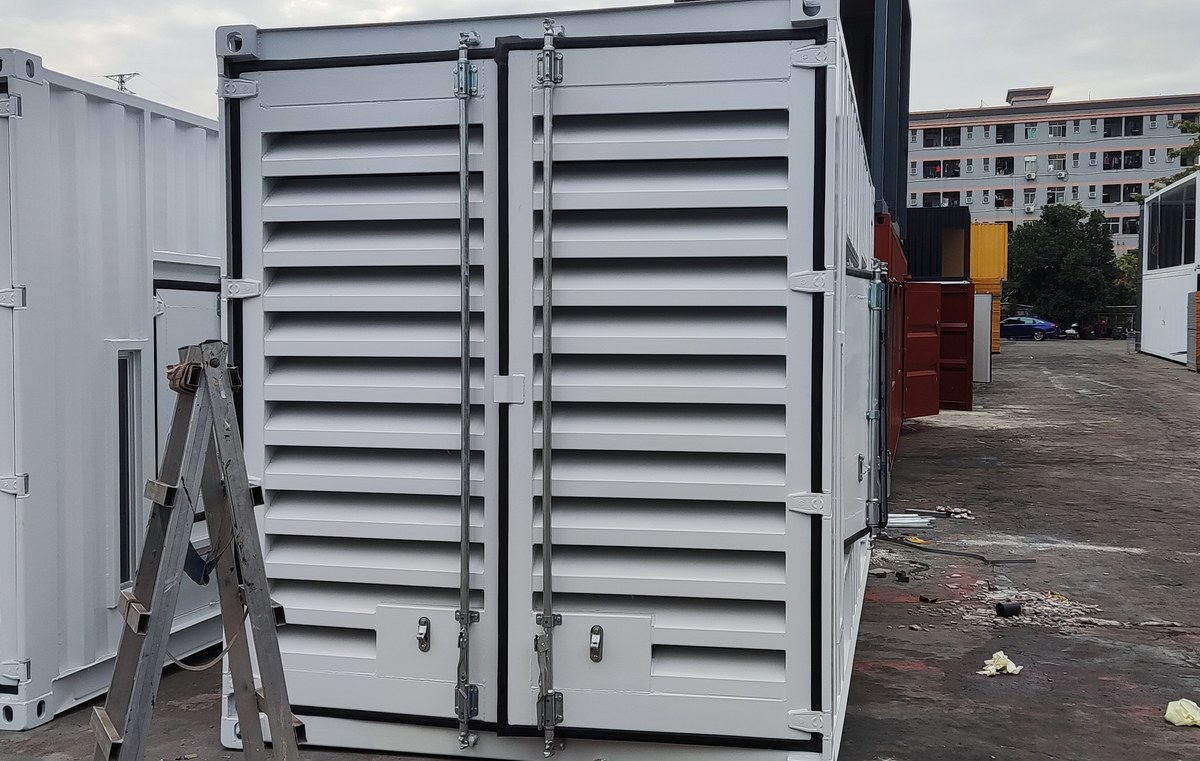
Thermal performance demonstrated during charge and discharge, not assumed from a datasheet. The cabin is accepted at temperature.
From rack delivery to site handover
What moves from the site to the factory
Values describe the configuration as delivered. Cabin count and commercial terms are not disclosed.
Integration, then dispatch
The products this specification maps to
Published as an anonymised reference. The client is not named and the site location is given only to region level. Commercial values (contract sum, unit price) are withheld; the technical figures describe the configuration as delivered. Where a number has been rounded or scaled for confidentiality it is stated in the note above.
Send the rack schedule and the site date.
Tell us the string size, the thermal duty and when the foundation will be ready. We will come back with an integration scope and a factory test plan.