
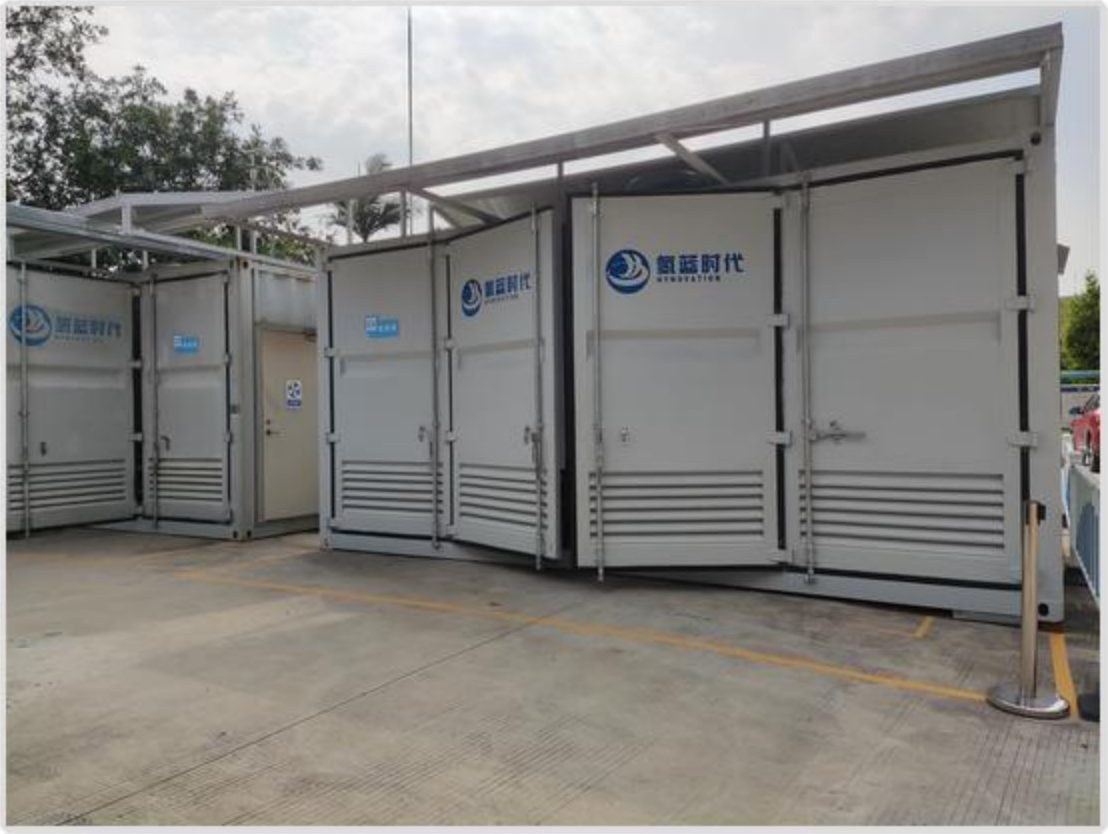
Forty hydrogen cabins, one livery, one inspection standard
A hydrogen equipment maker needed its skid-mounted plant housed in cabins that all looked and performed the same, batch after batch, with the gas and electrical systems joined up before the units left the factory.
When the cabin is part of the safety case
What a hydrogen cabin has to do
Hydrogen does not wait for a leak to become a problem. A cabin housing a reformer, a compressor or a control skid is a classified space: the walls have to relieve an internal overpressure in a controlled direction, the air has to be swept whether or not anyone is working inside, and every switch, lamp and junction box has to be rated for the zone it sits in.
The maker was also building the same plant repeatedly for different sites. What it needed was not a bespoke cabin each time, but a repeatable one: same envelope, same penetrations, same test record, so the hundredth unit is the same as the first.
What we built
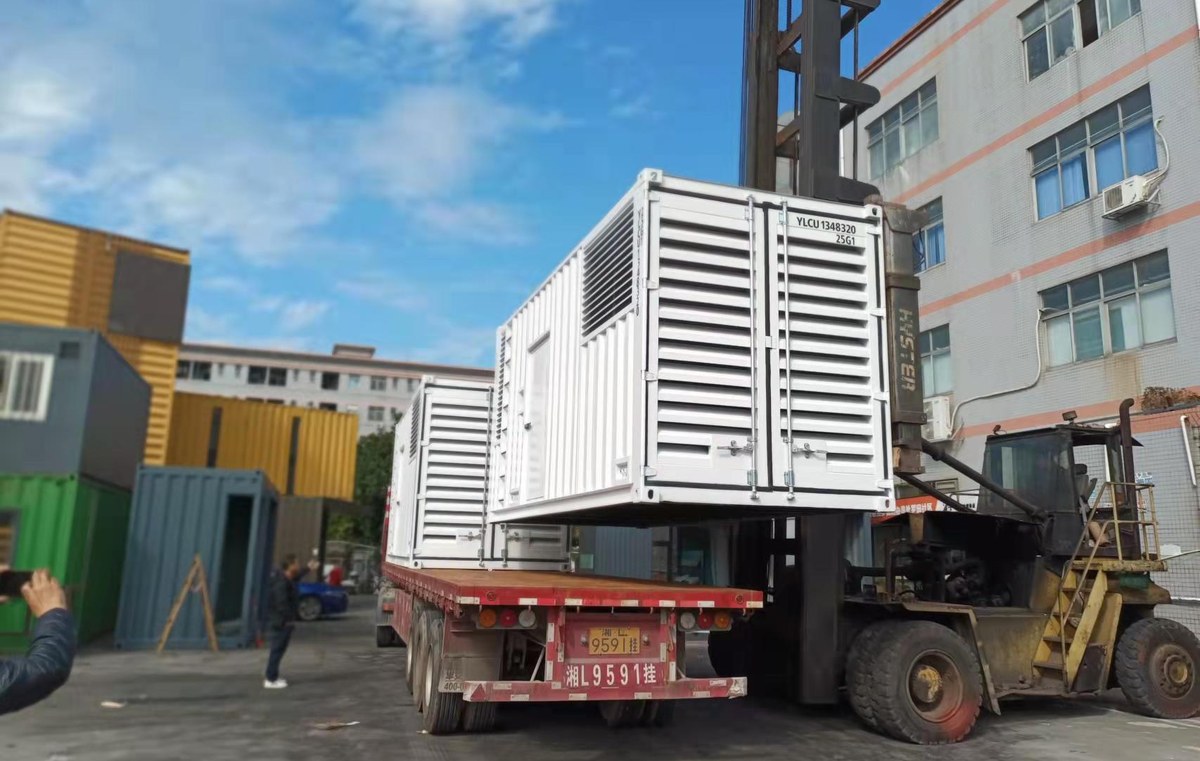
A cabin family with relief panels sized to the enclosure volume, hydrogen detection at the high points, forced ventilation interlocked with the detection loop, and Ex-rated electricals throughout. Gas trains and control panels are installed at the factory, then the whole assembly is leak-tested and function-tested before dispatch.
Because the design is fixed, the batch runs on one jig and one inspection sheet. Livery, signage and door furniture are applied to a single drawing, which is why the row of units on a site looks like a row rather than a collection.
Three things that decide whether the cabin passes inspection
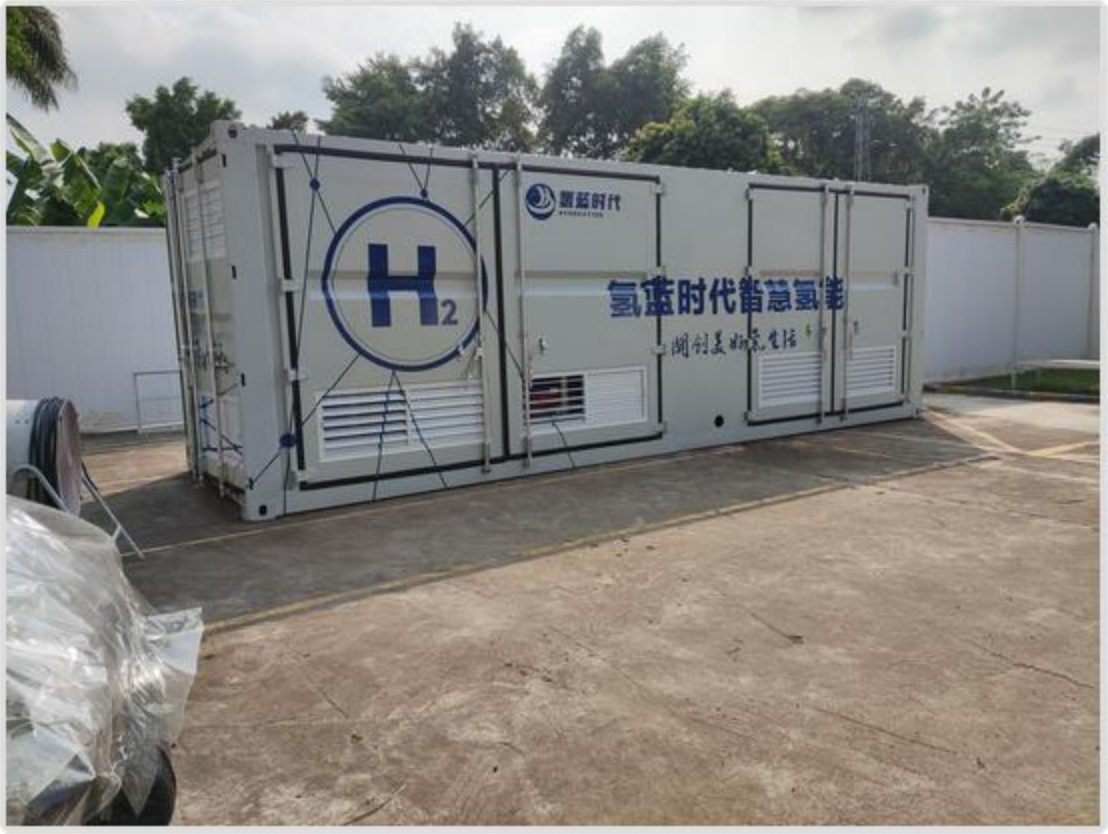
Relief panels sized against the enclosure volume and positioned so the discharge goes where people are not. A generic louvre does not satisfy this.
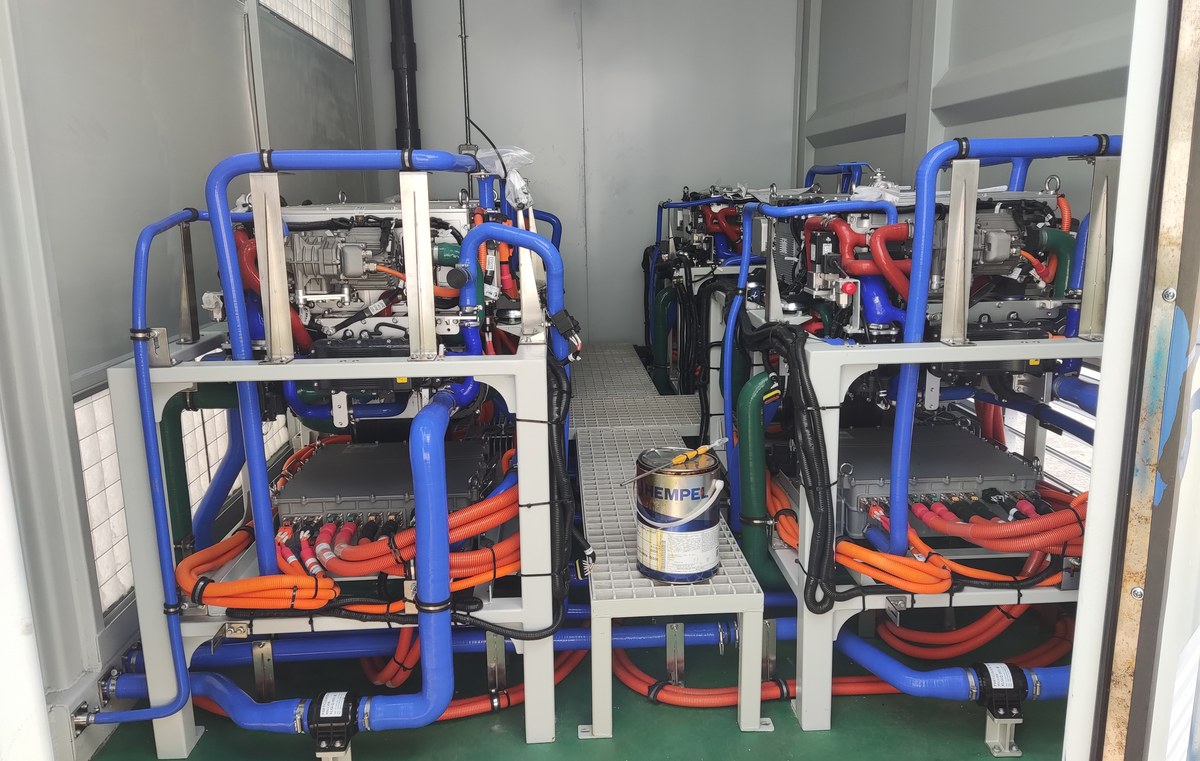
Valve train, regulators and instrument connections assembled and pressure-tested before dispatch, so site work is a connection rather than a build.
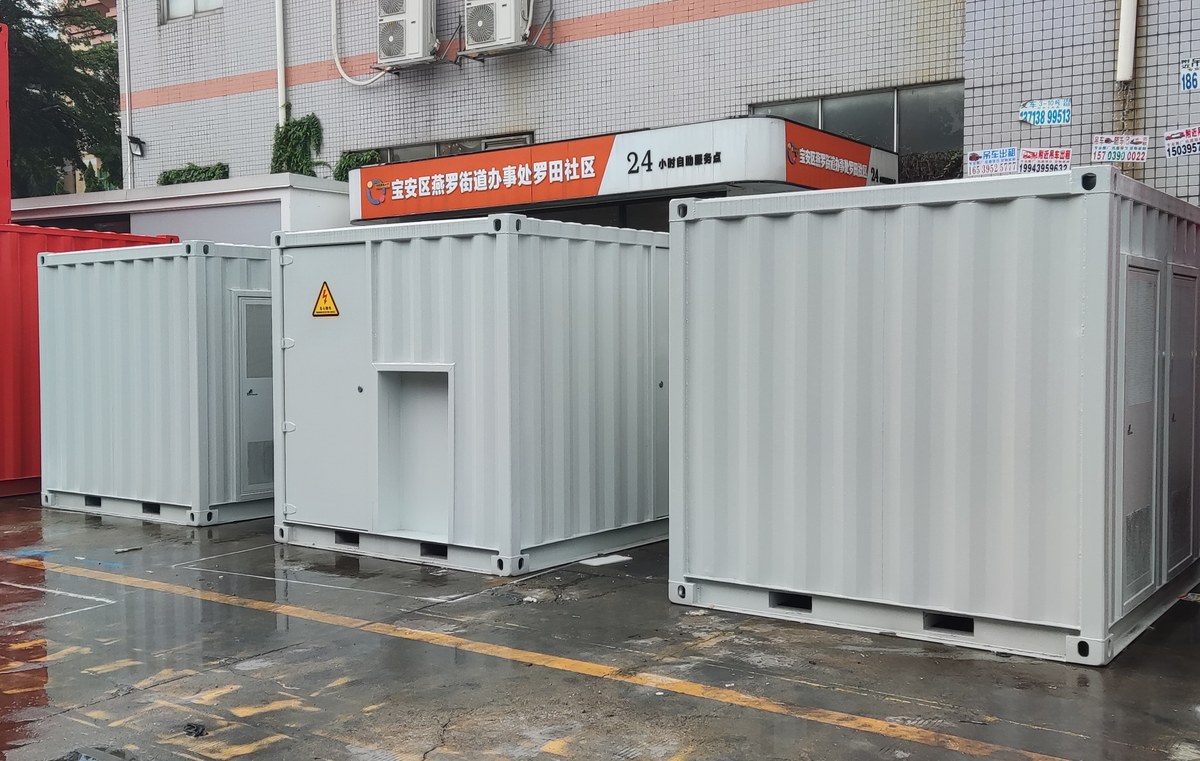
Identical envelope, identical penetrations, identical inspection sheet. Batch consistency is a documentation problem before it is a manufacturing one.
From drawing release to the site boundary
What the batch actually repeats
Values describe the configuration as delivered. Batch size and commercial terms are not disclosed.
The batch, and the equipment inside it
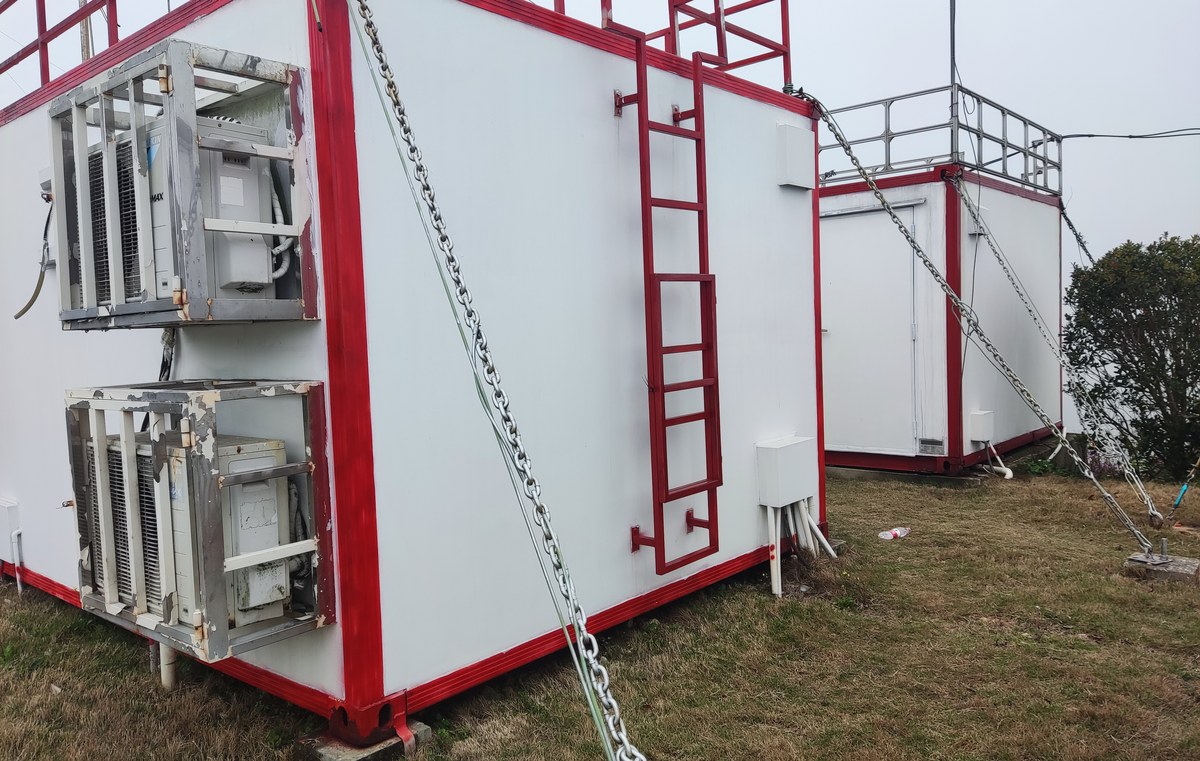
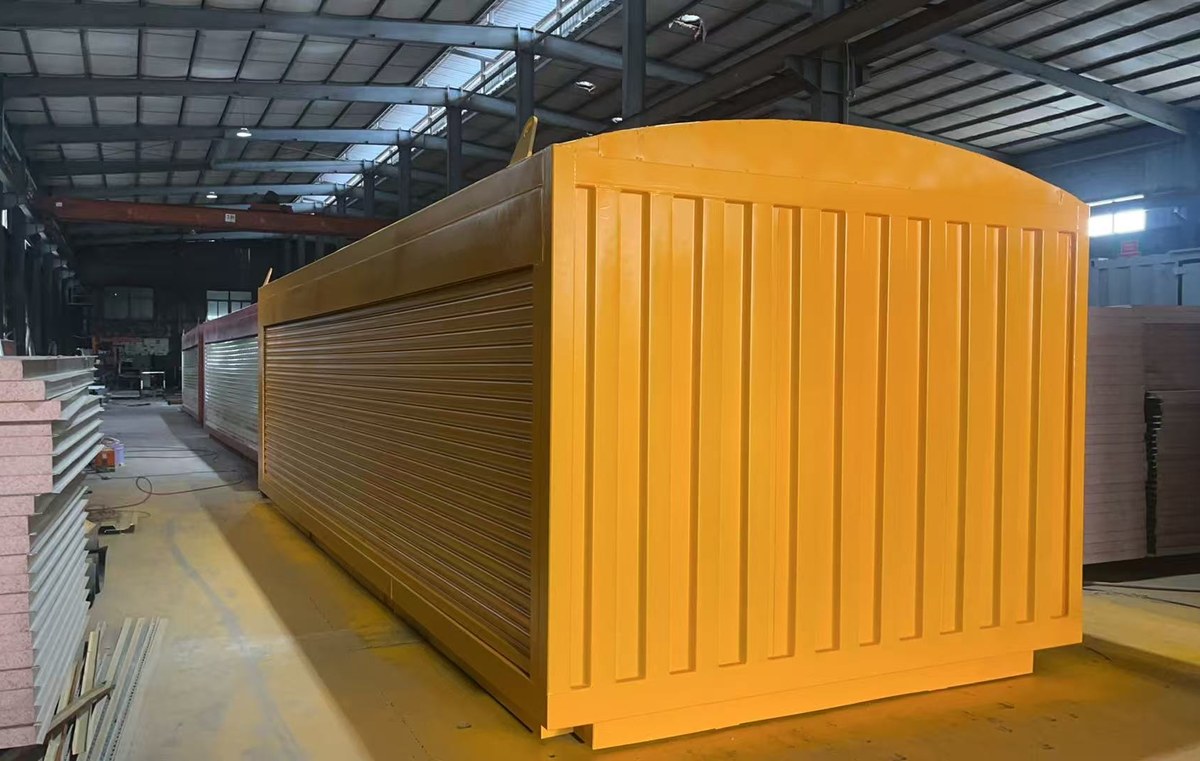
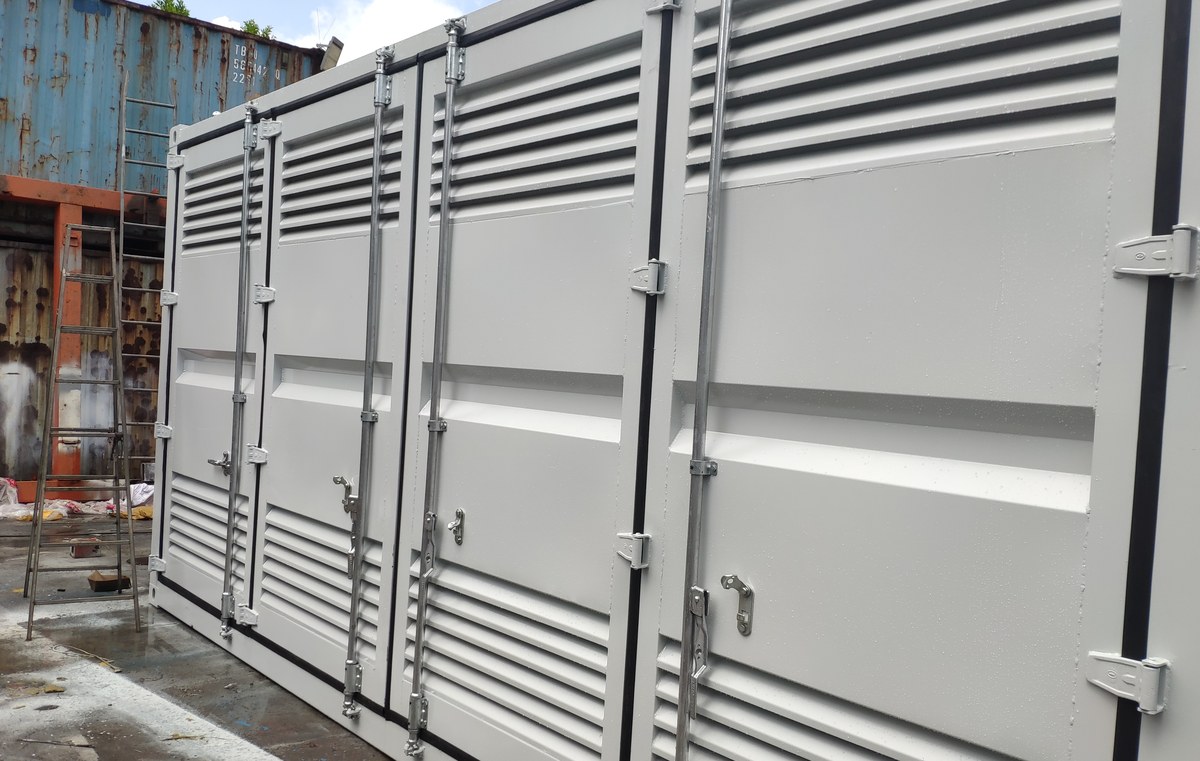
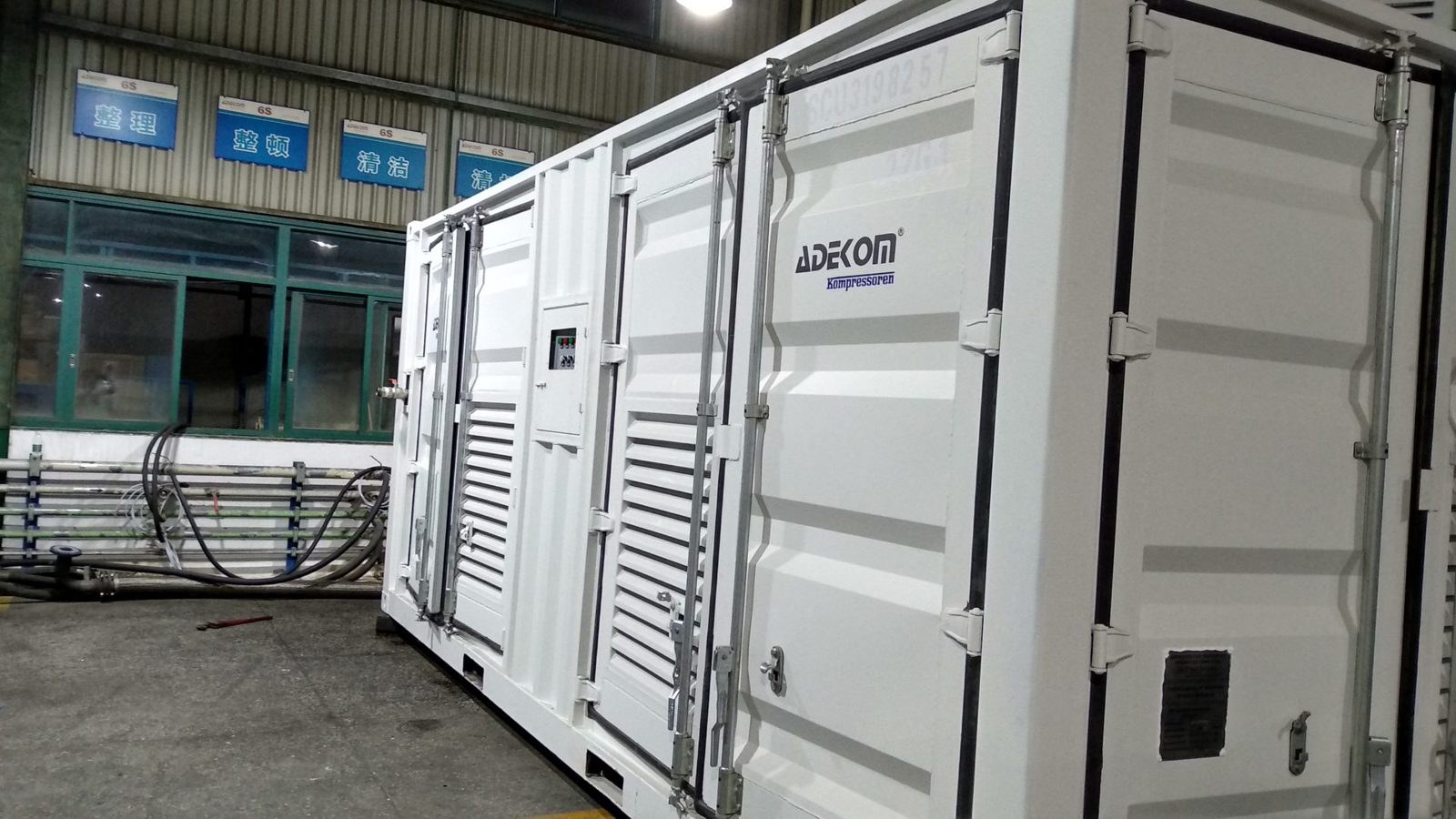
The products this specification maps to
Published as an anonymised reference. The client is not named and the site location is given only to region level. Commercial values (contract sum, unit price) are withheld; the technical figures describe the configuration as delivered. Where a number has been rounded or scaled for confidentiality it is stated in the note above.
Send the zone drawing and the equipment schedule. We will send the envelope and the test plan.
Tell us the gas, the volume and the inspection authority. We will come back with the relief area, the ventilation rate and a per-unit test record you can hand over.