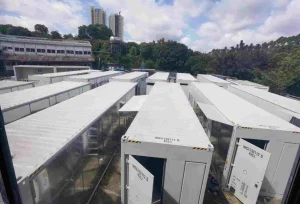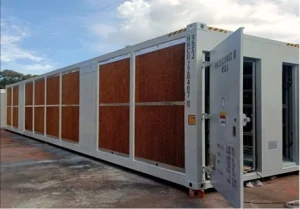

Demand for expandable container houses has been growing in both commercial and residential sectors over recent years. As temporary buildings, expandable container houses are often used as temporary offices, data centers or even as so-called ‘green hotels’. One of the most important factors that should be considered when calculating the total project budget of a container house is the cost of transportation of the house. When a buyer or a contractor knows how much the transportation of a container house is going to cost, they can make wise decisions and set up their logistics in the best possible way.
How Transportation Influences Expandable Container House Expenses
The cost to move a modular container housing unit can vary greatly depending on several variables pertaining to the move and the cost of the shipping container itself. The size of the unit, weight, mileage and local, state or federal regulations all play a large role in the final cost of moving your modular container housing.
Distance and Logistics Complexity
Transportation costs are also affected by the distance that a container has to travel. For deployment of an expandable container house at very remote or even international locations, the required logistics are even more complex, for example:
- Customs clearance fees for international shipments.
- Specialized carriers for oversized or heavy loads.
- Coordination of local transportation from port to site.
The distance factor is one of the key cost components of the shipping container. The distance factor has a direct relationship to fuel cost, labor cost, and insurance cost.
Weight and Size Considerations
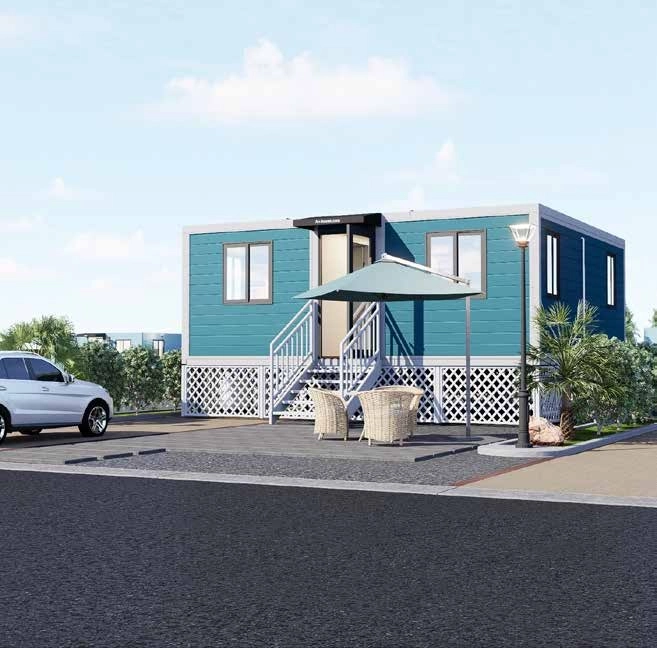
The physical dimensions of expandable container houses have a major impact on their transportation costs. While standard containers of 20ft and 40ft are easy to transport, expanded or customized modular houses of larger sizes need:
- Oversized transport permits.
- Reinforced transport vehicles.
- Additional handling at loading and unloading points.
The above requirements increase cost of transportation of container houses but provide safety of transportation and reduces risk of damage.
Regulatory and Safety Compliance
Compliance with local and international regulations is non-negotiable. Shipping container cost can increase if the containers must meet specific safety certifications, including fire resistance, seismic resistance, or environmental standards. At ACTBOXES, we provide units designed to meet CSA certification, Class A fire performance, and Level 8.5 earthquake resistance. These features add value but may also influence logistics strategies.
Strategies to Manage Transportation Costs
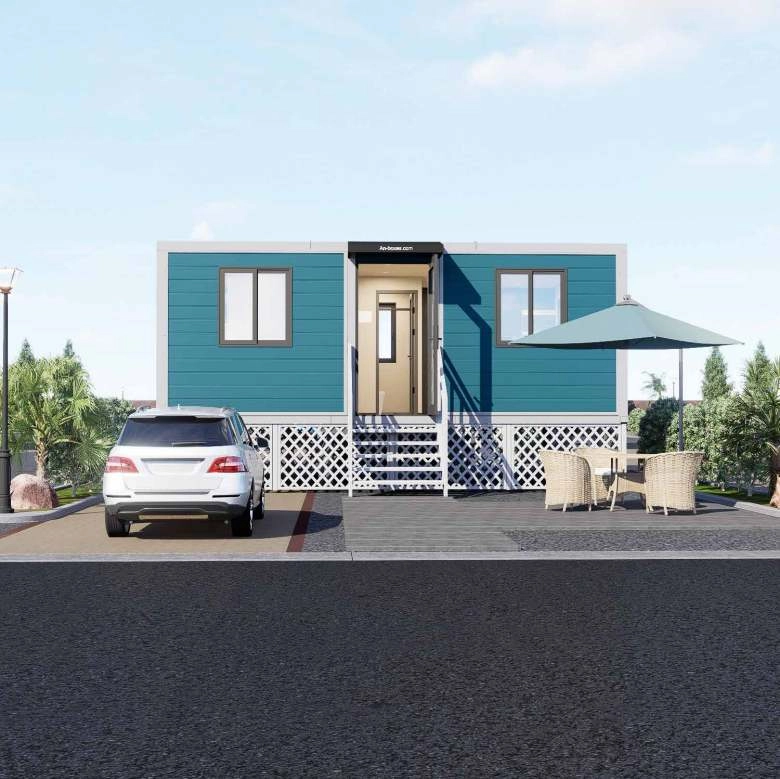
When it comes to managing costs related to containers it is crucial to start planning as early as possible and keep close contact with the supplier. ACTBOXES for example is providing a personalized consultation for international logistics, and explains the costs of the transportation for the customer’s project budget in detail.
- Optimizing shipment schedules: Consolidating multiple units in a single shipment reduces per-unit costs.
- Selecting appropriate transport mode: Sea freight may be slower but often cheaper than air or land transport.
- Pre-fabrication planning: Designing units for modular stacking can reduce overall volume, cutting shipping container cost.
By combining these strategies businesses can pay for modular container housing without sacrificing quality.
The Role of Expandable Container Houses in Cost-Efficient Construction
We at Expandable container houses provide our customers with a number of advantages. Houses arrive to site mostly pre-fabricated thus reducing labor on site and time to completion. This in turn affects also cost of labor as well as potential additional costs due to delays.
Pre-Fabrication vs. On-Site Assembly
- Pre-fabrication: Reduces construction time on-site, lowers labor costs, and simplifies compliance with local regulations.
- On-site assembly: May be cheaper in shipping smaller modules but increases the risk of delays and higher labor costs.
By weighing up all these factors it is possible to give an accurate estimate of the costs of the transportation of the container houses and the construction itself.
Environmental and Sustainability Considerations
The transportation of container houses has environmental implications. ACTBOXES is promoting green building by using materials and designing in a modular fashion in order to keep consumption of resources to a minimum. Efficient planning of the transport also leads to lower costs and fulfills the sustainability objective of ACTBOXES.
- Reduces fuel consumption through optimized routing.
- Encourages the use of reusable containers.
- Limits carbon footprint by minimizing the number of trips.
By offering two key benefits, the prefabricated container building is the preferred option for many environmentally friendly companies.
Practical Tips for Reducing Shipping Costs
- Plan Early: Begin logistics planning during the design phase.
- Consolidate Shipments: Combine multiple container units where feasible.
- Choose Economical Routes: Evaluate sea, rail, and land transportation costs.
- Leverage Local Assembly: Reduce the need for oversized international transport.
- Use ACTBOXES Consultation: Our team advises on cost-saving strategies without compromising safety or quality.
Follow these simple steps to see how you can keep a handle on your budget while we supply you with the best quality expandable container units.
Real-World Applications and Cost Insights
ACTBOXES has delivered container-based solutions across various industries:
- Data Center Containers in Texas: 13 container units with advanced cooling and security systems, transported and deployed efficiently to meet client demands.
- Zhuhai Children’s Amusement Park: 33 creative container units survived Typhoon Hato, demonstrating durable transport and design resilience.
- Rapid-Deployment Green Hotel: 10 Expandable Container Rooms constructed in one month, showcasing cost-efficient logistics and rapid installation.
The following case studies illustrate how the transportation of container houses can influence a project’s key parameters with respect to time, cost and sustainability.
Conclusion
The transportation of expandable container houses is an important component of the total cost of the houses. Several factors affect the shipping container cost: the distance to which they will be transported; their size and weight; any relevant local, state, or national regulations; and their sustainability. ACTBOXES has developed modular container houses that are to be cost-effective to transport, to set up quickly, and environmentally friendly. We have a good deal of experience and would be happy to assist in planning the logistics to ensure that you can provide the best houses for your needs while keeping your shipping container costs down.
Well managed logistics will add value to prefabricated container buildings by ensuring on time delivery to destinations worldwide. This type of building can be used for commercial or residential purposes and can be suitable for development projects globally.
FAQs
Q: What is the approximate cost of delivering a standard expandable container house?
A: 1500–3000 USD per 20ft unit for delivery depending on distance.
Q: Does modular container housing get shipped internationally?
A: Yes. With proper permits and compliance to local regulations.
Q: How do you think that the way that a container house is transported will affect the durability of the building?
A: By properly shipping the containers, the structure is preserved. Minor damage can occur by mishandling.