Outdoor adventures offer freedom, fresh air, and a welcome break from crowded cities. However, sleeping in a damp tent or living in a basic cabin can quickly reduce that sense of freedom. Travelers increasingly want to stay close to nature without giving up privacy, reliable shelter, or everyday comfort.
This is where expandable container homes provide a practical answer. They combine a compact transport form with a wider residential space after expansion. For campsite owners, resort developers, and outdoor enthusiasts, these buildings create comfortable accommodation in places where traditional construction may be slow, costly, or difficult.
At ACTBOXES, we design container solutions for different residential needs. Our goal is to make outdoor living safer, more comfortable, and easier to manage while respecting the surrounding environment.
Why Expandable Container Homes Suit Outdoor Destinations
A remote destination creates challenges that are rarely found in an urban building project. Materials may need to travel along narrow roads, skilled workers may be difficult to find, and the local weather can change quickly. Expandable container homes answer these challenges through factory production, compact transportation, and faster on-site installation.
Compared with a permanent building, an expandable unit requires less complex work at the destination. Much of the structure and interior preparation can be completed before delivery. Once the site and foundation are ready, the home can be positioned, expanded, connected, and inspected.
This approach can benefit:
- Mountain and forest campsites
- Lakeside holiday parks
- Coastal resorts
- Hunting and fishing lodges
- Farm stays and rural retreats
- Seasonal event accommodation
- Temporary outdoor staff housing
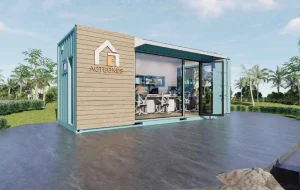
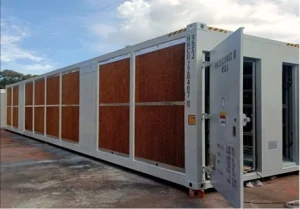
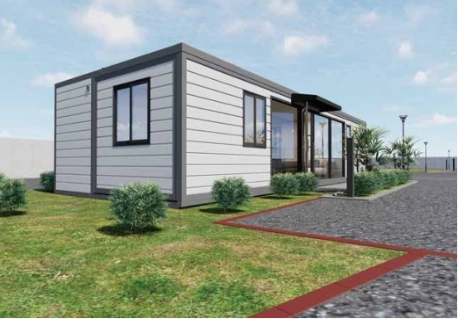
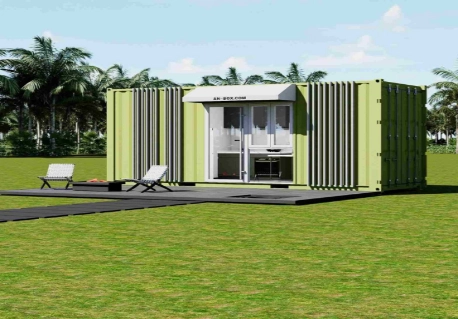
Our residential container homes include options for different space needs. Customers can consider 20-foot extension rooms, trailer versions, sea container houses, and combined 40-foot designs according to the site, expected guest numbers, and planned use.
More Indoor Space Without Difficult Site Construction
The main comfort advantage of an expandable design is simple: it creates more usable indoor space after arrival. During transport, the structure remains relatively compact. At the destination, its expandable sections open to form a broader living area.
This balance between transport efficiency and residential space makes portable container homes particularly useful for outdoor projects. The following features show how the design changes the guest experience.
Separate Areas for Rest and Daily Activities
A small shelter may protect travelers from rain, but shelter alone does not create a comfortable stay. Guests also need room to sleep, store equipment, prepare food, change clothes, and relax after a long day outdoors.
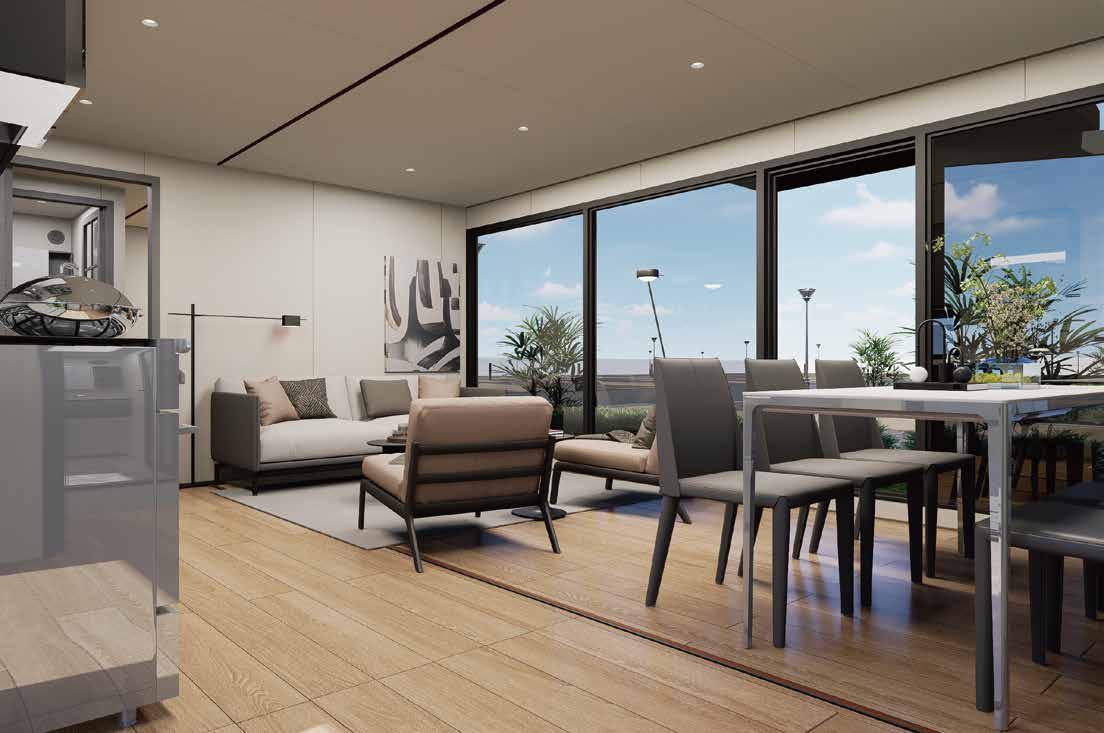
An expandable layout can divide these activities into clear zones. Depending on the chosen design, a unit may include a bedroom, living area, kitchen, dining space, and bathroom. Separate areas reduce clutter and give guests more privacy.
For families or groups, this distinction matters. Adults can read or prepare food while children rest. Wet hiking clothes can remain away from clean bedding. Outdoor equipment can have a planned storage area rather than covering the floor. These small details help container homes for outdoor adventures feel like real homes instead of temporary shelters.
Flexible Interiors for Different Types of Travelers
Not every destination serves the same audience. A quiet fishing lodge has different needs from a family campsite, cycling park, or premium glamping resort. For that reason, interior planning should reflect how guests will actually use the building.
At ACTBOXES, we offer creative design and personalized container solutions. Room divisions, window positions, doors, storage, bathroom placement, and finishes can be considered during the design stage. This gives project owners greater control over guest capacity and movement inside the unit.
A flexible interior may support:
- A private bedroom for couples
- Twin beds for friends or outdoor teams
- A family sleeping area
- Equipment storage beside the entrance
- A compact kitchen for longer stays
- A bathroom for greater privacy
- A desk for remote work or trip planning
Protection from Changing Outdoor Conditions
Comfort outdoors depends heavily on protection. Sunshine may become heavy rain within hours, and a warm afternoon can turn into a cold night. Strong winds, dust, insects, and outside noise can also affect sleep. A well-designed modular container housing unit creates a more controlled indoor environment.
The structure, insulation, doors, windows, and sealing system must work together. Buyers should therefore examine the complete building specification rather than judging a home only by its appearance.
Thermal Insulation for Hot and Cold Destinations
Temperature control is central to outdoor comfort. ACTBOXES expandable houses are presented with a thermal insulation range of -22°F to 122°F. Suitable insulation slows heat transfer through the roof, walls, and floor, helping the interior remain more stable when outdoor temperatures change.
Insulation also supports more efficient heating and cooling. A small air-conditioning or heating system does not need to work as hard when the building envelope limits unwanted heat movement. This can lower energy use and create a quieter indoor space.
Site conditions still matter. Shade, sunlight direction, ventilation, local climate, occupancy, and installed equipment all affect real indoor performance. Project owners should discuss these factors before selecting materials and climate-control systems.
Strength, Fire Performance, and Sound Control
People sleep better when they feel protected. When it comes to specifications for our expandable house, the structure offers Class A fire performance, earthquake resistance up to Level 8.5, typhoon resistance of 50 m/s, and soundproofing of at least 40 dB.
These figures show why expandable container homes can offer a stronger sense of security than light outdoor shelters. Sound control is especially helpful at busy campsites, where vehicles, conversations, rain, and nearby activities may disturb guests.
Actual project requirements must be reviewed against local building rules, site conditions, foundation design, and installation methods. Buyers should confirm the required standards before ordering or placing any residential unit.
Everyday Facilities Bring Home Comfort Outdoors
A memorable outdoor trip should not require guests to struggle with basic daily tasks. Access to a private bathroom, a practical food area, good lighting, and charging points can greatly improve a stay. These facilities are particularly valuable for families, older travelers, and guests booking several nights.
A residential unit can support everyday comfort through:
- Private bathroom facilities
- Kitchen counters and storage
- Dining or seating areas
- Electrical outlets for personal devices
- Interior and exterior lighting
- Hot and cold water connections
- Heating, ventilation, or air conditioning
- Secure doors and windows
- Shelving for bags and outdoor gear
Natural light also changes how a compact home feels. Thoughtful window placement can make the room appear larger while connecting guests with the landscape. Cross-ventilation may bring fresh air through the home when weather conditions allow.
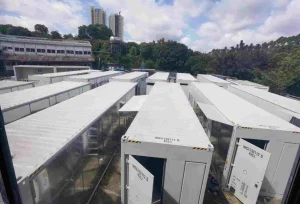
Our CH700 rapid-deployment hotel project demonstrates how expandable rooms can support complete living functions. Ten units were used to create an environmentally conscious hotel complex. Each house included two rooms, a living room, dining room, kitchen, and bathroom, with attention given to natural lighting, ventilation, and energy-saving systems.
Faster Deployment Helps Outdoor Businesses Open Earlier
Construction time directly affects the income of a campsite or resort. A long building schedule may cause an operator to miss a holiday season. It can also bring extended noise, waste, heavy equipment, and worker traffic into a natural destination.
Because much of a residential container home is prepared in a controlled production environment, on-site work can be reduced. The CH700 project was completed within one month, showing the value of coordinated production and installation for a multi-unit hospitality development.
Faster deployment may help outdoor operators:
- Add guest rooms before a busy season
- Expand accommodation in planned phases
- Reduce long periods of site disturbance
- Respond to changing visitor demand
- Replace or relocate units when land use changes
Speed does not remove the need for careful planning. Access roads, crane positions, foundations, drainage, water, electricity, wastewater treatment, and local permits should be considered early. A detailed site review helps prevent delays when the units arrive.
A More Responsible Way to Build Near Nature
Outdoor travelers often care deeply about the places they visit. Accommodation should therefore support the landscape instead of overwhelming it. Portable container homes can reduce some of the prolonged activity associated with conventional on-site building because key production stages take place away from the destination.
Container-based structures may also be reused, moved, or adapted when project needs change. This flexibility can extend the service life of the building and reduce unnecessary material waste. Compact delivery can further improve transportation efficiency, especially when expandable sections remain folded during shipping.
ACTBOXES was established in 2013, and sustainability remains one of our core values. Our company mission is to provide environmentally friendly and innovative modular container housing solutions. We also offer design and production support as part of a one-stop service.
Still, responsible development requires more than choosing a modular building. Project owners should protect local vegetation, manage wastewater, limit artificial lighting, plan drainage, and choose energy-saving equipment. The building is one part of a wider environmental plan.
Choosing a Residential Container Home for an Outdoor Project
The best unit is not simply the largest or most decorative model. It is the one that fits the land, climate, guest profile, transport route, and operating plan. Before purchasing expandable container homes, buyers should prepare clear answers to several questions.
Consider the following points:
- How many people will use each unit?
- Will guests stay for one night or several weeks?
- Does the site face heavy rain, snow, heat, wind, or salt air?
- Can delivery vehicles and lifting equipment reach the location?
- What foundation is suitable for the ground?
- Which water, electrical, and drainage connections are available?
- Are a kitchen and private bathroom required?
- Which local permits and building standards apply?
- Will the unit remain permanently or move seasonally?
- What maintenance can the site team provide?
Sharing this information early helps us recommend a more suitable layout and specification. Buyers can review our product range and then contact ACTBOXES to discuss dimensions, room functions, finishes, transport, and project conditions.
Conclusion
Expandable container homes bring together the freedom of outdoor travel and the comfort of a private indoor space. Their wider deployed layout can provide separate sleeping, living, cooking, and bathroom areas, while insulation and a strong structure offer protection from changing weather. Factory preparation also shortens much of the work required at remote destinations, helping campsite and resort owners open accommodation sooner.
For travelers, the result is simple: better rest, more privacy, secure storage, and reliable everyday facilities without losing contact with nature. For project owners, modular container housing offers a flexible path for phased growth and changing demand. With careful site planning and a suitable specification, ACTBOXES residential container homes can turn an isolated outdoor location into a welcoming place to stay.
FAQs
Q: How much does an ACTBOXES expandable house weigh?
A: The listed expandable house weight is approximately 6,000 kilograms.
Q: What temperature range can an expandable container home support?
A: Its listed insulation range is approximately -30°C to 50°C.
Q: Can portable container homes include kitchens and bathrooms?
A: Yes. Layouts can include kitchens, bathrooms, bedrooms, dining areas, and storage.