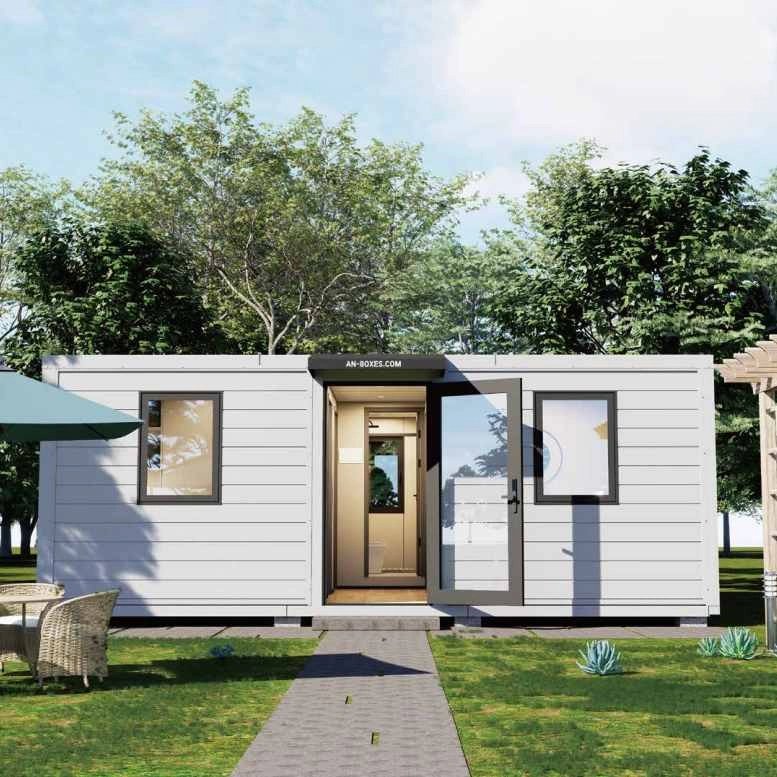
In modern construction and industrial projects, the site office container has become an important part for on-site management, administration, and worker facilities. These modular structures give flexibility, fast setup, and a steady space for office tasks, storage, and rest zones. One key point often missed is the container office sizes needed to keep good shipping container drainage. The right size affects comfort, efficiency, durability, and upkeep of the unit.
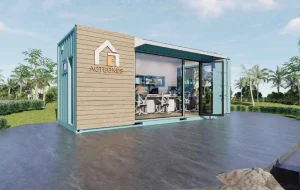
At ACTBOXES, we focus on modular office containers made for different project sizes. Our products handle tough conditions such as heavy rain, rough ground, and long weather exposure. This setup keeps the on-site team safe and comfortable.
Understanding the Importance of Container Office Size
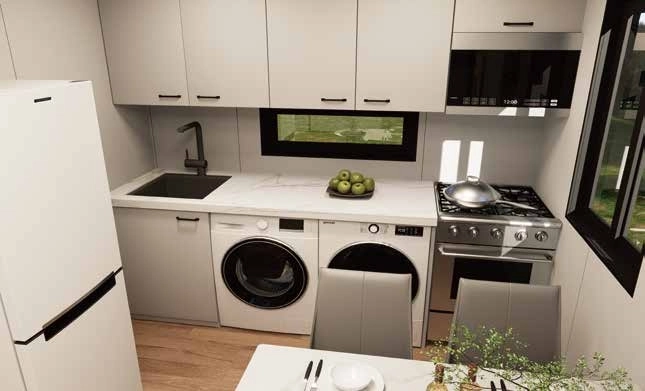
Picking the best container office sizes matters for good drainage. Many look at the inside layout or staff numbers. Yet the outer size and build shape control how water and debris flow around the structure.
The Relationship Between Size and Drainage
- Larger units: Offer more inside room but need clear drainage paths to stop water buildup.
- Compact units: Move and set up with ease but can face water pooling on uneven ground.
- Stacked or multi-unit configurations: Need linked gutter systems and slope plans to handle water flow well.
Good drainage stops water harm, rust, and mold. It also lengthens the life of prefabricated container buildings. At ACTBOXES we often suggest raised bases or adjustable supports. These steps let smaller site office containers drain on their own.
Standard Dimensions for Site Office Containers
Usually modular office containers come in set lengths and widths. This makes transport and site placement easy to plan. Common sizes are listed below.
- 20-foot containers: About 6 meters long, good for one office or small storage.
- 40-foot containers: About 12 meters long, fit for several desks or mixed office and rest space.
- Expandable units: Width designs that open after arrival, adding floor space without extra transport needs.
Our ACTBOXES expandable container office solutions focus on inside comfort and outside drainage. The pre-built design and chosen sizes move water away well. This cuts down on later repairs.
Factors Influencing Optimal Sizes
A few main points shape the choice of site office container dimensions.
- Staff Count: Larger teams need bigger units with separate work zones, meeting spots, and rest areas.
- Equipment Storage: Site offices store tools, IT gear, and records. The right size keeps things from crowding.
- Weather Conditions: Rain-heavy sites may need extra roof edges or sloped surfaces for better water flow.
- Modularity Requirements: Joined units call for careful drainage at join points to avoid water traps.
When these points are weighed, the chosen container office sizes support both daily work and site conditions.
Effective Drainage Design in Shipping Containers
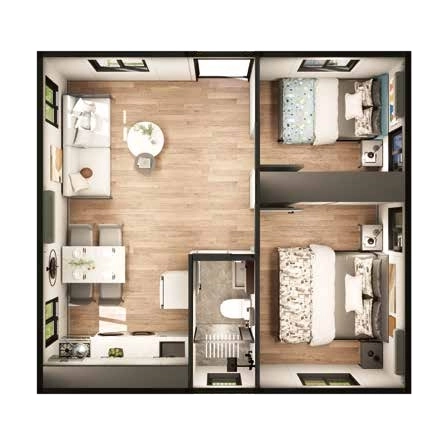
Even a well-sized modular office container needs solid drainage design. At ACTBOXES we use several steps to control rain and runoff.
Sloped Roofing and Surface Planning
- Sloped roofs send water away from doors and key entry points.
- Raised platforms or skids let water pass under the unit and limit base contact.
- Extra gutter lines catch rain and lead it to ground drains.
These steps matter most for multi-unit sites. Water between units can lead to long-term damage.
Integration with Site Topography
Containers placed on sloped ground need less extra drainage work. On flat sites we suggest adjustable supports or gravel pads. These raise the units a bit and stop water from sitting at the base.
Materials and Coatings
- Rust-resistant steel limits corrosion even if drainage is not perfect.
- Non-slip coatings on paths and entries reduce slip risks from water.
- Sealed joins on expandable units block leaks and inside water pools.
Our ACTBOXES modular office containers use strong materials chosen for long life and site performance.
Modular vs. Prefabricated Designs
Prefabricated container buildings have set sizes. This makes drainage planning simple. Modular units, especially expandable types, add flexibility yet still need careful layout.
Advantages of Modular Units
- Size can change to match staff and tool needs.
- Units can grow or join when project needs shift.
- Deployment can happen in stages across different site areas.
Prefabricated Units Benefits
- Fixed sizes make transport and placement straightforward.
- Even roof slopes and gutters help water move away quickly.
- Setup is often faster, cutting delays and labor costs.
ACTBOXES offers both choices to fit many projects while keeping strong shipping container drainage.
Planning Multi-Unit Site Offices
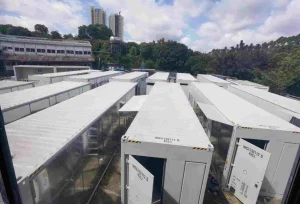
When several site office containers are used, drainage plans grow more complex. Good spacing and alignment stop water from collecting between units.
Key Considerations
- Spacing: Keep enough room between units for water to run off.
- Connectivity: Expandable units need sealed joins and linked drainage lines.
- Foundation: Adjustable blocks or skid bases help level units and limit uneven water spots.
ACTBOXES has set up many multi-unit offices on large projects. We match container office sizes with drainage plans for best results.
Practical Tips for Site Office Container Placement
- Assess Local Rainfall Patterns: Match roof slope and gutters to local rain levels.
- Elevate Containers: A small lift can improve drainage a great deal.
- Use Permeable Ground Cover: Gravel or grass under units stops standing water.
- Regular Maintenance: Remove debris from gutters and check seals on a set schedule.
- Leverage ACTBOXES Consultation: We help clients pick sizes and placement for best drainage.
These steps keep your modular office container working well and safe. They also lower long-term repair costs.
Case Studies: ACTBOXES in Action
Rapid-Deployment Green Hotel
We placed 10 expandable container rooms to build a green hotel in one month. Each unit came with roof slopes and built-in drainage lines. These details stop water pools and protect the structure.
Texas Data Center Containers
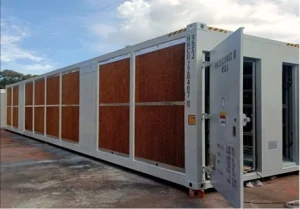
13 prefabricated container buildings were sent and set as modular data centers. The job needed exact drainage plans to guard sensitive gear. This case shows how size choice and drainage work together.
Conclusion
Choosing the right site office container sizes affects daily work and long-term strength. Well-planned modular office containers support strong shipping container drainage. They cut repair needs and protect the investment. At ACTBOXES we supply many prefabricated and expandable container office options. These units are adjustable, strong, and built for site conditions. Our skill in container office sizes, material choice, and site layout helps clients gain safe, cost-effective, and lasting office spaces on site.
FAQs
Q: What is the standard size for a site office container?
A: Standard sizes are 20ft or 40ft, depending on staff and equipment needs.
Q: How can drainage be improved for multi-unit container offices?
A: Elevate units, use sloped roofs, and leave space between containers.
Q: Are ACTBOXES modular office containers suitable for heavy rain areas?
A: Yes, all units include roof slopes and drainage channels for safety.