Introduction
Extendable container setup solutions are rapidly becoming a standard fixture within the construction and temporary housing industries, providing emergency accommodation and remote working spaces. ACTBOXES provides an innovative range of design and manufactured container solutions that are not only highly expandable but also have been expertly designed with the user in mind. This means that the deployment and setup of your container has been engineered to be as straightforward, efficient and safe as possible. We find that many of our clients will be setting up portable container homes, either for rapid deployment or to provide a relocatable solution, so we have put together a comprehensive guide to the best tools, techniques and practices to use when completing a successful setup.
Key Principles of Extendable Container Setup
Before looking at tools and techniques to extendable container setups it is better to first understand the principles that make this possible.
- Structural Integrity:Expandable containers are built with reinforced steel frames to withstand repeated setup and mobility.
- Modular Design:Components are pre-fabricated to allow stacking, expansion, and seamless integration with other units.
- Rapid Deployment:Pre-engineered connections and expansion mechanisms reduce installation time.
- Sustainability:Using containers minimizes material waste while supporting green construction initiatives.
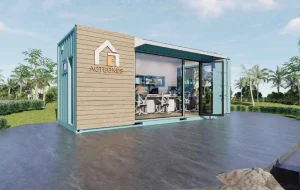
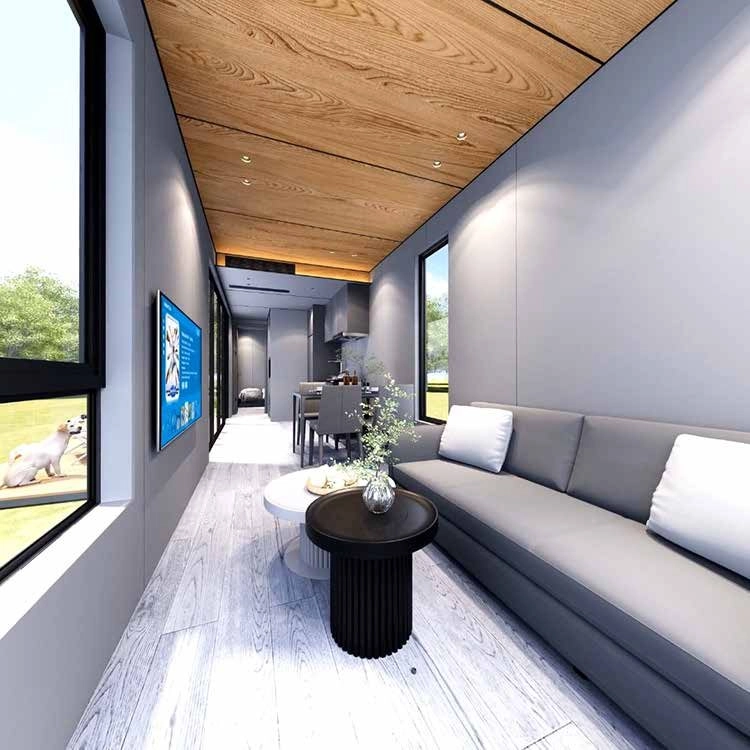
Modularity, portability and sustainability are core values that ACTBOXES implements in all of its products. For instance, the CH700 Rapid Deployment Green Hotel units enable fast setting up and relocating of a hotel structure.
Essential Tools for Extendable Container Setup
Heavy Lifting and Placement Tools
In all extendable container systems the first steps comprise moving and positioning the containers.
- Cranes and Forklifts:Necessary for lifting large container modules and positioning them accurately on foundations or supporting structures.
- Heavy-Duty Slings and Chains:Used to secure containers during lifting and prevent deformation.
- Hydraulic Jacks:Enable fine adjustments to container alignment for leveling before securing expansion components.
Using lifting equipment correctly will help to ensure that both your staff and your container are safe.
Connection and Assembly Tools
After placement, containers require secure assembly:
- Torque Wrenches:Critical for fastening bolts that join container sections or expansion units.
- Screwdrivers and Power Drills:For installing internal panels, fixtures, and secondary structures.
- Alignment Levels and Laser Tools:Ensure that the containers are perfectly leveled, preventing stress on expansion walls or doors.
Modular container construction requires a selection of tools that can be used to maintain the structure’s durability and precision.
Utility Integration Tools
Many extendable containers come pre-fitted with utilities:
- Pipe Cutters and Crimping Tools:For connecting plumbing systems.
- Wire Strippers and Multimeters:For electrical connections and testing.
- Sealing Guns and Insulation Applicators:To ensure airtight expansion sections and prevent leaks.
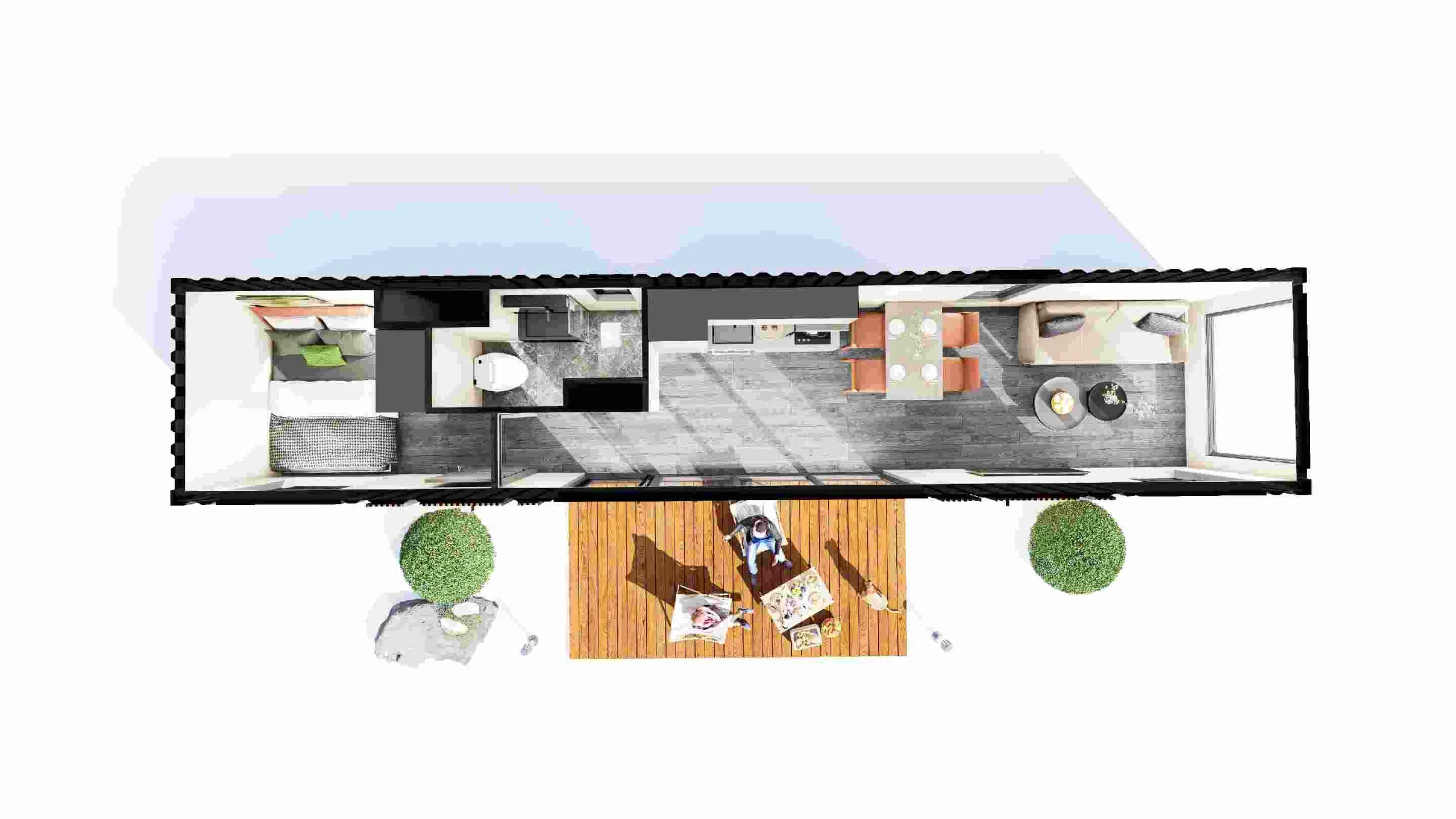
Portable container homes from ACTBOXES have utility connections ready to plug in for easy installation to prevent any damage.
Techniques for Efficient Extendable Container Setup
Site Preparation
A well prepared site is critical to the successful use of extendable containers.
- Foundation Assessment:Containers can be installed on concrete pads, piers, or reinforced soil. Proper foundation prevents sagging or misalignment.
- Accessibility:Ensure that cranes and transport vehicles have clear paths.
- Safety Planning:Identify potential hazards and establish safety zones for workers and equipment.
The team at ACTBOXES carry out on-site assessments, enabling us to create setup plans and then complete the installation in the shortest possible time, with minimum risk of problems.
Modular Alignment and Expansion
Correct alignment is critical for long-term functionality:
- Sequential Expansion:Expandable containers are typically deployed one section at a time, starting from the base unit.
- Leveling and Anchoring:Use laser levels and hydraulic jacks to adjust each module and secure it to the foundation.
- Interlocking Systems:Most ACTBOXES units include interlocking mechanisms that connect sections and prevent movement during use.
Rapid deployment containerized communications can be set up using a variety of techniques, which are particularly relevant for use in urban or irregular environments.
Handling Pre-Fitted Utilities
Pre-equipped relocatable or expandable containers often have plumbing, electrical and/or HVAC pre-installed. Safe handling of these containers is critical.
- Disconnecting Non-Essential Utilities:Prevents accidental damage during expansion or movement.
- Protective Wrapping:Covers delicate components such as wiring or HVAC ducts.
- Sequential Testing:After installation, each utility system is tested for performance before container expansion is complete.
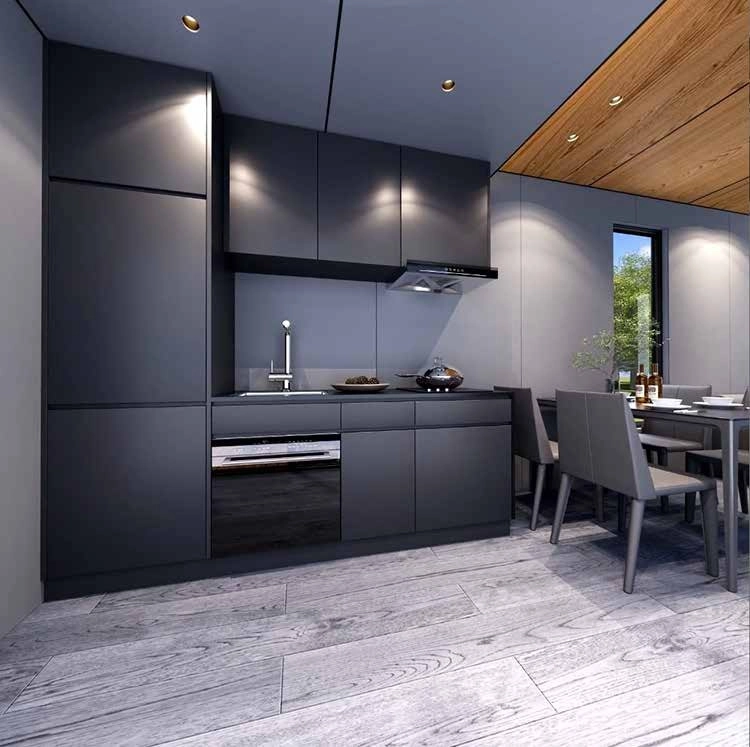
Pre-installed systems in ACTBOXES are designed with portable container solutions in mind. They save a lot of work while keeping the stability of processes intact.
Practical Setup Strategies
Rapid Deployment Workflow
For very time critical projects ACTBOXES recommends a standardized way of working.
- Site Clearance:Remove obstacles and level the foundation.
- Container Placement:Use cranes and forklifts to position base modules.
- Expansion Module Installation:Sequentially attach expansion units, checking alignment continuously.
- Utility Integration:Connect plumbing, electrical, and HVAC systems, testing each as you proceed.
- Final Inspection:Ensure all fasteners, joints, and expansion sections meet safety standards.
This workflow facilitates efficient modular container manufacturing and minimizes errors during installation.
Safety Considerations
Safety is paramount during setup:
- Always verify load capacities of lifting equipment.
- Use personal protective equipment (PPE) for all workers.
- Double-check structural supports before expanding side walls or stacking additional units.
Following the correct safety procedures to set up the extendable containers not only means that you will set up the containers quickly and efficiently, but also that you will set them up in compliance with the construction industry standards.
Case Studies: ACTBOXES Extendable Container Installations
CH701 Sea Container House Project
- Installed rapidly using cranes and hydraulic jacks.
- Each unit included pre-fitted bathrooms, kitchens, and energy-saving systems.
- Demonstrated modular alignment techniques for portable container homes.
- Full setup completed within weeks, illustrating how rapid deployment containertechniques support real-world projects Learn more .
Texas Digital Container Data Center
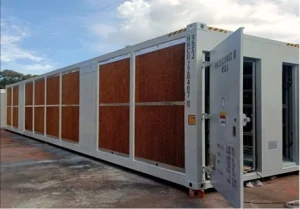
- 13 containers deployed to support a large technology firm.
- Advanced cooling and redundant power systems required careful utility handling.
- Units designed for future relocations, showcasing portable container techniquesin operational contexts Explore our data center units .
CH700 Green Hotel Deployment
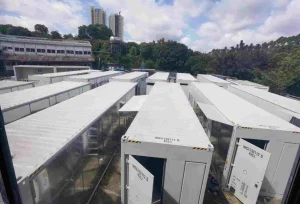
- Ten expandable container rooms installed to form an eco-friendly hotel.
- Rapid deployment achieved through sequential expansion and modular alignment.
- Pre-installed utilities reduced labor and setup time See CH700 project .
Best Practices for Extendable Container Setup
- Plan Ahead:Site surveys and equipment checks reduce delays.
- Use Specialized Tools:Cranes, torque wrenches, and laser levels improve precision.
- Follow Modular Techniques:Sequential installation prevents misalignment.
- Protect Utilities:Wrap or disconnect sensitive systems before expansion.
- Maintain Safety Standards:PPE and load verification protect workers and property.
As a core part of ACTBOXES design philosophy, ACTBOXES incorporates best practices into the design of the shelter in order to allow for efficient and safe deployment of extendable container shelters by the client.
Conclusion
For establishing an efficient and safe extendable container solution, the right combination of tools, knowledge and planning is necessary. At ACTBOXES, we are using cranes, jacks, laser levels, torque wrenches and much more for our modular container construction. Preparing the site, extend step by step and managing the utilities, all of this contributes to a high functionality and a low set-up time. With our portable container houses, temporary as well as long-term solutions can be solved in a cost-efficient and sustainable way. Therefore, they are suitable for establishing hotels, data centers, emergency shelters and more. Our ACTBOXES system is designed in a way that each installation is relocatable, flexible and expandable. Thus, it is the optimal solution for companies that are in need of changing solutions in order to be able to react to any demands in an environmentally friendly way.
FAQs
Q: What is the weight of a fully deployed CH701 container?
A:Approximately 6,500 kg complete with pre-fitted utilities.
Q: How long does it take to install a CH700 Modular Hotel Room?
A: 1-2 days per room depending on crew.
Q: What tools are required to move expandable container units?
A: Specialized tools are usually required, including cranes, hydraulic jacks, torque wrenches, and other lifting or positioning equipment.