Introduction
As more and more people turn to expandable container houses for their temporary or even permanent residential needs, and as more companies and organizations need additional commercial spaces in the form of modular or portable office containers, ACTBOXES – a company specializing in shipping container houses and other types of modular container solutions – has seen an enormous rise in interest in the company’s expandable container houses, modular container offices, and portable office containers. This is why we explain to our clients and potential customers, who are interested in purchasing from us, the main economic factors which can influence the prices of the houses and containers that we offer for sale.
We discussed previously the growing market of expandable container houses and the factors influencing this market. We will investigate in more details each of the factors affecting the price of containerized modular houses and how they affect the demand for them in comparison with traditional houses.
Material Costs and Manufacturing Expenses
The price of container houses is affected directly by the cost of the raw materials used in their production. These include steel, insulation and finishing materials.
- Steel prices: Fluctuations in global steel markets affect the base cost of the container shells. High-quality steel is vital for durability and resistance to earthquakes and typhoons, as demonstrated in our sea container house project.
- Insulation and finishing materials: Materials for thermal insulation and soundproofing influence both comfort and cost. ACTBOXES uses energy-efficient insulation in all our expandable container houses to maintain a comfortable environment in diverse climates.
- Labor and assembly: Skilled labor for cutting, welding, and assembly contributes to production costs. Modular prefabrication in our factory ensures efficient assembly and reduces long-term labor expenses.
Investing in high-quality materials will create long-term value, but costs are upfront. When evaluating the pricing of a container house, the client must weigh the durability of the product against the initial investment.
Transportation and Logistics
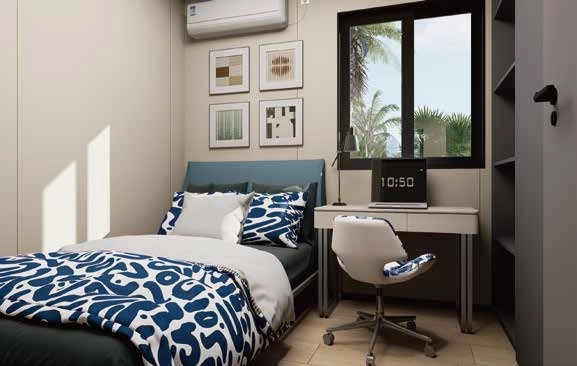
Some forms of modular homes such as shipping container houses have higher costs due to transport.
- Delivery distances: Longer transport routes increase fuel, labor, and vehicle costs.
- Site accessibility: Remote or challenging locations may require additional equipment or permits.
- Container size and weight: Expandable container houses are designed to maximize space without compromising mobility. Our rapid deployment green hotel project illustrates how modular units are transported efficiently to meet project deadlines.
The economics of transport can have a major bearing on the viability of a project. The client will compare the cost with the time taken to complete a project using traditional methods and decide whether or not to proceed with a Fast Track project.
Labor Costs and Installation Efficiency
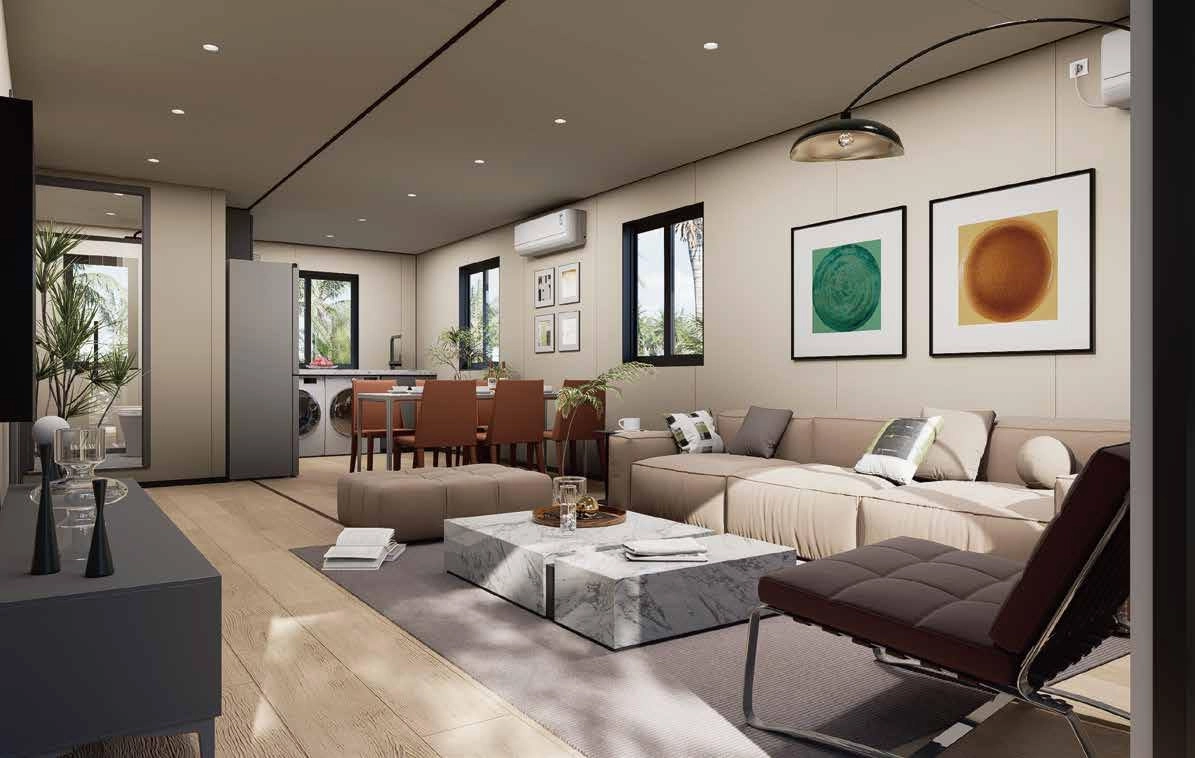
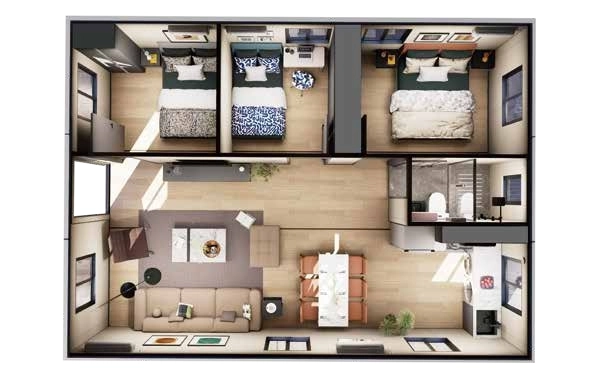
In the planning of project costs, the installation has to be taken into account. Unlike ordinary houses made of permanent materials, Container houses can be assembled quickly, which means that the costs for the workforce will be low.
- Rapid assembly: Our modular container offices can be deployed within days, minimizing on-site labor.
- Standardized components: Pre-assembled modules reduce complexity and errors during installation.
- Maintenance considerations: Ongoing maintenance is generally lower for containerized units due to durable materials and simplified systems.
ACTBOXES can offer full-service installation support to complete the install of your solution and help manage the risks of unforeseen additional labor costs.
Market Demand and Economic Climate
The general economic situation can influence the demand for expandable container houses.
- Real estate trends: In areas with high property prices, containerized solutions provide a cost-effective alternative.
- Industrial and commercial needs: Temporary offices, site offices, and expansion units benefit from flexibility and mobility.
- Government incentives: Policies promoting sustainable construction and energy efficiency can encourage investment in modular container houses.
ACTBOXES continuously monitors these criteria in order to adjust its offers to current market needs and to propose sustainable, efficient and attractive solutions compared to the classic forms of distribution.
Financing and Investment Considerations
When making purchasing decisions financial issues are of greatest importance.
- Return on investment: Lower construction and installation costs translate into faster ROI, particularly for rental properties and commercial projects.
- Loan accessibility: Favorable financing options can make expandable container houses more accessible to small businesses and developers.
- Scalability: Modular design allows incremental investment; clients can expand units as budget and requirements evolve.
Environmental and Sustainability Factors
Eco-conscious development is increasingly influencing buying decisions.
- Recyclable materials: Container houses repurpose steel and reduce waste from conventional construction.
- Energy efficiency: Integration of natural ventilation, solar panels, and insulation systems reduces energy costs.
- Sustainable branding: Companies benefit from promoting environmentally friendly facilities, which can attract tenants or clients.
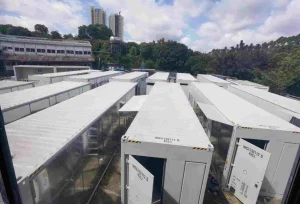
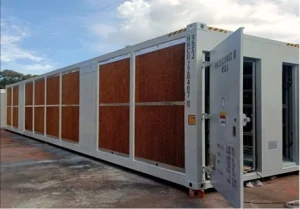
Our projects are to implement a future-proof data center in modular container units that fulfills the requirements of performance and sustainability – a global example is the Global Digital Currency Container Data Center System.
Flexibility and Mobility
Some of the economic advantages of a mobile workforce are the operational advantages of mobility and flexibility.
- Rapid relocation: Expandable container houses can be moved to new sites as business needs change.
- Adaptable layouts: Units can be stacked or combined to create larger workspaces or living areas.
- Cost-effective expansion: Incremental growth is simpler than traditional construction, reducing economic risk.
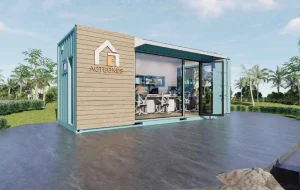
Our modular container offices are the ideal solution for clients who require a scalable office solution and appreciate the greater flexibility afforded to them as opposed to traditional building solutions.
Conclusion
The sale of expandable container houses is affected by a range of economic factors including the cost of the materials, transportation, labor, market, finance, sustainability and flexibility. We at ACTBOXES help you to get the best from your investment and make the best choice from our high quality expandable container houses, our modular container offices and our portable office containers. All of our products are designed to be affordable, sustainable and to meet your needs.
FAQs
Q: What are the determining factors for pricing expandable container houses?
A: Factors determining the price of expandable container houses are material, transport, labor, and efficient installation.
Q: Can modular container offices be relocated?
A: Yes – Modular Container Offices are designed for fast relocation and can be arranged in any format.
Q: Are ACTBOXES container houses energy-efficient?
A: Yes. All ACTBOXES container houses have insulation, ventilation and energy-saving devices.