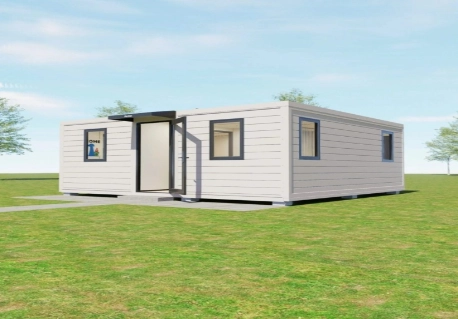
Expandable container houses already ease many burdens tied to standard building methods. They are built in factories. They stay compact during shipping. They set up quickly. Furthermore, they are great for repeated use. When you add solar energy, these perks grow even more valuable. A solar-powered expandable container house can generate electricity right on the property. It decreases reliance on fossil-fuel utility grids. Additionally, it offers dependable living conditions in distant areas.
For property owners, builders, hospitality managers, and project leaders, the core issue is not just whether solar panels will fit on a container roof. The smarter question is how the structure should blend solar power generation, thermal insulation, household appliances, battery storage, and daily power habits. At ACTBOXES, we treat this as a complete building choice rather than a solitary equipment swap.
Why Solar Energy Matches Expandable Container House Design?
An expandable container house is built for smooth transport and functional use. It ships in a folded shape. Then, it opens up at the site. It turns into a much bigger usable room. This modular style makes it simpler to map out wiring paths. It allows builders to set aside equipment spaces. It also lets them install renewable energy gear during factory assembly instead of doing major rework after drop-off.
Factory Planning Makes Solar Integration Easier
Solar energy performs best when the electrical setup and the building floor plan are mapped out together. During the drafting phase, engineers can check the available roof space. They look at sunlight angles and regional weather patterns. They plot cable routes. They pick inverter spots and plan battery airflow. They also estimate power needs. This preparation cuts down on outdoor labor.
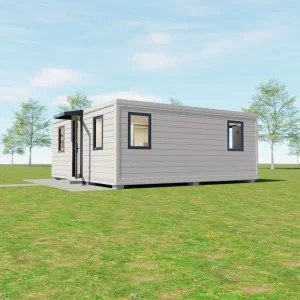
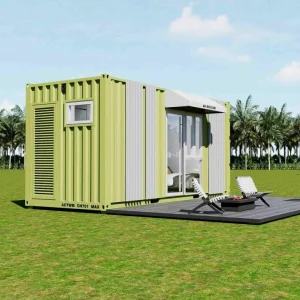
Our 20-foot Container Extension Room unfolds from a tight shipping block into a spacious living area. Its modular frame and optional smart-home add-ons offer a solid foundation for solar-ready wiring plans. Depending on the specific job, panels might sit on the roof. They could rest on a ground mount. Alternatively, they can be fixed to a standalone shade frame.
Compact Transport Supports a Lower-Impact Building Process
A solar-powered expandable container house blends two types of efficiency. The folding structure cuts down on shipping bulk. It also lessens on-site building tasks. After people move in, the solar setup drops the amount of electricity pulled from standard power grids. These benefits occur at separate times. However, together they boost the eco-friendly performance throughout the building’s active lifespan.
How Solar Power Reduces Operational Carbon Emissions?
The building stage gets a lot of focus. Yet, a structure might draw power for decades. Heating, cooling, indoor lighting, and water pumps all add to the daily power load. Fridges, cooking gear, and smart devices boost this demand too. Solar energy can deliver a large portion of this power. This is especially true when the dwelling runs high-efficiency gear and the regional weather boasts bright sunshine.
Daytime Loads Can Use Solar Electricity Directly
Using power right away during the day is often the easiest trick to get worth from solar power. AC units, exhaust fans, and desk computers can run while the panels are making juice. Water pumps and kitchen tools can do the same. This method drops power loss from changing and holding energy. It works because less electricity has to go through a battery before you use it.
For eco-friendly container homes, timing the power use makes a big impact. People can plug in phones or heat water during the top sunny hours. Meanwhile, business tools can run when the solar yield is at its peak.
Battery Storage Extends Clean Energy Into the Evening
Batteries hold extra solar electricity for the night. They also help during cloudy spells or grid blackouts. In an off-grid container house, the battery pack acts as the heart of the power setup. It needs to be measured to handle crucial loads. It must account for seasonal shifts in weather. It also needs to cover the required number of backup days.
A well-planned setup splits vital needs from extra wants. Lights, fridges, phones, and water pumps might get first place. Heavy power drains can be restricted or timed. This strategy keeps the battery group smaller. It also ensures the building stays handy during tough weather.
Solar Energy Works Best With an Efficient Building Envelope
Solar panels by themselves do not yield a green building. A badly insulated home might burn most of its power just to stay warm or cool. On the flip side, a power-smart modular home drops the need for energy before it even makes power. This setup lets a smaller solar group and battery pack keep up the same cozy feel.
ACTBOXES expandable products focus on good insulation. They use natural airflow and sunlight. Our website shows heat control stats, wind safety, and quake defense. It also lists noise blocking and Class A fire safety for specific units. Shoppers must still pair each detail with their local weather, building rules, and site traits.
Key design choices include:
- Insulated wall and roof panels that slow heat transfer
- Tight door and window seals that reduce air leakage
- Shading above windows to limit summer heat gain
- Cross-ventilation that removes warm indoor air
- LED lighting and efficient appliances
- Light-colored exterior finishes that reflect heat
- Correct HVAC sizing for the room volume and climate
The ACTBOXES expandable container house range backs home and mixed-use setups. Early power planning helps buyers pick the best floor plan. It guides window spots and insulation thickness. It also helps find the right solar size instead of bolting on huge gear later.
Solar-Powered Expandable Container Houses Support Remote Projects
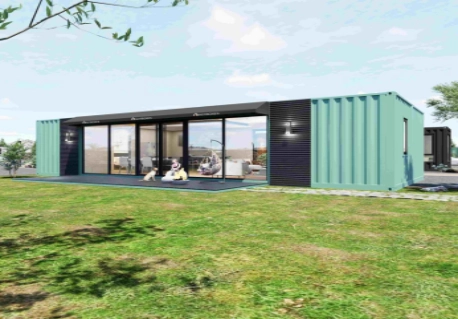
Grid ties are not always handy, steady, or cheap. Work camps, rural farms, and nature lodges might sit far from normal power lines. Disaster relief spots, mobile offices, and pop-up clinics face the same issue. In these spots, solar energy can make an expandable container house more self-reliant. It also makes the unit easier to run.
Off-Grid Power Reduces Infrastructure Dependence
Linking a distant site to the main grid might demand digging trenches. It could need new poles, big transformers, and local permits. It also requires long wire runs. A solar and battery setup can trim down some of this heavy labor. The structure can show up with ready-made wiring plugs. Meanwhile, the power gear gets set up based on the site map.
An off-grid container house might still run a backup engine during long stretches of bad weather. It might use one when power needs spike. Solar power can cut down the time the engine runs. It lowers fuel drops, loud noise, and repair work. Blended systems are often smarter than leaning on just one power type.
Renewable Power Improves Mobile Hospitality and Workspaces
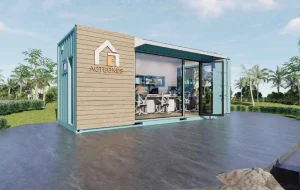
Expandable container houses can act as motel rooms, work dens, retail shops, or worker bunks. Our CH700 Rapid Deployment Green Hotel utilized ten expandable container rooms. These units had modern perks, power-saving tools, fresh airflow, and natural sunbeams. It proves how modular blocks can form a working hotel hub in a fast build time.
Putting in solar energy can run the lights and guest gadgets. It handles water pumps, front desk tools, and safety cameras. It also runs picked heating and cooling units. For owners, this can drop utility bills. It builds up the green image of the business without hurting guest comfort.
What Buyers Should Consider Before Adding Solar?
A winning solar-powered expandable container house starts with clear project facts. Roof space alone does not dictate how well the system will work. Buyers should weigh power needs, local weather, and building direction. They must look at the frame strength, town rules, repair access, and moving plans.
Before final design, review:
- Daily electricity use: List each appliance, its wattage, and operating hours.
- Peak demand: Check which high-load devices may run together.
- Solar exposure: Study shade from trees, hills, and nearby buildings.
- Mounting method: Confirm wind loads, roof strength, waterproofing, and service access.
- Battery location: Provide ventilation, temperature control, fire safety, and clearance.
- Grid connection: Choose off-grid, grid-tied, or hybrid operation.
- Future expansion: Reserve space for more panels, batteries, or appliances.
- Local approval: Follow electrical, structural, fire, and planning rules.
At ACTBOXES, we offer fresh designs and custom tweaks for many container uses. Our target is to build eco-friendly modular spots and useful housing fixes. Shoppers can view our product portfolio. They can also contact our team to talk about floor plans, lot details, power lines, and solar-ready needs.
Long-Term Sustainability Goes Beyond Energy Bills
Solar energy can drop monthly power costs. However, the bigger gain comes from mixing green power with a reusable, shifting structure. If job needs shift, an expandable container house can be moved. It can be set up in a new way. It can even serve a totally new role. This flexibility stretches its working life. It also drops the urge to build brand new structures.
Upkeep is a big deal too. Panels must stay clean and free of shadows. At the same time, wire plugs, rubber seals, roof brackets, power boxes, and batteries need routine checks. Good manuals and swap-out parts make later fixes much simpler.
Our working style mirrors the ideas in Container Building: The Way Forward for Innovation and Sustainability. Modular building can drop trash output. It cuts down standard material use. It also pairs well with green energy tech.
Conclusion
Solar energy boosts the green value of expandable container houses. It does this by dropping daily carbon output. It cuts reliance on the main grid. It also delivers steady power in distant spots. These perks grow even stronger when the structure boasts solid insulation. Good natural airflow, smart appliances, and a right-sized battery pack help too. A solar-powered expandable container house is not just a steel box with panels on the roof. It is a matched building and power setup.
For property owners, builders, and business runners, early prep is the secret. Power needs, local weather, and frame strength must guide every choice. Shipping ease and future plans matter too. At ACTBOXES, we blend modular frames, custom touches, and smart engineering. We help buyers build green container homes for living, hotel stays, office work, and remote job sites.
FAQs
Q: Can an expandable container house run fully on solar energy?
A: Yes, when panels and batteries match daily loads and local sunlight.
Q: How much roof space does a solar system need?
A: It depends on panel wattage, energy demand, shading, and roof layout.
Q: Is an off-grid container house suitable for remote sites?
A: Yes. Solar, batteries, and backup power can support reliable remote operation.