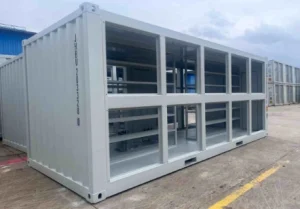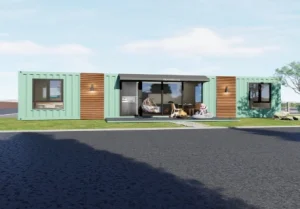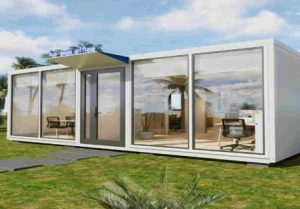
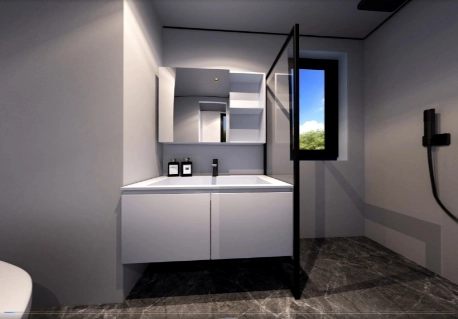
When buyers search for shipping container toilets for sale, they usually want more than just a simple restroom. They require a tidy, secure, and mobile bathroom. This facility must also be tough enough for a busy building site or a large outdoor festival. It works perfectly for a distant camp, a holiday resort, a disaster relief effort, or a short-term housing area.
A container toilet offers a very practical solution. It relies on a tough modular frame. The unit arrives with most of the assembly already finished. Workers can then easily link it to the local water supply, drains, power lines, and sewage systems. Building a small washroom from the ground up takes a lot of time. By contrast, a portable toilet container cuts down on field labor. It speeds up the setup process and generates much less building trash.
Here at ACTBOXES, we build container-based units for offices, houses, retail spots, and industrial jobs. We design our products to handle actual field conditions. Our team pays close attention to structural strength and proper insulation. We also focus heavily on reliable waterproofing, safe wiring, and flexible custom options.
What Makes a Container Toilet a Sustainable Bathroom Solution?
Being eco-friendly means more than just using recycled goods. It also requires cutting down on trash and managing resources wisely. Furthermore, it involves making products last longer. A truly green building should serve a useful purpose in multiple places over time.
A properly built container toilet helps achieve these green goals. It blends indoor factory assembly with a smart modular design. This approach allows for smooth transport and repeated use over many years. Its true worth stands out most when a project is short-term or constantly moving.
Reuse Reduces Construction Waste
Standard bathroom building methods often leave behind a lot of trash. This debris includes leftover bricks, wet concrete, broken tiles, and scrap pipes. Packaging and temporary scaffolding add to the mess. Once the job finishes, tearing down that fixed structure generates even more debris.
A modular sanitation block is easy to move and use again. For instance, a portable toilet container might start at a local building site. Later on, it can serve a nature camp, a factory yard, or a public fairground. It is also great for sudden emergency response projects. This mobility removes the need to build a fresh washroom every time the job location changes.
The main container body acts as a very tough base. You do not have to build a brand new frame, roof, or outer walls. Instead, the crew utilizes the existing steel box. They can then focus their efforts on the inside layout. This includes setting up the water pipes, air vents, and final surface details.
Factory Production Uses Materials More Carefully
Making these units inside a factory ensures better material control. Workers can measure and fit parts in a safe, dry space. They prepare wall panels, thermal insulation, and floor coverings with great care. Doors, glass windows, water pipes, and wiring are all installed following a strict blueprint.
This indoor process cuts down on human errors and extra cutting at the job site. It also simplifies quality testing before the unit ships out. Customers often look at different shipping container toilets for sale. For these buyers, strict factory oversight is a major plus. Good waterproofing and solid plumbing are vital, as they directly impact how well the restroom works every single day.
Why Waterproofing Matters in Shipping Container Toilets
A bathroom faces more moisture than most other rooms. Water may come from showers, sinks, toilets, cleaning, condensation, or rain during transport and installation. If the floor, corners, or pipe connections are poorly finished, moisture can damage the structure over time.
At ACTBOXES, we treat waterproofing as a basic part of container design. Our 20-foot sea container office includes an integrally welded shower sump, designed to reduce the risk of water leakage. This kind of floor treatment can also be considered when creating bathroom-equipped container units.
Integrated Floor Drainage Protects the Structure
A reliable container toilet needs a floor that guides water toward the drain instead of allowing it to collect near walls or door thresholds. The floor should also be strong enough to support regular foot traffic, fixtures, and cleaning equipment.
ACTBOXES container products use welded or formed wet-area solutions for relevant designs. Our 20-foot extension room product describes seamless welding for shower floor drains and a zero-leakage design for the wet area.
For a bathroom project, buyers should check:
- Floor slope toward the drain
- Sealed wall-to-floor joints
- Protected pipe openings
- Easy access for cleaning
- Non-slip floor surfaces
- Drainage capacity during heavy use
- Safe separation between water and electricity
These details may not be obvious in product photos, but they strongly influence service life.
Flexible Sizes for Different Bathroom Requirements
The best container toilet size depends on the number of users, the expected operating period, the available land, and the facilities required. A small unit may only need a toilet and handwashing area. A larger unit may include multiple stalls, showers, changing space, storage, and an accessible bathroom.
Small Container Toilet Units
A compact unit can work well for a construction site, roadside project, outdoor attraction, or small work camp. It is easier to transport and place where land is limited.
A small portable toilet container may include:
- One or two toilet rooms
- Handwashing facilities
- Ventilation
- Lighting
- Water storage
- Wastewater connection
- Cleaning storage
A compact design also makes it easier to connect the unit to nearby services. However, the site still needs a stable foundation, suitable drainage, and enough space for maintenance.
Larger Modular Bathroom Spaces
A larger container can support several users at the same time. It may be suitable for a worker camp, temporary accommodation area, resort, sports facility, or emergency shelter.
ACTBOXES’ 40-foot sea container office has an overall weight of approximately 8 tons and can be customized for different layouts and uses. Although the product is designed for residential, office, store, and warehouse applications, its size and wet-area approach show how larger container spaces can support more complex interior planning.
With a larger unit, buyers can separate wet and dry zones. This can improve hygiene, reduce floor wear, and make cleaning more efficient.
Fast Installation Helps Reduce Site Impact
One advantage of shipping container toilets for sale is that much of the work can be completed before delivery. The unit can arrive with walls, floors, doors, lighting, plumbing sections, and bathroom fixtures already installed or prepared.
This can reduce the number of workers, tools, deliveries, and construction activities required at the site. It also limits disturbance to the surrounding land.
Useful for Temporary and Remote Projects
A container toilet can be valuable where permanent construction is too slow or difficult. Common applications include:
- Construction projects
- Mining and energy sites
- Outdoor events
- Worker camps
- Tourist destinations
- Emergency accommodation
- Temporary schools
- Rural public facilities
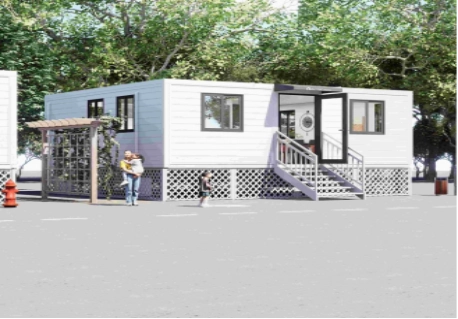
The same modular approach can be used in other ACTBOXES products. Our containerized extension office uses a folded transport form and expands to provide a larger usable area after installation. The product can support residential, office, shop, warehouse, and site-camp applications.
This expandable system can also be planned with a private bathroom, making it useful for accommodation or staff facilities.
Lower Resource Use Through Better Planning
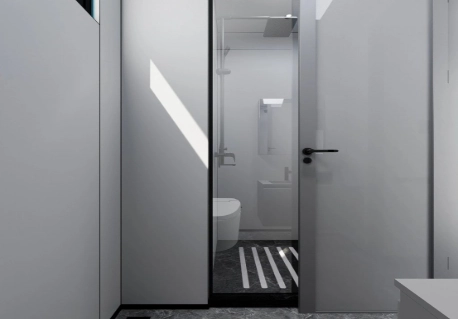
A bathroom becomes more sustainable when water, electricity, cleaning, and waste systems are planned together. A container structure does not automatically make a project green. Good design still matters.
For example, a container home with solar panels may reduce dependence on grid electricity when the site has suitable sunlight and battery planning. A solar container house can support remote accommodation, tourism, and emergency use. The same energy planning may be applied to lighting, ventilation, water pumps, and bathroom equipment.
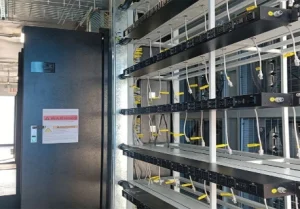
ACTBOXES also develops a containerized datacenter and other technical units. In a containerized datacenter, power, cooling, and monitoring must work together. A bathroom container has different technical needs, but both projects require careful control of water, electricity, heat, and maintenance access.
Even a shipping container GPU mining farm or a sea container office needs a practical approach to drainage and site services. Buyers may compare mining container cost for technical projects, while bathroom buyers usually focus on water use, cleaning, durability, and installation.
Why ACTBOXES Is a Practical Partner
At ACTBOXES, we do not treat the bathroom as an afterthought. We consider the structure, wet areas, electrical layout, insulation, transport, and final use together.
Our container solutions can support:
- Customized floor plans
- Integrated bathroom areas
- Factory prefabrication
- Waterproof wet-room construction
- Electrical safety systems
- Thermal insulation
- Sound control
- Global transport
- Reuse and relocation
Our products are designed for multiple scenarios rather than one fixed purpose. A sea container office can support working space. An expandable unit can provide accommodation. A container house can become a small commercial building. With the right planning, bathroom modules can be integrated into each type of project.
What to Check Before Buying Shipping Container Toilets for Sale
Before comparing suppliers, buyers should prepare a clear project list. The lowest purchase price may not represent the lowest total cost if the unit needs major changes after arrival.
Check the following points:
- Number of daily users
- Toilet and shower quantity
- Freshwater source
- Wastewater treatment method
- Required tank volume in L
- Electrical voltage and power load
- Local building and sanitation rules
- Floor waterproofing method
- Ventilation and odor control
- Delivery access and lifting space
- Maintenance access
- Future relocation needs
ACTBOXES can discuss layout, fixtures, insulation, electrical systems, and wet-area details according to the intended application. Buyers can review our residential container product range before selecting a suitable modular structure.
Conclusion
Shipping container toilets for sale are a sustainable bathroom solution because they combine reuse, factory production, mobility, and practical installation. A container toilet can reduce on-site construction work and remain useful after the original project ends. Waterproof flooring, sealed drainage, ventilation, insulation, and safe electrical planning are essential for long-term performance. ACTBOXES provides container solutions that can be adapted for offices, homes, site camps, commercial spaces, and technical projects. With an expandable system, a container home with solar panels, or a customized wet-area module, buyers can create facilities that fit changing needs. The most sustainable choice is not simply the smallest or cheapest unit. It is a durable design that uses resources carefully and continues to serve different locations over time.
FAQs
Q:How much water does a container toilet use daily?
A:Approximately 20 L-60 L per user, depending on fixtures.
Q:What tank size is suitable for a portable toilet container?
A:Common planning ranges are 500 L-2,000 L, depending on occupancy.
Q:How heavy is a 20-foot ACTBOXES container unit?
A:Approximately 5,000 kg.