Bitcoin mining containers make it easier to place computing equipment near affordable energy, expand capacity, and move operations when conditions change. Yet mobility alone does not guarantee profit. Electricity bills, equipment purchases, repairs, cooling, transport, and market volatility can quickly affect cash flow.
This is where treasury management becomes important. In a Bitcoin mining operation, treasury management means deciding how money is collected, protected, spent, and reserved. When applied carefully, it can help operators control risk, maintain stable operations, and make better use of their mining infrastructure.
At ACTBOXES, we design modular solutions for digital infrastructure, including our Container Data Center. Our goal is to help customers build practical, scalable, and well-organized mining environments.
What Treasury Management Means in Bitcoin Mining
Treasury management is the daily process of controlling available funds. For mining operators, it connects technical performance with financial decisions. A container may run efficiently, but poor cash planning can still create problems when electricity prices rise or machines need replacement.
A clear treasury plan helps answer practical questions:
- How much cash should remain available for electricity?
- When should mining equipment be purchased?
- How much should be reserved for repairs?
- Should earnings be held, converted, or reinvested?
- When is it safe to add another container?
- How much working capital is needed during weak market conditions?
Separating Operating Cash From Mining Revenue
Mining income can change from one period to another. Electricity and staff costs, however, usually continue every month. Operators should therefore separate operating cash from available profit.
A simple structure may include:
- Electricity and utility funds
- Payroll and site operation funds
- Maintenance reserves
- Equipment replacement funds
- Tax and compliance reserves
- Expansion capital
- Distributable profit
This approach prevents operators from treating every mining payment as spendable income. It also makes it easier to keep Bitcoin mining containers running during periods of lower revenue.
Building a Cash Reserve
A cash reserve protects operations from sudden pressure. It can cover electricity bills, damaged fans, power equipment, network failures, transport delays, or emergency repairs.
The correct reserve depends on site size and operating risk. A small container may need a modest reserve, while a large mining facility should prepare for much higher monthly expenses. Treasury planning should also consider the time needed to order replacement components and bring technicians to remote locations.
How Treasury Management Affects Mining Container Cost
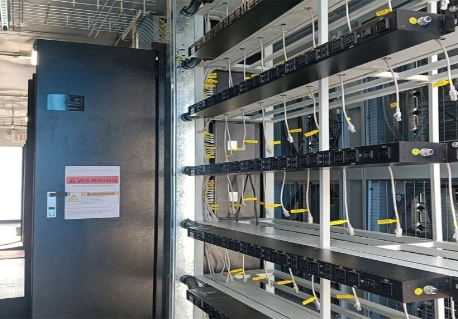
The cost of a Bitcoin mining container is not limited to the container shell. The full investment may include miners, power cabinets, PDUs, ventilation, monitoring, transportation, foundation work, networking, installation, and local compliance.
A treasury plan helps operators see the complete financial picture before ordering equipment. This reduces the chance of underestimating the real project budget.
Reviewing Total Project Cost
When calculating mining container cost, buyers should consider both direct and indirect expenses.
Important cost categories include:
- Container structure
- Mining hardware
- Power distribution
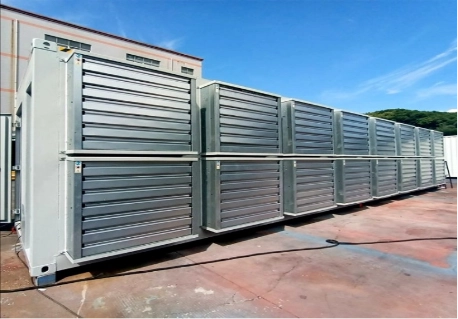
- Cooling and ventilation
- Monitoring equipment
- Fire and electrical protection
- Transport and lifting
- Site preparation
- Internet connection
- Insurance and permits
- Maintenance and replacement parts
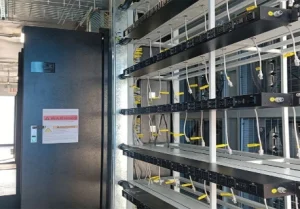
ACTBOXES designs our containerized data center products with integrated power, cooling, monitoring, and safety features. Our product page lists a 20-ton load-bearing capacity, individually controlled PDU modules, and a 1,200A main power cabinet circuit breaker. These specifications help buyers build a more realistic budget before deployment.
Comparing Purchase Cost With Operating Cost
A lower initial quote does not always mean a lower total cost. A basic container may require later upgrades to ventilation, wiring, insulation, or monitoring. These additions can delay operation and increase the final budget.
Treasury management encourages operators to compare:
- Initial purchase price
- Monthly electricity cost
- Expected downtime
- Maintenance frequency
- Replacement cycle
- Transport and relocation cost
- Upgrade flexibility
This broader view is useful when comparing different Bitcoin mining containers or reviewing a supplier’s quotation.
Planning Mining Container Setup Cost Before Deployment
Mining container setup cost is often underestimated because site preparation receives less attention than mining hardware. However, a container cannot operate safely without suitable power, access, grounding, drainage, communications, and space around the unit.
A detailed budget should be prepared before the equipment is shipped. This allows the operator to understand the required cash commitment and avoid expensive changes after delivery.
Preparing the Site
A suitable site may require:
- A stable foundation
- Grounding and electrical connections
- Safe access for trucks and lifting equipment
- Space for hot-air discharge
- Drainage around the container
- Security fencing or controlled entry
- Network connectivity
- Fire-safety equipment
- Space for spare parts and maintenance
The site location can also affect profitability. A remote location may offer cheaper energy but higher transport and repair costs. A central location may simplify maintenance while increasing land and electricity expenses.
Setting a Realistic Launch Budget
A useful launch budget should include a contingency amount. Unexpected expenses may arise from shipping changes, local electrical work, weather protection, additional cables, or inspection requirements.
Treasury managers should avoid using all available funds on equipment. Keeping some cash outside the mining project allows the business to respond to changes without selling assets at an unsuitable time.
Why Operational Data Supports Better Financial Decisions
Treasury management works best when financial records are connected to technical data. Mining operators need to know how much power each unit consumes, how often it stops, and whether cooling performance changes during different weather conditions.
This information helps separate real operating problems from market problems. If revenue falls because machines are offline, the solution may involve maintenance. If revenue falls because market conditions change, the response may require stricter spending control.
Monitoring Power and Equipment Conditions
Our ACTBOXES Container Data Center supports real-time monitoring of voltage, current, and power factor for each PDU. It also supports RS485 and Ethernet communication, with the option to connect to a SCADA system.
These data points can help operators:
- Identify unusual power use
- Locate faulty modules
- Compare performance across containers
- Track equipment downtime
- Plan maintenance before failure
- Review actual operating cost
Better information does not remove financial risk, but it improves the quality of each decision.
Linking Downtime to Lost Revenue
Downtime should be recorded in financial terms. If a group of miners stops for several hours, the operator should estimate the lost production and compare it with the repair cost.
This can guide decisions such as:
- Replacing a component immediately
- Keeping critical spare parts on site
- Scheduling preventive maintenance
- Moving equipment to another container
- Replacing older machines
- Adding backup power equipment
A containerized data center with clear monitoring can make these decisions faster and more accurate.
Mobility Gives Treasury Managers More Choices
One major advantage of Bitcoin mining containers is mobility. Operators can move units toward better energy prices, more suitable weather, or improved infrastructure. This creates financial flexibility, but relocation must still be carefully planned.
ACTBOXES explains that mobile mining units can support quick deployment, phased growth, and relocation with limited disassembly.
Moving Toward Better Energy Conditions
Electricity is usually one of the largest operating expenses in Bitcoin mining. A change in energy pricing can affect the entire business model. Mobile containers give operators more options when a new site offers better power conditions.
However, the financial calculation should include:
- Transport cost
- Crane or lifting cost
- New foundation work
- Electrical reconnection
- Internet installation
- Temporary downtime
- Local permits
- Security arrangements
Relocation may create long-term savings, but the short-term cash requirement must be included in the treasury plan.
Expanding in Stages
A phased expansion can reduce financial pressure. Instead of building a large facility immediately, an operator may begin with one or two Bitcoin mining containers, review actual performance, and add capacity later.
This approach helps test:
- Local power reliability
- Cooling performance
- Maintenance response
- Network stability
- Actual operating cost
- Local regulatory conditions
It also gives treasury managers time to build reserves before committing to a larger investment.
How ACTBOXES Supports Financially Practical Mining Projects
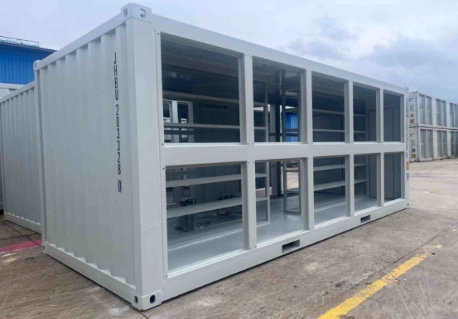
At ACTBOXES, we focus on container solutions that combine structure, power, cooling, monitoring, and safety. Our Container Data Center can hold up to 336 miners in one box, while the container body supports loads of up to 20,000 kg.
These features help customers plan capacity and space more clearly. The modular structure can also support future growth, especially when the operator wants to add units rather than construct a fixed building.
Our experience includes a digital currency container data center project in Texas involving 13 containerized units. The project used cooling systems, redundant power supplies, and security measures for flexible IT infrastructure.
The same planning principles may also apply to a shipping container GPU mining farm. Although GPU and ASIC projects have different equipment requirements, both depend on accurate budgeting, suitable cooling, stable power, and clear maintenance procedures.
Other Modular Products and Their Financial Value
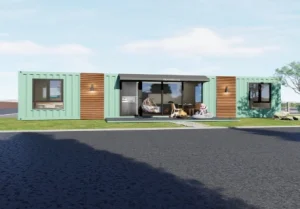
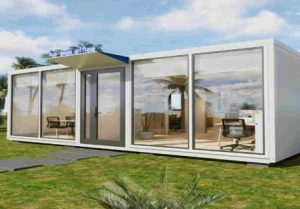
ACTBOXES also provides expandable systems, sea container office solutions, and modular housing products. These products are not identical to Bitcoin mining containers, but they share the same advantages: factory production, transportability, repeatable components, and flexible use.
A sea container office can support staff and maintenance teams near a remote mining site. A container home with solar panels or a solar container house may provide accommodation where grid access is limited. These supporting facilities should also be included in the wider project budget.
The mining container cost should therefore be viewed as part of a complete site plan, rather than as an isolated product price.
Practical Treasury Checklist for Mining Operators
Before ordering a containerized data center, operators should review the following points:
- Confirm total power demand.
- Calculate monthly electricity expenses.
- Include the full mining container setup cost.
- Reserve funds for repairs and replacement parts.
- Check transport and lifting requirements.
- Review local electrical and building rules.
- Plan for network and security systems.
- Record machine downtime and energy use.
- Set a clear expansion threshold.
- Review cash flow under weaker market conditions.
- Avoid using all available funds on hardware.
- Compare supplier support after delivery.
For project-specific planning, buyers can contact ACTBOXES to discuss container capacity, power design, cooling, monitoring, and customization.
Conclusion
Treasury management can enhance profitability in Bitcoin mining containers by improving cash control, reducing avoidable downtime, and supporting better expansion decisions. It does not change market prices or guarantee mining returns. Instead, it helps operators understand where money is going and whether each technical decision supports the wider business.
A strong plan should include electricity reserves, maintenance funds, realistic mining container setup cost, relocation expenses, and future replacement needs. ACTBOXES supports this process with containerized data center products designed for high-density mining, organized power distribution, monitoring, and flexible deployment. When financial planning and technical planning work together, Bitcoin mining containers can become a more controlled and adaptable part of a digital infrastructure strategy.
FAQs
Q:How many miners can one ACTBOXES containerized data center hold?
A:Up to 336 miners.
Q:What is the maximum load capacity?
A:Up to 20,000 kg.
Q:Does treasury management reduce mining container setup cost?
A:It improves spending control, but supplier and site costs still apply.