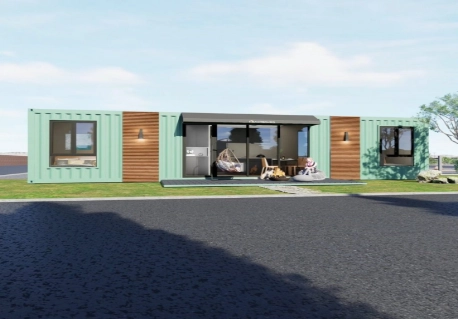
Chinese shipping container home companies have become important suppliers in the global modular construction market. Their success is not based on low pricing alone. Buyers also value fast production, flexible design, reliable transportation, and the ability to adapt one product for many climates and uses.
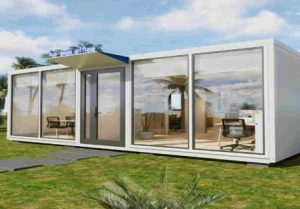
Shipping container homes are now used as houses, offices, hotels, shops, site camps, emergency cabins, and technical facilities. For international buyers, the strongest container home manufacturers offer more than a finished box. They provide design support, customization, quality control, export coordination, and practical solutions for installation.
At ACTBOXES, we focus on shipping container houses, expandable container houses, offices, and data container centers. We combine factory production with personalized design so that our modular products can serve customers in different markets and working conditions. ACTBOXES was established in 2013 and has developed experience in container housing and data container projects.
Strong Manufacturing Creates a Global Advantage
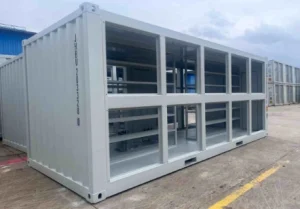
The first reason Chinese shipping container home companies succeed worldwide is manufacturing strength. A reliable factory can control materials, welding, insulation, electrical installation, interior finishing, and final inspection in one production process.
This gives international customers a more consistent product. It also makes it easier to produce multiple units for hotels, worker accommodation, temporary housing, or large commercial projects.
Factory Production Improves Quality Control
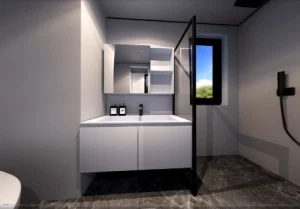
A container house made mainly in a factory can be checked before it leaves the production line. Doors, windows, wiring, plumbing, wall panels, and floor finishes can be inspected under controlled conditions.
At ACTBOXES, we use high-strength steel structures and one-piece welding processes for selected expandable products. Our designs also include thermal insulation, Class A fire performance, soundproofing of more than 40 dB, and resistance to strong wind and earthquakes, depending on the model. These features help our shipping container homes meet the practical needs of different regions.
Factory production also reduces the amount of skilled labor required at the destination. This is useful when a project is located far from a major city or when local construction teams are limited.
Standard Parts Make Large Projects Easier
International projects often need several units with the same layout and finish. Standardized parts make production faster and replacement simpler. At the same time, buyers still want freedom to change room layouts, colors, doors, windows, furniture, and appliances.
The best Chinese shipping container home companies balance both needs. Standard structure and components keep delivery practical, while customization allows the final product to match local regulations, climate, and user preferences.
Flexible Design Fits Different Markets
A container home bought for a coastal resort may need different features from one used at a construction site. Some buyers need a compact home. Others need a large living area, private bathroom, kitchen, office corner, or commercial display space.
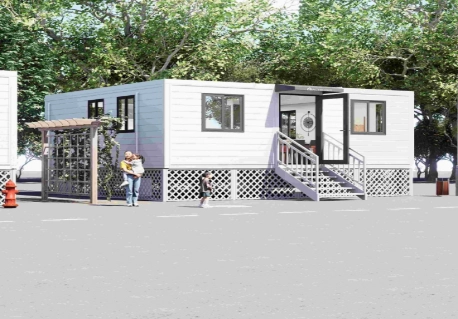
This is why an expandable container house has become an important product in global markets. It keeps a compact size during transport and creates more usable space after installation.
The Expandable System Adds Usable Space
An expandable system can be folded for shipping and opened at the destination. ACTBOXES’ 20-foot Container Extension Room has a folded size of approximately 5.9 × 2.2 × 2.5 m and an expanded size of approximately 5.9 × 6.58 × 2.5 m. The expanded design increases the available space by about 300 percent.
This design is suitable for:
- Mobile accommodation
- Site offices
- Emergency cabins
- Small shops
- Scenic lodging
- Temporary classrooms
- Staff housing
The value is easy to see. A buyer can transport a compact unit, place it on a prepared foundation, and create a larger interior without building a full structure on site.
One Product Can Serve Several Purposes
A modular container home should remain useful even when the project changes. A unit first used as staff accommodation may later become a site office or rental room. A larger unit may be used as a shop, café, warehouse, or reception building.
At ACTBOXES, we offer products for residential, office, and commercial scenarios. Our Residential Scene product range includes 20-foot and 40-foot container houses as well as extension room products. This range helps customers choose a design according to space, transport, and budget requirements.
Fast Delivery Supports International Projects
Speed is another major reason Chinese shipping container home companies are successful. A traditional building project may require long periods for structural work, interior finishing, and utility installation. A prefabricated container project can move through these stages more quickly.
For project owners, faster delivery can mean earlier income, earlier staff deployment, and lower temporary accommodation costs.
Rapid Deployment Helps Large Developments
ACTBOXES completed the CH700 Rapid Deployment Green Hotel with ten expandable container rooms. Each unit was designed as an independent living space with rooms, a living area, dining area, kitchen, bathroom, modern facilities, and energy-saving features. The project was completed within one month.
This type of project shows how shipping container homes can be used beyond single-unit housing. When several units are planned together, they can form hotels, camps, villages, or temporary communities with a clear layout.
Export Experience Reduces Buying Risk
International customers must consider more than the product itself. They also need support with packing, shipping, documentation, unloading, lifting, foundation preparation, and local connections.
Experienced container home manufacturers understand that export delivery is part of the product. ACTBOXES provides one-stop support from design and production to transportation coordination. This helps buyers avoid confusion when purchasing several units from overseas.
Climate Resistance Matters Worldwide
Shipping container homes are used in regions with very different weather conditions. Some projects face heat and strong sunlight. Others must handle snow, heavy rain, typhoons, high humidity, or seismic activity.
A global supplier must design for more than one climate. Materials, insulation, roofing, windows, wiring, drainage, and ventilation all affect the service life of a container home.
Insulation Improves Comfort
Metal structures can become hot or cold quickly without proper insulation. ACTBOXES products are designed with thermal insulation for approximately 22°F to 122°F conditions, depending on the model. Insulation helps keep indoor temperatures more stable and can reduce the load on heating and cooling equipment.
Good ventilation is also important. In the CH700 hotel project, natural lighting and ventilation were part of the design. These features can improve indoor comfort while helping reduce daily energy use.
Structural Protection Supports Long-Term Use
A container house must remain stable during transport and after installation. ACTBOXES products boast resistance to Level 8.5 earthquakes and wind speeds of up to 50 m/s for relevant models. The exact performance depends on the product and local installation conditions.
Our experience with large container projects also includes the Zhuhai Children’s Amusement Park, which used 33 creative containers, with some sections stacked three levels high. The project remained standing after a severe typhoon, showing the value of careful structural planning.
Green Features Increase Market Appeal
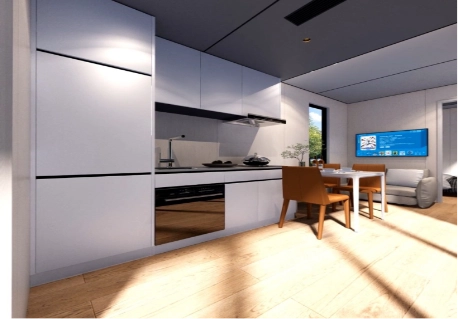
Sustainability is becoming more important to buyers, developers, and local authorities. Shipping container homes can support green building goals by reducing construction waste, shortening on-site work, and allowing structures to be reused or relocated.
A container home with solar panels may also help reduce dependence on grid electricity in suitable locations. A solar container house can be considered for remote accommodation, tourism facilities, emergency housing, and off-grid projects. Solar equipment, battery storage, and electrical design should be selected according to local sunlight, load demand, and regulations.
ACTBOXES focuses on sustainable modular building space. We can discuss energy-saving systems and suitable renewable-energy features with customers when a project requires them. The goal is not to add technology without purpose. It is to create a useful building with reasonable energy demand and practical maintenance.
Technical Experience Expands Product Possibilities
The success of Chinese shipping container home companies is also connected to their ability to serve more than one market. Housing and data infrastructure have different requirements, but both need accurate manufacturing, strong structures, safe wiring, and careful project coordination.
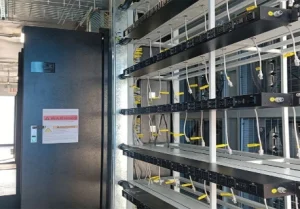
ACTBOXES also produces containerized datacenter solutions for high-density digital operations. Our data center container products include power distribution, cooling, monitoring, and protection systems. In Texas, we deployed 13 data center container houses for a digital infrastructure project.
The same manufacturing knowledge can support a shipping container GPU mining farm or other technical facility. In such projects, buyers may compare mining container cost according to equipment capacity, cooling, electrical load, certification, and delivery requirements.
This wider experience helps a company understand how different customers use space, power, climate control, and modular structures.
What International Buyers Should Check
Choosing among Chinese shipping container home companies requires more than comparing catalog photos. Buyers should review the full project process before placing an order.
Important questions include:
- What steel structure and welding method are used?
- Which insulation and fire-performance standards apply?
- Can the layout be customized?
- What electrical code will the product follow?
- How will drainage and plumbing be connected?
- What equipment is included in the quoted price?
- How many units can the factory produce monthly?
- What export documents and installation support are available?
- Can the unit be reused or relocated later?
- Are solar panels or other energy-saving features required?
A dependable supplier should answer these questions clearly. At ACTBOXES, we work with customers to match the product, layout, materials, and technical systems to the actual project.
Conclusion
The worldwide success of Chinese shipping container home companies comes from a combination of manufacturing ability, flexible design, export experience, and practical engineering. Buyers want shipping container homes that are fast to install, comfortable to use, strong in difficult climates, and easy to customize. An expandable container house adds another advantage by creating more usable space without increasing transport size. Green options, including a container home with solar panels or a solar container house, can support modern sustainability goals when planned correctly. ACTBOXES combines container housing, expandable system design, office solutions, and technical container projects to serve different markets. For international buyers, the best container home manufacturers are those that understand the full journey from factory production to daily use.
FAQs
Q:How much does an expandable container house weigh?
A:Approximately 5,000 kg.
Q:Can ACTBOXES design a solar container house?
A:Yes, solar systems can be discussed for suitable project requirements.
Q:What affects mining container cost?
A:Capacity, cooling, power systems, certifications, customization, and shipping distance.