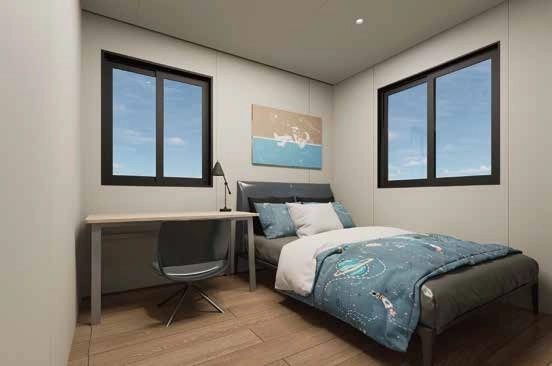
Introduction
The production of cost-efficient and eco-friendly houses made of containers is one of our specialities. Our range of products includes the classic shipping container houses as well as modular container buildings, portable office containers and much more. When constructing a house out of containers, one of the most important details is the drainage system.
A good functioning drainage system can be of great help by preventing the accumulation of water, by protecting the structure of the building and also by being very healthy. In this article we are going to explain how to build a container home and how to install a proper drainage system with practical solutions and ACTBOXES products.
Planning Your Container Home Construction
Site assessment: Soil type, building site slope, natural water flow direction must be evaluated to determine best location for the home.Modular design: Our container house solutions can be stacked to form multi-storey houses or combined to form large houses. This type of design greatly saves construction time and increases housing efficiency.
Local regulations: Some container homes require special permits. Make sure to check local zoning laws, building codes, and other applicable regulations. We can help advise on these for you. Integrated living spaces & project drainage can be designed and completed as part of a single project without costly changes down the track avoided .
Selecting the Right Container Units
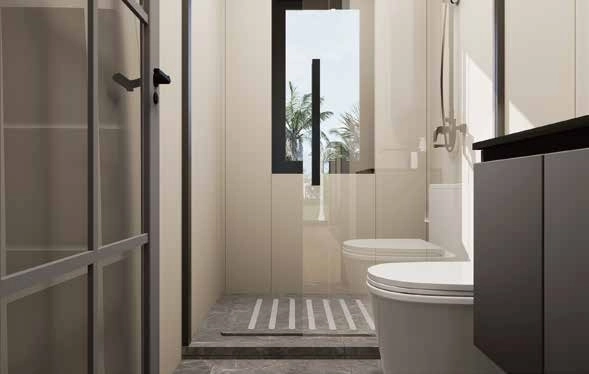
The container units are chosen to form a stable whole and to make installation as easy as possible.Standard dimensions using for the container units. ACTBOXES uses standard dimensions for the container units. This makes it very easy to assemble into a stable whole and complete whole.Material: High-grade steel used in ACTBOXES container modules can withstand harsh weather conditions such as heavy rain or even typhoons.
Interior customization: In addition to using our prefab container offices as temporary workspace solutions, they can be perfectly modified to make them suitable for residential use. This would include options for insulation and proper ventilation.The selection of the most suitable units to form a stable whole and to enable easy installation of drainage channels, gutter systems and rainwater management systems as part of your landscape design is very important.
Designing an Efficient Drainage System
A proper functioning drainage system is a crucial aspect of a functional container home and helps protect it from water damage over time.
- Roof drainage: Install sloped roofs or gutter systems to direct water away from the container structure. ACTBOXES container homes can be outfitted with custom roof modifications to support water flow.
- Downspouts and channels: Connect downspouts to ground-level drainage channels to prevent pooling.
- Perimeter drains: Surround the foundation with gravel trenches or perforated piping to manage surface runoff.
Drainage from the proper design and installation of above ground storage containers can help to: Prevent container materials from rusting. Prevent damage to insulation. Prevent the growth of mold and mildew.
Integrating Water Management into Layout
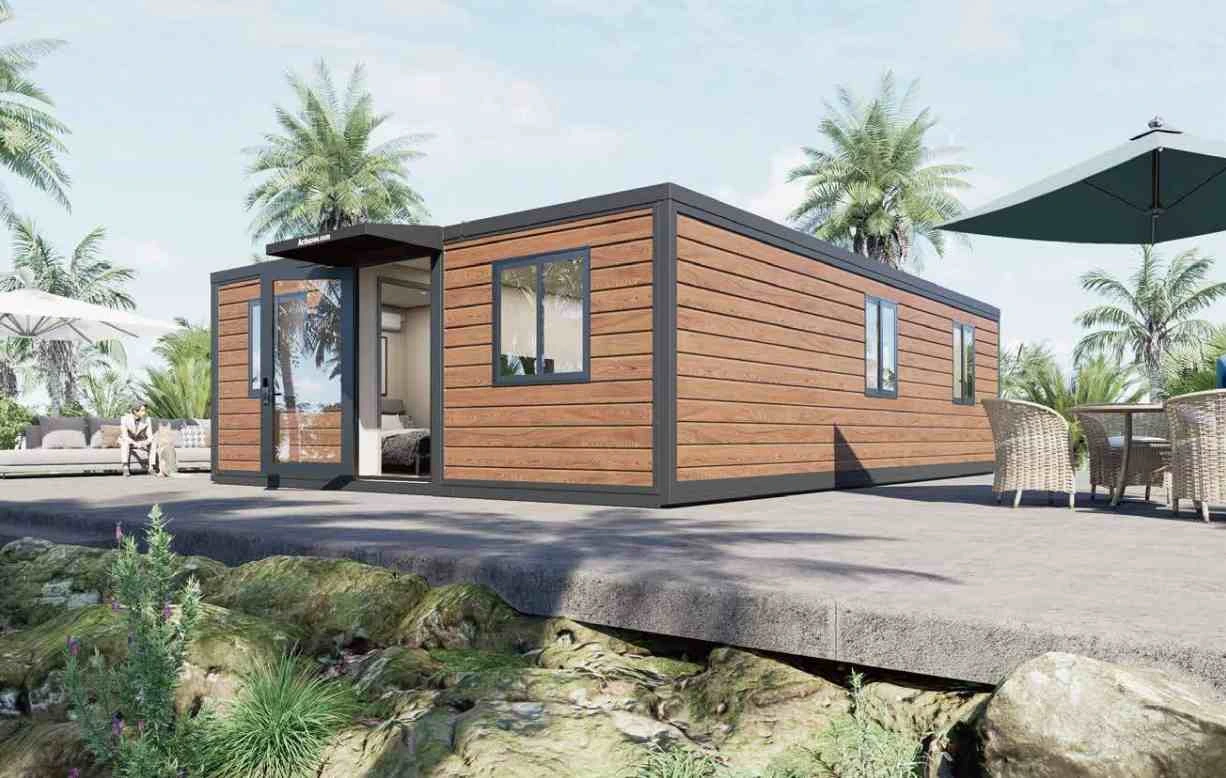
How your home made from containers is laid out affects how water moves around your property.
- Unit placement: Elevate containers on blocks or piers to allow water to pass underneath.
- Outdoor grading: Shape the surrounding landscape to divert water away from walls and entrances.
- Green roofs: Consider rainwater retention systems or rooftop gardens that reduce runoff while enhancing insulation.
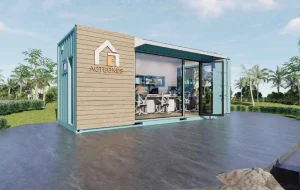
Our ACTBOXES modular container office designs show you how to incorporate features to drain off rainwater and still look good.
Installing Plumbing and Utility Connections
Drainage is often perceived as a function of a building’s plumbing. Selecting the correct bore of pipe, to ensure smooth running, high standards of cleanliness and health will be achieved.
- Interior plumbing: Plan kitchen, bathroom, and laundry areas to connect directly to a centralized drainage line.
- Wastewater management: Use slope calculations to allow gravity-assisted flow, reducing the need for pumps.
- Rainwater harvesting: Capture roof runoff for irrigation or toilet flushing, promoting sustainable practices.
We at ACTBOXES offer consultancy services for incorporating plumbing in to our modular container units for living and working.
Preparing the Site for Construction
Preparation of the site to enable adequate drainage together with long term stability of the structure is important.
- Excavation and grading: Level the site while creating slopes toward drainage areas.
- Foundation selection: Use concrete piers, slab, or adjustable footings depending on soil and water flow.
- Erosion control: Apply geotextiles or gravel to prevent soil displacement during heavy rains.
Preparation of sites to prevent flooding will help to save money in the long run by reducing the need for maintenance.
Maintenance of the Drainage System
Regular maintenance keeps your drainage system running efficiently.
- Clean gutters and downspouts: Remove debris seasonally to prevent blockages.
- Inspect piping: Look for cracks or corrosion in underground or visible pipes.
- Monitor roof and foundation: Ensure that water is not pooling around units.
Our ACTBOXES modular container offices and homes have been designed with maintenance in mind. All of the drainage equipment is easily accessible.
Conclusion
If you want to build your own efficient drainage system for your container home then you will need to prepare a container well, select the correct model of container and prepare the site carefully. By incorporating channels, gutters and a clever use of gradient you can be sure that your building will last and be a comfortable place to live. ACTBOXES sell high quality container homes, and also stock a range of modular container offices and portable office containers, but we also aim to give our clients the best advice so that they can enjoy the long term benefits of efficient and sustainable buildings and by using modular designs, cost effective and safe buildings to live in for a long time.
FAQs
Q: Is efficient drainage possible in a prefab container house?
A: Yes, it is. Our prefab houses can be equipped with gutters and channels for the drainage of water.
Q: Are modular container offices easy to relocate?
A: Yes. A modular container office is built for quick relocation and flexible layout changes.
Q: How often should I maintain the drainage system of my container home?
A: Clean out the gutters and check the pipes for any blockages at least twice a year.