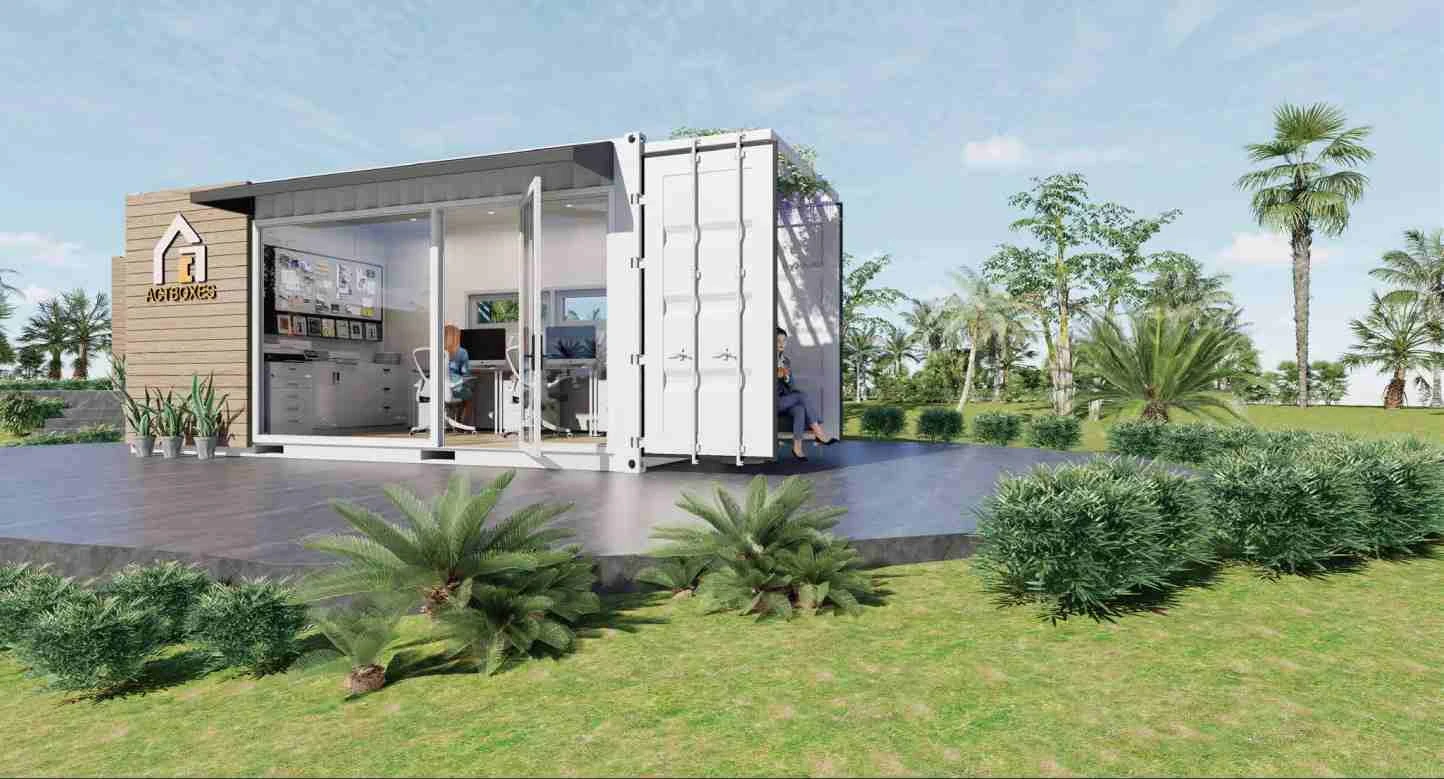
The Growing Appeal of Shipping Container Offices
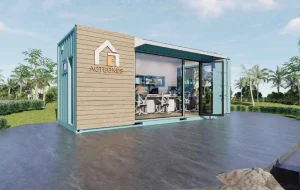
Shipping container offices have become a modern solution for flexible and sustainable workspaces. They are no longer just temporary structures but are now viewed as long-term investments that combine creativity, efficiency, and environmental awareness. For ACTBOXES, this product category reflects a practical way to help businesses create adaptable office space without relying on long construction cycles. Their modular design allows businesses to expand or relocate easily, which is particularly attractive in a fast-changing economy. Startups, freelancers, and even large corporations are showing interest because these offices can be built faster and often at a fraction of the cost of traditional buildings.
The growing demand for sustainable and mobile workspaces reflects a shift in how people view office environments. Many companies now prefer structures that can adapt to different locations or serve multiple purposes. Small businesses appreciate the affordability, while architects see new opportunities for innovation. Container architecture, as a new architectural form, is gradually attracting people’s attention and recognition. This trend aligns with ACTBOXES’ focus on eco-friendly construction and reduced material waste.
Key Factors Affecting the Cost of Shipping Container Offices
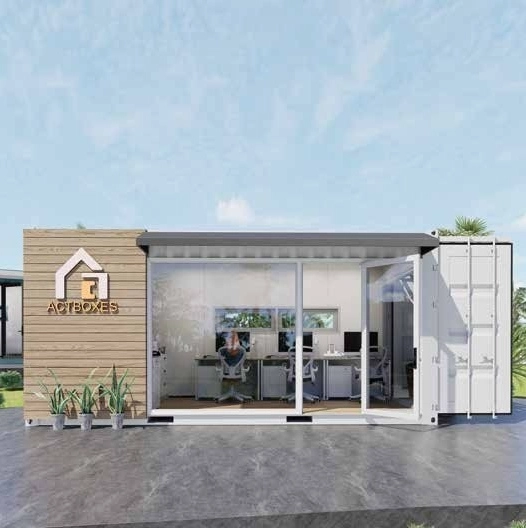
The overall shipping container office cost depends on several interconnected elements. Beyond the base price of the container itself, customization, transport logistics, and installation details all play critical roles in shaping total expenses.
Size, Type, and Condition of Containers
Container size directly influences price. A standard 20-foot unit costs less than a 40-foot model because it requires fewer materials and modifications. The type also matters — high-cube containers offer more vertical space but come at a premium. The condition is another factor: new or “one-trip” containers are structurally stronger but more expensive than used ones that may need repairs or rust treatment. Buyers must weigh initial savings against long-term durability.
Customization and Interior Design Costs
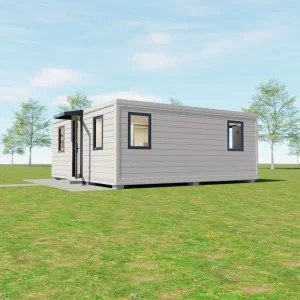
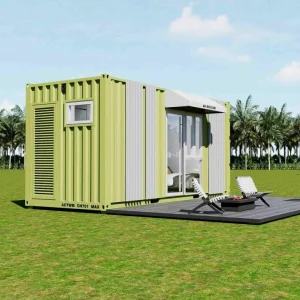
Turning a steel box into a comfortable workspace requires investment in insulation, wiring, plumbing, flooring, lighting, and air conditioning systems. Each addition raises the total cost. For example, adding soundproofing or climate control can increase expenses significantly but improves comfort for daily use. In ACTBOXES’ expandable container house designs, each unit can work as an independent space with two rooms, a living room, a dining room, a kitchen, and a bathroom, supported by modern living facilities and energy-saving systems. This demonstrates how customization transforms basic containers into practical spaces suitable for various professional needs.
Transportation and Installation Expenses
Although containers are made for transport, moving them still involves logistics costs such as crane rental or site preparation. The distance between supplier and destination affects freight charges considerably. Some projects require foundation adjustments or connection to utilities like water and electricity — all adding to the final bill. These hidden expenses often surprise first-time buyers who assume mobility means zero setup cost.
Comparing Costs: Container Offices vs Traditional Office Spaces
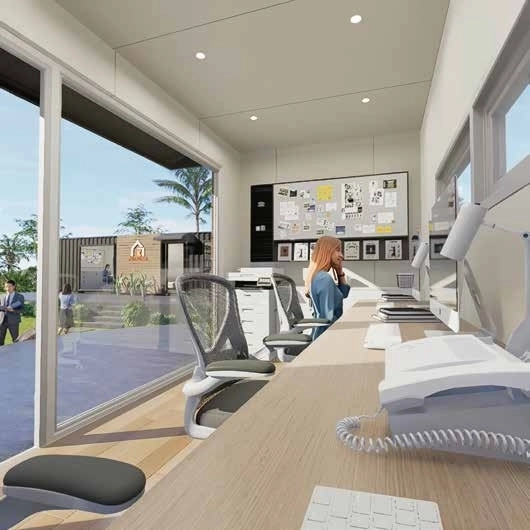
When comparing costs between container offices and traditional buildings, both upfront investment and long-term maintenance must be considered.
Initial Investment Differences
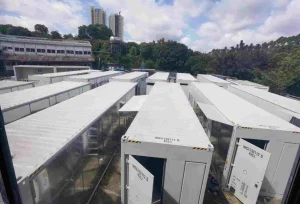
Traditional office construction involves land acquisition, permits, labor fees, and extended timelines — factors that push costs upward quickly. In contrast, container offices can be assembled within weeks using prefabricated components that minimize waste and labor hours. ACTBOXES’ expandable container room projects show how modular units can be used to rapidly build environmentally friendly and efficient spaces, including green hotel complexes. Such speed demonstrates how modular design reduces both time and financial burden for businesses needing quick deployment.
Long-Term Maintenance and Operational Costs
Steel containers require regular maintenance to prevent corrosion and generally demand less upkeep than concrete or wooden structures. Energy-efficient upgrades like solar panels or improved insulation further reduce operating costs over time. Container buildings can be reused and recycled to reduce the generation of construction waste. This sustainable approach not only lowers environmental impact but also decreases recurring maintenance expenses compared with conventional offices.
How Cost Influences Market Demand and Perception
Cost remains one of the most powerful factors shaping public opinion about container offices. Affordable pricing encourages experimentation among small enterprises looking for flexible solutions without long-term commitments. On the other hand, high customization costs may discourage budget-conscious users who prefer simpler setups.
In developing regions where infrastructure development is limited, affordability drives adoption even further. Local entrepreneurs often view container offices as accessible entry points into formal business operations because they eliminate many barriers associated with traditional real estate development.
Economic Trends Shaping Future Pricing Dynamics
Global economic shifts influence every stage of container office production — from raw material sourcing to final assembly.
Impact of Steel Prices on Container Availability
Steel prices fluctuate due to supply chain disruptions or increased industrial demand worldwide. When steel becomes costly, so do shipping containers themselves. This volatility temporarily reduces their cost advantage until market conditions stabilize again. Manufacturers often respond by recycling older units or optimizing production efficiency to maintain competitive pricing levels.
Technological Innovations Reducing Construction Costs
Advancements in modular construction methods are helping lower expenses across the industry. Prefabrication allows faster assembly while minimizing waste materials on-site. With years of experience and a professional team, ACTBOXES is committed to providing high-quality products and services to ensure customer satisfaction. Companies applying innovative techniques can deliver higher-quality results at lower prices — making this building style increasingly accessible across sectors like education or retail.
The Relationship Between Cost Efficiency and Environmental Benefits
Affordability often aligns naturally with sustainability when discussing shipping container offices. Reusing decommissioned containers prevents them from becoming landfill waste while reducing the need for new materials such as cement or timber. ACTBOXES aims to provide environmentally friendly and innovative modular containerized housing solutions. This mission reflects how economic efficiency supports ecological goals simultaneously.
Energy-efficient retrofits like solar integration enhance sustainability performance further by lowering electricity consumption throughout operation cycles. Reduced material usage also complements broader green building initiatives promoted globally by governments seeking carbon neutrality targets.
Market Outlook: Balancing Affordability with Functionality
The future success of shipping container offices will depend on maintaining equilibrium between affordability and functionality. As awareness spreads about flexible workspaces worldwide, developers must continue refining designs that balance comfort with practicality without inflating prices excessively.
ACTBOXES works toward creating sustainable green modular building space. This vision underlines how innovation should not compromise usability but rather enhance it through smart engineering choices such as natural ventilation systems or renewable energy integration.
Increasing competition among modular builders could further reduce costs through economies of scale while government incentives promoting sustainable construction may boost adoption rates globally. Continuous technological progress will redefine perceptions about value versus cost — positioning shipping container offices not merely as affordable alternatives but as forward-thinking architectural statements suited for modern business needs.
Conclusion
Shipping container offices represent an evolving intersection between economics and sustainability in workspace design. Their growing appeal lies in their adaptability — both financially viable and environmentally responsible at once. As production technologies advance and awareness increases among consumers seeking eco-friendly yet budget-friendly options, these compact structures will likely continue reshaping how people think about office spaces across industries worldwide. For buyers comparing modular office projects, ACTBOXES can provide practical container office solutions that balance cost, customization, and long-term usability.
FAQs
Q: What affects shipping container office cost most?
A: Size, condition, customization level affect it most.
Q: Are used containers reliable for office use?
A: Yes if inspected properly before modification.
Q: How long does it take to build one?
A: Usually within weeks depending on design complexity.