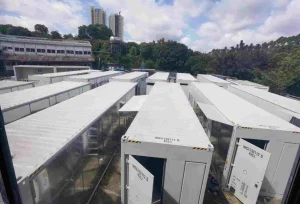

At ACTBOXES, we recognize that material selection can greatly affect both the initial cost and long-term value of expandable container houses.As a firm committed to delivering environmentally conscious and creative housing options, we emphasize eco-friendliness, affordability, and sturdiness in every project. Our expandable container houses serve as more than mere buildings; they become residences for numerous people. These homes deliver adaptability and ease. In this post, we examine how various material selections influence the expense of an expandable container house. We also discuss elements that assist in making a wise choice.
Understanding Expandable Container Houses

We create expandable container houses to offer a contemporary, green, and economical substitute for conventional dwellings. These units stem from altered shipping containers. They expand to generate additional room for living. Their adaptable structure enables us to pile and link them. Thus, they form bigger residences or workplaces. This setup can be adapted to customer requirements.
Our expandable container houses suit many uses, including:
- Eco-friendly living: Constructed with recyclability in focus, employing reusable substances.
- Rapid deployment: They are easy to assemble and adjust quickly.
- Cost-efficiency: Delivering a less costly alternative versus standard building approaches.
Yet, although these houses bring versatility and financial benefits, the materials used in construction play a major role in determining the total cost. Let us explore further how these materials shape the cost of our expandable container houses.
Key Materials Used in Expandable Container Houses
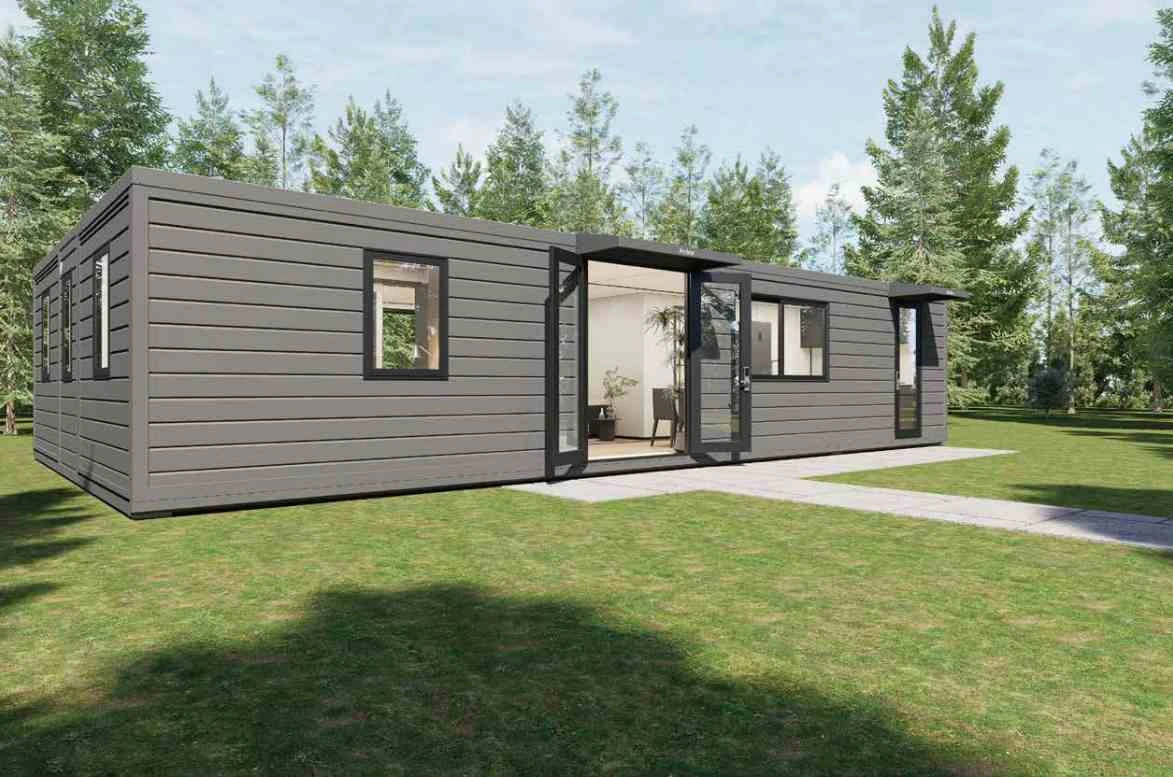
We provide diverse materials to match varied demands. In doing so, we make sure our expandable container houses achieve top levels of toughness, ease, and power conservation. Next, we outline the primary materials we apply in our builds. We describe how each one alters the expense of the container house.
1. Steel
Steel forms the core of our expandable container houses. Since these houses mainly arise from reused shipping containers, the steel’s caliber directly influences both the building’s strength and its price. Superior steel grants stronger defense against rust. This proves vital for the unit’s extended life.
High-grade steel: This variety withstands rust and decay well. It suits damp or seaside locations particularly. It demands a bigger initial outlay. However, it delivers outstanding lasting toughness.
Standard-grade steel: It costs less upfront. Yet, it might need extra upkeep as time passes. This holds true especially in spots with much dampness, owing to its vulnerability to rust.
Although steel’s material expense may claim a substantial portion of the funds, opting for better-grade steel in your expandable container house guarantees its endurance over years.
2. Insulation Materials
Suitable insulation proves crucial for keeping a pleasant inside temperature in our expandable container houses. Lacking enough insulation, power expenses might rise sharply. Moreover, the unit may become uncomfortable in hot or cold conditions. The insulation variety you pick will notably shape both the expense and the power savings of the house.
Here are some insulation materials we often employ:
- Spray Foam Insulation: Renowned for its strong heat resistance, spray foam insulation ensures thorough sealing and stops air escape. It costs more than alternatives. But it ranks among the top picks for power savings.
- Fiberglass Insulation: A cheaper choice, fiberglass appears frequently in home structures. It does not seal air leaks as well as spray foam. Still, it offers solid heat resistance.
- Cotton Insulation: An earth-friendly and green selection, cotton insulation appeals to those seeking sustainable paths. Nevertheless, it often carries a higher price than fiberglass.
The insulation type you select will hold a vital position in setting the complete comfort and green qualities of your expandable container house.
3. Flooring Materials
The flooring in an expandable container house contributes significantly to its appearance and functionality.
- We present multiple flooring choices. Each one alters the total expense.
- Wooden Flooring: It brings a cozy and organic look. However, wooden floors can raise the container house’s expense. They demand steady care, particularly in moist settings.
- Concrete Flooring: Famous for its strength and minimal upkeep, concrete floors endure intense wear. But they might cost more because of the work needed for fitting.
- Vinyl Flooring: A budget-friendly and simple-to-care-for pick, vinyl flooring matches the endurance of wood or concrete. Yet it demands far less money.
- We suggest picking the flooring material according to your main goals—be it elegance or utility.
4. Windows and Doors
Windows and doors represent another domain where material selection can markedly change the price. Top-notch windows not only boost the general look but also improve power conservation.
Double Glazed Windows: These supply superior sealing, cutting the reliance on warmth or chill systems. However, they involve a greater starting expense.
Standard Windows: They prove less costly than double-glazed ones. But they could lead to elevated power charges eventually.
Likewise, the door type you choose can influence both the style and the expense of the house. For instance, a premium safety door or tailored sliding doors will elevate the total cost. At the same time, they enhance the unit’s practicality and protection.
5. Roofing Materials
A high-quality roof makes certain that your expandable container house stays safe from weather effects. Roofing materials can substantially shift the expense, based on their sturdiness and the installation work involved.
- Metal Roofs: Metal stands as a favored option for its toughness and ability to handle severe weather. That said, it can prove costly because of material and labor prices.
- Green Roofs: Kind to the planet and visually appealing, green roofs bring nature’s advantages. But they demand a steeper initial outlay due to unique planning and setup.
For buyers wanting a power-saving and robust roof, we advise putting money into a metal roof. It promises extended use and little care.
How Material Choice Affects the Price of Expandable Container Houses
Picking suitable materials for your expandable container house goes beyond seeking the lowest price. Certain materials, such as standard-grade steel and vinyl flooring, cost less at first. However, they might call for greater upkeep and higher expenses later. Conversely, spending on fine materials, like high-grade steel and spray foam insulation, can yield savings over time via power efficiency and strength.
Let us detail how diverse materials shape the expense of your expandable container house:
1. Upfront Cost vs. Long-Term Savings
Better materials usually need a larger first payment. But they assist in conserving funds eventually. For example, selecting double-glazed windows costs more at the outset. Yet, they sharply cut power bills as years go by. In a similar way, superior insulation lessens the demand for heat or cool systems. This can reduce utility bills.
2. Customization and Design Flexibility
Certain materials allow greater adaptability in design than others. For example, wooden flooring or premium windows can lift the home’s look and boost its market value. That said, such alterations will raise the overall price of the expandable container house.
3. Environmental Impact and Sustainability
We regard sustainability as essential. The materials we select play a large role in lessening our effect on the environment. Green options like recycled steel, cotton insulation, and green roofing support earth-conscious builds. But they can also lift the starting expense. Even so, these choices often prove valuable for clients aiming to shrink their environmental mark.
4. Durability and Maintenance Costs
Opting for inexpensive materials may appear thrifty. However, they frequently need repeated fixes and care. For instance, basic insulation could require earlier replacement. Also, standard steel might rust with time, leading to expensive fixes.
Conclusion
At ACTBOXES, we hold that material selection stands as a central element in setting the price of our expandable container houses. While budgeting matters, putting resources into fine, green materials brings rewards later through power savings, strength, and lower care expenses. No matter if you seek a current residence or a useful office area, selecting proper materials makes sure your expandable container house delivers enduring benefits.
FAQs
Q: How does the choice of steel affect the price of an expandable container house?
A: High-grade steel raises the starting price. But it assures stronger endurance and reduced care, rendering it a thrifty choice over time.
Q: Does insulation material really affect the overall cost of the house?
A: Yes, high-quality insulation like spray foam adds to the expense. But it greatly cuts power bills by boosting heat efficiency.
Q: Are eco-friendly materials more expensive for container houses?
A: Yes, sustainable materials like cotton insulation and recycled steel tend to cost more at first. However, they provide lasting savings and green advantages.