The Growing Need for Flexible Housing in Remote Construction
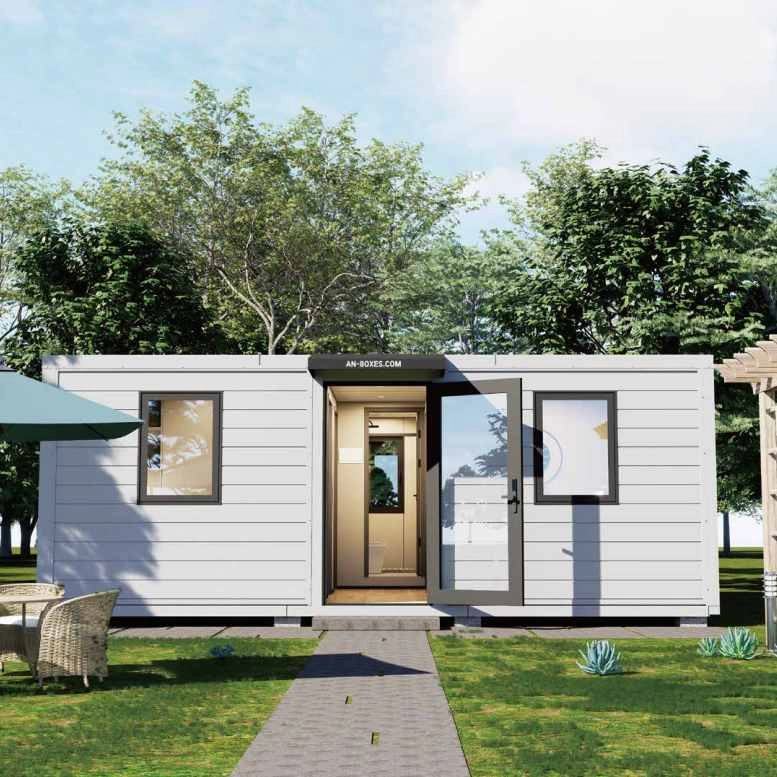
Projects in remote areas often encounter distinct difficulties, including scarce facilities, erratic climate, and constant shifts in worker locations. Conventional lodging options prove costly and demand considerable effort and assets to install. Portable expandable homes have appeared as a contemporary solution that tackles these problems well by providing adaptability, practicality, and eco-friendliness.
Fast installation features let these homes go up in a short time. This cuts setup duration and workforce expenses. Modular setups simplify moving and shifting units when work locations alter. Sturdy components guarantee extended service even in tough settings. Thus, they suit sectors such as mining, power generation, and infrastructure building.
What Makes Portable Expandable Homes So Efficient for Remote Sites?
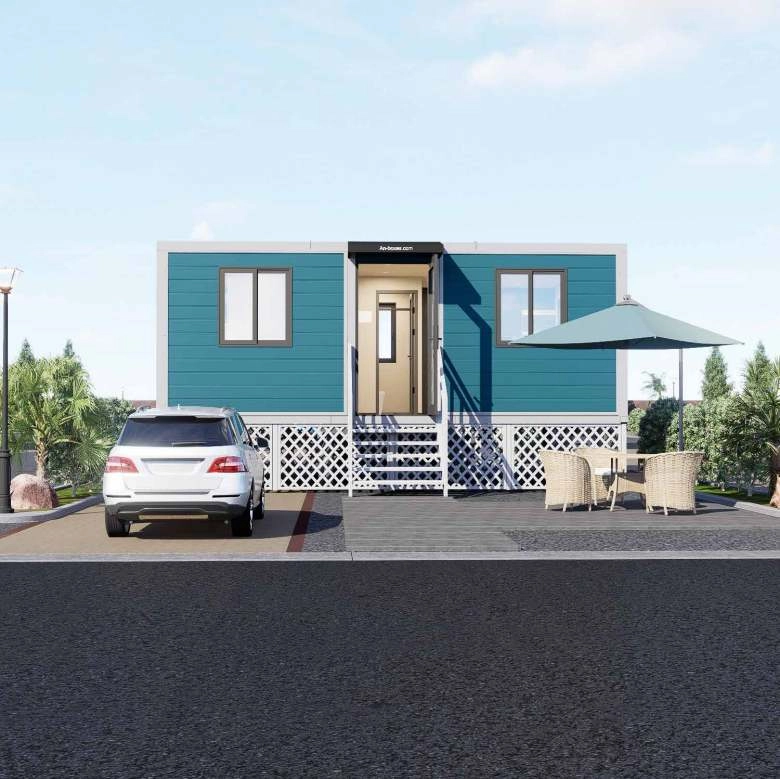
Practicality forms the basis of achievement in distant building efforts. Portable expandable homes get crafted to fulfill needs of secluded spots. They blend structural creativity with useful planning. These homes help groups keep work flowing smoothly. At the same time, they ensure ease and protection in tough situations.
Quick Assembly and Mobility Benefits
Portable expandable homes can get placed in just hours, not weeks. This greatly shortens idle periods between stages of work. Their collapsible builds permit hauling by regular vehicles or shipping boxes. No special approvals or large equipment prove necessary for installation.
- No requirement for large equipment during installation.
- Small size lowers shipping expenses.
- Reusable parts allow use in several projects.
Container buildings feature standard measurements. Workers can stack and join them easily to fit various structure demands. This trait offers great adaptability and ease of movement. It enables swift building and taking apart at different locations.
Energy Efficiency and Sustainability Features
Eco-friendliness now plays a vital role in current building activities. Portable expandable homes include green materials and power-saving setups. These suit conditions without grid access.
- Insulated sections cut needs for warming and chilling.
- Solar-compatible tops aid in adding renewable power.
- Water-saving pipe systems reduce use of resources.
Container buildings allow reuse and recycling. This lowers waste from building work. Such an eco-conscious method matches worldwide pushes for green construction methods. It also lessens harm to the surroundings.
How Do Portable Expandable Homes Improve Worker Comfort and Safety?
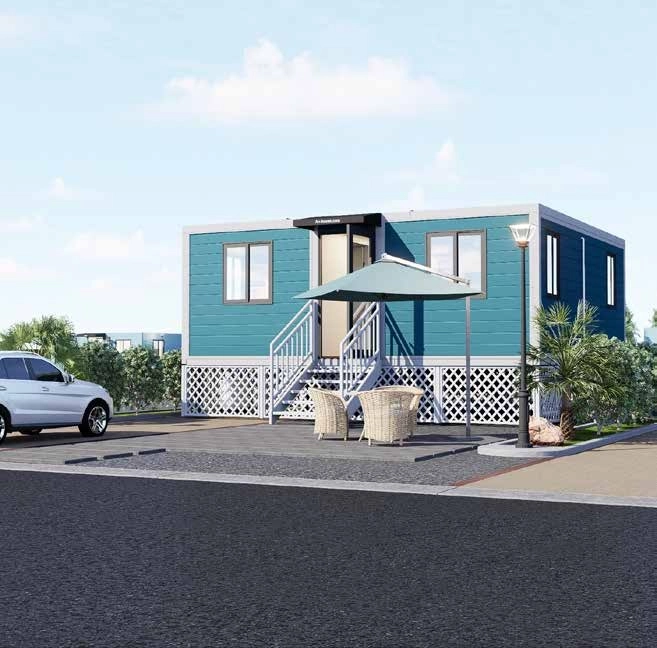
The health of staff directly affects output at distant locations. Portable expandable homes get designed to offer ease like fixed buildings. Yet, they uphold strong safety norms for industry use.
Interior Design That Promotes Well-being
Each portable unit allows tailoring with rest areas, cooking spaces, washrooms, or work rooms based on what the project needs. The practical arrangement makes the best use of area. It avoids sacrificing seclusion or ease.
Each expansion container house serves as a standalone work space. It contains two bedrooms, a lounge, a meal area, a kitchen, and a bathroom. Modern living tools and energy-conserving systems come equipped. This setup bolsters staff spirits. It creates a habitable setting even in far-off places.
Built-in Safety Features for Harsh Environments
Distant areas frequently subject workers to severe heat or cold, or shaky ground. Portable expandable homes use flame-proof materials. These boost defense against mishaps. Strong steel supports handle fierce wind forces and earthquake intensities up to 8.5 on the Richter scale.
- Flame-proof materials improve protection.
- Strengthened builds resist wind speeds up to 50 m/s.
- Safe locking mechanisms provide personal security in remote spots.
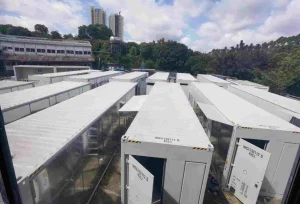
The amusement park consists of 33 inventive containers. The three levels all employ a single layout. The wind-facing side is broad, yet it remains stable during typhoons. This shows how container-based plans can endure intense weather. Such a quality proves essential for housing at remote sites.
Cost Advantages: Are Portable Expandable Homes Economically Viable?
Though the starting cost might appear greater than basic temporary covers, portable expandable homes bring major savings over time. These come from less upkeep expenses, repeated use, and reduced running costs in various projects.
Primary financial benefits encompass:
- Reduced hauling fees thanks to small packing sizes.
- Few on-site staff needs for putting together or breaking down.
- Extended durability with rare fixes, unlike ready-made huts.
Container buildings tend to cost less than standard structures overall. Production and moving expenses stay fairly low. Their rapid setup further trims project costs. Meanwhile, it assures dependable performance lasting years.
ACTBOXES: Redefining Remote Construction Living Solutions
Among top creators of modular lodging options, ACTBOXES excels with its cutting-edge portable expandable homes. These fit perfectly for distant building settings.
We combine tech-based planning with proven toughness from real-world tests. This meets global industry guidelines. Our offerings highlight:
- Strong portability via extendable parts that adjust to diverse grounds.
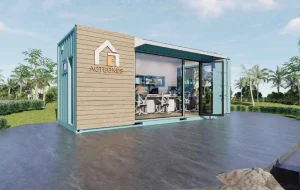
- Adjustable insides suited for varying group sizes or functions (like office areas or lodging).
- Green production methods with reusable materials that cut environmental harm.
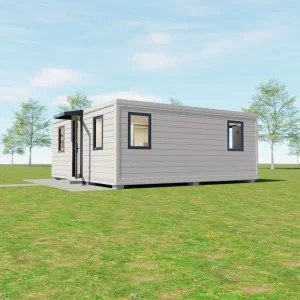
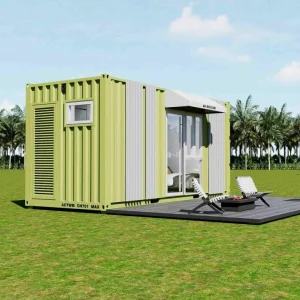
Our range covers items like the 40-foot sea container house, 20-foot Container Expansion Store, and 40-foot combination shipping container house. Every type embodies our goal to deliver earth-friendly and creative modular containerized lodging choices.
We have carried out successful ventures, such as the CH700 Rapid Deployment Green Hotel. It employed ten units of Expandable Container Rooms (ECRs). Completion took just one month. This illustrates how our answers adjust swiftly to client schedules. At the same time, they uphold green norms.
Clients often commend the dependability of our plans: “Our customers have highly praised our new order of seven products; they said that ACTBOXES products are superb value for money.” Feedback like this confirms our commitment to fine workmanship and client contentment around the world.
Conclusion
Portable expandable homes signal a major change in managing lodging logistics for distant building teams. Their brief installation periods, expense practicality, eco features, and staff-oriented plans position them as a smart pick for fields wanting adaptability. This comes without giving up on quality or safety levels. We at ACTBOXES keep improving this idea into real-world advances. These reshape living ease at far-off work spots. They ensure smooth operations from start to end. Moreover, they back lasting progress in the worldwide building field.
FAQs
Q: How long does it take to set up a portable expandable home?
A: Usually within 2–4 hours depending on site conditions.
Q: Can portable expandable homes withstand extreme weather?
A: Yes, they’re built with reinforced panels suitable for harsh climates such as strong winds or seismic activity zones.
Q: What size options are available for portable expandable homes?
A: Sizes range from 20㎡–60㎡ per unit depending on configuration needs; models like our 20-foot or 40-foot expandable houses offer versatile layouts adaptable to any site requirement.