What Are the Common Water Drainage Challenges for Construction Site Containers?
Why is Water Drainage Important for Construction Site Containers?
Effective water drainage plays a vital role in preserving the strength and practicality of any construction site container office. If drainage fails, water might gather near or under the container. This can cause rust, weakened structure, and mold development. Such problems threaten worker safety and shorten the building’s life.
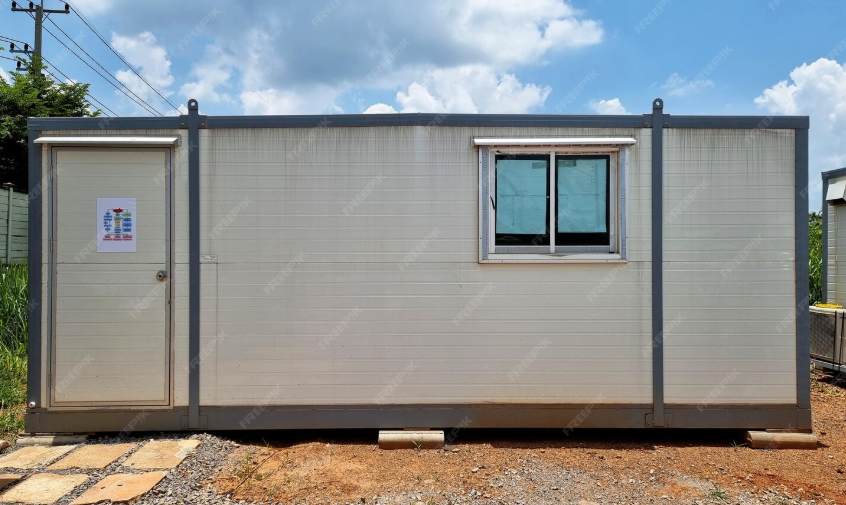
Good drainage systems create a dry and secure workspace inside container offices. They shield key tools, papers, and supplies from water harm. Moreover, suitable drainage supports better heat control and insulation quality. Proper drainage is especially important for container offices because long-term moisture can affect durability, insulation performance, and overall workspace safety. These features show that containers can handle tough conditions with proper care. They resist damage from water over time.
Common Drainage Issues Faced by Construction Site Containers
Building sites typically deal with irregular ground and diverse soil conditions. These factors often result in faulty site leveling. Bad leveling makes water collect beside container bottoms rather than drain off smoothly. Weak or badly planned drainage setups might also let water seep via joints or floor cracks.
A common problem is clogged drainage routes from building waste or dirt buildup. If drains get blocked, even light rain can cause flooding near container offices. In the long run, this buildup may lead to metal parts rusting and base supports wearing down.
Effective Water Drainage Solutions for Construction Site Containers
What Are the Key Considerations for Installing Drainage Systems?
Before setting up any drainage system near a construction site container office, you must review several elements. Start by examining the site’s landscape and soil makeup. This helps spot natural water movement paths. Soils rich in clay hold more water than sandy ones. Thus, they need extra underground fixes like French drains.
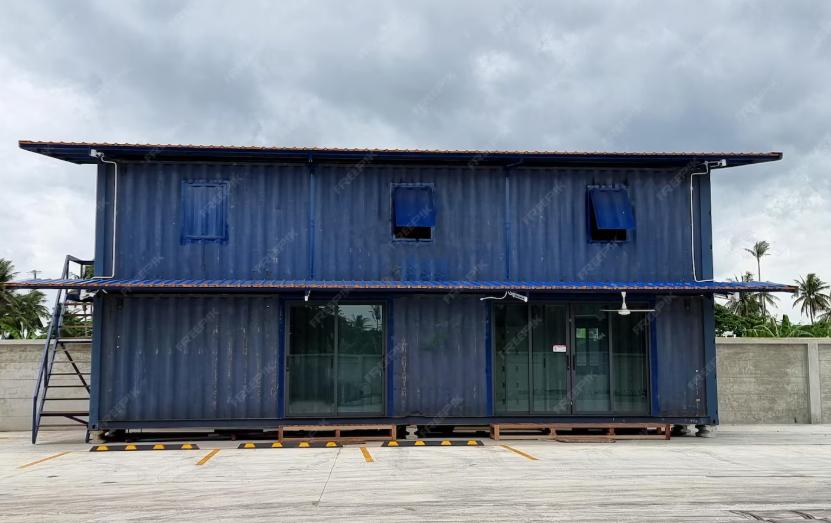
Choosing the right materials matters a lot too. Options such as perforated tubes, stone layers, or fabric barriers ensure lasting strength and function. Following local construction rules guarantees that setups meet safety needs and eco guidelines.
Types of Water Drainage Systems Suitable for Construction Sites
Surface Drainage Solutions
Surface drainage deals with obvious runoff before it soaks into the soil close to containers. Leveling or tilting the ground makes sure rainwater moves away from buildings quickly. You can place shallow ditches or channels wisely to steer runoff to set collection spots.
These approaches work well to stop surface wear while keeping access easy around the construction site container office. They also ease the load on underground systems. This happens by redirecting extra water early along its route.
Subsurface Drainage Solutions
Underground systems handle hidden water flow that might otherwise leak into containers from underneath. French drains work great here. They include pierced pipes wrapped in stones and redirect underground water from bases. In spots with lots of rain or high groundwater, sump pumps add extra protection. They actively clear gathered water.
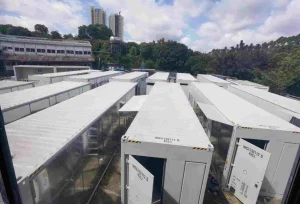
This project uses ten sets of Expandable Container Rooms (ECRs) to quickly create an eco-friendly and effective green hotel setup. In the same way, adding modern drainage tech to modular units boosts toughness against nature’s threats like floods or too much dampness.
Implementing Practical Drainage Strategies on Construction Sites
Steps to Install a Reliable Drainage System Around Container Offices
- Conduct a comprehensive site assessment:Identify potential problem areas where water tends to collect.
- Design a tailored drainage plan:Consider both surface flow patterns and subsurface saturation levels.
- Implement integrated solutions:Combine grading adjustments with trench drains or French drains based on site requirements.
- Test system functionality:After installation, simulate rainfall conditions to ensure proper discharge routes.
- Document maintenance protocols:Establish inspection intervals and cleaning procedures for long-term reliability.
A solid plan cuts down on weather-related delays. It also safeguards the structure’s strength for years.
Maintenance Tips for Ensuring Long-Term Drainage Efficiency
Regular upkeep is key to keeping systems working well over the whole building project span. Check ditches and drains often for junk buildup. Things like leaves or mud can block paths.
After big storms, review if any soil loss has changed tilts or uncovered tubes. Fix small problems fast to avoid major breakdowns later. Logging check results aids in spotting patterns. It also highlights repeated issues that call for plan tweaks.
Highlighting ACTBOXES: Innovative Solutions for Container Offices
How Does ACTBOXES Address Water Drainage in Their Container Offices?
At ACTBOXES, we focus on toughness and eco fit in every construction site container office we make. Our builds include built-in water channels along bottom frames. These guide rain away smoothly and cut down on entry risks in harsh weather.
We understand that every construction site presents different challenges, so we provide custom containers designed to match specific landscapes, drainage conditions, and local weather environments. Whether on loose ground or firm pads, our containers stay steady. They use strong floor bases paired with smart tilt designs.
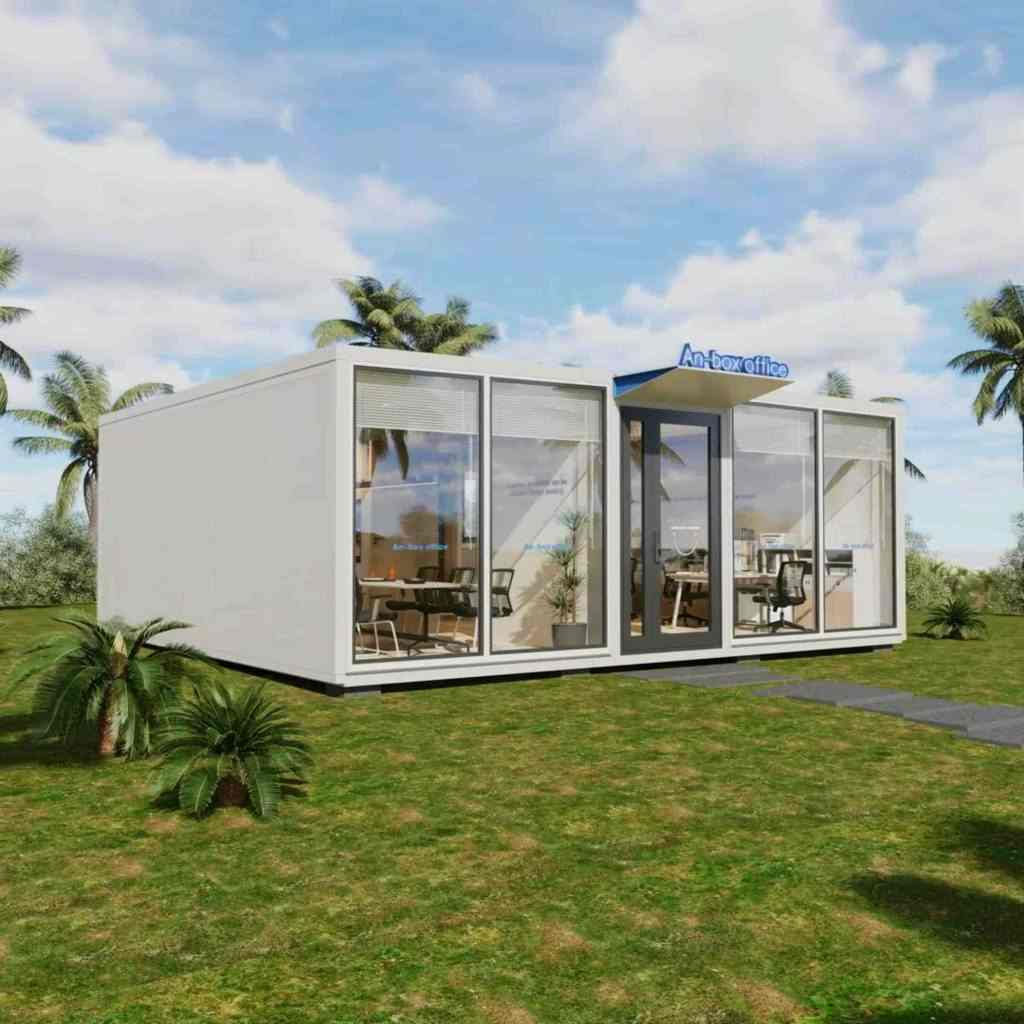
Container architecture is an architectural form that uses container as basic structure and component to design and build. Drawing from this idea of flexible modules, we build our items for power and eco balance. We ensure they work steadily amid varied nature stresses, including heavy rain or flood risks.
Our choice of materials stresses rust resistance and lasting strength against wet conditions. Every piece faces strict quality checks based on global standards. These match those in sea-grade builds.
FAQ
Q: What is the Best Way to Prevent Water Accumulation Around My Container Office?
A: To prevent water buildup near your construction site container office, ensure proper land grading so runoff flows outward from the base perimeter. Incorporate shallow trenches or swales along with subsurface systems like French drains where necessary.
Q: How Can I Maintain My Container’s Drainage System?
A: Regularly remove debris blocking drain openings, especially after storms. Inspect slopes periodically to confirm they still direct water correctly away from structures.
Q: Are There Specific Regulations I Need to Follow When Installing a Drainage System?
A: Yes, always comply with local building codes governing stormwater management on construction sites; these may specify required pipe sizes, discharge points, or filtration measures depending on regional standards applicable to temporary modular buildings like container offices.