The construction and housing sector continues to change quickly. Expandable container houses have become a practical and sustainable choice in this environment. Their flexibility, mobility, and overall value make them suitable for many uses. These applications range from temporary housing to data centers. Yet buyers, developers, and investors need to understand how market demand shapes expandable container costs.
Key Factors Affecting Expandable Container Costs
To see how market demand affects expandable container costs, one must review the main cost elements. These include several important drivers.
Material Prices
The price of raw materials has a direct impact on expandable container units. Steel and insulation parts play a central role here. When market demand grows, suppliers often raise material prices because supply becomes tighter.
Steel prices change according to worldwide economic conditions and supply chain limits.
Eco-friendly materials used in sustainable container designs often come with higher costs.
Bulk buying during periods of strong demand can reduce price increases for manufacturers.
Labor and Manufacturing Costs
Labor expenses shift with demand levels and geographic location. Periods of high demand frequently call for overtime work, extra staff, or accelerated schedules. Each of these adds to overall operational costs.
Skilled workers needed for custom expandable containers tend to cost more when demand increases.
Production efficiency at ACTBOXES helps control cost rises while quality stays consistent.
Modern manufacturing methods lower labor demands and still protect design quality.
Transportation and Logistics
Market demand influences more than manufacturing. It also changes transportation expenses. Expandable containers are heavy and large. Therefore shipping fees can rise sharply when demand for logistics services grows.
Port delays and elevated freight rates during busy times affect final prices.
ACTBOXES uses careful logistics planning to keep deliveries on schedule during high-demand periods.
Local rules and customs fees further shape total transport costs.
Technological Innovation
Advances in container design, energy performance, and modular building methods affect cost structures. Strong market demand often speeds up innovation. Companies work harder to satisfy customer needs in competitive conditions.
New expandable container designs may include smart systems. These raise starting costs but lower expenses over time.
ACTBOXES supplies energy-efficient containers that feature natural lighting, ventilation, and up-to-date living areas.
Improvements in modular connections shorten assembly time on site and help balance higher production expenses.
How Market Trends Affect Customer Decisions
The relationship between market demand and expandable container costs shapes buyer choices. When prices move, customers often change project schedules, designs, or order volumes.
Adjusting Project Timelines
High demand and rising prices may lead customers to place orders sooner. They do this to secure current rates. In contrast, low demand periods give clients the chance to delay purchases. Many expect prices to fall.
Choosing Modular Customization
Expandable containers come with many customization choices. These cover interior arrangements and outside surfaces. Cost increases driven by the market can affect how much customization buyers select. At ACTBOXES we offer adaptable choices. Customers can therefore match cost levels with their design goals.
Standard expandable containers help keep costs lower during busy demand times.
Special elements such as solar panels or improved insulation receive priority according to project needs.
ACTBOXES cooperates with clients to deliver affordable answers while quality remains high.
Balancing Sustainability and Costs
Sustainable practices gain importance throughout the construction field. Eco-friendly materials and energy-saving features may lift expandable container costs at first. Still, current market patterns show that savings over the long term make these selections valuable.
ACTBOXES containers combine renewable energy features with effective insulation systems.
Sustainable materials come from responsible sources. This approach supports environmental goals without large cost increases.
Growing market interest in green options encourages manufacturers to develop more creative and environmentally aware designs.
Real-World Examples from ACTBOXES
CH701 Sea Container House Project
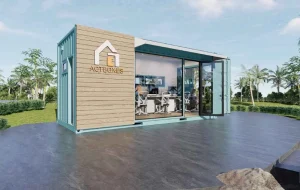
The CH701 Sea Container House Project offers a clear case of market demand effects on expandable container costs. Every unit carries CSA certification. It meets Class A fire standards. Thermal insulation covers a range from 22 to 122°F. Earthquake resistance reaches Level 8.5. The project shows that demand for superior features can affect costs. Even so, smart design and material decisions keep expenses under control.
Digital Currency Container Data Center in Texas
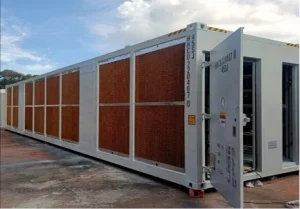
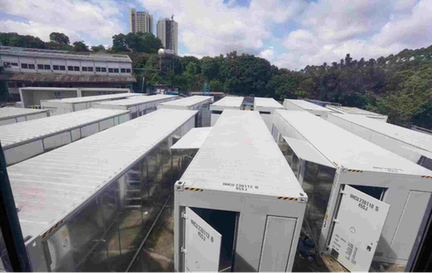
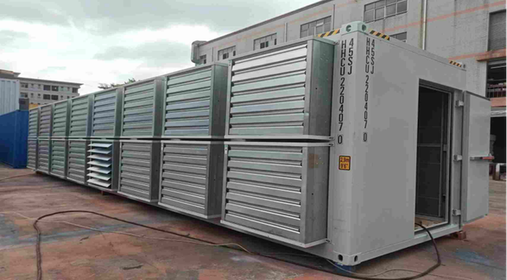
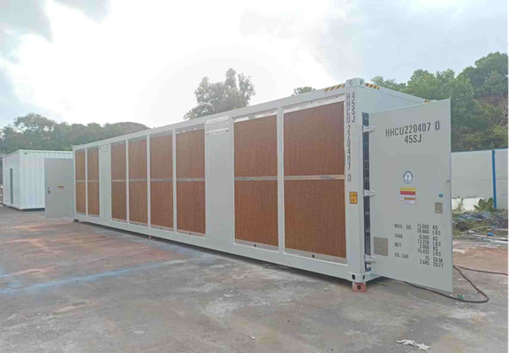
ACTBOXES delivered 13 container data centers in Texas. These units emphasize flexibility and performance. They include advanced cooling, backup power, and strong security systems. Market interest in expandable IT solutions shaped both production schedules and cost factors.
Strong demand for technology infrastructure can raise material and labor expenses for a time.
Custom requirements add to costs yet deliver lasting scalability benefits.
ACTBOXES meets local environmental standards and still controls costs effectively.
Strategies for Managing Expandable Container Costs
Customers can still apply practical steps to handle expenses well.
Bulk Ordering
Purchasing several units together creates savings through economies of scale. ACTBOXES provides volume discounts on bulk orders. This approach reduces the influence of changing market demand.
Planning Ahead
Forward planning limits sudden cost jumps caused by high demand. Ordering early or matching project dates with production availability supports steady pricing.
Choosing Standardized Designs
Standard designs usually cost less than fully custom units. ACTBOXES maintains a selection of ready-made expandable containers. These balance reasonable prices with solid performance.
Leveraging Sustainable Solutions
Energy-efficient and environmentally sound containers lower operating costs over many years. Initial prices may appear slightly higher. Market trends nevertheless confirm that sustainable designs enjoy rising interest. They also bring improved resale value and ongoing savings.
Advantages of Expandable Container Construction
Expandable container houses provide several benefits that go beyond simple cost factors.
Flexibility and Mobility
Standardized sizes support stacking and simple unit combinations.
Units move easily and install quickly in many different settings.
Sustainability
Reusable and recyclable materials cut down on construction waste.
Energy-efficient systems decrease environmental impact and running costs.
Cost-Effectiveness
Material and labor expenses stay lower than those of conventional building methods.
Shorter construction periods reduce total project spending.
Customization
Adaptable design choices suit residential, commercial, or industrial purposes.
ACTBOXES delivers specific solutions that match individual client requirements.
Future Trends in Expandable Container Costs
The market for expandable container housing keeps expanding. Several developments will guide future cost patterns.
Rising Material Demand: Worldwide needs for steel and eco-friendly supplies will continue to shape production expenses.
Technological Advancements: Automation together with modular links will decrease labor requirements and raise efficiency.
Sustainability Focus: Increased interest in green building will speed the use of energy-saving container designs.
Rapid Deployment Needs: Growing calls for fast-construction options in tourism and emergency response may lift costs for short periods. These solutions still create lasting value.
ACTBOXES remains committed to innovation and adjustment to market shifts. We supply affordable and dependable expandable container solutions. Close attention to these trends allows us to support clients in reaching sound decisions and project targets.
Conclusion
Market demand affects expandable container costs in many ways. Material prices, labor, logistics, and technological progress all play a part. High demand tends to push costs upward. Low demand periods can open doors for savings. ACTBOXES brings together knowledge, new ideas, and careful planning. Our aim is to meet client requirements while avoiding needless cost growth. Clear awareness of these forces helps buyers control budgets, select sustainable options, and complete successful expandable container projects. This holds true for residential buildings, hotels, or data centers. A thoughtful response to market demand improves both cost control and project results.
FAQs
Q: How does market demand influence the price per container in liters?
A: Higher demand typically increases the price per 1,000 liters of container volume.
Q: Can expandable container costs rise per kilogram due to labor or materials?
A: Yes, high demand can raise costs per kg for steel and insulation materials.
Q: What volume options are available for rapid deployment containers?
A: ACTBOXES offers containers from 20 to 40 cubic meters for quick setup and efficiency