Introduction
Demand for flexible, fast-deployable and cost-efficient workspace solutions keeps growing in construction, energy, logistics, and remote infrastructure projects. Traditional buildings often find it difficult to meet the speed, mobility, and adaptability that modern operations require. As industries expand around the world and project cycles grow shorter, companies turn more often to modular systems such as the flat pack container office.
At ACTBOXES, we design and manufacture modular container-based solutions that address these changing requirements directly. Our products include shipping container offices, expansion container houses, and modular data container systems. All of them are built with attention to customization, durability, and sustainability. As described in our company profile, we work to develop innovative and environmentally responsible modular space solutions. These solutions help global clients across many industries.
What Is a Flat Pack Container Office Space?
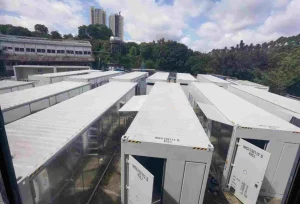
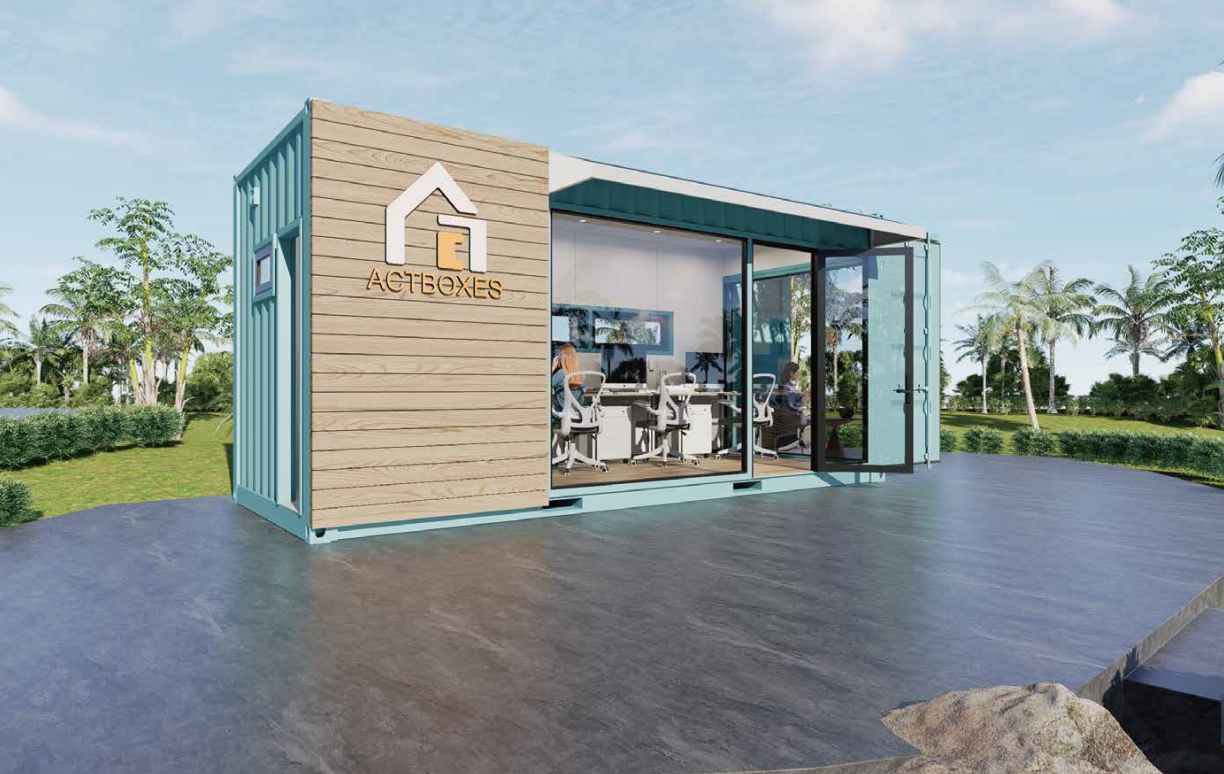
A flat pack container office is a prefabricated modular structure created for quick transport and on-site assembly. Traditional construction needs ongoing work at the site. Flat pack systems differ because they are built in controlled factory settings. They arrive in compact form and allow fast installation.
At ACTBOXES, our container office designs follow standardized shipping container dimensions. This approach supports efficient logistics, worldwide transport compatibility, and adaptable use in varied environments.
Core structural characteristics include:
Pre-engineered steel frame for structural strength
Modular wall, roof, and floor systems
Integrated electrical wiring channels
High-performance insulation layers
Bolt-connected assembly for fast installation
These features make the container office concept very practical for industries that need rapid deployment. They still deliver strong durability and safety.
Modular Architecture and Its Expanding Role
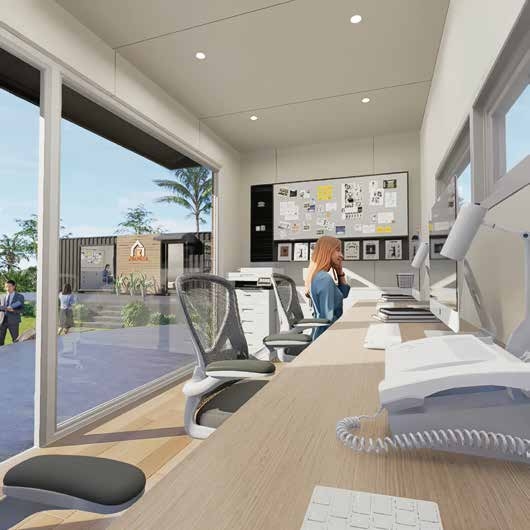
Modern construction moves away from traditional site-based methods. It shifts toward prefabricated and modular systems. This change comes from needs for better time efficiency, tighter cost control, and greater environmental responsibility.
The modular container office has grown into one of the most common applications of this trend. It allows scalable workspace development. At the same time, it keeps flexibility for relocation and reuse.
ACTBOXES supports this change by supplying modular systems for industries that work in remote or quickly evolving settings. Our experience indicates that businesses now value adaptability more than permanent structures.
Key forces driving modular adoption:
Rapid urban expansion and infrastructure demand
Rising construction and labor costs globally
Growth of remote industrial and energy projects
Increasing focus on sustainable building methods
Need for flexible commercial and office environments
These elements continue to change how organizations plan their workspace infrastructure.
ACTBOXES Modular Design Approach
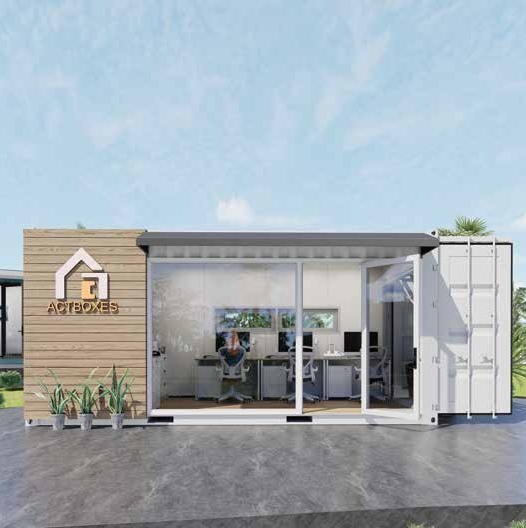
At ACTBOXES, we join engineering precision with practical design. This combination produces container-based solutions for real-world use. Our production approach rests on sustainability, innovation, and strict quality control, as stated in our core company values and mission.
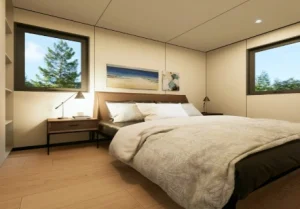
We focus on shipping container houses, expandable modular units, and data container centers. These offerings provide complete solutions for clients worldwide.
Our design and manufacturing process includes:
Structural steel fabrication and reinforcement
Anti-corrosion treatment for long-term durability
Factory-installed electrical and utility systems
Thermal and acoustic insulation integration
Pre-shipment assembly testing and inspection
Each portable office container is developed to suit particular environmental conditions. These range from hot desert areas to humid coastal zones.
Practical Applications of Container Office Systems
The versatility of the container office allows use across many industries. Its modular design supports deployment, expansion, or relocation according to operational requirements.
Construction and Engineering Sites
Construction companies apply flat pack systems as temporary offices, meeting rooms, and project command centers. Quick deployment shortens downtime when projects begin.
Energy and Mining Operations
Remote locations frequently lack basic infrastructure. A portable office container supplies necessary working space with insulation, electricity, and climate control.
Commercial and Retail Spaces
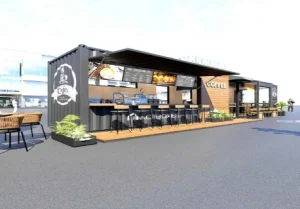
Businesses choose modular offices for temporary shops, exhibitions, and pop-up service centers. These applications work especially well in busy urban locations.
Data and Technical Infrastructure
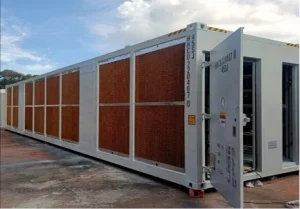
ACTBOXES also creates modular container data systems for IT infrastructure and edge computing uses. These systems are engineered to maintain stable performance under controlled environmental conditions. This capability appears clearly in our data center container projects.
Advantages of Flat Pack Container Office Systems
The fast uptake of flat pack container office systems comes from several distinct advantages. These advantages respond directly to current challenges in construction.
Fast deployment capability
Modular offices can be installed in days rather than months. Traditional construction usually takes much longer.
Cost efficiency
Production in a factory lowers dependence on labor and cuts on-site construction expenses.
Mobility and relocation
A modular container office can move between project sites. It does so without damage to its structure.
Sustainability benefits
Reusable parts decrease waste and promote environmentally responsible construction methods.
Structural durability
Steel construction offers strong resistance to wind, seismic activity, and severe weather.
Flexible expansion
Several units can connect to form larger office complexes when project requirements increase.
Installation and Deployment Workflow
One of the clearest strengths of a flat pack container office lies in its straightforward installation process. This process reduces delays and simplifies logistics.
Step 1: Site preparation
Teams prepare a level foundation to guarantee structural stability.
Step 2: Transport and positioning
Modules arrive in compact form. Lifting equipment then places them in position.
Step 3: Structural assembly
Workers connect wall panels and frames with engineered locking systems.
Step 4: Utility integration
Electrical wiring, lighting, and optional plumbing receive final connections.
Step 5: Final inspection
Safety reviews and function tests occur before the office enters service.
This clear sequence raises efficiency well above that of conventional building approaches.
Sustainability and the Future of Modular Architecture
Sustainability has become a main requirement in construction worldwide. Modular systems provide a realistic method to lower environmental effects while preserving operational performance.
At ACTBOXES, sustainability forms one of our central values. We emphasize reusable structures, recyclable steel materials, and efficient manufacturing steps that limit waste.
The modular architecture model helps achieve:
Lower construction waste generation
Reduced transportation emissions
Reusable building lifecycle systems
Improved energy efficiency through insulation design
As industries place higher priority on sustainability, modular container systems will take on a greater part in future infrastructure projects.
Conclusion
The flat pack container office offers more than a short-term answer. It signals a basic change in the way buildings are designed, manufactured, and utilized. Growing needs for mobility, cost efficiency, and sustainable construction push modular architecture from a specialized role toward wider acceptance.
At ACTBOXES, we keep advancing container-based systems that aid this change. From portable office containers to extensive modular infrastructure, our objective remains to supply adaptable spaces. These spaces meet genuine operational needs in many different environments.
As global industries develop further, modular architecture will do more than support the future of construction. It will also help shape that future.
FAQs
Q: What is a flat pack container office?
A: A prefabricated modular office system designed for fast on-site assembly.
Q: How long does installation take?
A: Typically 3–10 days depending on configuration.
Q: What is the capacity of a portable office container?
A: Usually supports 2–12 people depending on size and layout.