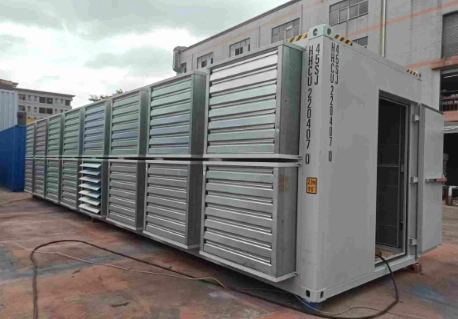
A container-based data center gives businesses a practical way to add computing capacity without building a large permanent facility. It places servers, mining machines, power distribution, cooling equipment, monitoring systems, and safety controls inside a strong modular structure.
This approach is becoming more important as companies look for sustainable IT operations. Data demand continues to rise, but businesses also need to control energy use, reduce construction waste, and respond quickly when a project changes location.
At ACTBOXES, we design container solutions for data infrastructure, housing, offices, and other working environments. Our goal is to create modular spaces that are strong, adaptable, and suitable for real operating conditions. A Container Data Center is one of our key products for high-density computing and digital infrastructure.
Why Sustainability Matters in Data Infrastructure
A sustainable data center must be considered as a complete system. Low energy use is important, but it is only one part of the picture. Construction materials, transport, cooling, maintenance, equipment life, and future reuse all affect the environmental impact of an IT facility.
A containerized data center can support sustainability when its structure and technical systems are planned together. The container format does not automatically make a project green. Its real value comes from reducing unnecessary work, using space carefully, and making the facility easier to maintain or move.
Less Construction Waste
Traditional data center construction can involve concrete foundations, permanent walls, roofing, internal partitions, electrical rooms, ventilation areas, and many separate installation teams. These processes often create material waste and require repeated deliveries to the site.
A container-based data center moves much of the work into a factory environment. The structure, insulated panels, cable routes, electrical cabinets, cooling systems, and monitoring components can be prepared before delivery. This reduces the amount of cutting, drilling, packaging, and temporary work completed at the destination.
The benefit is especially clear for temporary projects or remote sites. When the operation ends, the unit can be relocated instead of demolished. Its useful life can continue in another region or for another application.
Better Use of Materials and Land
A modular data center uses a compact footprint. Its rectangular shape makes it easier to plan rows, service paths, cable connections, cooling zones, and security areas. It can be placed on prepared supports instead of requiring a large permanent building.
ACTBOXES uses a sea container structure for our data center product. The design includes high-strength galvanized steel, insulated sandwich panels, and a load-bearing capacity of up to 20,000 kg. These features help the unit carry dense equipment while protecting the interior from moisture, heat, dust, and outdoor conditions.
How a Container-Based Data Center Reduces Energy Waste
Energy efficiency depends on how electricity and heat are managed during daily operation. Mining equipment and servers may run for long hours, so small losses can become expensive over time. A sustainable IT facility needs clear power control, stable cooling, and accurate operating data.
For this reason, an energy-efficient data center is not created by one component alone. Its performance depends on the relationship between electrical distribution, machine density, airflow, temperature, and maintenance access.
Controlled Power Distribution
A crypto mining container or high-density IT unit may use a large amount of electricity. If the load is poorly divided, some circuits may become overloaded while others remain underused. This can create unnecessary trips, downtime, and maintenance work.
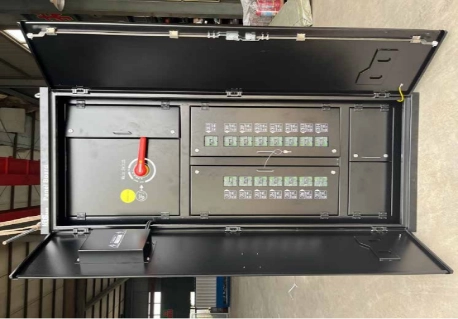
Our ACTBOXES Container Data Center uses individually controlled PDU modules. Each module manages 14 miners, making it easier to identify an issue and replace a failed section. The design also supports hot-swap replacement, so a single module problem does not necessarily stop the entire container.
The system includes:
- A 1200A main power cabinet circuit breaker
- An 80A PDU control circuit breaker
- Real-time voltage and current monitoring
- Dynamic load balancing
- Optional harmonic suppression
- Support for different regional voltage systems
Dynamic load balancing helps keep power fluctuation within approximately ±2% under the stated product configuration. This supports steadier operation and can reduce avoidable electrical stress.
Practical Cooling and Airflow
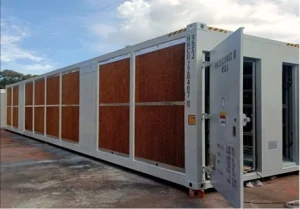
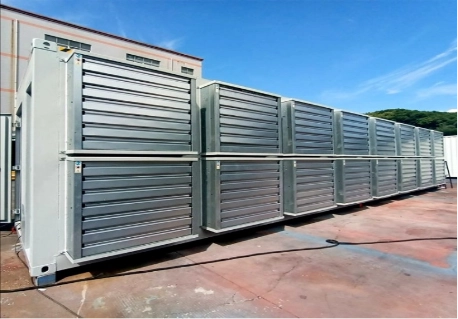
Cooling is often the largest operating challenge for a containerized data center. Computing machines release heat continuously. If hot air remains inside the unit, equipment may reduce output, trigger alarms, or fail earlier.
ACTBOXES uses temperature control features for different climate conditions. The product includes low-temperature preheating support down to approximately -40°C and high-temperature exhaust air compensation up to approximately 55°C, according to the product specification.
The cooling design may include:
- High-volume exhaust fans
- Planned intake and discharge routes
- Temperature sensors
- Insulated wall panels
- Dust and splash protection
- Airflow paths matched to equipment layout
The container also provides IP54 protection for relevant applications, helping reduce the impact of dust and water splashes in demanding locations such as dry industrial areas or coastal environments.
Modular Design Extends the Life of IT Assets
Sustainability also depends on how long a facility remains useful. A fixed building may become difficult to modify when equipment changes. A modular unit can be adjusted in smaller stages, which helps reduce the need for full reconstruction.
This is one of the main reasons companies consider a container-based data center. They can begin with a defined capacity, monitor business demand, and add more units later. The approach supports growth without forcing the entire infrastructure to be designed at maximum size on the first day.
Mobility Supports Reuse
Energy prices, local rules, weather conditions, and business priorities can change. A permanent facility cannot move easily when those factors shift. A containerized data center can be transported by road or sea when the new site has suitable power, foundation, network, and safety conditions.
In our article on shipping container mobility for crypto mining, we explain how modular mining units can help operators respond to new energy opportunities and changing locations.
Mobility can support sustainability in several ways:
- Reusing the same structure at another site
- Avoiding a second permanent building
- Moving closer to available energy resources
- Expanding in smaller stages
- Reducing idle infrastructure after a project ends
Relocation still requires careful planning. Transport, permits, lifting equipment, local electrical rules, and site preparation must be reviewed before moving the unit.
Expansion Without Full Reconstruction
A modular data center can grow by adding units or replacing specific technical sections. This is more manageable than expanding a conventional building with new walls, electrical rooms, and cooling areas.
The same expandable system used in ACTBOXES modular buildings can support different needs. A sea container office may provide a nearby control room for technicians. A container home with solar panels may support remote staff accommodation. A solar container house may serve an off-grid project where lighting, communication, and small computing loads need local power.
These applications are different from a high-density data center, but they share the same principle: build useful space in modules that can be transported, reused, and adapted.
Monitoring Makes Sustainable IT Operations Measurable
A data center cannot improve its performance if operators cannot see what is happening inside. Real-time information helps teams find abnormal temperature, uneven power use, communication problems, or equipment faults before they become serious failures.
Monitoring also supports sustainable IT operations because it gives managers better control over maintenance and energy decisions.
Electrical Data in Real Time
Our ACTBOXES product integrates a Modbus RTU protocol controller and supports communication through RS485 and Ethernet. It can also connect with a SCADA system, allowing operators to view selected information from a wider control platform.
Data may include:
- Voltage
- Current
- Power factor
- PDU status
- Temperature
- Equipment condition
- Communication status
For operators managing several bitcoin mining containers, centralized data reduces unnecessary site visits. Teams can check a problem remotely before sending a technician, which saves travel time and helps maintenance staff carry the right replacement parts.
Preventive Maintenance Protects Equipment Life
A failed fan, overloaded circuit, or rising temperature can affect many machines at once. Early warnings allow operators to inspect the relevant area before a larger shutdown occurs.
Longer equipment life has an environmental benefit. Replacing machines less often reduces material use, transport, packaging, and electronic waste. Preventive maintenance also protects the investment made in the container itself.
ACTBOXES Experience in Modular Digital Infrastructure
ACTBOXES has worked with container housing, expandable structures, offices, and data container centers since 2013. We use the same careful approach across these applications: strong structures, practical layouts, suitable materials, and attention to the final operating environment.
The ACTBOXES Container Data Center can hold up to 336 S19/S21 miners in one unit. It also supports fire protection requirements for data center applications, dual voltage input, electrical monitoring, and insulated construction.
Our project experience includes the Global Digital Currency Container Data Center System. In Texas, we deployed 13 data center container houses for a large technology project. The units included cooling systems, redundant power supplies, security measures, and rapid deployment planning.
The same technical thinking can be applied to a shipping container GPU mining farm. In that market, buyers often compare mining container cost by capacity, power design, cooling method, monitoring, certification, and delivery requirements. A sustainable project should compare long-term operating value, not only the initial purchase figure.
What Buyers Should Review Before Ordering
A container-based data center should be selected according to the whole project, not just the number of machines that fit inside. Climate, power quality, network access, maintenance resources, transport routes, and future growth can all affect the final result.
Before comparing suppliers, review:
- Total equipment load in kg
- Required power capacity
- Local voltage and frequency
- Outdoor temperature range
- Dust, humidity, and corrosion risks
- Cooling and airflow method
- Fire protection requirements
- Monitoring and control systems
- Foundation and drainage conditions
- Transport and lifting access
- Expected expansion plans
- Future relocation needs
Buyers comparing how to choose a crypto mining container should also ask which parts are included in the quotation. The mining container cost may change according to equipment capacity, custom power systems, cooling, certification, and shipping distance.
Conclusion
A container-based data center can support sustainable IT operations by reducing on-site construction, using materials efficiently, improving power control, and allowing the facility to move or expand when needs change. Its sustainability depends on the complete design rather than the container shell alone. Cooling, electrical safety, monitoring, maintenance, and long-term reuse must work together. ACTBOXES combines modular manufacturing with experience in digital infrastructure projects, including a 13-unit deployment in Texas. We also design related container solutions for offices, homes, and technical facilities. When buyers compare a containerized data center, they should look beyond the first price and consider energy performance, equipment life, maintenance, and future flexibility. For project planning, contact ACTBOXES.
FAQs
Q:How much equipment can an ACTBOXES containerized data center carry?
A:Up to 20,000 kg.
Q:What communication systems does the containerized datacenter support?
A:RS485, Ethernet, Modbus RTU, and SCADA integration.
Q:How many liters of liquid cooling are included?
A:No fixed L value; cooling depends on the selected system.