For mining operators, cloud edge teams, and businesses that need fast computing space, cost is often the first hard question. A traditional data center can take years of planning, land work, construction, utility approval, cooling design, and equipment installation. A containerized data center follows a different path. It brings power, cooling, racks, protection, and monitoring into a factory-built container unit that can be moved and placed where the work needs to happen.
At ACTBOXES, we build container products for real operating sites, including crypto mining containers and data container center solutions. For buyers comparing a containerized datacenter with a fixed building, the lowest upfront number is only part of the story. The better question is: how much does the full project cost from planning to daily operation?
Why Container Data Center Cost Is Different from Traditional Facility Cost
A traditional facility usually begins with land, permits, civil construction, steel structure, electrical rooms, cooling rooms, fire systems, networking, and long installation work. Each step adds cost before the first machine begins to run. A container data center takes many of these systems and places them inside a ready-made modular body.
This changes the cost structure. Instead of paying for a large building first, buyers pay for a working technical unit. For crypto mining, this difference can matter a lot because market timing, power price, and machine uptime all affect return.
Lower Construction Spending
Traditional facilities need walls, roofs, flooring, cable trenches, HVAC rooms, and many site-built systems. These costs often rise when the location is remote, the climate is harsh, or the project schedule is tight.
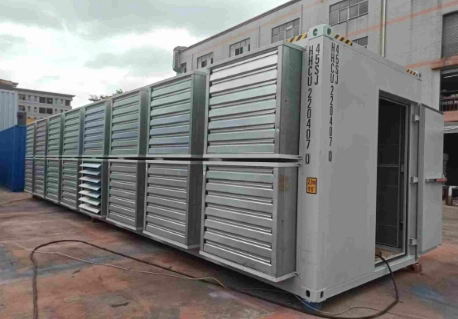
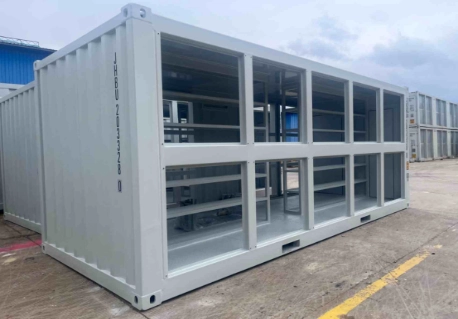
A shipping container data center uses a sea container body as the main structure. Our ACTBOXES unit uses high-strength galvanized steel and an insulated sandwich panel design. The container body can bear up to 20 tons, which helps protect dense computing equipment in demanding environments.
For buyers, this means less spending on permanent building work. It also means fewer delays caused by weather, labor shortages, and building material changes.
Faster Deployment and Earlier Revenue
Time is a cost. A traditional data center may require long design and construction stages before power can be connected and equipment can run. In crypto mining, every month of delay can affect revenue because mining difficulty, energy prices, and coin prices change quickly.
A crypto mining container can be produced, tested, shipped, and installed far faster than a fixed building. ACTBOXES bitcoin mining containers are built for dense machine placement, power distribution, cooling, and monitoring inside a compact structure. When the site has power and network access ready, deployment becomes much simpler.
What Drives Bitcoin Mining Container Price?
Many buyers ask for a simple bitcoin mining container price. The honest answer is that the final price depends on the technical design. A small container with basic ventilation costs less than a high-density containerized data center with intelligent power control, stronger insulation, and advanced safety systems.
Price should be judged together with capacity, cooling quality, electrical safety, and maintenance needs. A cheap container may cost more later if it causes downtime, heat problems, or power loss.
Miner Capacity and Internal Layout
One major cost factor is how many miners the container can hold. Our Container Data Center can hold 336 S19 and S21 miners in a single box. This high-density layout reduces the land area needed for each unit of computing power.
A well-planned layout also affects labor cost. Workers need clear cable paths, safe electrical access, and space for inspection. If machines are packed without good airflow or service space, maintenance becomes slower and riskier.
Power Distribution and Safety Systems
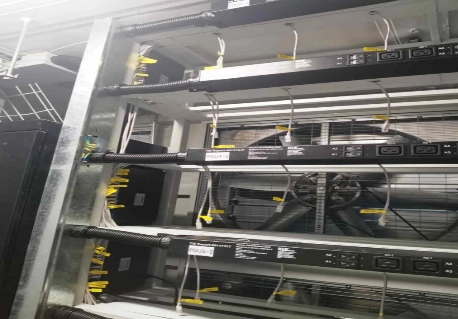
Power is the heart of a containerized data center. Crypto mining containers must handle heavy electrical loads safely. ACTBOXES units include individually controlled PDU modules, a main power cabinet circuit breaker, and PDU control breakers. The design supports close monitoring of voltage, current, and power factor.
These systems add cost at the purchase stage, but they help reduce failure risk during operation. Traditional facilities also need power rooms and distribution systems, but they are often built separately on site. In a container data center, much of this work is integrated before delivery.
Cooling and Climate Control
Cooling is another major cost area. Mining machines create constant heat. If heat is not removed well, machines slow down, fail, or need more frequent service. A traditional facility may need a large HVAC system, air channels, cooling towers, or custom airflow design.
ACTBOXES crypto mining containers use an independent temperature control system, including low-temperature preheating and high-temperature exhaust air support. This helps the container work in cold, hot, dusty, or coastal environments. Strong insulation also blocks outside moisture, heat, and dust.
Operating Cost: Container Data Center vs Traditional Facility
Initial spending is important, but operating cost decides long-term value. Electricity, cooling, maintenance, staff, downtime, and relocation risk all shape the real cost of ownership.
For many buyers, a containerized data center is attractive because it reduces fixed overhead. It can be placed closer to cheaper power, moved when site conditions change, and expanded in steps rather than through a major new building project.
Energy Use and Heat Management
A traditional facility can be efficient when it is large and carefully designed. However, it often needs more supporting space, more cooling equipment, and more building-level energy use. A crypto mining container focuses energy use around the machines and the systems that support them.
Good airflow reduces waste. Smart power monitoring helps operators spot abnormal loads. ACTBOXES units support real-time monitoring through Modbus RTU, RS485, and Ethernet communication. This gives operators better visibility into power behavior and equipment health.
Maintenance and Repair
Traditional facilities may need building maintenance, roof maintenance, floor repairs, cooling room service, fire system checks, and large electrical room inspections. A container data center still needs regular care, but the working area is smaller and more contained.
The modular PDU design in ACTBOXES products helps make service easier. Each drawer-style module controls 14 miners, and hot-swap replacement can reduce the effect of a single module issue. That matters when uptime is tied directly to revenue.
Expansion Cost
Expanding a traditional facility can be costly. It may require new building sections, stronger power feeds, added cooling plants, and more permits. Growth is slow if the original building was not planned for extra capacity.
With bitcoin mining containers, expansion can be modular. Operators can add more units when power, land, and market demand support growth. This gives better spending control. You do not have to build a large facility on day one just to prepare for possible future scale.
Hidden Costs Buyers Should Compare
A containerized datacenter can reduce many expenses, but buyers still need a full cost review. The lowest purchase price does not always bring the best long-term result.
When comparing traditional facilities and shipping container data centers, consider:
- Land preparation and foundation work
- Power connection and transformer needs
- Cooling system capacity
- Fire protection requirements
- Security and access control
- Network connection
- Transport and lifting cost
- Local compliance needs
- Maintenance labor
- Downtime risk
- Future relocation needs
ACTBOXES also has real project experience in container-based infrastructure. In Texas, we deployed 13 data center container houses for a large technology client, with cooling systems, redundant power supplies, and security measures for stable operation. This kind of project shows why containerized solutions are often chosen for speed, mobility, and practical control.
When Traditional Facilities Still Make Sense
A traditional facility is not always the wrong choice. For very large, long-term computing campuses with fixed power contracts and permanent land rights, a building may provide enough scale to justify the investment. Some companies also need a custom building for office space, storage, repair workshops, and long-term staff use.
However, for many mining projects, edge computing needs, and fast-growing operations, a fixed facility can feel heavy. It locks capital into one place. It also makes relocation difficult if power prices rise or rules change.
A containerized data center gives buyers more freedom. It is especially useful when:
- The project must start quickly.
- The site may change later.
- Power price is the main business driver.
- Expansion should happen in stages.
- The operation needs high-density equipment.
- Harsh climate protection is required.

Why ACTBOXES Is a Practical Choice for Crypto Mining Containers
ACTBOXES focuses on sustainable, innovative, and high-quality modular container solutions. Our product range covers container houses, expandable container houses, and data container center products for global clients. For AIDC and crypto mining use, our containerized data center products combine a strong sea container body with power, cooling, monitoring, and safety features.
You can explore our Bitcoin Zone products or read more about cost-focused mining solutions in our article on bitcoin mobile mining containers. Buyers comparing long-term value can also review our guide on bitcoin mining containers versus traditional facilities.
For project planning, our team can help match container size, power layout, cooling demand, and operating environment before production.
Conclusion
A container data center often costs less to start, deploy, expand, and move than a traditional facility. The savings come from modular construction, shorter project time, lower building work, and better control over capacity growth. For crypto mining, these advantages are especially important because timing and energy cost strongly affect profit. A traditional building may still fit very large permanent projects, but many operators need speed, flexibility, and dense computing space. ACTBOXES bitcoin mining containers are designed for those needs, with strong structure, intelligent power control, cooling systems, and field-ready protection. When comparing cost, buyers should look beyond the first invoice and measure the full life of the project.
FAQs
Q: What affects bitcoin mining container price most?
A: Miner capacity, cooling, power design, and container protection affect bitcoin mining container price most.
Q: How much load can an ACTBOXES containerized data center body bear?
A: The container body can bear up to 20,000 kg.
Q: How many miners can ACTBOXES bitcoin mining containers hold?
A: One ACTBOXES containerized data center can hold 336 S19/S21 miners.