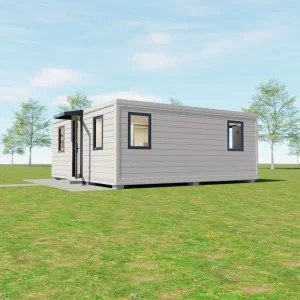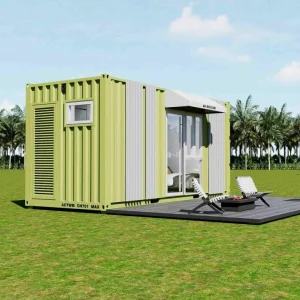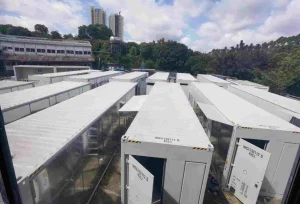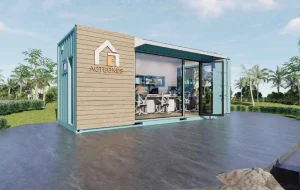
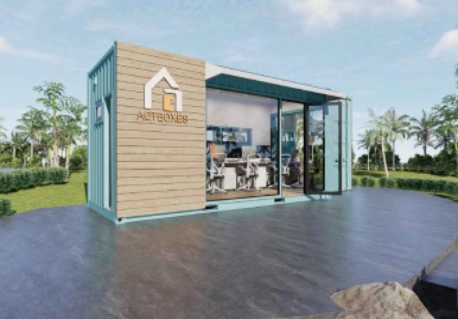
As businesses continue to adjust to shifting markets, the need for adaptable workspaces keeps increasing steadily. Traditional office buildings have served as the usual option for a long time. Yet many companies now view sea container offices as a more intelligent and realistic choice. These workspaces fit well in construction sites, industrial areas, temporary headquarters, and remote project spots. They deliver flexibility while keeping comfort and practical use intact.
In contrast to standard buildings, shipping container offices bring shorter build times, reduced upfront costs, and improved mobility. They can receive custom adjustments to match various industries and specific project needs. At ACTBOXES, we create and produce high-quality container office buildings. These combine strong durability, up-to-date design, and useful layouts. As our overseas brand, ACTBOXES delivers innovative modular container solutions. We provide personalized customization for clients across the globe.
Why Are More Businesses Choosing Sea Container Offices?
Modern businesses require office spaces that adjust quickly to changes in project timelines, team sizes, and growth plans. A fixed building may suit a stable headquarters. However, many sectors need offices that install, grow, or move with little interruption. Sea container offices meet this need effectively. Their adaptable nature helps firms cut down on delays. At the same time, they create professional environments in almost any location.
Businesses select shipping container offices for several clear reasons. These include:
- Faster project delivery
- Lower construction costs
- Flexible layouts
- Easy transportation
- Sustainable construction methods
- Modern office interiors
Unlike standard buildings, a portable office container can support several projects during its useful life. This makes it a worthwhile investment over many years.
How Much Do Sea Container Offices Cost Compared with Traditional Offices?
Cost remains one of the main factors in office planning. Traditional office projects often involve large expenses for site foundations, structural elements, workforce coordination, and extended schedules. Shipping container offices, by comparison, receive most manufacturing work before delivery. This approach helps companies lower both direct and indirect expenses.
What Are the Initial Construction Costs?
A traditional office project generally covers several elements. These include site preparation, foundation work, structural engineering, roofing, interior finishing, and electrical and plumbing installation.
A shipping container office already contains much of this preparation upon arrival. Electrical wiring, insulation, flooring, windows, doors, lighting, and wall finishes receive completion in the factory setting. As a result, businesses spend less time managing separate contractors. They can start using the office in a much shorter timeframe.
How Much Can Businesses Save on Long-Term Maintenance?
Maintenance expenses show clear differences as well. Steel container structures need only basic upkeep when compared with many standard buildings. With proper protective coatings and scheduled checks, sea container offices stay dependable for extended periods.
At ACTBOXES, our modular buildings receive design for tough conditions. They provide strong resistance against earthquakes, typhoons, fire, and severe weather.
Why Are Sea Container Offices Faster to Build?
Project timelines frequently affect business outcomes. Delays of several months for a traditional office can slow operations and raise total costs. One key benefit of a modular container office lies in its capacity to reduce the full construction timeline. This happens through factory production and streamlined installation.
How Does Factory Manufacturing Speed Up Construction?
Standard buildings depend largely on work at the site. Container offices take shape inside controlled factory environments. This method brings multiple benefits. These include steady production quality, fewer interruptions from weather, improved quality checks, and quicker overall completion. Factory methods also let several stages occur at the same time rather than one after another.
Why Is On-Site Installation Much Simpler?
After delivery, installation usually requires only a few steps. These steps involve positioning the container, connecting utilities, installing furniture, and completing final checks. Because most interior work finishes in advance, businesses can begin operations far sooner than traditional methods allow.
How Flexible Are Sea Container Offices for Growing Businesses?
Office needs seldom stay fixed as a company develops. Teams grow larger, departments shift focus, and project sites change location. Businesses require workspaces that adjust without the need for entirely new structures. Sea container offices supply this adaptability through their modular design and straightforward transport options.
Can Container Office Buildings Be Expanded Easily?
Yes, they can. Extra modules can join the setup when additional space becomes necessary. Expansion choices cover executive offices, conference rooms, reception areas, staff lounges, meeting rooms, and open-plan offices. Multiple modules can stack in a vertical arrangement to form larger container office buildings.
Can a Portable Office Container Be Relocated?
Mobility stands as one important strength of a portable office container. Sectors such as construction, mining, oil and gas, renewable energy, and infrastructure projects can move their offices to new locations. They avoid the expense of building fresh facilities each time. This mobility lowers costs and lets companies react promptly to evolving project requirements.
Are Sea Container Offices More Sustainable Than Traditional Office Buildings?
Sustainability now plays a central role in business decisions. Many companies search for structures that limit environmental effects while delivering strong performance. Compared with conventional methods, shipping container offices support more responsible practices in various areas.
Main environmental benefits include reusing durable steel containers, cutting construction waste, lowering material use, shortening build periods, compatibility with solar energy systems, and better energy efficiency from added insulation. Container designs also aid long-term resource savings. The structures can move to new sites instead of facing demolition and replacement.
ACTBOXES keeps advancing environmentally sound modular buildings. These efforts match our dedication to sustainable construction approaches.
Can Sea Container Offices Provide the Same Comfort as Traditional Offices?
Some people still link shipping containers only to cargo transport. Yet current modular container offices create professional work settings. These match traditional offices in both visual appeal and daily comfort. Careful planning and reliable materials allow these spaces to support regular office tasks in all seasons.
How Is Temperature and Noise Controlled?
Modern container offices can feature several useful elements. These include high-performance insulation, air conditioning systems, ventilation systems, sound insulation, and double-glazed windows. Such additions help produce a pleasant indoor setting no matter the external conditions.
Can Interior Designs Look Like Conventional Offices?
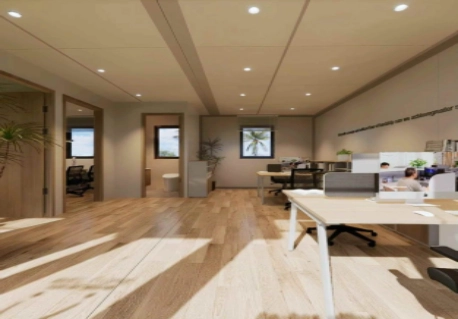
Yes, they can. At ACTBOXES, we adjust every shipping container office to fit individual customer needs. Interior choices cover glass partitions, wooden flooring, LED lighting, modern ceilings, built-in storage, office furniture, conference rooms, and reception areas. The outcome is a workspace that appears fully professional. It still keeps the practical advantages of modular construction.
Which Office Solution Is the Best Choice for Your Business?
The right office solution depends on your company objectives, available budget, project schedule, and long-range plans. If your organization needs a permanent headquarters that stays unchanged for many years, a traditional office building may remain suitable. Still, companies that value adaptability, quicker construction, and reduced costs often see sea container offices as the stronger investment.
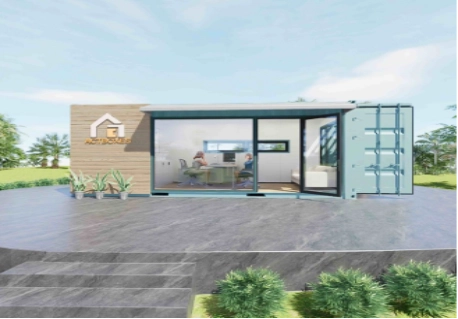
A modular container office fits particularly well for construction companies, engineering firms, mining operations, logistics companies, government projects, educational facilities, healthcare projects, and remote industrial sites. As business requirements keep changing, the power to relocate, enlarge, and personalize office space makes container office buildings a more useful option for organizations of all sizes.
Conclusion
The decision between sea container offices and traditional office spaces rests on how your business functions at present and how it expects to develop ahead. Conventional buildings can still work for fixed headquarters. Shipping container offices, however, present distinct benefits in adaptability, build speed, mobility, and cost control. They also advance sustainable practices while creating comfortable and professional environments. At ACTBOXES, we bring together extensive manufacturing knowledge with tailored design support. This allows us to supply dependable container office buildings that address the specific requirements of clients around the world. Whether you require a single portable office container or a full modular office complex, we stand prepared to assist you in developing an efficient workspace. Such a space will contribute to lasting business achievement.
FAQs
Q: Are sea container offices suitable for long-term use?
A: Yes. High-quality sea container offices can last for decades with regular maintenance.
Q: Can ACTBOXES customize a shipping container office?
A: Yes. We offer customized layouts, insulation, interiors, electrical systems, and office facilities.
Q: Why are container office buildings more sustainable?
A: They reuse steel structures, reduce construction waste, and support energy-efficient building solutions.