
Introduction
Expandable container shelters have changed how companies handle temporary and semi-permanent projects. Businesses, government agencies, and private clients now use modular, portable, and fast-deploy solutions to solve space needs, emergency housing, and short-term workspaces. At ACTBOXES, we focus on expandable container shelters that offer strength, easy movement, and modern comfort. A frequent question we receive is whether these shelters can be moved after installation without losing safety or function. This article looks at the practical side of relocating installed shelters, the main factors that affect mobility, and useful advice for businesses that consider modular container housing.
Understanding Expandable Container Shelters
Why Modular Container Housing is Gaining Popularity
Demand for modular container housing continues to rise for several reasons.
- Flexibility:Units can be joined side by side or stacked to form larger spaces.
- Sustainability:Reusing shipping containers cuts down on construction waste.
- Cost-effectiveness:Lower material and labor costs make these units more affordable than traditional buildings.
- Speed:Fast deployment helps businesses set up facilities or emergency shelters in a short time.
Factors Affecting the Moveability of Installed Shelters
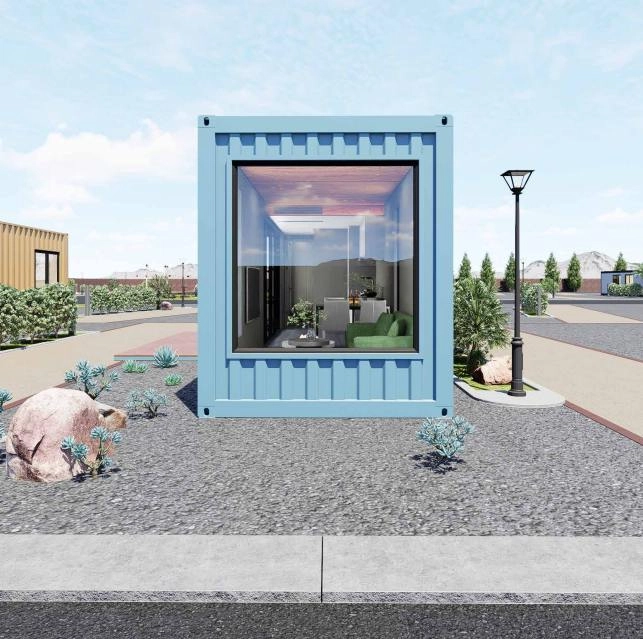
Modular shelters are built to move, yet relocating an installed expandable container shelter still needs careful planning. Several factors determine whether a move is practical.
Structural Integrity
The steel frame is strong. However, repeated moves can create stress at certain points. Shelters with multiple expansion sections, such as our units, need extra bracing during transport. Over time, moving a fully fitted unit may affect hinges, wall panels, and utility connections.
Size and Weight
Large expandable shelters, especially those with several rooms, can weigh several tons. Relocatable container structures that exceed standard transport sizes often require cranes and flatbed trucks for safe handling.
Pre-installed Utilities
At ACTBOXES, we design connections for easy separation. For example, our CH700 Rapid Deployment Green Hotel units use plug-and-play wiring that reduces work during a move. Explore CH700 details.
Local Regulations and Transport Requirements
Moving large modular units must follow local road rules. Oversized loads may need permits, escorts, and route checks. Environmental and fire safety standards must also be reviewed before any relocation.
Preparing for the Move

Planning the Relocation
Before moving a shelter, several steps are important.
- Carry out a structural check.
- Confirm the steps for disconnecting utilities.
- Review the transport route for any obstacles or limits.
At ACTBOXES, our team offers support for both domestic and international moves. This includes route checks and modular disassembly plans.
Disassembly Options
Some shelters can be partly taken apart to reduce weight and width.
- Detachable modules:Sections such as bathrooms, kitchens, or living areas can be separated.
- Collapsible walls:Foldable or sliding walls allow the unit to be compacted for transport.
- Roof panels:Modular roofs can be removed temporarily to meet height limits during transport.
These options help rapid deployment containers move efficiently while keeping function and safety intact.
Techniques for Relocating Installed Expandable Shelters
Use of Heavy Equipment
Moving a fully installed shelter often requires cranes, forklifts, or special trailers. Safety steps include the following points.
- Keep the load balanced.
- Secure all expansion sections.
- Use reinforced lifting points that were built into the shelter.
Transport Safety Measures
During transport, shelters should meet these conditions.
- Be strapped firmly to avoid movement.
- Be checked for any structural stress.
- Be moved slowly over rough surfaces.
Our container data center units show how ACTBOXES builds mobility into key infrastructure. This keeps relocation secure even when sensitive equipment is inside.
Reinstallation
After the move, units must be leveled, anchored, and reconnected to utilities. Small adjustments may be needed on expansion sections to achieve proper alignment.
Benefits of Moving Expandable Container Shelters
Relocating installed units brings several clear benefits.
- Operational flexibility:Businesses can shift locations when demand changes.
- Cost savings:This avoids the cost of building new structures.
- Environmental impact:It reduces the need for new materials and waste.
- Rapid response:This is useful for disaster relief, pop-up offices, or temporary housing.
By designing shelters with mobility in mind, ACTBOXES helps clients gain these benefits while keeping quality and comfort high.
Case Studies of Relocatable Modular Units
Rapid Deployment Green Hotel
- Ten expandable container rooms were used.
- The project was finished in under one month.
- Each unit included two bedrooms, a kitchen, a bathroom, and energy-efficient systems.
- The design allows future relocation if hotel layout needs change.
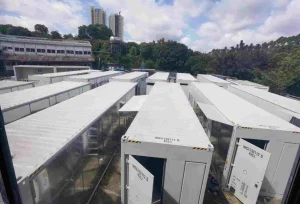
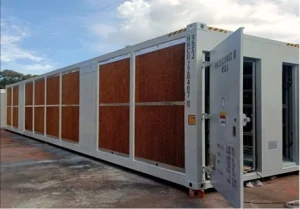
Texas Digital Container Data Center
- Thirteen container units were deployed.
- Advanced cooling and redundant power systems were included.
- Units were built for quick redeployment and mobility.
- This project showed how relocatable container structures meet changing operational needs. Explore our data center containers.
Zhuhai Children’s Amusement Park
- Thirty-three container units formed a park that resists typhoons.
- Some units were stacked up to three layers high.
- The project confirmed the strength of modular, movable container architecture in extreme weather.
Best Practices for Moving Installed Shelters
- Assess the unit:Check expansion mechanisms, connections, and weight.
- Engage professionals:Use heavy equipment operators and structural engineers to lower risk.
- Plan utilities:Disconnect and protect plumbing, electrical, and HVAC systems.
- Follow regulations:Secure permits and apply transport safety measures.
- Minimize movement frequency:Limit relocations to reduce wear on expansion joints.
At ACTBOXES, we work closely with clients to apply these practices. This helps keep portable container homes functional and durable over time.
Conclusion
Moving an installed expandable container shelter is possible when proper planning, structural checks, and professional handling are in place. By reviewing size, utility connections, local rules, and mobility features, businesses can relocate modular units safely with little disruption. ACTBOXES shelters are built for relocation. They provide flexibility, sustainability, and cost control for many uses, from green hotels to data centers and temporary offices. Our experience allows clients to adjust shelter locations, handle emergencies, and grow operations efficiently while meeting high safety and comfort standards.
FAQs
Q: Can a 20-foot expandable container shelter be moved fully installed?
A: Yes, with proper cranes and utility disconnection, the move can be done safely.
Q: How long does it take to relocate a CH700 modular container?
A: It usually takes 2–3 days, including disconnection, transport, and reinstallation.
Q: Are utilities preserved when relocating a modular container housing unit?
A: Utilities must be disconnected first. Plug-and-play systems make reconnection easier.