Introducing the Basics of Expandable Container Houses
What Is an Expandable Container House?
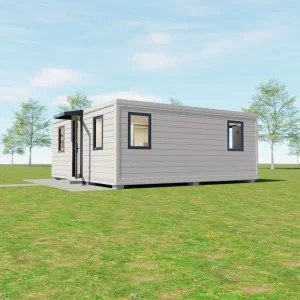
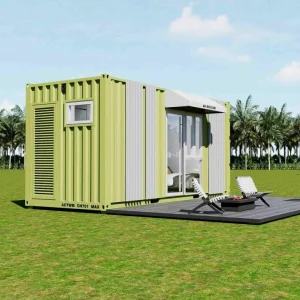
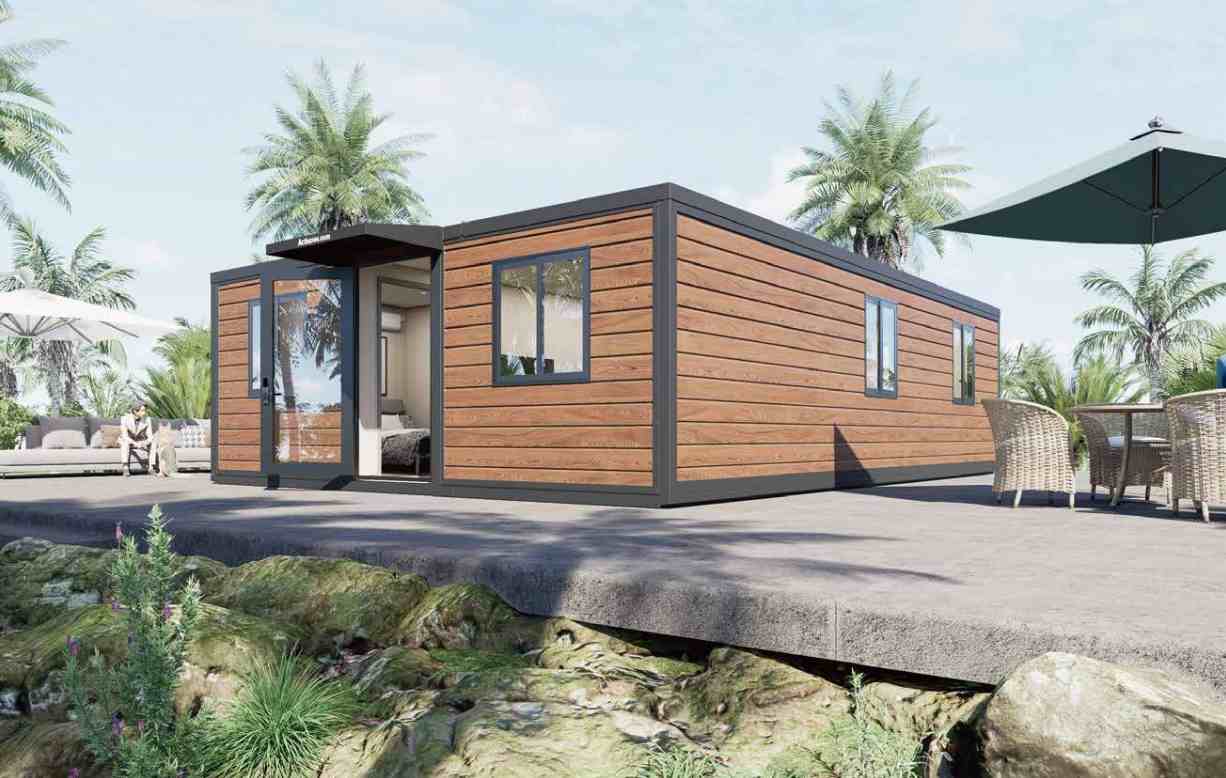
An expandable container house is a kind of prefabricated building. It folds and unfolds to change from a small unit into a roomy space for living or working. Engineers design these units for easy transport and fast setup. They suit homes, portable offices, business uses, and urgent shelter needs. People prefer them when quick setup, movement, and flexibility matter most.
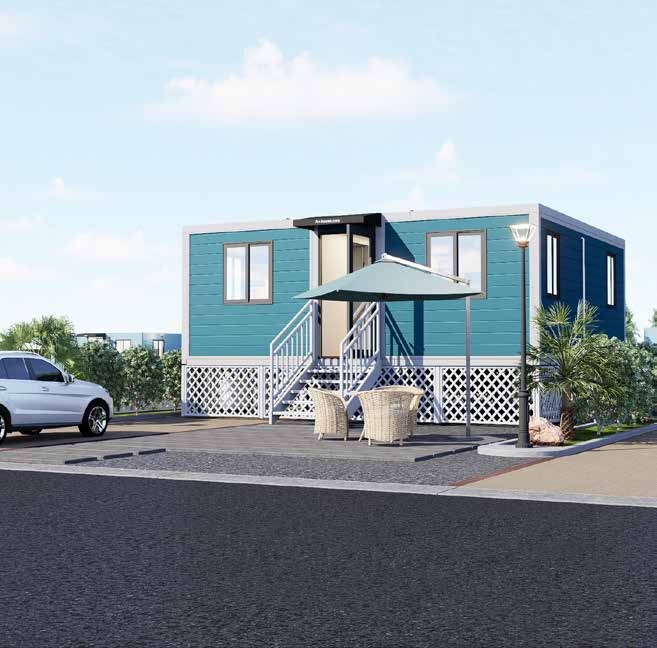
Container architecture uses shipping containers as the main parts to create designs and build structures. This method allows for adaptable and expandable buildings with little harm to the environment. Expandable container houses are becoming popular. They move easily and set up fast with few basic facilities.
Why Are Safety Precautions Crucial During Installation?
Safety matters a lot during the setup of an expandable container house. Proper safety steps do several things. They keep the unit strong during expansion and afterward. They stop injuries to workers and later users. They also shield the container and nearby areas from unintended harm.
Sticking to clear safety rules makes sure the finished building meets local laws. It also keeps the structure working well for years.
Site Preparation for Safe Installation
How Should You Select and Prepare the Installation Site?
A ready site is vital for safely placing an expandable container house. Start by finding a flat spot with good drainage. This avoids water pooling. Pooled water can weaken the base and cause rust or mold later.
Clear away trash, plants, or barriers that might block the opening process. Also, check if the spot follows area building rules and land use laws. Ignoring this could bring penalties, required moves, or unit removal.
What Groundwork Is Necessary Before Deployment?
The site needs a firm base before setup. Usual choices are concrete posts, metal frames, or adjustable stands. These give the even support required to open and fix the container safely.
Strong tying down is key in places with strong winds or earthquakes. Adding spots for services like power, water pipes, and waste lines into the base makes the full setup smooth after opening.
Structural Safety Measures During Installation
What Are the Key Structural Components to Inspect?
During assembly of an expandable container house, check all main parts closely. Look at hinges, connections, and locks for wear or harm. Walls, floors, and roofs should open evenly without blocks or snags. Every panel needs to lock firmly to hold steady in daily use.
Such checks lower the chance of breakdown once people live there.
How Can You Prevent Collapse or Structural Failure?
Use Proper Tools and Equipment During Setup
Stick to tools and lifting gear suggested by the maker. They must handle the unit’s weight. Wrong or weak tools can cause wobbles, part breaks, or harm to people.
Follow Manufacturer’s Assembly Instructions Precisely
Always follow the setup guide exactly. Missing steps or wrong screws can weaken strength and safety. Tighten bolts and fasteners to the right force for lasting results.
Electrical and Mechanical Safety Considerations
What Electrical Safety Guidelines Should Be Followed?
Inspect Wiring Systems Before Connection
Check all wires for bare parts, worn covers, or water entry before turning on power. Bad wires risk fires or shocks.
Use Certified Electricians for Setup Tasks
Bring in trained experts who know local power rules. This keeps things safe and avoids code problems in checks.
Are There Mechanical Systems That Require Special Attention?
HVAC Units Must Be Properly Secured and Vented
Mount heating, air flow, and cooling systems firmly. Keep paths clear for good air movement. Clogged paths can lead to heat buildup or breakdowns.
Plumbing Systems Must Be Leak-Tested After Setup
After linking water lines, test under pressure before anyone enters. Unfixed leaks can damage the build or grow mold.
Weatherproofing and Environmental Protection Measures
How Can You Ensure Weather Resistance After Expansion?
Seal All Joints and Openings Thoroughly
Apply strong sealants to windows, doors, edges, and joins. This stops rain from getting inside.
Install Insulation Based on Local Climate Conditions
Pick insulating stuff that fits your area’s weather. In cold spots, use high-rated insulation to hold warmth. In warm places, shiny insulation helps cool the inside.
What Steps Help Protect Against Natural Disasters?
Anchor the Structure Securely Against Wind Loads
Put in ground ties that match local wind strength needs. Boost the base size, thickness, and weight. This fights lifting in storms or big winds.
Add Reinforcements in Earthquake-Prone Areas
In shake-risk zones, use bendy links or inside supports. They take in shakes and cut building strain.
Fire Safety Protocols During Installation and Use
What Fire Prevention Measures Should Be Taken?
Use Fire-Retardant Materials in Interior Finishes
Choose tested burn-resistant stuff for walls, roofs, and floors. Top-rated Class A items give better guard.
Maintain Clear Access to Emergency Exits
Keep all doors free after opening. Mark escapes paths clearly. They must stay open always.
How Should Fire Extinguishers Be Positioned Inside the Unit?
Place fire extinguishers close to risky spots like cooking areas, entries, and power boards. Make them easy to grab and label them well for fast use in crises.
Post-installation Inspection Checklist for Safety Assurance
What Final Checks Are Needed Before Occupancy?
Conduct a Full Walkthrough of All Expanded Sections
Do a close look over every opened part. Spot any off-angles, breaks in joins, or strain signs from opening.
Test All Utilities Under Load Conditions
Run power devices, water setups, and air systems at once. This checks if everything works right in real use before people settle in.
Introduction to ACTBOXES Expandable Container Houses
What Makes ACTBOXES Expandable Units a Reliable Choice?
Shenzhen Anchengtong Container Service Co., Ltd. started in 2013. It specializes in shipping container houses, expansion container houses, and data container centers.
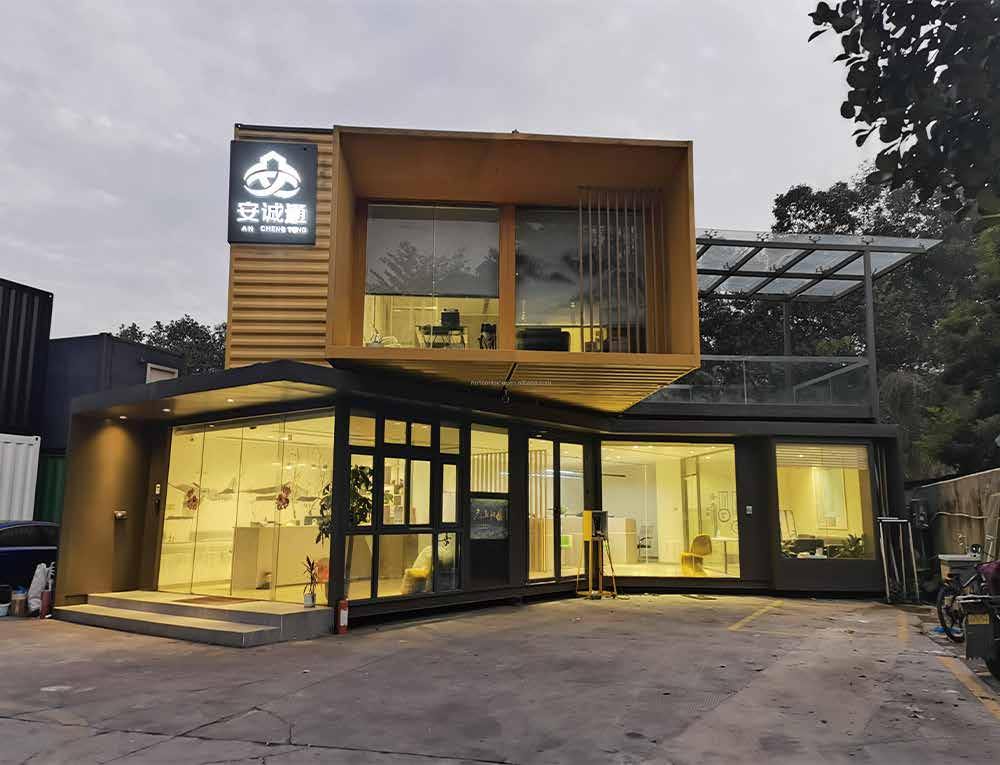
ACTBOXES builds expandable container houses with tough materials. They handle various weather types. We aim to give clients top-quality, dependable container options. Our focus is on simple setup traits that need few tools. This makes installation safe and quick, even far away.
Designs allow changes while sticking to standard safety rules from shipping to setup. For homes or business needs like our CH700 Rapid Deployment Green Hotel, ACTBOXES provides growing solutions. They prove strong against weather pressures like typhoons and earthquakes.
FAQ
Q: How long does it take to install an expandable container house safely?
A: Most expandable container houses can be installed within a few hours if the site is prepared beforehand; however, full utility connection and safety checks may take 1–2 days depending on complexity.
Q: Do I need a permit to install an expandable container house on my property?
A: Yes, most municipalities require permits based on zoning regulations. It’s essential to consult your local building authority before installation begins.
Q: Can an expandable container house be relocated after installation?
A: Yes, one of the key benefits is portability; however, it must be disassembled carefully following manufacturer guidelines to maintain structural integrity during transport.