Why Choose a Shipping Container for Your Cafe?
What Makes a Container Cafe an Appealing Option?
Launching a container cafe is one of the most thrilling ways to launch a novel idea into reality. You avoid the enormous expenses of a standard shopfront. Brick-and-mortar cafes cost far more. Container cafes are much more affordable. This lets business owners spend money on superior gear, decorations, or promotion.
The fast setup time is a huge plus. You don’t wait months for a structure to finish. A container cafe can start running in mere days or weeks. Prefabrication helps a lot here. Container buildings tend to be cheaper than usual ones. Making and moving containers costs less. Plus, factories can produce them in large numbers.
We can’t overlook the stylish charm. The rugged style of reused containers, combined with smart design, creates a striking and social-media-friendly spot. This distinctive atmosphere pulls in today’s buyers. They seek spots that deliver more than just drinks. They crave a full experience.
How Does a Container Cafe Fit into Urban and Pop-Up Trends?
Cities often lack room. The small size of container cafes suits them perfectly. You can place one between tall buildings or in a weekend market. Their mobility gives options that fixed buildings lack.
For temporary events, fairs, or changing spots, a container cafe moves and sets up simply. Containers use standard sizes. You can stack or join them easily to fit various needs. This offers great adaptability and ease of transport. It allows quick building and takedown across sites and settings.
Environmentally aware patrons adore the green side. Turning old shipping containers into lively areas is clever. It’s also kind to the earth. Container buildings get reused and recycled. This cuts down on building trash.
Planning Your Container Cafe Concept
What Should You Consider Before Starting?
Before you start slicing metal sheets or selecting coffee makers, pause to outline your container cafe vision. Who will you cater to? Busy office staff needing a fast pick-me-up? Remote workers hunting a snug workspace? Your target group shapes choices like site and offerings.
As for the site, pick carefully. It could be close to a crowded rail stop, in a creative neighborhood, or along a seaside walkway. Your spot can determine success or failure.
Next, be honest about your funds. Cover not only the container but also changes, cooking tools, seating, approvals, service hookups, and advertising costs.
Designing the Layout for Functionality and Style
In a tight area, smart planning matters a ton. Arrange your setup for smooth operation. Think about kitchen flow, order areas, storage spots, and chairs. They should all connect well.
Sunlight changes everything. Use big windows or roof lights to brighten and expand the feel. Also, pick surface treatments wisely. Wood touches, smooth metal parts, or colorful tiles can show your brand’s character. They make your container cafe welcoming like a familiar place.
Customizing the Container Structure
How Do You Modify a Shipping Container into a Cafe Space?
Changing a shipping container into a complete cafe requires real effort. Start by cutting openings for main doors, order counters, and air vents. Good insulation is vital for steady comfort. It keeps the inside cool during hot months and warm in cold ones.
You also need stronger floors. Basic container bases aren’t made for heavy business machines like coffee brewers or grillers. So, improvements are often required to support the load of kitchen items.
What Utilities Are Needed in a Container Cafe?
Electrical Systems
From bulbs to coolers to payment devices, you require a solid power system. Ensure plenty of plugs. It must meet business standards.
Plumbing Setup
Set up pipes for basins, cleaners, and brewers. Add good drain lines to manage used water well.
HVAC Solutions
Based on your weather, add cooling or warming units. They keep workers and guests comfy all year.
Interior Design Tips to Create a Chic Atmosphere
How Can You Make a Small Space Feel Inviting?
Crafting for compact areas demands imagination. Pale walls bounce back daylight. They make rooms seem larger. Mirrors or clear panels add depth without using extra space.
Versatile pieces save the day. Consider tables that fold or seats with built-in storage.
What Decor Elements Work Well in Container Cafes?
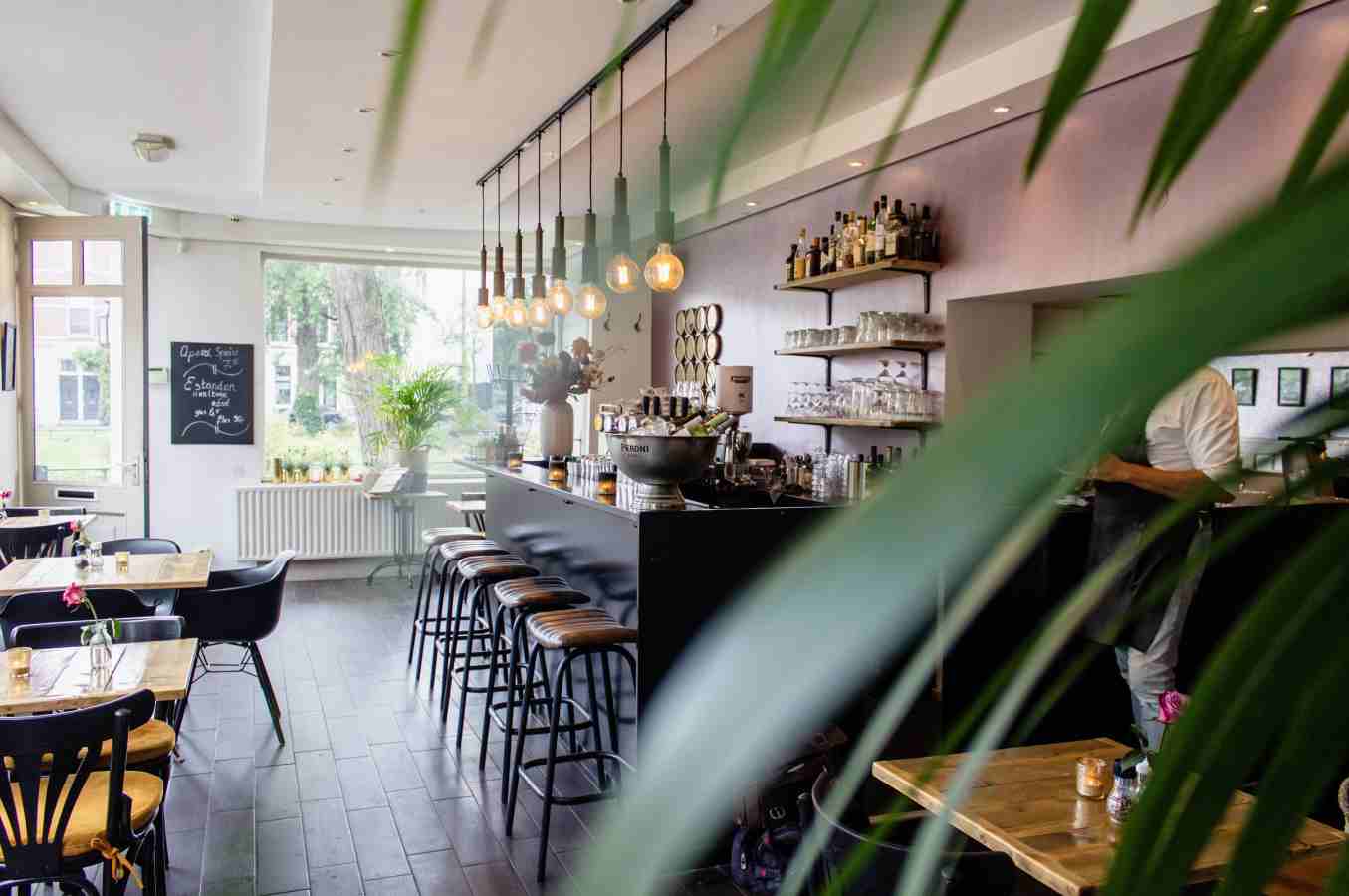
Rustic lamps like warm bulbs or dark hanging lights suit these places nicely. Bring in character with salvaged wood surfaces or fresh plant walls.
Personal signs tie it together. Ensure they match your brand’s feel, be it simple elegance or fun and whimsical.
Choosing Between Different Container Sizes: 20-Foot vs. 40-Foot Options from ACTBOXES
Which Size is Right for Your Business Needs?
For dimensions, ACTBOXES provides two excellent choices made for cafe purposes: 20-foot and 40-foot standard container cafes.
20-Foot Standard Container Cafe by ACTBOXES
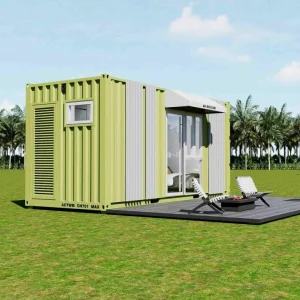
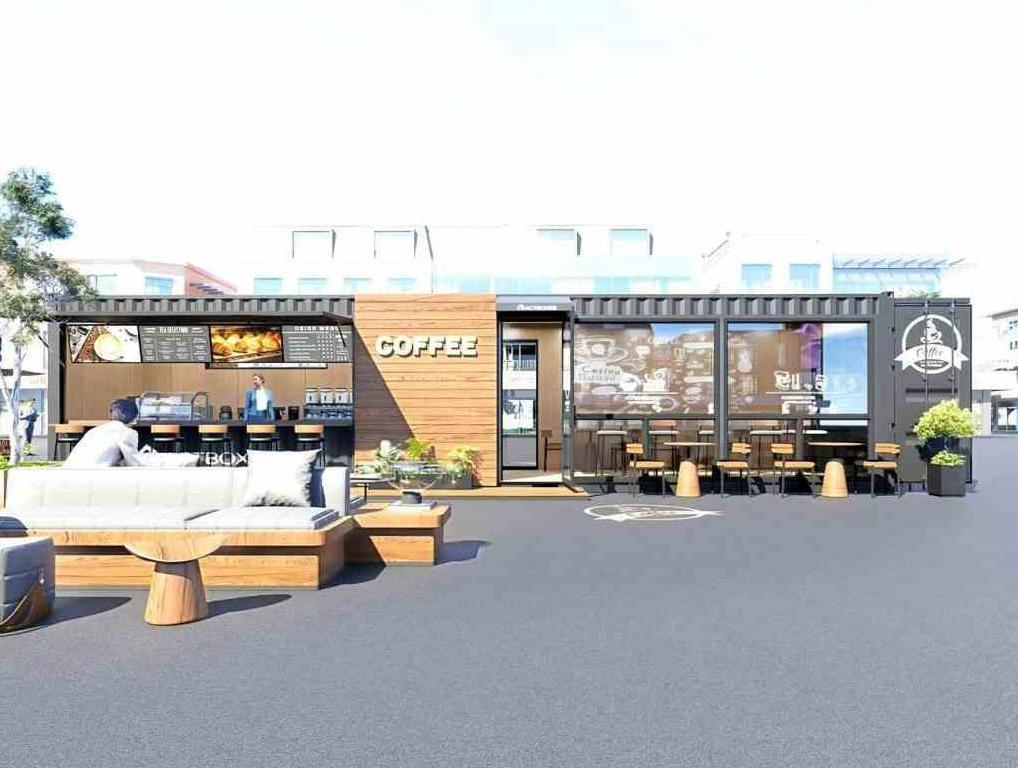
The main structure is 20HC sea container with CSC certificate. Strong overall structure, overall weight of 5 tons. After the whole on-site installation, it can resist seismic level 12 and wind level 15. This small version works well for tight areas or easy movement. It includes order windows and allows total inside changes like seats and machines.
40-Foot Standard Container Cafe by ACTBOXES
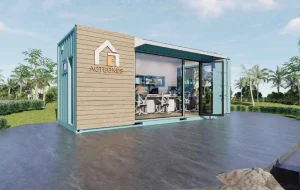
The main structure is 40HC sea container with CSC certificate. Strong overall structure, overall weight of 8 tons. After the whole on-site installation, it can resist seismic level 12 and wind level 15. This bigger choice fits eating areas or wider cooking setups. We provide 200+ interior/exterior decorative color schemes, which means more room for branding creativity and customer flow design.
We at ACTBOXES take pride in providing both types with adaptable changes. This includes setup tweaks to seat fittings. They suit your special business goals.
Navigating Permits and Local Regulations
What Legal Requirements Should You Be Aware Of?
Before welcoming folks to your container cafe, learn about area rules for movable or prefab ventures. Get nods from health officials on food areas. Fire checks ensure safe escapes and extinguishers are ready.
Marketing Your New Container Cafe
How Can You Attract Customers from Day One?
Online Presence & Social Media Buzz
Folks enjoy seeing changes unfold. Share your setup journey on Instagram or TikTok! Build hype with backstage clips and menu previews.
Community Engagement
Run a quiet launch with free tastes or short deals. Team up with nearby creators for shows or wall art. This brings crowds and sparks talk.
FAQ
Q: Do I need special permits to operate a container cafe?
A: Yes. You’ll need permits related to zoning, food safety inspections, health codes, fire safety compliance, and possibly mobile vendor licenses depending on your location.
Q: Can I operate a container cafe year-round in all climates?
A: With proper insulation, HVAC installation, and weatherproofing materials, container cafes can be adapted to function year-round even in extreme weather conditions.
Q: How much does it cost to convert a shipping container into a cafe?
A: Costs vary based on size (20-foot vs. 40-foot), customization level, utility installations, interior finishes, and local labor rates. On average, expect anywhere from $15,000–$50,000+ depending on complexity.