Structural Stability in Expandable Shipping Container Houses
What Does Structural Stability Mean for a Foldable Container House?
Structural stability means a structure’s capacity to handle outside forces. It also involves keeping its form and purpose intact as time passes. For an expandable shipping container house, this idea covers surviving the demands of travel, repeated opening processes, and ongoing weather exposure. The home avoids twisting, breaking, or falling apart.
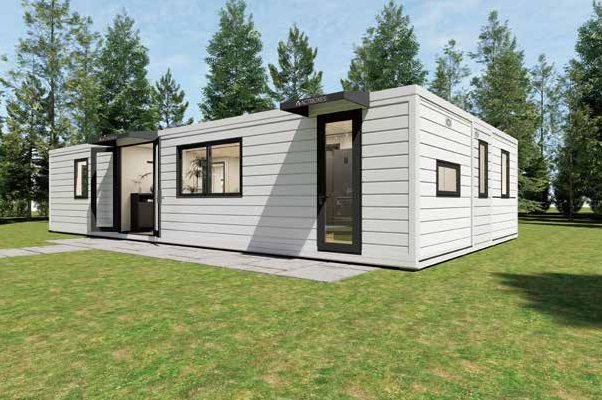
Expandable container houses, known as expandable container homes, modular container homes, or container buildings, have quickly gained favor as options for short-term and lasting shelter worldwide. These dwellings come pre-made. They are built to open up or extend outward. This boosts the living area a lot once set up. Their solid build must stay strong through these shifting stages.
Choosing the right materials matters a great deal. Most often made from steel, these homes get designed to endure the strain of moving and the tests of different weather settings. Experts need to consider things like joint shifts, metal wear, and outside pressures right from the planning stage. This way, they guarantee reliable results.
Why Is Structural Stability Critical for Expandable Container Homes?
Safety comes first above all. A well-built foldable container house shields its residents from harsh weather like storms and quakes. With strong corners and frames that resist wind, these homes can handle gusts up to 150–180 mph (241–290 km/h). The exact level depends on the build.
Besides that, solid structure boosts the home’s working lifespan. It fights off damage from ongoing folding actions and weather breakdown. If the design, materials, and base lack quality, these homes would soon face exhaustion. Then, they might need expensive fixes or total swaps.
Key Design Elements That Influence Structural Integrity
How Do Frame Materials Affect Stability?
Picking frame materials forms the base of steadiness. Steel gets used often since it provides great pulling strength and pushing resistance. The main type—Corten steel—stands up well to wear and fights off rust. This makes it perfect for outside spots in tough surroundings.
Galvanized layers add extra guard against rust, especially in damp or seaside areas. For slimmer versions like a 20 foot shipping container house or 40 foot shipping container house, some makers might pick lighter metals. Yet, without good strengthening, these could lose some toughness.
What Role Does Joint Engineering Play in Foldable Structures?
Joints act as key pressure spots in any expandable shipping container house. Hinges need careful design for lasting use. They should handle many cycles without getting loose or out of line. Exact welding and fastening ways create firm, shake-proof links. These keep things straight and stop water from seeping in.
Strong locking setups are vital to hold out-stretched parts firmly. The setups get made for simple handling. At the same time, they do not harm the home’s solid build.
How Are Load-Bearing Walls Designed in Expandable Units?
Load-bearing walls in foldable container houses sit in smart spots to deal with downward weights and side pushes like wind or shakes. Builders use cross-bracing in wall sections to boost twist resistance. This inside support helps keep the build whole even in big jolts or blasts of air.
The steel setup naturally resists rust with protective covers. This suits wet areas well. Right placement of these walls makes sure weight spreads out evenly. It does so in both closed and open forms.

Site Preparation and Foundation Considerations
Why Is a Stable Foundation Essential for Foldable Container Houses?
A weak foundation prep can cause uneven force spread. Over time, this leads to splits or bends. A firm base makes sure all weights get even support. As a result, it stops joint shifts or panel bends. Good setup proves key to the lasting strength of expandable container homes.
Ground shifts from water changes can also unsettle a home. This happens if the base lacks proper planning.
What Types of Foundations Are Suitable for Expandable Units?
Concrete Slab Foundations
This choice gives top toughness and weight spread for fixed setups. A strengthened concrete bottom stops bending. It can also tie down the build against strong winds.
Pier Foundations
For short-term spots or bumpy land, pier bases provide ease. They also allow air flow under the unit. This helps with fresh air and cuts down on dampness gathering.
Screw Pile Systems
These work best for far-off or nature-friendly sites. Screw piles enable fast setup with little ground upset.
Assembly Techniques That Enhance Structural Safety
How Should Expandable Container Houses Be Assembled On-Site?
Follow the maker’s guidelines closely during setup. Even out the land and check that all build parts line up right. This ensures the container home works well for years. Use machine lifts for opening to avoid harming key parts.
Secure weight-holding sections firmly before starting inside tasks. This keeps things safe.
What Are Common Mistakes That Undermine Stability During Assembly?
Tightening bolts too much can twist steel frames. It also harms joint straightness. Skipping land leveling brings twisting forces. These shorten the life of hinges and frames. Picking wrong spare parts counts as another slip. It might cancel guarantees or cut safety levels.
Environmental Factors Affecting Long-Term Durability
How Do Weather Conditions Impact Structural Performance?
Weather plays a big part in lasting toughness. Expandable container homes come with water-tight seals and top insulation. These handle heavy downpours without letting water inside.
Over time, anti-rust layers can wear from steady rain. Then, rust might form on bare spots. Strong winds push sideways. They challenge tying-down systems. In storm or typhoon zones, tying-down needs extra strength.
Can Foldable Container Homes Withstand Seismic Activity?
Yes, with good design. The natural stiffness of steel containers lets expandable container houses do well in quake areas. Things like bendy joints and shock-taking bases help spread out earth shake energy. This cuts harm in quake times.
Integrating Insulation and Utilities Without Compromising Structure
How Can Insulation Be Added Without Weakening the Frame?
Spray foam works best. It fits into inside spaces without much extra weight. It also skips deep fixing methods. Plus, it offers fine heat control over broad temps.
Do not run pipes or cables through main beams. Cutting into weight-holding parts lowers their power. It raises risks under pressure.
Where Should Utility Lines Be Placed in an Expandable Unit?
Utility lines ought to go through planned paths in non-weight walls. This avoids clashing with main build parts. Modular service boards let simple checks for upkeep. They do so without taking apart build sections.
The Role of ACTBOXES in Providing Structurally Sound Expandable Container Houses
What Makes ACTBOXES’ Expandable Shipping Container House Structurally Reliable?
At ACTBOXES, we take pride in crafting container homes that surpass worldwide safety standards. ACTBOXES employs premium steel frames. We test them in actual settings for power and bend. Our items include exact joint work, rust-fighting layers, and tough locking setups. All this improves ongoing work.
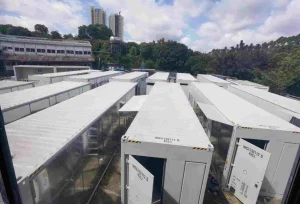
Our container buildings earn praise for weather toughness. They even outlasted events like Typhoon Hato. There, the amusement park of 33 creative containers stood firm against the storm. This shows our focus on build quality.
How Does ACTBOXES Ensure Quality During Manufacturing?
We apply strict quality checks all through making. Every expandable unit faces thorough reviews. These cover weight trials, weld checks, and weather tests before shipping. Each ACTBOXES home gets built for use and endurance. It brings calm assurance, whether you pick a 20 foot shipping container house or small studio unit.

FAQ
Q: Are expandable shipping container houses safe during heavy storms or hurricanes?
A: Yes. When tied down right and made with fine materials like those from ACTBOXES, these homes can endure fierce winds common in bad weather.
Q: Can I move my expandable container house multiple times without damaging its structure?
A: Absolutely. With careful moving and care, foldable units get made for transport without harming their solid build. This holds true especially from skilled makers like ACTBOXES.
Q: Do I need a building permit for assembling an expandable shipping container house on my property?
A: Rules differ by place. Most areas demand permits based on size, purpose, and base type. Always check with local officials before setup.
Q: Which models are considered the best shipping container houses?
A: Top models often hail from seasoned makers like ACTBOXES. They provide tailored choices such as the 40 foot shipping container house with fire-proof materials, strengthened frames, and flexible modular plans.
Q: What is recommended for long-term durability of expandable container in extreme climates?
A: Select units with rust-fighting layers, strong joints, high R-value insulation, and a firm base like concrete slabs or screw piles. Pick based on your site’s needs.