The Basics of Crypto Mining Containers
What Is a Crypto Mining Container and How Does It Work?
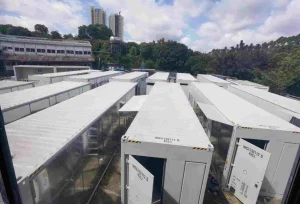
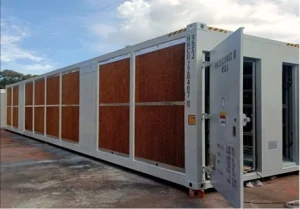
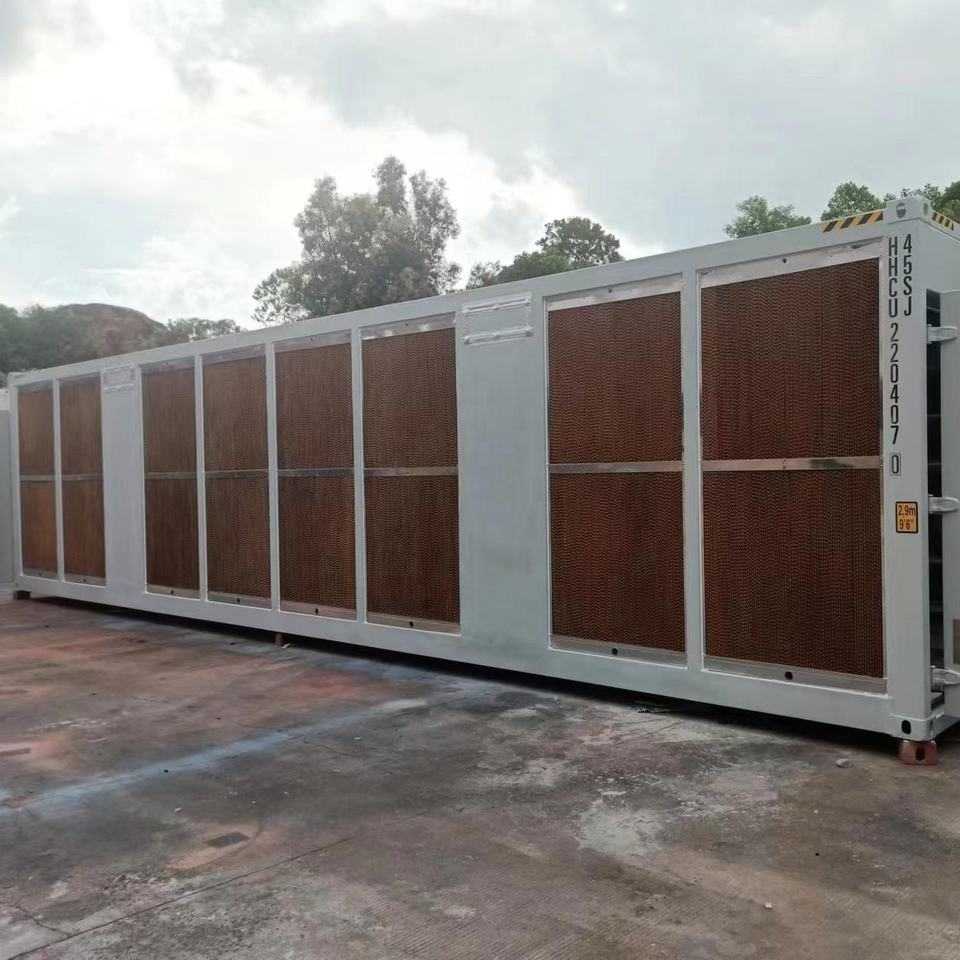
A crypto mining container is a portable, modular facility specially designed to house cryptocurrency mining equipment in a secure and climate-controlled environment. Crypto mining containers are custom-built housings intended to contain cryptocurrency mining hardware. These containers can be converted from standard shipping containers or constructed anew using industrial-grade materials to satisfy the high demands of mining operations.
Inside, they typically include racks or shelves for ASIC or GPU miners, power distribution units (PDUs), switchboards, cooling systems, and intelligent monitoring devices. These containers provide mining machinery a safe, climate-regulated environment to protect and optimize mining hardware. The main advantage lies in their plug-and-play nature, making deployment and relocation highly efficient.
Why Are Containers Preferred Over Traditional Mining Facilities?
Shifting global policies and energy markets have led traditional mining farms to gradually switch in recent years to portable and modular mining containers. This shift is due to several distinct advantages:
- Mobility: Containers can be transported easily by truck or ship to new locations in response to regulatory changes or access to cheaper power sources.
- Scalability: They allow mining operations to scale up quickly without the lengthy construction times required for traditional buildings.
- Cost Efficiency: Mining containers are more affordable than conventional data centers, which appeals to both small- and large-scale miners. They drastically reduce setup time and infrastructure expenses.
Key Considerations When Choosing a Crypto Mining Container
What Environmental Factors Should You Evaluate?
Environmental conditions play a significant role in container performance:
- Temperature Ranges: Operations in desert conditions or dusty surroundings depend on containers with dust-proof technology.
- Humidity: High moisture levels can deteriorate electronic components, necessitating sealed and insulated designs.
- Regulatory Compliance: Local building codes, zoning laws, and electrical standards must be met for legal operation.
How Important Is Power Infrastructure Compatibility?
Crypto mining containers must align with the electrical infrastructure of their deployment site:
- The container should support the correct voltage (e.g., 480V 60Hz in North America or 400V 50Hz in the EU).
- PDU modules are individually controlled by one controller for optimized load distribution and fault isolation.
What Cooling Solutions Are Most Effective for Your Setup?
Types of Cooling Systems Used in Containers:
- Air Cooling: Using fans and ventilation systems, air-cooling mining containers release heated air from the mining rigs and simultaneously draw in cooler air. Suitable for cooler climates and smaller operations.
- Liquid Cooling: Uses closed-loop water systems or cooling towers for medium to large setups. Hydro-cooling mining containers heat a cooling tower or heat exchanger by use of a closed-loop water-cooling system.
- Immersion Cooling: Immersion cooling mining containers submerge mining hardware in a specific cooling liquid that absorbs and distributes heat. Excellent for high-density deployments needing minimal noise and maximal efficiency.
Technical Features That Define a High-Quality Mining Container
How Does Ventilation Design Impact Mining Efficiency?
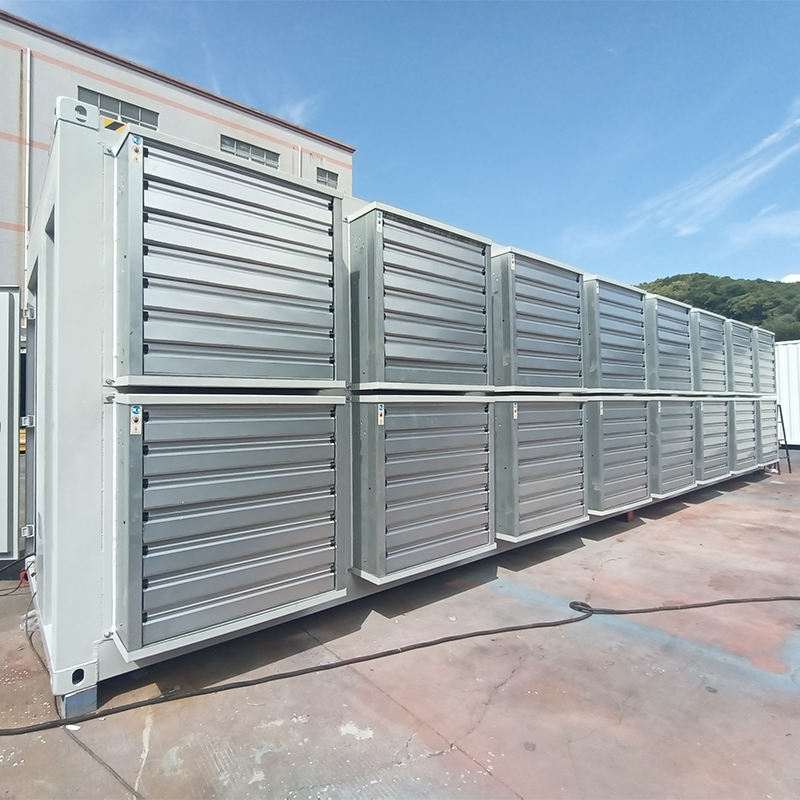
Ventilation is crucial in maintaining optimal temperatures and preventing hardware failure:
- Proper airflow management ensures heat is expelled efficiently.
- Filtered air intake protects against dust and debris intrusion.
What Role Does Modularity Play in Operational Flexibility?
- Modular designs allow easy integration with existing infrastructure.
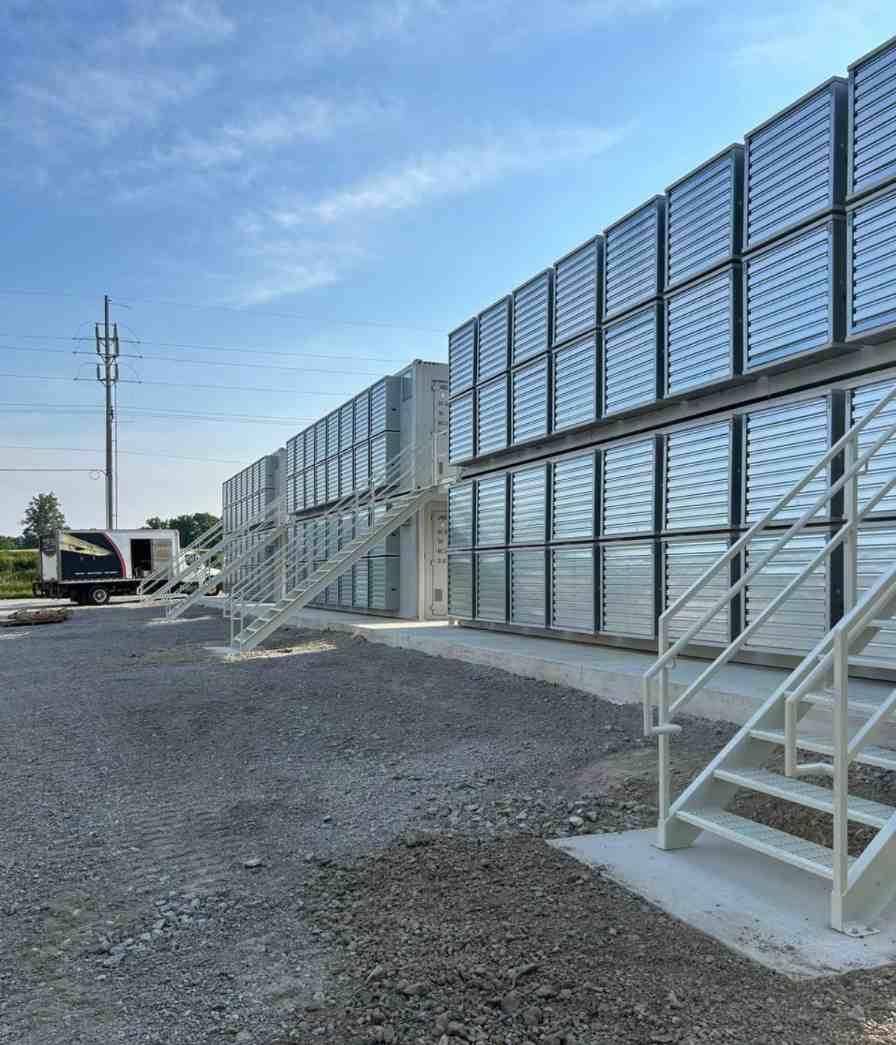
- Stackable units maximize vertical space utilization.
- Future upgrades, like adding PDUs or switching cooling systems, can be done without full system overhauls.
Should You Prioritize Security and Monitoring Capabilities?
Essential Security Features to Look For:
- Access controls such as biometric locks or RFID entry.
- Remote monitoring systems with real-time alerts for temperature, humidity, and power usage. These systems allow administrators to detect anomalies early and avoid costly downtime.
Cost Analysis and Return on Investment Factors
How Much Should You Budget for a Crypto Mining Container?
Usually, air-cooling containers run between $10,000 and $50,000. Hydro cooling models can go as high as $150,000, while immersion cooling units typically range between $150,000 and $250,000.
What Are the Ongoing Operational Expenses?
Key Recurring Costs Include:
- Electricity costs are based on your hashrate and hardware type.
- Maintenance of fans, pumps, PDUs, and other electrical components.
- Internet service for remote monitoring and management tools.
How to Calculate ROI Based on Hashrate Efficiency?
To estimate your return on investment:
- Use mining calculators factoring in your hardware’s hashrate, power consumption, and current crypto prices.
- Compare this with your total cost of ownership (TCO), including hardware depreciation and container maintenance.
- Adjust for future changes in network difficulty and market volatility.
Why ACTBOXES Offers a Reliable Solution for Crypto Mining Containers
Who Is ACTBOXES and What Do They Specialize In?
We at ACTBOXES are a specialized manufacturer of modular crypto mining container systems tailored for diverse climates and operational demands.
What Sets ACTBOXES’ Mining Containers Apart from Others?
Key Advantages of ACTBOXES Products:
Our mining boxes are CSA certified, which means that they have been rigorously tested by the Canadian Standards Association for compliance with Canadian safety standards.
- Built-in high-efficiency ventilation systems designed to maximize airflow while minimizing noise levels.
- Customizable layouts that support various ASIC or GPU configurations depending on your mining strategy.
- Integrated smart monitoring dashboards that allow real-time tracking of environmental metrics and power usage remotely.
Furthermore, the internal components of the mining box, such as power cabinets, PDUs, fans, etc., all have UL certification, ensuring global safety compliance.
Where Can ACTBOXES Containers Be Deployed Effectively?
Ideal Use Cases Include:
- Remote regions leveraging renewable energy like hydroelectricity or solar farms.
- Urban edge installations where land use efficiency is critical.
- Temporary projects needing fast setup with future mobility options.
FAQ
Q: Which crypto mining is most profitable in 2025?
A: Profitability depends on electricity prices, hardware specs, market conditions, and network difficulty. However, Bitcoin (BTC) continues to be among the most profitable due to its mature ecosystem and liquidity.
Q: How many miners can fit into one crypto mining container?
A: Our mining boxes are recognized for their quality, performance and safety, and can accommodate 336 miners per box.
Q: Can I move my crypto mining container to another location easily?
A: Yes. One of the core benefits of crypto mining containers is portability. They are designed for quick relocation with minimal disassembly.
Q: What certifications do ACTBOXES containers have?
A: In addition to CSA and UL certifications, our mining boxes are also certified by classification societies, validating their use even in marine environments.