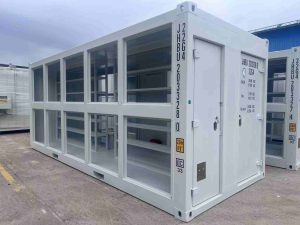
The Importance of Drainage in Shipping Container Conversions
Why Is Drainage Critical in Shipping Container Homes?
Shipping Container conversions provide an eco-friendly and contemporary way to build homes. However, they present distinct difficulties, particularly with drainage. Steel containers are sealed tight and smooth by nature. This design traps moisture easily. Water from inside humidity or outside sources can get stuck. It creates conditions ripe for mold, rust, and gradual breakdown.
Poor drainage lets condensation build up. This raises indoor humidity and promotes mold. It also causes rust. These problems threaten the building’s strength. They harm air quality inside. In the long run, trapped water can ruin insulation and interiors. Thus, good drainage setups are vital for any Shipping Container home plan.
Smart drainage keeps air fresh and the structure solid. So, adding clever drainage ideas right from the start can greatly extend your Shipping Container home’s lifespan.
How Does Condensation Form Inside a Container Home?
Condensation ranks as a top worry for drainage in Shipping Container conversions. It happens when warm, damp air from inside hits colder steel walls. This forms a dew point. There, vapor turns to liquid drops.
Heat gaps between inside and outside create those dew points. Everyday tasks add to the issue. Cooking, showering, and even breathing boost humidity levels indoors.
Activities like cooking and bathing raise moisture inside. Without enough airflow or padding, this dampness can’t escape. It starts to gather on walls, roofs, and even furniture.
Weak airflow and poor padding worsen the moisture pileup. This dampness can soak into key parts over time. It leads to hidden damage that lasts.
What Are the Consequences of Poor Drainage in Converted Containers?
Poor drainage in Shipping Container homes causes more than minor annoyances. It leads to serious issues. Water buildup can twist wood floors. It ruins drywall or padding. It creates ongoing wetness indoors.
Trapped water harms padding, floors, and items. Plus, steady moisture speeds up rust on steel parts.
Rust on the steel frame can weaken lasting strength. This cuts safety and calls for costly fixes.
Also, wet spots breed mold and mildew. These can spark health troubles for people living there.
Lasting dampness might cause breathing issues.
Key Strategies for Smarter Drainage Design in Container Homes
What Are the Main Drainage Challenges in Shipping Container Conversions?
Shipping Containers weren’t built for living. Turning them into homes brings engineering obstacles. A big one is the level roof.
Flat roofs hinder natural water flow. They raise chances of puddles. Slanted roofs guide rain away naturally. But flat ones let water sit, mainly in big storms.
Adding plumbing poses another hurdle. Container floors lack space for home pipes. So, fitting them in needs careful work. It must keep the right tilt for water to move. All while holding the structure steady.
Adding drainage without harming the build demands exact skills.
How Can You Prevent Water Accumulation on Roofs and Around Foundations?
Roof Drainage Solutions for Containers
To tackle flat roof problems, add tilted or angled roofs with built-in channels. These guide rain to pipes that send it far from the home’s base.
Employ pipes that steer water from the container’s bottom. This stops soil wear near the base. It also cuts rust on the lower steel.
Foundation-Level Drainage Techniques
For the base, lift containers on concrete supports or bases. This lets air move below. It keeps them above ground water too.
Plus, French drains or gravel ditches around the edges provide simple drainage. They guide underground water away from the build.
What Interior Solutions Help Manage Moisture and Condensation?
Insulation and Vapor Barriers
Right padding is crucial for steady indoor heat. Pick closed-cell spray foam padding. It fills cracks and blocks moisture entry. For extra safety, add moisture barriers behind wall sheets to stop condensation gathering.
Ventilation Systems for Humidity Control
Powered airflow setups like heat recovery ventilators (HRVs) or energy recovery ventilators (ERVs) keep air moving. They do this without wasting heat.
Employ moisture removers in wet spots like bathrooms and kitchens.
Introducing ACTBOXES: Smarter Living Through Engineering Innovation
Who Is ACTBOXES and What Do They Offer?
At ACTBOXES, we focus on building top-notch Shipping Container houses for today’s lifestyles. ACTBOXES is our company’s overseas brand. It aims to deliver fresh and custom Shipping Container options. We offer inventive designs and tailored changes to fit various client needs.
With more than ten years in the field and a focus on excellence, we build advanced drainage into each piece. This ensures ease, security, and endurance.
How Does ACTBOXES Address Drainage Challenges in Their Products?
Integrated Roof Drainage Systems
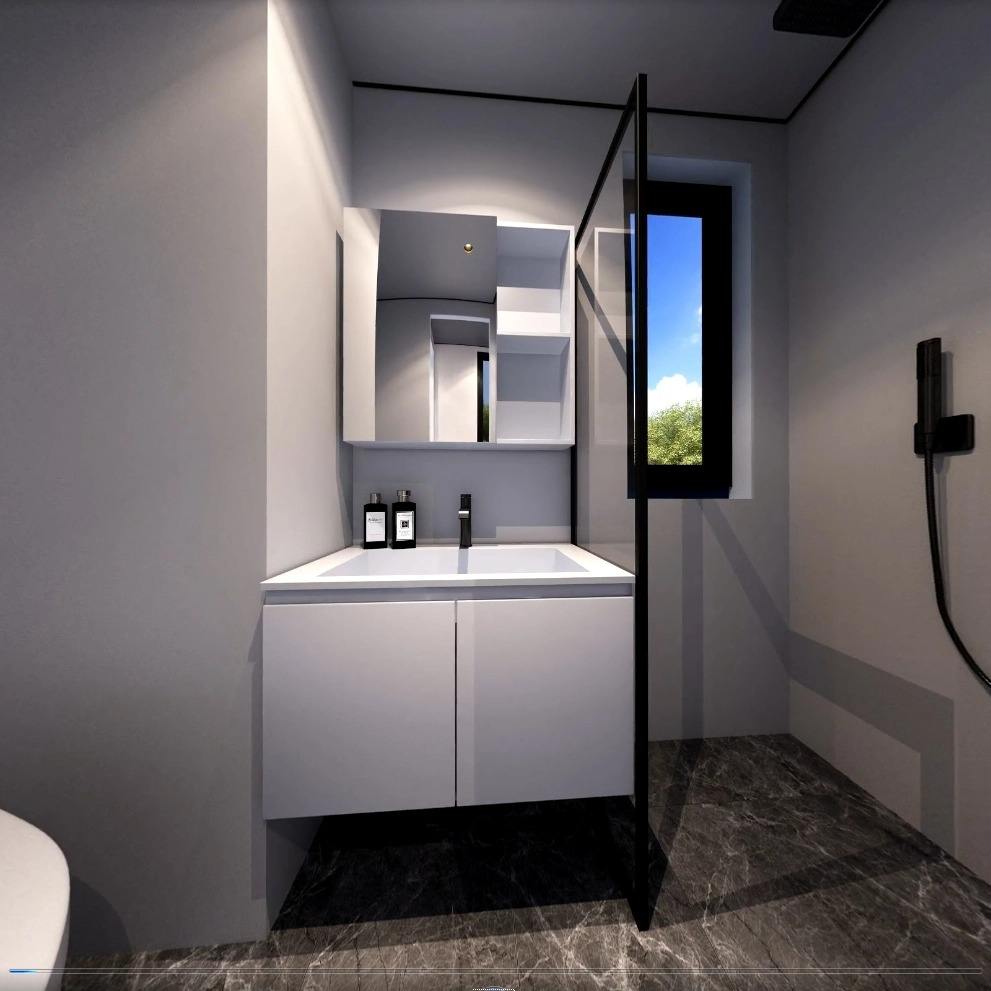
Our 40-foot sea container house has a fully welded double-walled waterproof sump design. It promises no leaks in wet zones like showers. The shower sump is welded as one. So, water leaks never happen.
We also apply tilted roofs with built-in water paths. This keeps rain from pooling on your home’s top.
Elevated Foundation Engineering
Every ACTBOXES unit uses lift methods like pier bases. These boost water flow at ground level. They lower rust chances long-term. They also encourage air movement below the structure.
Moisture Control Technologies Inside ACTBOXES Homes
Inside, we fit padded wall sheets with built-in moisture barriers. Paired with powered airflow systems that meet U.S. rules like UL certification,The entire circuit system is strictly in accordance with U.S. standards, our homes cut condensation well. They keep energy use low too.
Enhancing Long-Term Durability Through Smart Design Choices
Why Should You Consider Long-Term Moisture Protection During Conversion?
Thinking about moisture guard in your Shipping Container change is key for lasting strength. Stopping rust early cuts repair bills later.
By shielding padding from wetness, you keep its heat-blocking power. Clever drainage aids energy savings. It does this by guarding padding work.
A dry, firm home holds its worth better as years pass. A well-drained home maintains its value better over time.
What Materials Support Better Drainage Performance?
Exterior Coatings and Sealants
Weather-resistant paints and rust-proof layers guard steel from outside damp. These layers lengthen the shell’s life. They cut upkeep needs.
Flooring Solutions with Moisture Resistance
Damp-proof floors like marine-grade plywood or mix subfloors work best.
Select subfloor options like marine-grade plywood or mix panels that fight decay. These stop mold under feet. They support use in damp settings over time.
FAQ
Q: How do I stop condensation from forming inside my shipping container home?
A: Use closed-cell insulation, install vapor barriers, ensure proper ventilation, and manage indoor humidity levels through exhaust fans or dehumidifiers.
Q: Do I need a special foundation for drainage when placing a container home?
A: Yes, elevating your container on piers or footings allows water to drain away from the base, preventing pooling and rust beneath the structure.
Q: Can I use standard household plumbing in a converted shipping container?
A: While possible, it requires careful planning—plumbing must be integrated with proper slope gradients for wastewater flow, often necessitating custom solutions tailored for containers like those used by ACTBOXES.