
Why Treasury Strategy Matters in Crypto Mining Infrastructure?
Crypto mining has grown from modest setups into a capital-heavy sector that demands smart financial planning. More than just hardware and hash rate, lasting success now hinges on how firms handle capital distribution, cash flow, and hazards. One vital setup choice these days is the crypto mining container. It serves as a modular option for quick setup and expandable development.
Mining containers provide adaptability and pace. However, they also bring fresh money hurdles. Steep initial outlays, risks from shaky crypto markets, and shifting energy expenses mean treasury tactics are key to boosting profits. This piece looks at the main treasury approaches firms apply to finance crypto mining containers wisely, control money risks, and aid steady growth.
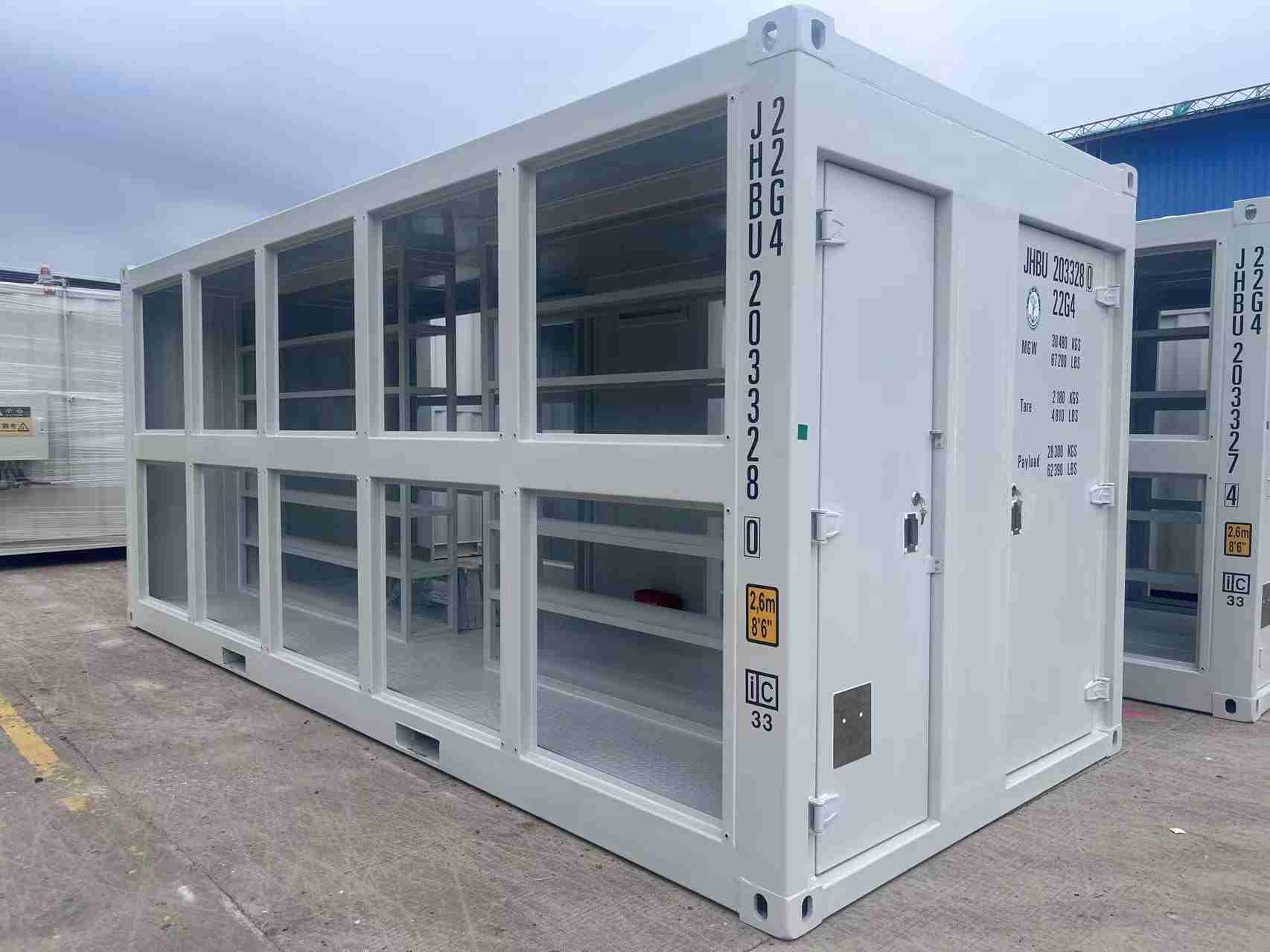
What Is a Crypto Mining Container and Why Does It Require Strategic Funding?
A crypto mining container is a ready-made, container-based data hub built just for holding mining gear. These units blend power setup, cooling setups, racks, oversight, and protection into one compact module.
What Defines a Crypto Mining Container?
Unlike old-style mining sites, container-based options are uniform, portable, and easy to launch fast. A standard crypto mining container features:
- Structural container housing
- Electrical infrastructure and power cabinets
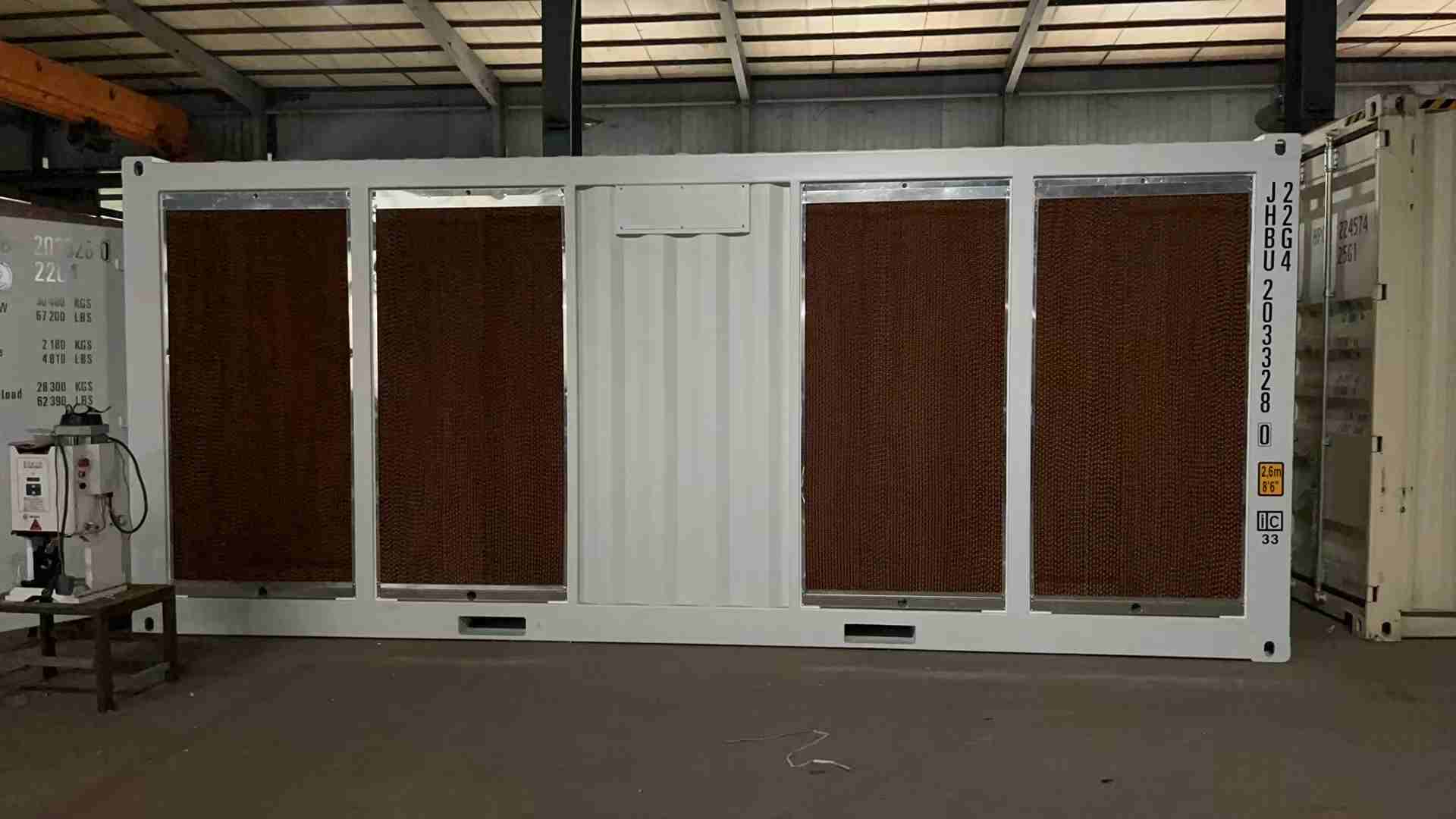
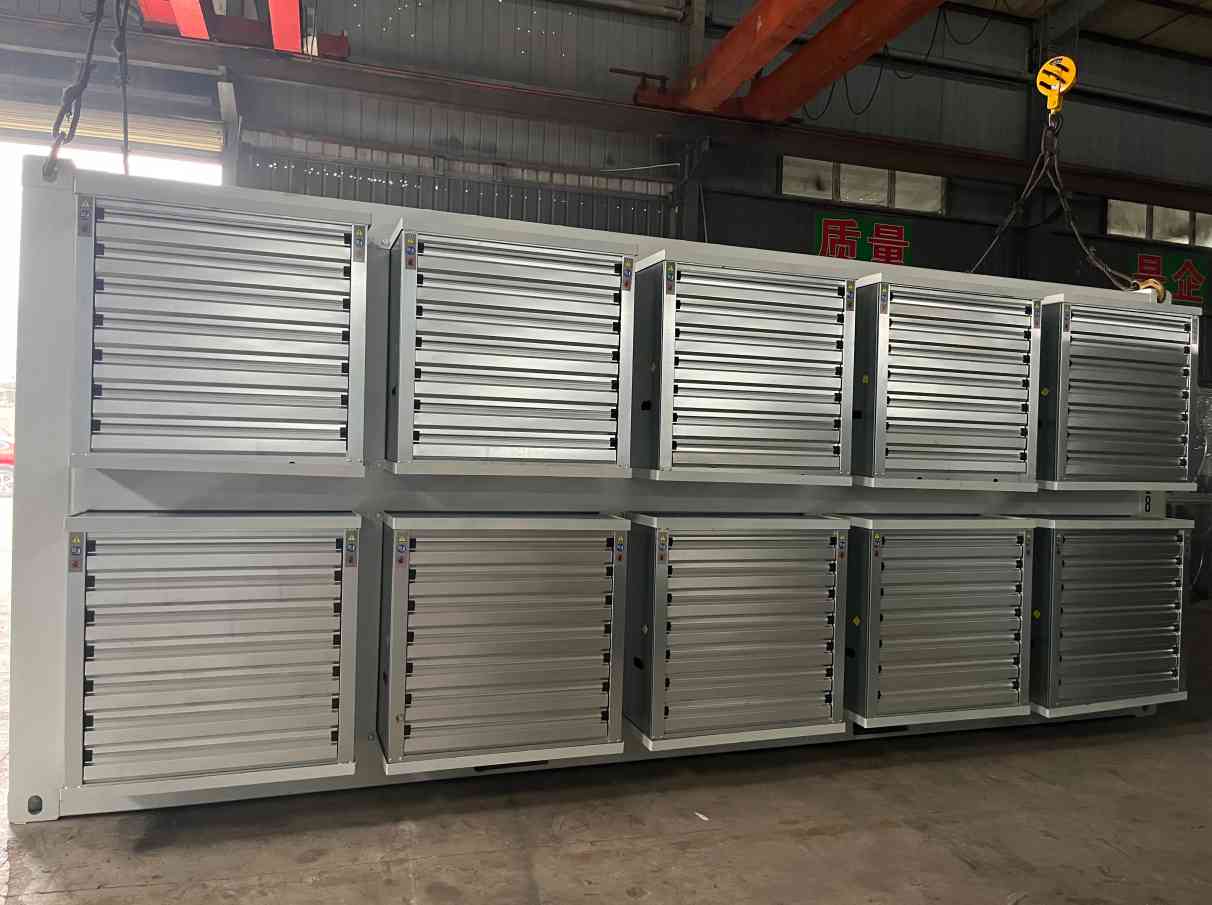
- Cooling and ventilation systems
- Pre-installed racks for mining hardware
This modular setup lets mining operators expand capacity swiftly. They avoid constructing fixed buildings.
Why Is Funding a Crypto Mining Container Different From Other Mining Assets?
Financing a crypto mining container stands apart from classic infrastructure in key respects. Containers need big initial funds. Yet they can yield returns sooner thanks to fast rollout. Still, their gains link tightly to crypto price swings and running efficiency. So this mix calls for treasury plans that juggle quick action, ready cash, and hazard control.
Core Financial Challenges in Funding Crypto Mining Containers
Treasury groups must grasp the chief expense factors and money risks tied to container-based mining before picking a funding plan.
What Are the Main Cost Drivers in Crypto Mining Container Projects?
The full outlay for a crypto mining container usually covers:
- Container manufacturing and customization
- Power and cooling systems
- Transportation and installation
- Site preparation and grid connection
These expenses hit before any mining income starts. That strains cash flow heavily.
How Do Market Volatility and Energy Prices Impact Treasury Planning?
Crypto mining earnings tie straight to token values, network toughness, and block payouts. Meanwhile, power bills can swing widely by area and time of year. So treasury groups need to factor in these unknowns. They do this by holding cash cushions and using cautious income estimates.
Treasury Planning Models for Crypto Mining Container Investments
Solid treasury planning makes sure funds are used well. It also keeps options open.
How Can Companies Structure Capital Allocation for Mining Containers?
Lots of operators use step-by-step investment setups. They don’t roll out every container right away. Instead, treasury groups free up funds in phases. This matches growth to market trends and cash results. Such a method cuts risks in slumps. At the same time, it holds onto gains in good times.
A further vital tactic is splitting infrastructure funds from hardware funds. Viewing the crypto mining container as a lasting infrastructure item allows better wear-out timelines and money planning.
Should Crypto Mining Containers Be Treated as CAPEX or Hybrid Assets?
In treasury terms, mining containers act as mixed assets often. The container proper lasts longer. But the gear inside might need upgrades more regularly. Seeing this split aids treasury groups in scheduling reinvestments. It also helps handle balance sheet effects better.
Funding Sources and Financial Instruments for Crypto Mining Containers
After setting the capital setup, treasury groups must decide how to cover the outlay.
What Are the Common Funding Options for Crypto Mining Container Projects?
Funding sources often involve:
- Internal cash reserves
- Equity financing from strategic investors
- Asset-backed financing using infrastructure as collateral
Each choice brings pros and cons. These touch on control, funding costs, and money adaptability.
How Can Treasury Teams Optimize Cash Flow During Deployment?
Spread-out payment plans are a usual treasury move. Firms match payouts to making milestones and rollout stages. This cuts down on unused funds and keeps cash handy. It’s especially crucial for crypto mining containers. There, fast startup boosts return on investment directly.
Risk Management Strategies in Crypto Mining Container Financing
Handling risks is a main duty for treasury groups in crypto mining work.
How Can Treasury Teams Hedge Risks Associated With Crypto Mining Containers?
Typical ways to ease risks cover:
- Conservative revenue forecasting
- Maintaining cash reserves to cover operating expenses
- Geographic diversification to reduce energy and regulatory risk
Certain operators time growth to match positive market cues too. This lowers potential losses.
Why Is Flexibility a Key Financial Advantage of Containerized Mining?
Ease of movement stands as one of the top money perks of crypto mining containers. If power rates climb or rules shift, containers can move elsewhere. This mobility cuts the chance of stuck assets. It also bolsters treasury strength over time.
How Treasury Strategy Supports Scalable Mining Operations
A smart treasury plan doesn’t just handle risks. It also drives expansion.
What Role Does Financial Forecasting Play in Container Expansion?
Treasury groups use case reviews to check returns under varied crypto price and power cost scenarios. These projections steer choices on adding more crypto mining containers. They also signal when to hold off on growth.
How Can Treasury Planning Enable Faster Expansion Cycles?
Uniform container builds let treasury groups create reliable cost frameworks. After funding setups get the go-ahead, growth calls can happen quicker. This gives operators an edge in fast-moving markets.
How We at ACTBOXES Support Financially Efficient Mining Container Deployment
At ACTBOXES, we get that funding a crypto mining container goes beyond tech choices. It’s a money call too. That’s why we craft our mining containers to boost treasury smoothness as much as work output.
Our items are uniform but adjustable. This lets firms forecast costs precisely. They can also tweak setups for various power and cooling needs. Since our mining containers merge electrical setups, air flow, and build design into one piece, treasury groups can map out fund use with more sureness.
We stress rules-following and dependability as well. Our mining containers meet tough safety and output rules. This lowers odds of surprise stops or pricey fixes. By providing containers for quick launch and shifting, we aid treasury groups in staying adaptable to market or rule shifts.
At ACTBOXES, we hold that a well-made crypto mining container ought to ease budgeting. It should better cash flow mapping and back growing operations. Our aim is to deliver mining container fixes that match work efficiency with solid treasury tactics.
FAQ
Q: How much does a crypto mining container typically cost?
A: The cost varies by size, power capacity, cooling systems, and customization. However, crypto mining containers generally offer more predictable budgeting compared to building traditional mining facilities.
Q: Are crypto mining containers a good long-term investment?
A: They can be, especially when paired with strong treasury planning, phased deployment strategies, and effective risk management.
Q: What is the biggest financial risk when funding a crypto mining container?
A: Market volatility—particularly fluctuations in crypto prices and energy costs—is the largest risk, making liquidity planning and operational flexibility essential.