The Relationship Between Cold Weather and Bitcoin Mining Efficiency
Why Does Temperature Matter in Bitcoin Mining?
Bitcoin mining requires solving tough math puzzles with dedicated gear, like ASIC miners. These devices run non-stop. They produce a lot of warmth. So, the surrounding air temperature plays a key role in mining output. In warm settings, cooling setups have to labor more to keep ideal running levels. This boosts power use and expenses.
Even more crucial, if mining gear surpasses its heat thresholds, it faces thermal throttling. That’s when speed drops on purpose to prevent overheating. Cooler outside air cuts this danger a great deal. Based on what we’ve seen, quick shifts in temperature pose the biggest issue. It’s wise to avoid letting your equipment drop under 0°C at all costs.
How Cold Weather Enhances Mining Performance
Cooler weather boosts bitcoin mining setups by easing the cooling task. ASIC miners depend on simple and powered cooling methods to release heat. In chilly areas, fresh outdoor air cools the inner parts better. As a result, fans and AC units don’t strain as much. This cuts down on power needs.
You might crack the door open slightly. At the same time, seal off all cold air entry. This mimics the effect briefly. Just block the cold intake for a limited time. That way, the machines can heat up on their own. Plus, steady cool surroundings help lengthen hardware life. They do this by easing heat pressure over the long haul.
Are There Risks Associated with Extremely Cold Conditions?
These perks come with downsides in very cold spots. Miners need to handle them with care. Gear that’s too chilled for regular use risks real harm. A top worry is moisture buildup. Warm air inside meets icy outer parts during stops or starts. This can create water inside the device. It might cause electrical shorts.
Also, items like plastic fan parts and wire links can get fragile in below-freezing cold. That raises chances of breakdowns. To counter these threats, smart climate controls matter. Things like good barriers, air flow tweaks, and dampness checks are key.
How Does Cold Weather Affect Bitcoin Mining Equipment Longevity and Maintenance?
What Components Are Most Vulnerable to Cold-Induced Damage?
Some pieces in bitcoin mining setups face higher risks from cold harm:
- Power Supply Units (PSUs): These often fail if hit by freezing air without enough shielding.
- Fan assemblies: Plastic parts or inner bearings might jam or split in frosty spots.
- Printed Circuit Boards (PCBs): Fast temp swings can lead to tiny cracks from shrinking and stretching.
How Can Miners Protect Their Equipment During Harsh Winters?
Environmental Control Strategies for Outdoor Mining Containers
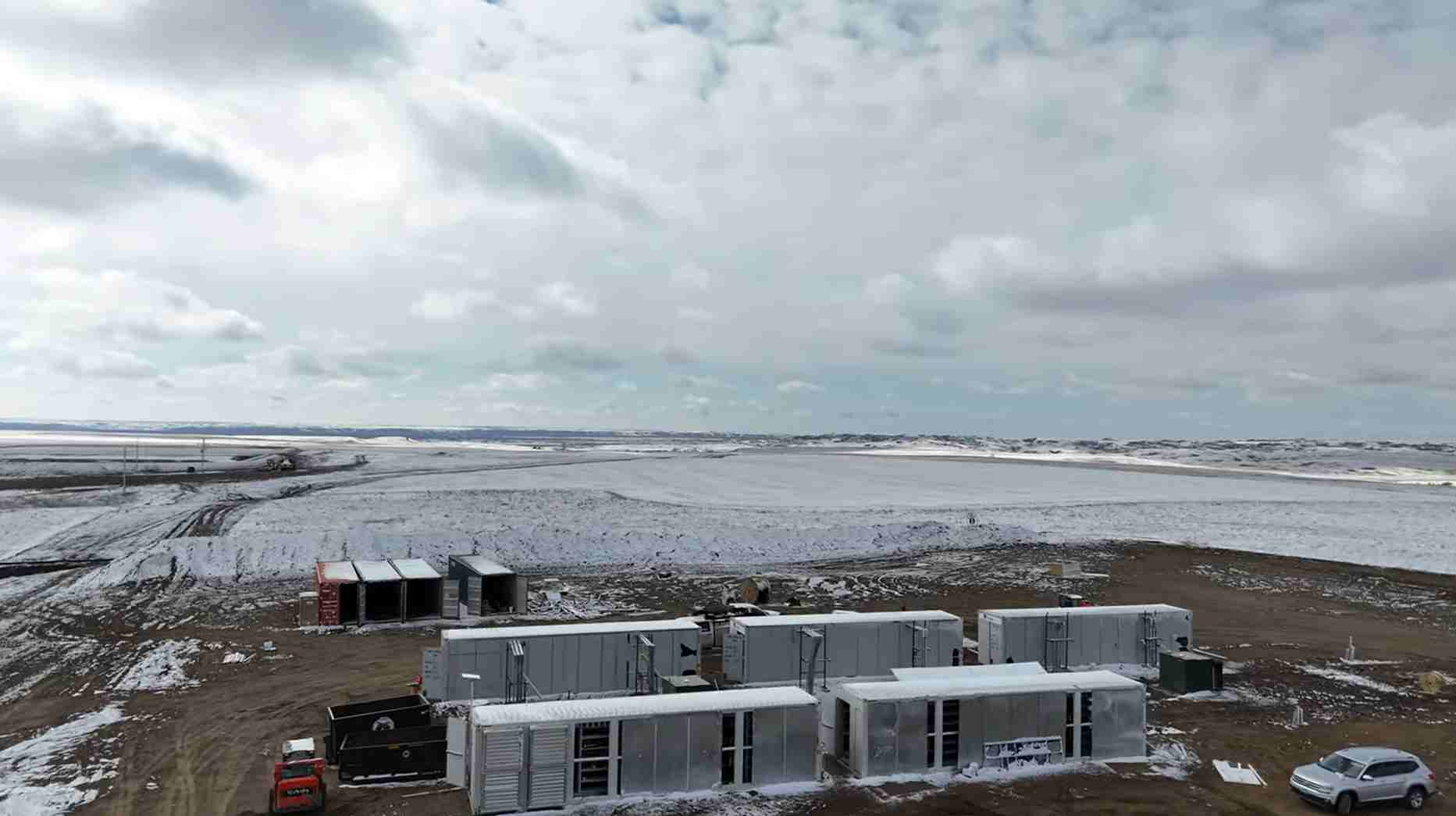
To shield gear in winter, adding barriers to the mining container is vital. Get the site ready by adding insulation to the structure, bitcoin mining container, or even the miners. Use sealed boxes to control inside warmth well. Set up heat-sensing fans for entry and exit air. They keep steady flow and dodge cold blasts.
Track dampness with gauges or dryers to stop water inside boxes. These shielded miners hold much more even temps. Even when it’s chillier out.
Maintenance Best Practices for Cold Environments
Regular checks are essential in icy areas. Look at wires and plugs for ice harm or stiffness. For machines off a while, use slow heat-up steps when restarting.
Don’t start them if boards are under 0°C. That could spark gear breakdowns. Heat strips or room warmers in containers aid good start conditions.
What Is a Bitcoin Mining Container and Why Is It Suitable for Cold Climates?
What Are the Advantages of Using a Bitcoin Mining Container?
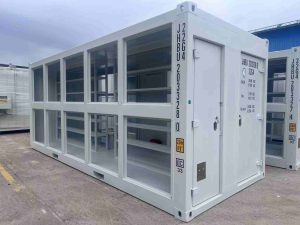
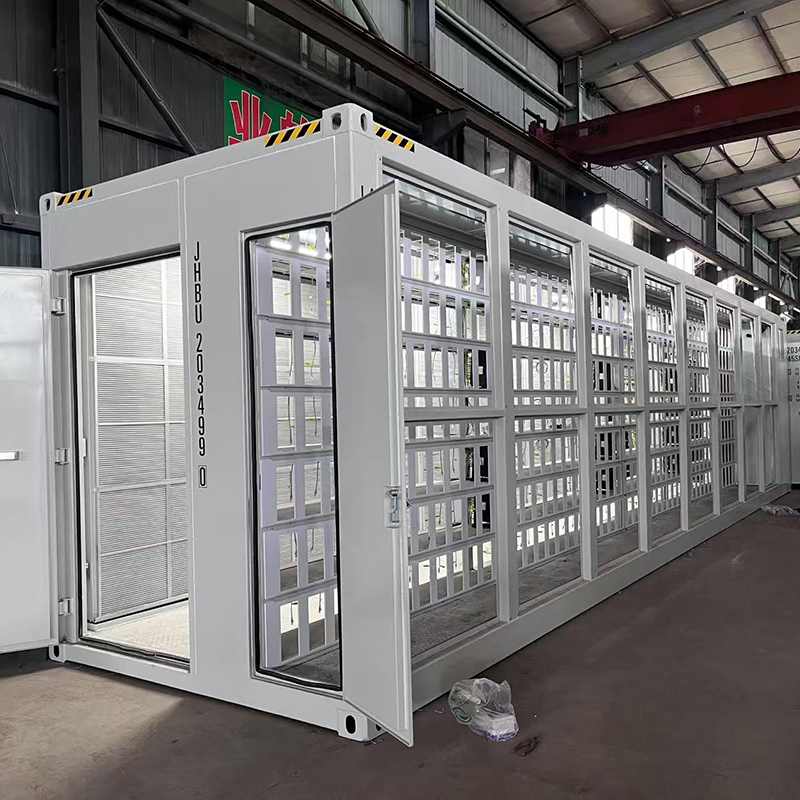
A bitcoin mining container forms a portable server hub in a standard shipping box frame. Its build fits well for cold zones. The tight design and built-in air paths help. These units improve power savings by pulling in outside air for cooling. They cut or skip pricey cooling setups.
Also, containers guard against weather threats like heavy snow and biting winds. Their flexible style enables quick installs and moves when required.
How Do ACTBOXES Container Data Centers Support Efficient Bitcoin Mining?
At ACTBOXES, we’ve crafted our container data centers for demanding tasks like bitcoin mining. Our options focus on power savings, weather flexibility, and lasting strength.
Key Features of ACTBOXES Container Data Centers:
Using 12Gauge tough galvanized steel sheet (ASTM A653 standard), our container holds up to 20 tons. It has a two-layer insulated panel (outer 0.8mm steel + 50mm rock wool). This blocks outside wet, heat, and dirt well. Such traits make them tough in rough weather.
Inside, there’s a standalone temp system (-40℃ low heat starter + 55℃ hot air boost). It keeps steady work no matter outside changes.
Our items come with ready air systems for good heat swap in cool areas. They’re fully checked with CSA and UL safety marks for North American power rules.
Benefits for Miners Operating in Cold Regions:
By using low outside temps for natural cooling, miners slash running costs a lot. Our container options boost runtime with strong weather shields. This includes IP54-rated boxes that fight dust and water splashes. Even in harsh spots like shores.
Plus, the flexible build allows swift setup without fixed builds. It’s perfect for far-off or short-term mining jobs.
Operational Considerations When Deploying Bitcoin Mining Containers in Cold Weather
What Site Preparation Is Required Before Deploying a Container in Winter Conditions?
Before setup, level the ground. Plan drains to avoid water or snow pools under the container. Keep paths clear for crews during storms. In wide spots like frozen lands or fields, add wind blocks. They cut cold gusts.
How Should Airflow Be Managed Inside a Container During Freezing Temperatures?
Balancing Intake Air Temperature With Internal Heat Loads
We suggest smart fan controls tied to inside temp gauges. They tweak speeds as needed to hold best conditions. Mixing entry air with reused warm air stops too much chill.
Preventing Ice Buildup Around Air Intakes and Exhausts
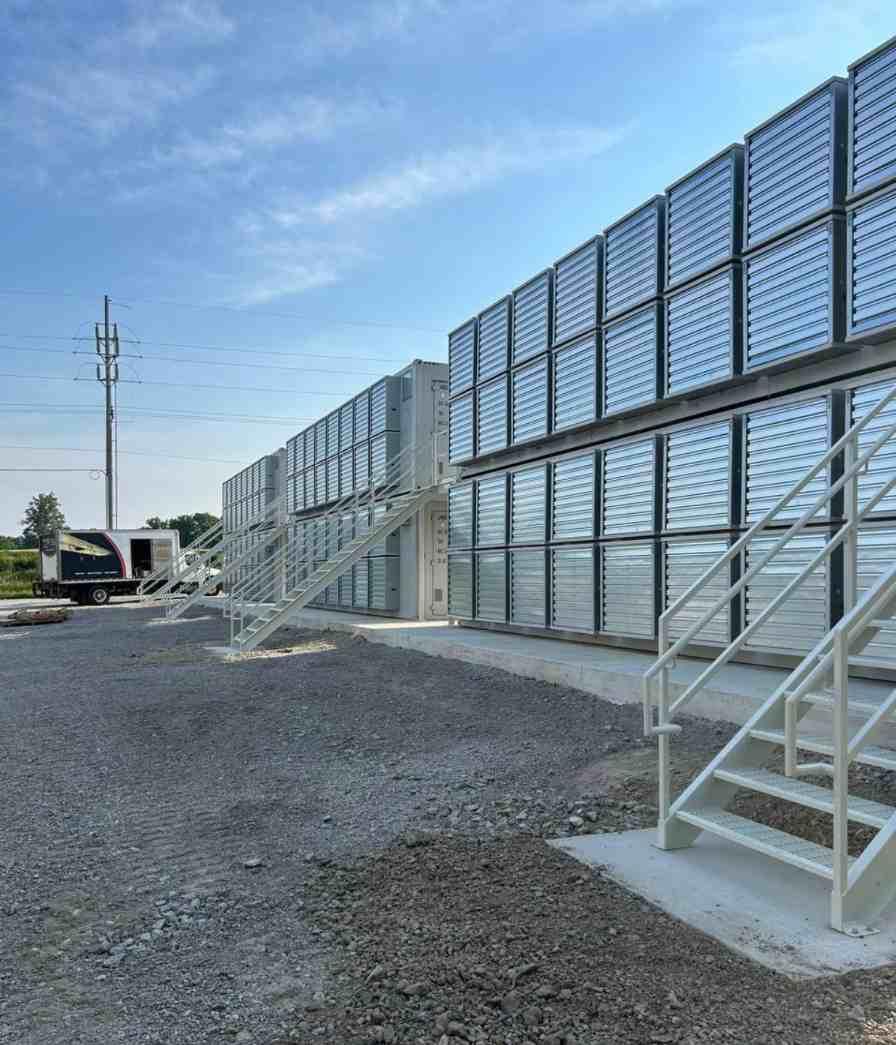
Put screens or warm grids at air inlets to stop snow entry. Check out vents often. Make sure no ice blocks the flow.
FAQ
Q: Can ACTBOXES containers prevent condensation inside the unit during extreme cold?
A: Yes, ACTBOXES containers have air systems and add-on dryers. They control inside dampness. This cuts water risks even in freeze-melt shifts.
Q: How portable are ACTBOXES bitcoin mining containers for relocation during seasonal changes?
A: ACTBOXES containers are flexible and built for simple moves. Operators can shift them between spots. They base it on yearly goals or power price perks.
Q: Are there customization options available of mining containers for specific climate zones?
A: Yes, ACTBOXES provides custom setups. These include barrier depth, fan rules, and heat parts. It fits the planned area.
Q: Does bitcoin mining become more profitable in winter due to improved cooling efficiency?
A: Yes, lower outside temps lessen active cooling needs. This drops power per terahash. It can raise profit edges.
Q: Can freezing weather damage my ASIC miners if they’re stored outdoors without protection?
A: Absolutely — long exposure to sub-zero without good cover can cause part failures. Think water, stiff stuff, or split joints.
Q: Is it safe to run bitcoin mining operations 24/7 inside a container during winter storms?
A: Yes, if the container seals well, airs properly, and gets watched. Options like ACTBOXES are made for non-stop work. Even in bad weather.