Understanding the Potential of a 20 Foot Container Office
What Makes a 20 Foot Container Suitable for Office Conversion?
A 20 foot container office is just the right size when you need something that works hard but doesn’t eat up space. You can park it on a job site, squeeze it between buildings downtown, or drop it way out in the bush. Trucks, ships and cranes already know how to handle a 20-footer, so moving it around never turns into a drama. Need two offices? Put one on top of the other. Need a bigger floor plan later? Just line another one up beside it.
The standardised size, strength and mobility of containers make them ideal building elements. These boxes are made from heavy Corten steel. They laugh at salt spray, desert sun and minus-40 winters. A container that spent ten years crossing oceans will still be rock-solid when you turn it into your new workplace.
How Does a Container Office Compare to Traditional Office Spaces?
If you’ve ever watched a regular office go up, you already know the pain—months of noise, mud and guys in hard hats. A 20 foot container office skips almost all of that. The heavy work gets done in a factory. What rolls up on the truck is basically your office with the lights already hung. Container offices are changing the way we think about workspaces, offering affordable, eco-friendly and flexible solutions for businesses of all kinds. Most crews can be working inside within a day or two of delivery.
On price, containers win hands down. A decent used 20-footer costs a fraction of what you’d pay for even the foundations of a normal building. Less concrete, less timber, way less labor. And when the project ends or the company moves, you don’t knock it down and haul it to the dump—you hook a crane and take your whole office with you.

Planning the Layout and Design of Your Container Workspace
What Are the Key Considerations in Space Planning?
You only get about 140 square feet inside a 20 foot container office, so you have to think like a boat builder—every corner has to earn its keep. Sketch it out on paper first. Where will the desks go? Where’s the printer? Is there room for a couple of chairs if a client drops by? Choosing the right furniture and arranging it thoughtfully is essential for creating a practical and comfortable container office.
Put shelves high and cabinets on the walls. Get desks that fold flat when nobody’s around. A long bench along one wall can be seating at lunch and storage the rest of the day. Leave a straight walkway down the middle so people aren’t climbing over each other.
How Can You Optimize Natural Light and Ventilation?
Nothing makes a metal box feel smaller than sitting in the dark breathing yesterday’s air. Cut as many windows as the structure allows—big ones down the sides and a glass door if you can. Sunlight changes everything. Bringing in plants and maximising natural light are also important, as they help people feel better and keep the overall mood positive.
Make sure at least some windows open. A couple of roof vents or a small exhaust fan keep the air moving on still days. If you’ve got the cash, pop in a skylight or two. You’ll be amazed how often you can work all morning without flipping a light switch.
Insulation, Climate Control and Acoustic Performance
Why Is Insulation Crucial in a 20 Foot Container Office?
Steel is a terrible blanket. On a hot day the walls cook, on a cold night they freeze. Without insulation your office turns into an oven or an icebox. Spray foam or rigid boards on every surface keep the weather outside where it belongs. The air-con or heater doesn’t have to fight the elements, so the power bill stays sane.
Insulation also stops the walls sweating. Warm, damp air hits cold steel and you get drips—then mold, then rust. A good vapor barrier ends that nonsense before it starts.
What Are Effective Ways to Manage Temperature Inside the Unit?
HVAC Solutions for Small Container Offices
Most folks go with a mini-split. One neat box on the wall inside, one compressor outside, quiet and strong. If ceiling height is tight, some brands make low-profile units that slide right under a window.
Passive Cooling Strategies
White roof paint is cheap and works wonders—heat bounces off instead of soaking in. Throw an awning or some cheap shade cloth over the sunny side. Even a few decent-sized plants in pots outside the windows knock the temperature down a couple of degrees.
How Can You Improve Sound Insulation in a Metal Structure?
Steel rings like a bell. Somebody drops a stapler and the whole office hears it. Stick up some acoustic panels or even heavy curtains. Instant quiet. Double-glaze the windows and traffic noise disappears. Run a good bead of caulk around every seam and the place stays peaceful.
Electrical, Plumbing and Technology Integration
What Are the Essentials for Electrical Setup?
Count your gadgets first—laptops, monitors, kettle, the air-con unit. Plan a couple of circuits so one blown breaker doesn’t kill the whole office. They are fitted with doors, windows, insulation and systems for electricity and water, ensuring full functionality upon installation.
LED lights all the way. Bright, cheap to run and they don’t heat the place up. Run the wiring in surface trunking—it looks tidy and you can add extra sockets later without tearing walls open.
Can Plumbing Be Integrated into a 20 Foot Container Office?
Common Plumbing Additions in Small Offices
Of course. A little corner sink is no big deal. If you need a toilet, a slim macerator unit or a composting loo fits fine, especially when you’re miles from the nearest sewer line.
How Do You Equip the Office with Modern Technology?
Pull Cat6 cable while everything is still open. You can also adjust the temperature, lighting and sound to create the best possible workspace. Metal kills Wi-Fi dead, so stick the router on a shelf in the middle or add a mesh node. A smart thermostat and a couple of remote light switches make life easy.
Interior Finishes That Enhance Functionality and Aesthetics
Which Materials Work Best Inside a Container Office?
Wall Finishes
Plywood painted with tough floor paint or covered in laminate—looks good, wipes clean, lasts forever.
Flooring Options
Click-lock vinyl planks. Waterproof, tough, quiet and you can lay them yourself in an afternoon.
Ceiling Treatments
Simple acoustic drop tiles. They soak up sound and hide the spaghetti of wires up top.
How Can You Create a Comfortable Work Environment in a Compact Space?
Get chairs that actually fit human backs. Pick desks at the right height. Throw a rug down if the floor feels cold. A couple of real plants and some light-colored paint trick the eye into thinking the room is bigger than it is. Small touches, big difference.
Real-Life Application: How ACTBOXES Enhances 20 Foot Container Offices
Who Is ACTBOXES and What Do They Offer?
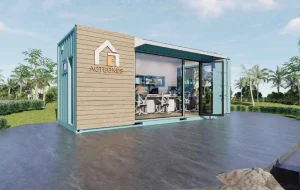
We’re ACTBOXES. We take shipping containers and turn them into proper, usable spaces—offices, site sheds, clinics, whatever you need. ACTBOXES is our company’s overseas brand, which is dedicated to providing innovative and unique container solutions, including creative design and personalized customization services.
We’ve built hundreds of them, so we’ve pretty much seen every problem and figured out every fix.
What Features Distinguish ACTBOXES’ 20 Foot Container Offices?
Functional Design Elements
When one of our 20 foot container offices rolls off the truck, the insulation is already in, the lights are wired, the air-con is hung and the floor is done. Plug it in and start work.
Customization Options Offered by ACTBOXES
You tell us how many desks, whether you want a little kitchen corner, where the meeting table goes—we build it that way. Solar panels, rooftop deck, extra-thick insulation for the far north, whatever you need, we’ve done it before.
Every unit gets checked top to bottom before it leaves the yard. Construction sites, mining camps, city rooftops—our boxes work anywhere.
Why Choose ACTBOXES for Your Container Office Project?
With years of experience and a professional team, we are committed to providing high quality products and services to ensure customer satisfaction. We hate waste, we love things that last and we answer the phone when you call. Buy from us and you’re not just getting a 20 foot container office—you’re getting people who care that it works right for years.

FAQ
Q: How much does it cost to convert a 20 foot container into an office?
A: Costs vary based on customization level but typically range from $10,000 to $25,000. Factors include insulation type, interior finishes, electrical/plumbing installation and additional features like HVAC.
Q: Do I need planning permission for a container office?
A: This depends on your local regulations. In many areas, temporary structures may not require full permits—but always check with your local planning authority before installation.
Q: Can I relocate my container office after it’s been installed?
A: Yes. One of the key advantages of a 20 foot container office is its mobility. With proper lifting equipment (like cranes or forklifts), it can be transported to new sites easily.